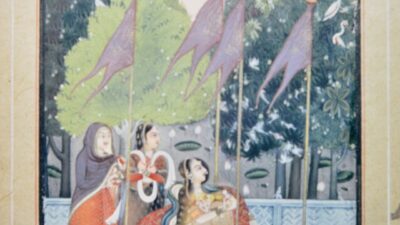
गीत विंग · गीत-पट्टिका · Song Plate
ये ज़िंदगी उसी की है
Ye Zindagi Usi Ki Hai
जब उस्ताद बड़े ग़ुलाम अली ख़ाँ साहब ने यह गीत सुना तो वे ख़ामोश हो गए — वह ख़ामोशी ही इस गीत की सबसे बड़ी तारीफ़ थी।
भावमीठा-कड़वा · अविस्मरणीय · उदास · रोमांटिक
भाषाUrdu · Hindi गतिधीमी स्वरूपएकल महिला
श्रेय
The Creditsबोल · The Lyrics
बोल — झलक · Lyrics Preview
प्यार में खो गया, प्यार में खो गया
Pyar mein kho gaya, pyar mein kho gaya
कॉपीराइट के कारण केवल झलक — पूरे बोल आधिकारिक मंचों पर।
शब्दकोश
Word Meaningsसूत्र-वाक्य · The Hook
सूत्र-वाक्य
जब उस्ताद बड़े ग़ुलाम अली ख़ाँ साहब ने यह गीत सुना तो वे ख़ामोश हो गए — वह ख़ामोशी ही इस गीत की सबसे बड़ी तारीफ़ थी।
In EnglishA song so hauntingly beautiful that Ustad Bade Ghulam Ali Khan fell silent in awe — his silence was the highest praise.
पट्टिका-लेख
The Monographपरिचय Overview
१९५३ में फ़िल्मिस्तान की ऐतिहासिक फ़िल्म 'अनारकली' — निर्देशक नंदलाल जसवंतलाल, अभिनेता प्रदीप कुमार और बीना रॉय — की आत्मा बन गया यह गीत। लता मंगेशकर की अलौकिक आवाज़, सी. रामचंद्र का संगीत और राजिंदर कृष्ण की शायरी ने मिलकर हिंदी सिनेमा का एक अजर-अमर नगीना गढ़ा। राग भीमपलासी की नींव पर अब्दुल हलीम जाफ़र ख़ान का सितार झंकृत हुआ और गीत में एक सूफ़ियाना फ़लसफ़ा बोला गया — कि ज़िंदगी उसी की है जो किसी का हो जाए। बिनाका गीतमाला की पहली वार्षिक सूची (१९५३) में यह गीत सर्वोच्च स्थान पर रहा — स्वर्णिम युग का सबसे चमकदार सितारा।
अंग्रेज़ी में पढ़ें · Read in English
Released in 1953 as part of Filmistan's historical drama Anarkali, directed by Nandlal Jaswantlal and starring Pradeep Kumar and Bina Rai, 'Ye Zindagi Usi Ki Hai' stands as Lata Mangeshkar's most celebrated performance of the year. Composed by C. Ramchandra in Raag Bhimpalasi with lyrics by Rajinder Krishan, the song features sitar maestro Abdul Halim Jafar Khan's spun-silk strings as its emotional anchor. It articulates a Sufi philosophy of selfless love — that life belongs only to one who has given it away to another. The song topped the first-ever Binaca Geetmala annual countdown of 1953, making it the definitive hit of India's Golden Era at its finest.
संगीत The Music
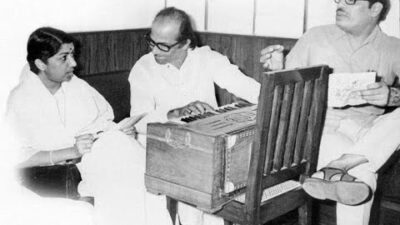
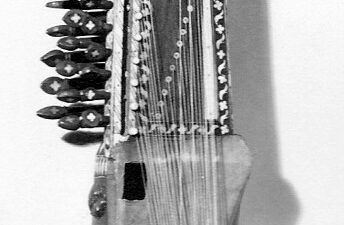
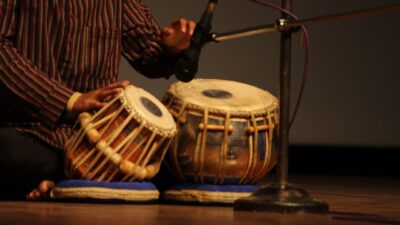
सी. रामचंद्र ने इस रचना का आधार राग भीमपलासी को बनाया — काफ़ी ठाट का यह राग दोपहर की मद्धम उदासी और स्त्री-सुलभ व्याकुलता का प्रतीक है, ठीक अनारकली की मनोदशा की तरह। संगीत-संयोजन में अब्दुल हलीम जाफ़र ख़ान का सितार पहले अकेला बोलता है, फिर सारंगी और तबले का मितव्ययी साथ मिलता है। रामचंद्र की विशेषता थी उनका संयम — कम से कम वाद्यों में लता की आवाज़ को राग की पूरी ऊँचाई तक उड़ान भरने देना। यह गीत फ़िल्म में दो बार आता है — एक बार प्रेम की उमंग में, एक बार हृदयविदारक विलाप में। वही धुन, वही शब्द, परंतु भाव की दुनिया बिल्कुल अलग।
अंग्रेज़ी में पढ़ें · Read in English
C. Ramchandra built this composition on Raag Bhimpalasi, a Kafi-thaat afternoon raga associated with gentle longing and feminine grace — perfectly matched to Anarkali's emotional world. The arrangement opens with Abdul Halim Jafar Khan's sitar weaving a single melodic thread through the silence, before sarangi and tabla join in measured restraint. Ramchandra's genius lay in his economy: a sparse orchestration that let Lata's voice carry the full weight of the raga. The song appears twice in the film — a joyful version in the opening and a stripped, devastating reprise at the climax — the same melody recoloured entirely by context. C. Ramchandra, trained under Pandit Vinayakrao Patwardhan, brought his Marathi classical foundation to bear on a composition that feels both filmi and deeply Hindustani.
काव्य The Poetry
राजिंदर कृष्ण का बोल एक दार्शनिक उद्घोष है — 'ये ज़िंदगी उसी की है जो किसी का हो गया।' 'प्यार में खो गया' में दो अर्थ छुपे हैं: एक, प्रेम में अपना वजूद मिटा देना; दो, सूफ़ी 'फ़ना' की अवस्था। कृष्ण ने बहुत कम कहकर बहुत कुछ कह दिया — यह ग़ज़ल-परंपरा की वही बड़ी विशेषता है जिसमें हर मिसरा एक पूरी ज़िंदगी समेटे होता है।
अंग्रेज़ी में पढ़ें · Read in English
Rajinder Krishan's lyric is a one-couplet philosophy: 'Life belongs to one who has become someone else's; who has lost himself in love.' The phrase 'pyar mein kho gaya' (lost in love) carries double meaning — romantic dissolution and spiritual fana. Krishan's restraint is itself poetic: he says almost nothing and means everything. The lyric fits naturally into Urdu's ghazal tradition of the beloved's worth measured by total self-surrender.
कहानी The Story
नंदलाल जसवंतलाल निर्देशित 'अनारकली' (१९५३, फ़िल्मिस्तान) ने मुग़ल दरबारी कनीज़ की कहानी को उसी के नज़रिए से पेश किया — बीना रॉय अनारकली थीं, प्रदीप कुमार सलीम। सी. रामचंद्र ने राजिंदर कृष्ण, शैलेंद्र और हसरत जयपुरी — तीन गीतकारों के साथ काम किया और साल का सबसे समृद्ध संगीत रचा। माना जाता है कि इस गीत की धुन १८८९ के मराठी नाटक 'संगीत शारदा' के गीत 'मूर्तिमंत भीती उभी' से प्रेरित थी। यह फ़िल्म १९५३ की सबसे बड़ी हिंदी बॉक्स-ऑफ़िस सफलता रही — ₹२३.५ लाख की कमाई।
अंग्रेज़ी में पढ़ें · Read in English
Anarkali (1953), directed by Nandlal Jaswantlal for Filmistan, retells the legend of the Mughal courtesan Anarkali and Prince Salim from the woman's perspective. Bina Rai played Anarkali and Pradeep Kumar played Salim. C. Ramchandra worked with three lyricists — Rajinder Krishan, Shailendra and Hasrat Jaipuri — producing one of the richest soundtracks of the year. It is said that the song was directly inspired melodically by 'Murtimant Bheeti Ubhi' from the 1889 Marathi play Sangeet Sharada by Govind Ballal Deval. The film became the highest-grossing Hindi film of 1953, earning ₹23.5 million at the box office.
विरासत The Legacy
सात साल बाद 'मुग़ल-ए-आज़म' (१९६०) ने उसी किंवदंती को और भव्य कैनवास पर पेश किया, पर अनारकली का यह गीत अपनी जगह अटल रहा। लता मंगेशकर ने १९७४ में लंदन के रॉयल अल्बर्ट हॉल में यह गीत गाया और हिंदुस्तानी संगीत की एक झलक दुनिया को दिखाई। दशकों बाद भी यह गीत शादियों की महफ़िलों, ग़ज़ल-संध्याओं और स्ट्रीमिंग प्लेलिस्टों में उतनी ही ताज़गी से बजता है।
अंग्रेज़ी में पढ़ें · Read in English
Seven years after this film, Mughal-e-Azam (1960) told a grander version of the same legend — but the 1953 Anarkali remains the song's definitive home. Lata Mangeshkar performed 'Ye Zindagi Usi Ki Hai' at the Royal Albert Hall, London in 1974, introducing it to global audiences. The song has been covered by generations of singers and continues to appear in wedding playlists, ghazal mehfils and curated Hindi film music collections across streaming platforms.
वर्गीकरण
Classification- Tempo
- Slow
Genre
अन्य विवरण
More Details- Wikipedia: Anarkali (1953 film) — https://en.wikipedia.org/wiki/Anarkali_(1953_film)
- HindiGeetmala.net: Binaca Geetmala 1953 Annual List — https://www.hindigeetmala.net/geetmala/binaca_geetmala_1953.php
- MySwar: Yeh Zindagi Usi Ki Hai — https://myswar.co/song_details/anarkali-1953-yeh-zindagi-usi-ki-hai-i-2
- Wikipedia: C. Ramchandra — https://en.wikipedia.org/wiki/C._Ramchandra
- Wikipedia: Rajendra Krishan — https://en.wikipedia.org/wiki/Rajendra_Krishan
- Atul's Song A Day blog: ye zindagi usi ki hai — https://atulsongaday.me/2008/12/22/ye-zindagi-usi-ki-hai-jo-kisika-ho-gaya/
References
रोचक तथ्य
Margin Notesयह गीत गोविंद बल्लाल देवल के 1889 के मराठी नाटक संगीत शारदा के गीत 'मूर्तिमंत भीति उभी' की धुन से सीधे प्रेरित था।
अंग्रेज़ी में पढ़ें · Read in English
The song was directly inspired by the melody of 'Murtimant Bheeti Ubhi' from the 1889 Marathi play Sangeet Sharada by Govind Ballal Deval.
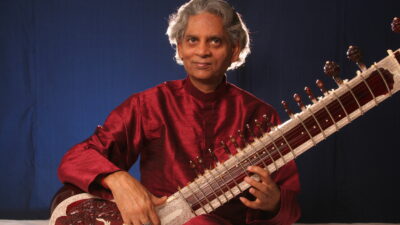
अब्दुल हलीम जाफ़र ख़ान, जिन्होंने इस रिकॉर्डिंग में सितार बजाया था, 1950 के दशक के बंबई के सबसे अधिक माँग वाले स्टूडियो संगीतकारों में से एक थे।
अंग्रेज़ी में पढ़ें · Read in English
Abdul Halim Jafar Khan, who played sitar on this recording, was among the most in-demand studio musicians of 1950s Bombay.
दिग्गज शास्त्रीय गायक उस्ताद बड़े ग़ुलाम अली ख़ान ने इस गीत को सुनने के बाद लता की प्रस्तुति की भरपूर प्रशंसा की।
अंग्रेज़ी में पढ़ें · Read in English
Ustad Bade Ghulam Ali Khan, the legendary classical vocalist, praised Lata's rendition of this song extravagantly after hearing it.
यह गीत फ़िल्म में दो बार आता है — पहले संस्करण में प्रेमी-युगल हर्षपूर्वक एक साथ हैं; दूसरे संस्करण में यह नायिका को दीवार में ज़िंदा चुनवाए जाने के दृश्य के साथ बजता है।
अंग्रेज़ी में पढ़ें · Read in English
The song appears twice in the film — in the first version the lovers are together in joy; in the second version it accompanies the heroine's entombment alive.
अनारकली (1953) ने बिनाका गीतमाला की वार्षिक सूची में शीर्ष स्थान हासिल किया — यह वह पहला वर्ष था जब कार्यक्रम ने अपनी वर्ष के अंत की गिनती प्रसारित की थी।
अंग्रेज़ी में पढ़ें · Read in English
Anarkali (1953) topped the Binaca Geetmala annual chart — the first year the programme aired its year-end countdown.
यह फ़िल्म उसी कहानी का पुनर्निर्माण/पुनर्कथन थी जिसे पृथ्वीराज कपूर ने 1940 के दशक में रंगमंच पर प्रस्तुत किया था।
अंग्रेज़ी में पढ़ें · Read in English
The film was a remake/retelling of the same story that Prithviraj Kapoor had staged on theatre in the 1940s.
पुरस्कार
The Honoursनमूना-पट्टी
The Specimen Table| शीर्षक | ये ज़िंदगी उसी की है · Ye Zindagi Usi Ki Hai |
|---|---|
| वर्ष · युग | 1953 — Golden Era |
| गायक | Lata Mangeshkar |
| गीतकार | राजिंदर कृष्ण |
| संगीतकार | C. Ramchandra |
| स्वरूप | एकल महिला |
| गति | धीमी |
| अवधि | 4:10 |
| भाषा | Urdu · Hindi |
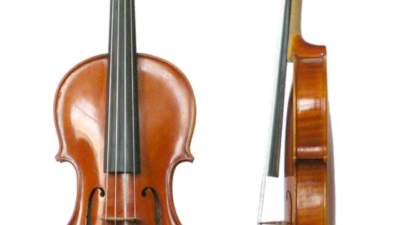
| वाद्य | sitar · sarangi · tabla · violin |
| भाव | मीठा-कड़वा · अविस्मरणीय · उदास · रोमांटिक |
| लोकप्रियता | Legendary |
| बोल-स्थिति | केवल झलक |
जुड़े हुए पन्ने
Connected Plates · The Graph Made Visibleअटलस में कोई पन्ना अकेला नहीं — इस गीत से जुड़े गीत, कलाकार, फ़िल्म, राग-ताल-विधा, सब यहाँ से खुलते हैं।
मिलते-जुलते गीत · Related Songs
कलाकार · The Artists
युग · The Era
साझा कीजिए · Share this Plate
यह पन्ना आगे बढ़ाइए
ये ज़िंदगी उसी की है जो किसी का हो गया।
Life belongs to one who has become someone else's.
— Rajinder Krishan, Anarkali (1953)
सवाल-जवाब
Questions & Answers'ये ज़िंदगी उसी की है' किसने गाया था? · Who sang 'Ye Zindagi Usi Ki Hai' in Anarkali 1953?
लता मंगेशकर ने यह गीत अभिनेत्री बीना रॉय के लिए प्लेबैक में गाया। संगीत सी. रामचंद्र का था और बोल राजिंदर कृष्ण के।
Lata Mangeshkar sang this song as playback for actress Bina Rai in the 1953 film Anarkali. The music was composed by C. Ramchandra with lyrics by Rajinder Krishan.
यह गीत किस राग पर आधारित है? · What raag is 'Ye Zindagi Usi Ki Hai' based on?
यह गीत राग भीमपलासी पर आधारित है — काफ़ी ठाट का यह राग दोपहर की मद्धम उदासी और कोमल तड़प का प्रतीक है। अब्दुल हलीम जाफ़र ख़ान का सितार इस गीत की पहचान है।
The song is based on Raag Bhimpalasi, a raga of the Kafi thaat associated with gentle longing and afternoon contemplation. Sitarist Abdul Halim Jafar Khan's playing is central to its mood.
क्या यह गीत बिनाका गीतमाला में पहले नंबर पर था? · Did this song rank first on Binaca Geetmala?
हाँ, यह गीत बिनाका गीतमाला की पहली वार्षिक सूची (१९५३) में पहले स्थान पर रहा — यानी उस साल का सबसे लोकप्रिय हिंदी फ़िल्मी गीत।
Yes, 'Ye Zindagi Usi Ki Hai' topped the first-ever Binaca Geetmala annual countdown in 1953, making it officially the most popular Hindi film song of that year.
इस गीत में सितार किसने बजाया? · Who played sitar in this song?
उस्ताद अब्दुल हलीम जाफ़र ख़ान ने इस गीत में सितार बजाया — उनकी संयमित, रेशमी वादन-शैली इस गीत की पहचान का अभिन्न हिस्सा है।
Ustad Abdul Halim Jafar Khan, one of India's foremost sitar maestros, played the sitar in 'Ye Zindagi Usi Ki Hai'. His restrained, silken playing is inseparable from the song's identity.