आना मेरी जान मेरी जान सन्डे के सन्डे
Aana Meri Jaan Meri Jaan Sunday Ke Sunday
गीत विंग · गीत-पट्टिका · Song Plate
Woh Paas Rahe Ya Na Rahe
वो लौटेगा या नहीं — इस सवाल से भी परे जाकर उसने उसे हमेशा के लिए चाहना तय कर लिया है — नूर जहाँ का सबसे ख़ामोश और सबसे गहरा गीत।
भावमीठा-कड़वा · उदास · दार्शनिक · रोमांटिक
भाषाUrdu · Hindi गतिधीमी स्वरूपएकल महिला
बोल · The Lyrics
कॉपीराइट के कारण केवल झलक — पूरे बोल आधिकारिक मंचों पर।
सूत्र-वाक्य · The Hook
वो लौटेगा या नहीं — इस सवाल से भी परे जाकर उसने उसे हमेशा के लिए चाहना तय कर लिया है — नूर जहाँ का सबसे ख़ामोश और सबसे गहरा गीत।
In EnglishShe doesn't ask whether he'll return; she has already decided to love him forever — Noor Jehan's most quietly devastating song.
जुगनू (1947) की इस गहरी रचना में नूर जहाँ एक अलग ही मुकाम पर नज़र आती हैं — एक ऐसी औरत जो इस क़दर मुहब्बत में डूबी है कि महबूब का पास होना या न होना उसके लिए बेमानी हो गया है। फ़ीरोज़ निज़ामी ने इसे राग भीमपलासी की सांझ-बेला की तड़प में ढाला — आठ-मात्रा की कहरवा ताल पर धड़कते दिल की तरह बहता हुआ। शकील बदायूँनी ने बिना शर्त की मुहब्बत को इतनी सादगी से बयाँ किया कि वो सबसे स्वाभाविक बात लगती है। HMV पर रिलीज़ यह गीत आज नूर जहाँ के हिंदी फ़िल्मी करियर का एक दार्शनिक शिखर माना जाता है — और बँटवारे से पहले बंबई को दिया उनका एक अनमोल विदाई-उपहार।
A quiet masterpiece of restraint from Jugnu (1947), 'Woh Paas Rahe Ya Na Rahe' captures Noor Jehan at her most philosophically resigned: a woman so absorbed in love that the beloved's physical presence or absence has ceased to matter. Set by Feroze Nizami in the tender Raag Bhimpalasi — a late-afternoon raag whose mood perfectly evokes wistful longing — and shaped into an eight-beat Keherwa cycle, the song moves with the measured pace of a heartbeat. Shakeel Badayuni's verse makes unconditional devotion sound like the most natural thing in the world. Released on HMV as part of Jugnu's acclaimed soundtrack, it stands today as one of Noor Jehan's most philosophically searching Hindi film songs — and among her final gifts to the language before Partition ended her Bombay chapter.
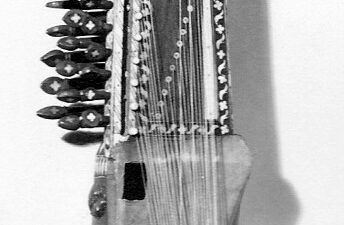
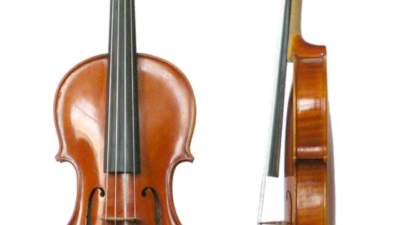
फ़ीरोज़ निज़ामी ने 'वो पास रहे' के लिए जो संगीत-संयोजन चुना वो 1940 के दशक के बंबई फ़िल्म उद्योग में दुर्लभ था — न्यूनतम वाद्यों में अधिकतम भाव। राग भीमपलासी की सांझ-वेला की तड़प — उसके चपटे पाँचवें और तीसरे स्वर की विशेष खिंचाव — इस गीत की आत्मा है। कहरवा ताल का आठ-मात्रा वाला सादा चक्र दिल की धड़कन-सी निरंतरता देता है। सारंगी — हिंदुस्तानी संगीत में तड़प का सबसे पहला वाद्य — यहाँ अगुवाई करती है। नूर जहाँ ने बिना किसी आभूषण के, एक अंतरंग स्वीकारोक्ति की तरह यह गीत गाया है — जैसे वो किसी को सुनाने के लिए नहीं, खुद से बात कर रही हों।
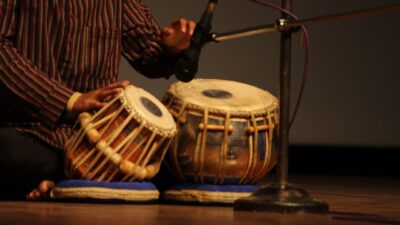
Feroze Nizami's arrangement for 'Woh Paas Rahe' is an exercise in disciplined minimalism rare for the Bombay film industry of the 1940s. He set the composition in Raag Bhimpalasi — a raag associated with the late afternoon, with its characteristically flattened fifth and third that evoke longing and introspective calm. The Keherwa taal (8-beat cycle) provides a gentle, steady pulse rather than rhythmic drama. The orchestration features the sarangi prominently — that quintessential instrument of longing in Hindustani music — alongside harmonium and soft tabla. Noor Jehan's voice here is stripped of embellishment; she moves through the melody with an almost conversational intimacy, as if confessing to herself rather than performing for an audience. The result is a song that sounds personal, not theatrical.
शकील बदायूँनी ने इस गीत को एक अकेले, क्रांतिकारी विचार पर खड़ा किया है — कि जब प्यार पूरी तरह पक जाता है, तो वो महबूब की शारीरिक मौजूदगी से स्वतंत्र हो जाता है। 'वो पास रहे या ना रहें' — यह एक रोना नहीं, एक ऐलान है। 'चाहे रखना' — यानी चाहना एक रोज़ का, चुना हुआ फ़ैसला है — नियति नहीं। शकील यहाँ इश्क़ के तूफ़ान की नहीं, उसके पड़ चुकने के बाद की गहरी ख़ामोशी की बात करते हैं। यह उनकी सबसे परिपक्व शायरी में से एक है।
Shakeel Badayuni constructs this lyric on a single, radical idea: that love, when fully realised, becomes independent of the beloved's physical state. The opening line 'Woh paas rahe ya na rahe' (Whether he stays near or not) is not a lament but a declaration — a statement of the lover's own sovereignty over her feeling. The Urdu vocabulary is precise and unadorned. The word 'chahe rakhna' (to keep on loving) implies an active, chosen devotion — love not as fate but as daily decision. This is Shakeel at his most philosophical, writing not about the turbulence of falling in love but the deep stillness of having already fallen.
जुगनू (1947) का निर्देशन शौकत हुसैन रिज़वी ने किया था, जो नूर जहाँ के पति भी थे — इसलिए यह फ़िल्म दोनों के लिए एक गहरे व्यक्तिगत प्रोजेक्ट था। नूर जहाँ के किरदार — चाँदनी — के गीतों में भावनात्मक विस्तार था: उत्सव से लेकर तबाही तक। 'वो पास रहे या ना रहें' इस साउंडट्रैक का दार्शनिक केंद्र रहा होगा। यह गीत 1946-47 में बंबई के स्टूडियो में रिकॉर्ड हुआ — उस वक़्त जब विभाजन की बातें शुरू हो चुकी थीं और नूर जहाँ की बंबई से विदाई की संभावना एक बढ़ती हुई सच्चाई थी। ग़ैरमौजूदगी में प्यार बनाए रखने का यह गीत शायद अनजाने में एक आत्मकथात्मक भार लिए हुए था।
Jugnu (1947) was directed by Shaukat Hussain Rizvi, who was also Noor Jehan's husband, making the film a deeply personal project for both artist and producer. The film was structured so that Noor Jehan's character — a singer named Chandni — had an emotional range of songs, from the celebratory to the devastated. 'Woh Paas Rahe Ya Na Rahe' likely served as the philosophical hinge of the soundtrack — a moment of stillness amid more dramatic songs. It was recorded at Bombay studios in 1946-47, during a period of profound personal uncertainty for Noor Jehan, as the Partition of India was already being discussed and her own departure from Bombay was becoming a possibility. The song's theme of loving through absence may carry an unconscious autobiographical weight.
विभाजन के बाद नूर जहाँ के पाकिस्तान चले जाने पर 'वो पास रहे या ना रहें' हिंदी फ़िल्म दर्शकों के लिए एक नया अर्थ ले आया — उनकी बंबई से ग़ैरमौजूदगी ने उनके गीतों को एक खोई हुई दुनिया की आवाज़ बना दिया। विभाजन-पूर्व हिंदी फ़िल्म संगीत की झलकियों में और नूर जहाँ के जीवन पर बनी डॉक्यूमेंट्री में यह गीत नियमित रूप से शामिल होता है। इसका केंद्रीय दर्शन — दूरी से परे मुहब्बत — उर्दू शायरी में बिना शर्त प्यार की बातों का एक मानक बन गया।
After Noor Jehan migrated to Pakistan post-Partition, 'Woh Paas Rahe Ya Na Rahe' took on additional resonance for Hindi film audiences — her physical absence from Bombay made her songs feel like dispatches from a lost world. The song is regularly featured in retrospectives of pre-Partition Hindi film music and in documentaries about Noor Jehan's career. Its central philosophy — love made independent of proximity — has made it a touchstone for discussions of unconditional love in Urdu poetry. The song demonstrates how 1947 Hindi cinema, at its best, could achieve the emotional depth of classical poetry through the medium of film song.
जुगनू (1947) को लगातार 1947 की सबसे अधिक कमाई करने वाली हिंदी फिल्म के रूप में उद्धृत किया जाता है, जिससे इसके सभी गीत — इसमें यह भी शामिल है — शिखर लोकप्रियता के ऐतिहासिक रूप से महत्वपूर्ण दस्तावेज़ बन जाते हैं।
Jugnu (1947) is consistently cited as the highest-grossing Hindi film of 1947, making all its songs — including this one — historically significant artifacts of peak popularity.
राग भीमपलासी परंपरागत रूप से दोपहर बाद (शाम 4-7 बजे) गाया जाता है और इसे आशा से रँगी हुई विरह की भावना से जोड़ा जाता है — अनुपस्थिति के बावजूद भक्ति के गीत के लिए एकदम उपयुक्त संगीत-पैलेट।
Raag Bhimpalasi is traditionally performed in the late afternoon (4-7 PM) and is associated with a mood of yearning tinged with hope — the perfect musical palette for a song about devotion despite absence.
नूरजहाँ ने अपना अधिकांश जुगनू साउंडट्रैक 1946-47 के दौरान बंबई के स्टूडियो में रिकॉर्ड किया, ऐसे समय में जब भारत का विभाजन तेज़ी से निकट आ रहा था और बंबई का मुस्लिम सांस्कृतिक समुदाय अस्तित्वगत अनिश्चितता का सामना कर रहा था।
Noor Jehan recorded most of her Jugnu soundtrack in Bombay studios during 1946-47, a period when the Partition of India was increasingly imminent and Bombay's Muslim cultural community was facing existential uncertainty.
फिरोज़ निज़ामी (जिन्हें फ़ेरोज़ निज़ामी भी लिखा जाता है) 1940 के दशक के अग्रणी बंबई फिल्म संगीतकारों में से एक थे, जो शौकत हुसैन रिज़वी की प्रस्तुतियों और नूरजहाँ के करियर से गहराई से जुड़े थे।
Feroze Nizami (also spelled Feroz Nizami) was one of the leading Bombay film composers of the 1940s, closely associated with Shaukat Hussain Rizvi's productions and Noor Jehan's career.
गीतकार शकील बदायूँनी आगे चलकर हिंदी सिनेमा के इतिहास के सबसे सम्मानित उर्दू गीतकारों में से एक बने, और उन्होंने कई फ़िल्मफेयर पुरस्कार जीते। उनका दार्शनिक रुझान — जो 1947 में भी स्पष्ट था — मुगल-ए-आज़म (1960) जैसी फिल्मों की उज्ज्वल कविता में परिपक्व हुआ।
Shakeel Badayuni, the lyricist, went on to become one of the most decorated Urdu lyricists in Hindi cinema history, winning multiple Filmfare Awards. His philosophical bent — evident even in 1947 — matured into the luminous poetry of films like Mughal-e-Azam (1960).
| शीर्षक | वो पास रहे या ना रहें · Woh Paas Rahe Ya Na Rahe |
|---|---|
| फ़िल्म | जुगनू · 1947 |
| वर्ष · युग | 1947 — Pre-Independence |
| गायक | Noor Jehan |
| गीतकार | Shakeel Badayuni |
| संगीतकार | Feroz Nizami |
| स्वरूप | एकल महिला |
| गति | धीमी |
| भाषा | Urdu · Hindi |
| वाद्य | harmonium · sarangi · tabla · violin |
| भाव | मीठा-कड़वा · उदास · दार्शनिक · रोमांटिक |
| लोकप्रियता | Known |
| बोल-स्थिति | केवल झलक |
अटलस में कोई पन्ना अकेला नहीं — इस गीत से जुड़े गीत, कलाकार, फ़िल्म, राग-ताल-विधा, सब यहाँ से खुलते हैं।
साझा कीजिए · Share this Plate
वो रहे या ना रहे — पूरे दिल से चाहने वाले ने यह सवाल पहले ही हल कर लिया है।
Whether he stays or not — the truly committed heart has already answered that question.
— HindiGeet.in editorial, on 'Woh Paas Rahe Ya Na Rahe'
यह गीत बिना शर्त की मुहब्बत का बयान है — गाने वाली कहती है कि महबूब पास रहे या दूर जाए, उसका प्यार बना रहेगा। यह उस मुहब्बत की बात है जो पास होने या बदले की ज़रूरत से परे जा चुकी है।
The song expresses a profound, unconditional form of love — the singer declares that she will continue loving her beloved whether he remains near her or goes away. It is a meditation on devotion that has transcended the need for reciprocity or proximity.
यह शौकत हुसैन रिज़वी निर्देशित हिंदी फ़िल्म जुगनू (1947) का गीत है, जिसमें नूर जहाँ और दिलीप कुमार मुख्य भूमिकाओं में थे। जुगनू 1947 की सबसे अधिक कमाई करने वाली हिंदी फ़िल्म थी।
It is from the Hindi film Jugnu (1947), directed by Shaukat Hussain Rizvi and featuring Noor Jehan and Dilip Kumar. Jugnu was the highest-grossing Hindi film of 1947 and Noor Jehan's last major Hindi film before she migrated to Pakistan following Partition.
हाँ, जुगनू (1947) को नूर जहाँ की हिंदी सिनेमा में आख़िरी प्रमुख फ़िल्म माना जाता है। 1947 के विभाजन के बाद वे पाकिस्तान चली गईं और वहाँ भी उतना ही शानदार करियर बनाया।
Yes, Jugnu (1947) is widely considered Noor Jehan's final major Hindi film before the Partition of India in August 1947, after which she migrated to Pakistan. She subsequently built an equally legendary career in Pakistani cinema and music.
जुगनू (1947) का संगीत फ़ीरोज़ निज़ामी ने दिया था — 1940 के दशक के बंबई फ़िल्म उद्योग के एक प्रमुख संगीतकार, जिन्होंने निर्देशक शौकत हुसैन रिज़वी के साथ कई फ़िल्मों में काम किया।
The music for Jugnu (1947) was composed by Feroze Nizami (Feroz Nizami), a prominent Bombay film composer of the 1940s who worked closely with director Shaukat Hussain Rizvi on several productions.
Aana Meri Jaan Meri Jaan Sunday Ke Sunday