गीत विंग · गीत-पट्टिका · Song Plate
मन डोले मेरा तन डोले
Man Dole Mera Tan Dole
जहाँ इलेक्ट्रॉनिक यंत्र की तान बीन बन गई और लता की आवाज़ नागिन का जादू।
भावअविस्मरणीय · Mystical · रोमांटिक
भाषाHindi · Urdu गतिमध्यम स्वरूपएकल महिला
श्रेय
The Creditsबोल · The Lyrics
बोल — झलक · Lyrics Preview
मेरे दिल का गया क़रार
नैना तेरे बाँके पन ने
किया मुझको बेक़रार
mere dil ka gaya qaraar
naina tere baankepan ne
kiya mujhko beqaraar
कॉपीराइट के कारण केवल झलक — पूरे बोल आधिकारिक मंचों पर।
शब्दकोश
Word Meaningsसूत्र-वाक्य · The Hook
सूत्र-वाक्य
जहाँ इलेक्ट्रॉनिक यंत्र की तान बीन बन गई और लता की आवाज़ नागिन का जादू।
In EnglishThe song where a Clavioline became a been, and Lata's voice became a serpent's spell.
पट्टिका-लेख
The Monographपरिचय Overview
"मन डोले मेरा तन डोले" हिंदी सिनेमा के सबसे सम्मोहक गीतों में से एक है — 1954 की अलौकिक फ़िल्म 'नागिन' (निर्देशक: नंदलाल जसवंतलाल) की यह रचना लता मंगेशकर की दिव्य आवाज़, हेमंत कुमार के असाधारण संगीत और राजेंद्र कृष्ण के इंद्रियों को जगाने वाले शब्दों का संगम है। सबसे चर्चित पहलू है वह बीन की अनूठी तान — जिसे हेमंत कुमार ने 'क्लैवियोलीन' नामक इलेक्ट्रॉनिक वाद्य पर उत्पन्न किया। HMV पर जारी यह गीत 1954 की सर्वाधिक लोकप्रिय रचनाओं में शामिल हुआ और वैजयंतीमाला के जादुई नृत्य के साथ मिलकर स्वर्णिम युग की अमर धरोहर बन गया।
अंग्रेज़ी में पढ़ें · Read in English
"Man Dole Mera Tan Dole" is one of Indian cinema's most hypnotic compositions, born from the 1954 supernatural thriller Nagin directed by Nandlal Jaswantlal. Lata Mangeshkar's ethereal voice — set to Hemant Kumar's landmark score and Rajendra Krishna's lyric of sensory surrender — weaves seamlessly with the film's iconic been sound: that haunting snake-charmer's timbre Hemant Kumar famously produced on a Clavioline, an early electronic keyboard. Released on the HMV label, the song topped popularity charts of 1954 and became inseparable from Vyjayanthimala's bewitching dance, cementing Indian cinema's Golden Era capacity to blend classical raga atmosphere with mass entertainment.
संगीत The Music
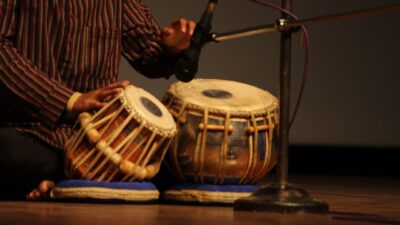
'नागिन' के लिए हेमंत कुमार का संगीत एक अभूतपूर्व उपलब्धि है। इस गीत की पहचान है वह अनोखी 'बीन' की ध्वनि — जो परंपरागत सपेरे के वाद्य से नहीं, बल्कि 'क्लैवियोलीन' नामक इलेक्ट्रॉनिक कीबोर्ड से उत्पन्न की गई थी। यह वाद्य यंत्र उस समय यूरोपीय लोकप्रिय संगीत में प्रचलित था और हेमंत कुमार ने इसे भारतीय फ़िल्म संगीत में एक नई भूमिका दी। तंत्रियों, तबले और हारमोनियम के साथ मिलकर यह इलेक्ट्रॉनिक स्वर एक ऐसा वातावरण बनाता है जो उस दौर की किसी भी हिंदी फ़िल्म के संगीत से अलग था। रागात्मक दृष्टि से रचना भैरवी और खमाज की छाया में विचरती है — धीमी, ऊँचाई की ओर बढ़ती स्वर-लड़ियाँ सर्प की लहराती चाल की अनुगूँज देती हैं। लता मंगेशकर का स्वर इन मोड़ों को असाधारण सहजता से साधता है।
अंग्रेज़ी में पढ़ें · Read in English
Hemant Kumar's score for Nagin is a singular achievement in Indian film music. The composition's most discussed element — the iconic been sound — was reportedly produced not on a traditional snake-charmer's instrument but on a Clavioline, a monophonic electronic keyboard popular in Europe in the late 1940s and 50s. This hybrid electronic timbre, layered over bowed strings, tabla and harmonium, creates a sonic world unlike anything in contemporary Hindi film music. Melodically the composition moves between the scales of Raag Bhairavi and Raag Khamaj — the languid, ascending phrases evoking a serpent's undulation, the cadences falling back with a sorrowful sweetness. Lata Mangeshkar navigates the curves with effortless precision: breathy in the mukhda's lower range, emphatic on the high swara punctuations, coiling back with characteristic restraint. The arrangement builds subtly — the been prominent in the mukhda, the orchestra swelling behind each antara — producing a trance-like intensity that made this the most-requested song on All India Radio in its year of release.
काव्य The Poetry
राजेंद्र कृष्ण के शब्द मितभाषिता और संवेदना के अद्भुत मेल हैं। 'मन डोले मेरा तन डोले' — मन भी डोले, तन भी डोले — एक ही पंक्ति में नागिन की आत्मचेतना, आध्यात्मिक समाधि और प्रेमोन्माद एक-दूसरे में घुल जाते हैं। कृष्ण के शब्दों में नर्म, गोल ध्वनियाँ हैं — 'मन', 'तन', 'डोले' — जो स्वयं लय की हिचकोले खाती हैं। अंतरों में चाँदनी, जंगल की रात और नज़र की ताक़त से बुनी वह छवि उभरती है जो नागिन को एक साथ शिकारी और शिकार, जादूगरनी और जादू-पड़ी बना देती है। यह ऐसी कविता है जो विस्तार से नहीं, संयम से अपनी गहराई अर्जित करती है।
अंग्रेज़ी में पढ़ें · Read in English
Rajendra Krishna's lyric is a masterwork of economy and sensation. "मन डोले मेरा तन डोले" — mind sways, body sways — the nagini's self-description collapses the distinction between spiritual trance and erotic surrender in a single phrase. Krishna's diction favors soft, rounded sounds: 'man', 'tan', 'dole' — the very words mimic the swaying rhythm of the melody. The verses weave moonlight, forest imagery and the power of the gaze into a portrait of a creature who is simultaneously hunter and hunted, enchantress and enchanted. It is poetry that earns depth through restraint rather than elaboration, leaving the imagination to complete each image.
कहानी The Story
'नागिन' उस दौर में बनाई जा रही थी जब हिंदी सिनेमा अलौकिक विषयों के लिए अपनी शैली तलाश कर रहा था। निर्देशक नंदलाल जसवंतलाल ने वैजयंतीमाला को नागिन की भूमिका दी — एक ऐसा नृत्य-दृश्य जिसके लिए संगीत को सच्चे अर्थों में अलौकिक होना था। सबसे बड़ी चुनौती थी 'बीन' की ध्वनि — पारंपरिक सपेरे का वाद्य उस दौर की रिकॉर्डिंग तकनीक में ऑर्केस्ट्रा के साथ घुल-मिल नहीं पा रहा था। हेमंत कुमार का समाधान — 'क्लैवियोलीन' नामक इलेक्ट्रॉनिक कीबोर्ड का उपयोग — एक प्रतिभाशाली सूझ-बूझ का परिणाम था। इस नई ध्वनि ने 'नागिन' को उसकी पहचान दी और हिंदी फ़िल्म संगीत में इलेक्ट्रॉनिक वाद्य की संभावनाओं के द्वार खोले।
अंग्रेज़ी में पढ़ें · Read in English
Nagin was conceived at a time when Indian cinema was still finding its genre vocabulary for the supernatural. Director Nandlal Jaswantlal cast Vyjayanthimala as the shape-shifting nagini whose dance sequence demanded music of genuine otherworldliness. The central production challenge was the been sound: the authentic snake-charmer's instrument proved difficult to blend with orchestral recording conditions of the era. Hemant Kumar's solution — using a Clavioline, a keyboard-operated electronic instrument — was an act of inspired improvisation. The resulting timbre, neither quite flute nor keyboard but something entirely new, became the sonic signature of the film and one of the most recognizable sounds in all of Hindi cinema. The song's recording at HMV's Bombay studios reportedly required multiple takes to achieve the precise blend between Lata's voice and the electronic instrument.
विरासत The Legacy
"मन डोले मेरा तन डोले" ने हिंदी फ़िल्म संगीत में वे साँचे बनाए जो दशकों बाद भी जीवित हैं। 'बीन' की वह विशेष ध्वनि सर्प और अलौकिक शक्ति की प्रतीक बन गई और आज भी फ़िल्म तथा टेलीविज़न के संगीतकार इसी परंपरा का अनुसरण करते हैं। इस गीत ने 'नागिन' को उस वर्ष की सबसे बड़ी व्यावसायिक सफलताओं में से एक बनाया और वैजयंतीमाला का नृत्य पचास के दशक के सिनेमा की अमर स्मृति बन गया। हेमंत कुमार के क्लैवियोलीन-प्रयोग ने दशकों पहले यह सिद्ध किया कि इलेक्ट्रॉनिक वाद्य भारतीय संगीत में अपनी सार्थक जगह पा सकते हैं। यह गीत आज भी रेडियो, डिजिटल स्ट्रीमिंग और सांस्कृतिक आयोजनों में निरंतर बजता है।
अंग्रेज़ी में पढ़ें · Read in English
"Man Dole Mera Tan Dole" established sonic templates that persist in Hindi film music decades later. The been/electronic-flute timbre became the definitive shorthand for the serpent and the supernatural in Indian film and television scoring. The song catapulted Nagin to blockbuster status and made Vyjayanthimala's dance an enduring image of 1950s Hindi cinema. Hemant Kumar's Clavioline experiment proved that electronic instruments could find an authentic place in Indian film music long before synthesizers became commonplace. The song continues to be performed at cultural programs, has been sampled in multiple decades of Bollywood, and remains a fixture on radio and streaming playlists of Golden Era Hindi music.
वर्गीकरण
Classification- Tempo
- Medium
Genre
अन्य विवरण
More Details- Hindi Film Geet Kosh Vol. 3 (1954 entries) — Har Mandir Singh 'Hamraaz'
- Wikipedia: Nagin (1954 film) — https://en.wikipedia.org/wiki/Nagin_(1954_film)
- Wikipedia: Hemant Kumar — https://en.wikipedia.org/wiki/Hemant_Kumar
- Wikipedia: Lata Mangeshkar — https://en.wikipedia.org/wiki/Lata_Mangeshkar
- Saregama official catalogue listings for Nagin (1954)
References
रोचक तथ्य
Margin Notesनागिन में मशहूर बीन की ध्वनि कथित तौर पर हेमंत कुमार ने क्लैवियोलीन — एक छोटे, पोर्टेबल इलेक्ट्रॉनिक कीबोर्ड वाद्य — पर तैयार की थी, न कि किसी वास्तविक सपेरे की बीन (बांसुरी) से।
अंग्रेज़ी में पढ़ें · Read in English
The iconic been sound in Nagin was reportedly produced by Hemant Kumar on a Clavioline — a small, portable electronic keyboard instrument — rather than an actual snake-charmer's been (flute).
नागिन (1954) अपने वर्ष की सबसे अधिक कमाई करने वाली हिंदी फ़िल्मों में से एक बनी, और इसके संगीत को इसकी बॉक्स-ऑफ़िस सफलता का प्रमुख कारण माना गया।
अंग्रेज़ी में पढ़ें · Read in English
Nagin (1954) became one of the highest-grossing Hindi films of its year, with its music recognised as a primary driver of its box-office success.
वैजयंतीमाला ने इस फ़िल्म के लिए एक विशेष सर्पाकार नृत्य शैली सीखी, जिसमें भरतनाट्यम को लचीली-बलखाती गतियों की एक नई शब्दावली के साथ मिलाया गया था।
अंग्रेज़ी में पढ़ें · Read in English
Vyjayanthimala learned a specific serpentine dance form for this film, blending Bharatanatyam with a new vocabulary of sinuous movement.
इस गीत की ध्वनि-गुणवत्ता ने भारतीय फ़िल्म संगीतकारों की कई पीढ़ियों को प्रभावित किया, जिन्होंने जब भी पर्दे पर सांप या अलौकिक स्त्री पात्र दिखाई दिए, वैसी ही इलेक्ट्रॉनिक बांसुरी ध्वनियों का प्रयोग किया।
अंग्रेज़ी में पढ़ें · Read in English
The song's timbre influenced generations of Indian film composers, who used similar electronic flute sounds whenever snakes or supernatural female characters appeared on screen.
लता मंगेशकर ने हेमंत कुमार को उन संगीतकारों में से एक बताया है जिनके साथ काम करना सबसे सहज लगा, यह कहते हुए कि मानव स्वर की उनकी गहरी समझ हर रिकॉर्डिंग सत्र को सरल बना देती थी।
अंग्रेज़ी में पढ़ें · Read in English
Lata Mangeshkar has cited Hemant Kumar as one of the most sympathetic composers she worked with, saying his deep understanding of the human voice made every recording session feel effortless.
नमूना-पट्टी
The Specimen Table| शीर्षक | मन डोले मेरा तन डोले · Man Dole Mera Tan Dole |
|---|---|
| वर्ष · युग | 1954 — Golden Era |
| गायक | Lata Mangeshkar |
| गीतकार | राजेंद्र कृष्ण |
| संगीतकार | Hemant Kumar |
| स्वरूप | एकल महिला |
| गति | मध्यम |
| अवधि | circa 3:30 |
| भाषा | Hindi · Urdu |
| वाद्य | been · violin · tabla · harmonium |
| भाव | अविस्मरणीय · Mystical · रोमांटिक |
| लोकप्रियता | Legendary |
| बोल-स्थिति | केवल झलक |
जुड़े हुए पन्ने
Connected Plates · The Graph Made Visibleअटलस में कोई पन्ना अकेला नहीं — इस गीत से जुड़े गीत, कलाकार, फ़िल्म, राग-ताल-विधा, सब यहाँ से खुलते हैं।
मिलते-जुलते गीत · Related Songs
कलाकार · The Artists
युग · The Era
साझा कीजिए · Share this Plate
यह पन्ना आगे बढ़ाइए
हेमंत कुमार ने एक इलेक्ट्रॉनिक यंत्र को दुनिया के सबसे पुराने वाद्य की तरह बजाने का रास्ता ढूँढ निकाला।
Hemant Kumar found a way to make an electronic keyboard sound like the oldest instrument in the world.
— Music scholars on the Nagin been sound
सवाल-जवाब
Questions & Answersनागिन (1954) में बीन की वह मशहूर ध्वनि क्या है और इसे कैसे बनाया गया था? · What is the iconic been sound in Nagin (1954) and how was it created?
नागिन की वह सम्मोहक बीन की ध्वनि वास्तव में एक इलेक्ट्रॉनिक कीबोर्ड यंत्र 'क्लैवियोलीन' पर बजाई गई थी, न कि असली सपेरे की बीन पर। हेमंत कुमार के इस प्रयोग ने हिंदी फ़िल्म संगीत को उसकी सबसे पहचानी जाने वाली ध्वनियों में से एक दी।
The haunting been (snake-charmer's flute) sound in Nagin is widely believed to have been produced by Hemant Kumar on a Clavioline — an early electronic keyboard instrument — rather than a real been. This hybrid sound became one of the most recognisable timbres in all of Hindi film music.
'मन डोले मेरा तन डोले' किसने गाया था? · Who sang 'Man Dole Mera Tan Dole'?
यह गीत लता मंगेशकर ने गाया था — 1954 की फ़िल्म 'नागिन' में वैजयंतीमाला के लिए पार्श्व गायन। संगीत हेमंत कुमार का था और बोल राजेंद्र कृष्ण के।
The song was sung by Lata Mangeshkar as playback for actress Vyjayanthimala in the 1954 film Nagin. Music was composed by Hemant Kumar and lyrics were written by Rajendra Krishna.
क्या 'मन डोले मेरा तन डोले' किसी शास्त्रीय राग पर आधारित है? · Is Man Dole Mera Tan Dole based on a classical raag?
यह रचना भैरवी और खमाज राग की स्वर-संरचना से प्रेरणा लेती है, जो इसे एक धीमी, सम्मोहक गुणवत्ता देती है। यह कोई शुद्ध शास्त्रीय बंदिश नहीं है लेकिन राग-प्रेरित स्वर-क्रम से सर्प की लहराती चाल को साकार करती है।
The composition draws on scales associated with Raag Bhairavi and Raag Khamaj, giving it a languid, haunting quality. It is not a strict classical bandish but uses raag-inspired melodic movement to evoke the serpent's sway.
हिंदी फ़िल्मों में बीन की ध्वनि साँप से इतनी जुड़ी क्यों है? · Why is the been sound so associated with snakes in Hindi films?
सपेरे परंपरागत रूप से बीन बजाकर टोकरी के कोबरे को 'मोहते' हुए दिखते हैं। जब 'नागिन' (1954) ने इस ध्वनि को अपनी पहचान बनाया और भारी सफलता मिली, तब बाद की फ़िल्मों ने भी इसी संबंध को अपनाया — और बीन की ध्वनि सर्प तथा अलौकिक स्त्री-शक्ति की पहचान बन गई।
Snake charmers (saperas) traditionally use the been to appear to 'charm' cobras in their baskets. When Nagin (1954) used this sound as its musical signature to stunning commercial success, later films adopted the same association, making the been sound a permanent cinematic shorthand for serpents and supernatural female power.
क्या 'मन डोले मेरा तन डोले' ऑनलाइन सुना या देखा जा सकता है? · Can I watch or stream Man Dole Mera Tan Dole online?
हाँ — यह गीत यूट्यूब (खोजें 'Man Dole Mera Tan Dole Lata Nagin 1954'), जियोसावन, गाना और स्पॉटिफ़ाई पर उपलब्ध है। भारत में ध्वनि-रिकॉर्डिंग का कॉपीराइट 60 वर्षों के बाद समाप्त होता है, इसलिए 1954 की यह ध्वनि-रिकॉर्डिंग अब सार्वजनिक संपत्ति (पब्लिक डोमेन) है।
Yes — the song is available on YouTube (search 'Man Dole Mera Tan Dole Lata Nagin 1954'), JioSaavn, Gaana and Spotify as part of the Saregama/HMV catalogue. The sound recording is in the public domain in India (published 1954, 60-year protection expired 2014).