गीत विंग · गीत-पट्टिका · Song Plate
जाएँ तो जाएँ कहाँ
Jaayein Toh Jaayein Kahan
स्वर्णिम युग के हिंदी फ़िल्म गीत का सबसे एकाकी सवाल — और तलत महमूद उसे सबसे कोमल आवाज़ में पूछते हैं।
भावLonely · उदास · दार्शनिक
भाषाUrdu · Hindi गतिधीमी स्वरूपएकल पुरुष
श्रेय
The Creditsबोल · The Lyrics
बोल — झलक · Lyrics Preview
समझेगा कौन यहाँ
दर्द भरे दिल की ज़ुबाँ
जाएँ तो जाएँ कहाँ
samjhega kaun yahan
dard bhare dil ki zubaan
jaayein toh jaayein kahan
कॉपीराइट के कारण केवल झलक — पूरे बोल आधिकारिक मंचों पर।
शब्दकोश
Word Meaningsसूत्र-वाक्य · The Hook
सूत्र-वाक्य
स्वर्णिम युग के हिंदी फ़िल्म गीत का सबसे एकाकी सवाल — और तलत महमूद उसे सबसे कोमल आवाज़ में पूछते हैं।
In EnglishThe loneliest question in all of Golden Era Hindi film song — and Talat Mahmood gives it the most tender answer.
पट्टिका-लेख
The Monographपरिचय Overview
'टैक्सी ड्राइवर' (1954) का गीत 'जाएँ तो जाएँ कहाँ' तलत महमूद की परिभाषक रिकॉर्डिंग और स्वर्णिम युग के हिंदी फ़िल्म संगीत के सबसे सुंदर एकल विलाप-गीतों में से एक माना जाता है। निर्देशक चेतन आनंद की यथार्थवादी शहरी फ़िल्म — जिसमें देव आनंद मुख्य भूमिका में थे — ने संगीतकार एस.डी. बर्मन और गीतकार साहिर लुधियानवी को एक अस्तित्वगत उदासी का गीत रचने का अवसर दिया: जब यहाँ कोई दर्द भरे दिल की ज़बान समझने वाला न हो तो आख़िर जाएँ तो जाएँ कहाँ? बर्मन की धुन — भैरवी स्वरों और विरल तंत्रियों पर टिकी — एकाकीपन का एक सटीक कक्ष बनाती है, और तलत महमूद की अतुलनीय कोमल आवाज़ साहिर के उर्दू दर्द को एक ऐसी मानवीयता देती है जो परदे की परिस्थिति से परे जाती है।
अंग्रेज़ी में पढ़ें · Read in English
"Jaayein Toh Jaayein Kahan" from Taxi Driver (1954) is widely regarded as one of Talat Mahmood's definitive recordings and among the finest melancholic solos of Indian film music's Golden Era. Director Chetan Anand's urban-realist film — starring Dev Anand — gave composer S.D. Burman and lyricist Sahir Ludhianvi occasion to create a song of existential desolation: where does the aching heart go when no one around can understand its language? Burman's composition, built on Bhairavi-tinged scales with spare strings and minimal percussion, creates a chamber of perfect sadness, while Talat Mahmood's incomparably tender voice gives Sahir's Urdu despair a humanity that transcends the screen situation. Released on HMV, the song became an instant touchstone of solitary sorrow and remains beloved by connoisseurs of Golden Era music.
संगीत The Music
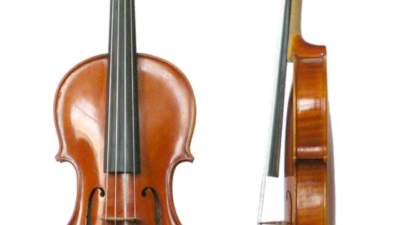
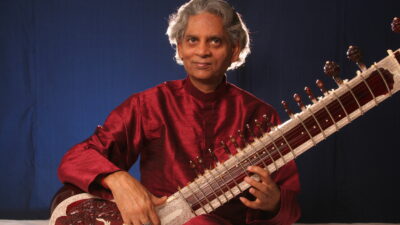
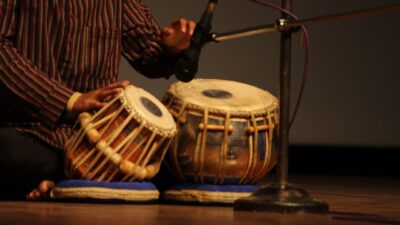
'जाएँ तो जाएँ कहाँ' के लिए एस.डी. बर्मन की रचना संयम की शक्ति का एक अध्ययन है। संगीत-संयोजन जानबूझकर विरल रखा गया है — एक स्थायी वायलिन-लहरी, एक हल्की तबले की ताल, न्यूनतम हार्मोनिक रंग — एक ऐसा स्वर-स्थान बनाते हुए जो गीत के भावनात्मक परिदृश्य जितना ही खाली और गूँजता-भरा लगता है। रचना भैरवी-सदृश स्वर-क्रम में विचरती है जो बिना किसी औपचारिक शास्त्रीय प्रस्तुति के एक स्वाभाविक विलाप-भाव देती है। बर्मन की रचना तलत महमूद की आवाज़ के लिए इतनी सटीक है — उसकी सीमा, उसकी गति, उसका भावात्मक विस्तार — जैसे दोनों एक ही अंतर्मन से बोल रहे हों।
अंग्रेज़ी में पढ़ें · Read in English
S.D. Burman's composition for 'Jaayein Toh Jaayein Kahan' is a study in the power of restraint. The arrangement is purposefully sparse — a sustained violin melody, a light tabla keeping gentle time, minimal harmonic colour — creating a sonic space that feels as empty and echoing as the song's emotional territory. The composition hovers in a Bhairavi-adjacent scale, giving it a natural quality of melancholic yearning without ever feeling like a formal classical performance. What makes the composition exceptional is how perfectly it serves Talat Mahmood's voice: its range, its pace of delivery, its emotional arc all calibrated to draw out the full potential of that uniquely expressive instrument. Burman and Talat had worked together before, but this song marks their partnership at its most refined — two artists who fully understood each other.
काव्य The Poetry
साहिर लुधियानवी की रचना उनके एक परिभाषक विषय को क्रिस्टलाइज़ करती है: एक उदासीन दुनिया में अलग-थलग पड़ा व्यक्ति। बार-बार लौटता सवाल 'जाएँ तो जाएँ कहाँ' एक फ़िल्मी स्थिति को एक सार्वभौमिक एकाकीपन के अस्तित्वगत बयान में बदल देता है। 'समझेगा कौन यहाँ / दर्द भरे दिल की ज़ुबाँ' — यह शेर साहिर की सबसे गहरी चिंता को पकड़ता है: न समझे जाने का दर्द। फ़िल्म के सन्दर्भ में यह एक विशिष्ट रोमांटिक निराशा की बात है, लेकिन साहिर की भाषा इसे हर तरह की मानवीय एकाकीता तक पहुँचाती है। यह उनके सबसे मितभाषी और विनाशकारी गीतों में से एक है।
अंग्रेज़ी में पढ़ें · Read in English
Sahir Ludhianvi's lyric crystallizes one of his defining preoccupations: the alienated individual in an indifferent world. The recurring question 'जाएँ तो जाएँ कहाँ' (where to go if one must go?) transforms a film situation into an existential statement of universal loneliness. 'समझेगा कौन यहाँ / दर्द भरे दिल की ज़ुबाँ' (who here will understand / the language of a pain-filled heart?) — this couplet captures Sahir's most characteristic concern: the pain of not being understood. In the film's context the song refers to a specific romantic despair, but Sahir's language ensures it speaks to every form of human isolation. It is one of his most economical and devastating lyrics.
कहानी The Story
'टैक्सी ड्राइवर' (1954) का निर्देशन चेतन आनंद (देव आनंद के बड़े भाई) ने किया और यह फ़िल्म मुख्यधारा के हिंदी सिनेमा में सामाजिक यथार्थवाद की दिशा में एक महत्वपूर्ण क़दम था। बम्बई में एक टैक्सी-चालक की अपराध और प्रेम के बीच उलझी कहानी ने साहिर लुधियानवी और एस.डी. बर्मन को खिलंदड़े और गहरे भावनात्मक गीतों दोनों के लिए एक उचित परिवेश दिया। इस गीत के लिए तलत महमूद का चुनाव तीक्ष्ण बुद्धिमत्ता था: उनकी आवाज़ में वह विशेष कंपन और असाधारण गर्माहट थी जो साहिर के लिखे उस एकाकीपन के लिए आदर्श थी। 1954 तक तलत महमूद हिंदी फ़िल्म विलाप के सर्वोच्च आवाज़ के रूप में जाने जाते थे।
अंग्रेज़ी में पढ़ें · Read in English
Taxi Driver (1954) was directed by Chetan Anand (elder brother of Dev Anand) and represented a significant step in the direction of social realism in popular Hindi cinema. The film's story of a taxi driver navigating crime and romance in Bombay gave Sahir Ludhianvi and S.D. Burman a context for both playful songs and moments of genuine emotional depth. The choice of Talat Mahmood for this song was characteristically astute: Talat's voice, with its distinctive slight tremolo and extraordinary warmth, was the ideal instrument for the desolation Sahir had written. Talat Mahmood was already known as the premier voice of filmi melancholy by 1954, and this recording confirmed his pre-eminence in that emotional register.
विरासत The Legacy
'जाएँ तो जाएँ कहाँ' तलत महमूद के कैरियर के landmark गीतों और हिंदी सिनेमा के इतिहास में सबसे उत्कृष्ट एकाकी-विलाप गीतों में से एक माना जाता है। यह साहिर लुधियानवी की कविता और एस.डी. बर्मन की रचनाओं दोनों के पूर्वावलोकनों में नियमित रूप से उद्धृत होता है। इस गीत को बाद के दशकों में कई कलाकारों ने कवर किया है लेकिन तलत महमूद का मूल रिकॉर्डिंग एक ऐसा अधिकार रखता है जो सभी तुलनाओं को निरर्थक बना देता है।
अंग्रेज़ी में पढ़ें · Read in English
"Jaayein Toh Jaayein Kahan" is considered one of the landmark songs of Talat Mahmood's career and one of the finest melancholic film songs in Hindi cinema's history. It is regularly cited in retrospectives of both Sahir Ludhianvi's poetry and S.D. Burman's compositions, and remains a defining example of the capacity of Hindi film song in the Golden Era to achieve genuine literary and musical depth. The song has been covered by numerous artists in subsequent decades but the original Talat Mahmood recording retains an authority that makes all comparisons redundant. It is among the songs most frequently requested on All India Radio's classical film-music programmes.
वर्गीकरण
Classification- Tempo
- Slow
Genre
अन्य विवरण
More Details- Hindi Film Geet Kosh Vol. 3 (1954) — Har Mandir Singh 'Hamraaz'
- Wikipedia: Taxi Driver (1954 film) — https://en.wikipedia.org/wiki/Taxi_Driver_(1954_film)
- Wikipedia: Talat Mahmood — https://en.wikipedia.org/wiki/Talat_Mahmood
- Wikipedia: Sahir Ludhianvi — https://en.wikipedia.org/wiki/Sahir_Ludhianvi
- Wikipedia: Sachin Dev Burman — https://en.wikipedia.org/wiki/Sachin_Dev_Burman
References
रोचक तथ्य
Margin Notesसाहिर लुधियानवी और एस.डी. बर्मन की साझेदारी 1950 के दशक की सबसे प्रशंसित रचनात्मक जोड़ियों में से एक थी, जिसने कई फ़िल्मों में दर्जनों उत्कृष्ट कृतियाँ रचीं, इससे पहले कि दोनों के बीच प्रसिद्ध अनबन हो गई।
अंग्रेज़ी में पढ़ें · Read in English
Sahir Ludhianvi and S.D. Burman's collaboration was one of the most celebrated creative partnerships of the 1950s, producing dozens of masterpieces across multiple films before the two famously fell out.
तलत महमूद की आवाज़ में एक स्वाभाविक हल्का कंपन था जो उनके दुःखभरे गीतों को लगभग असहनीय कोमलता देता था; यह प्रभाव इस रिकॉर्डिंग में विशेष रूप से उभर कर आता है।
अंग्रेज़ी में पढ़ें · Read in English
Talat Mahmood's voice had a natural slight tremolo that gave his sad songs an almost unbearable tenderness; the effect is especially pronounced in this recording.
देव आनंद ऊर्जावान गीतों के लिए किशोर कुमार और रोमांटिक गीतों के लिए रफ़ी को प्राथमिकता देने के लिए जाने जाते थे; इस विषाद-गीत के लिए तलत का चुनाव एक विशेष रचनात्मक निर्णय था जो दूरदर्शी साबित हुआ।
अंग्रेज़ी में पढ़ें · Read in English
Dev Anand was known for preferring Kishore Kumar for more energetic songs and Rafi for romantic numbers; the choice of Talat for this lament was a specific creative decision that proved prescient.
टैक्सी ड्राइवर (1954) चेतन आनंद की सामाजिक-यथार्थवादी फ़िल्म-निर्माण में रुचि का प्रारंभिक प्रमाण थी, एक ऐसा रास्ता जिसे वे नीचा नगर और हक़ीक़त जैसी फ़िल्मों में आगे भी खंगालते रहे।
अंग्रेज़ी में पढ़ें · Read in English
Taxi Driver (1954) represented early evidence of Chetan Anand's interest in social-realist filmmaking, a path he would continue to explore in films like Neecha Nagar and Haqeeqat.
The song's first word 'जाएँ' beginning with 'ज' makes it a favourite in antakshari for that particular letter.
नमूना-पट्टी
The Specimen Table| शीर्षक | जाएँ तो जाएँ कहाँ · Jaayein Toh Jaayein Kahan |
|---|---|
| वर्ष · युग | 1954 — Golden Era |
| गायक | Talat Mahmood |
| गीतकार | Sahir Ludhianvi |
| संगीतकार | S.D. Burman |
| स्वरूप | एकल पुरुष |
| गति | धीमी |
| अवधि | circa 4:00 |
| भाषा | Urdu · Hindi |
| वाद्य | violin · sitar · tabla · harmonium |
| भाव | Lonely · उदास · दार्शनिक |
| लोकप्रियता | Legendary |
| बोल-स्थिति | केवल झलक |
जुड़े हुए पन्ने
Connected Plates · The Graph Made Visibleअटलस में कोई पन्ना अकेला नहीं — इस गीत से जुड़े गीत, कलाकार, फ़िल्म, राग-ताल-विधा, सब यहाँ से खुलते हैं।
मिलते-जुलते गीत · Related Songs
कलाकार · The Artists
युग · The Era
साझा कीजिए · Share this Plate
यह पन्ना आगे बढ़ाइए
इस गीत में तलत महमूद उदासी का अभिनय नहीं कर रहे — वे स्वयं उदासी हैं, ध्वनि में अभिव्यक्त।
Talat Mahmood in this song is not acting sadness — he is sadness itself, articulated in sound.
— Music critic Prayag Raj on Talat Mahmood's style
सवाल-जवाब
Questions & Answers'जाएँ तो जाएँ कहाँ' किस फ़िल्म का गीत है? · What film is 'Jaayein Toh Jaayein Kahan' from?
यह गीत 1954 की फ़िल्म 'टैक्सी ड्राइवर' का है, जिसे चेतन आनंद ने निर्देशित किया था और देव आनंद मुख्य भूमिका में थे। संगीत एस.डी. बर्मन का, बोल साहिर लुधियानवी के और आवाज़ तलत महमूद की थी।
The song is from Taxi Driver (1954), directed by Chetan Anand and starring Dev Anand. Music was by S.D. Burman, lyrics by Sahir Ludhianvi, and the song was sung by Talat Mahmood.
तलत महमूद को 'दर्दीले गीतों का बादशाह' क्यों कहा जाता है? · Why is Talat Mahmood considered the 'king of sad songs'?
तलत महमूद की आवाज़ में एक विशेष, हल्का प्राकृतिक कंपन था और एक असाधारण गर्माहट जो दर्द भरे गीतों को एक असहनीय कोमलता देती थी। 'जाएँ तो जाएँ कहाँ' जैसे गीत उनकी उस अनूठी क्षमता का प्रमाण हैं जो लिखे हुए दर्द को शुद्ध मानवीय अनुभूति में बदल देती थी।
Talat Mahmood's voice had a distinctive, slight natural tremolo and an extraordinary warmth that gave melancholic songs an almost unbearable tenderness. Songs like 'Jaayein Toh Jaayein Kahan' demonstrate his unique capacity to translate written despair into pure human feeling.
एस.डी. बर्मन और साहिर लुधियानवी ने कैसे काम किया? · How did S.D. Burman and Sahir Ludhianvi work together?
एस.डी. बर्मन और साहिर लुधियानवी 1950 के दशक की हिंदी फ़िल्म संगीत की सबसे प्रसिद्ध संगीतकार-गीतकार जोड़ियों में से एक थे। बर्मन अक्सर पहले धुन बनाते और साहिर उस पर शब्द लिखते — या साहिर का भाव-कविता मधुर दिशा को प्रेरित करता। 1950 के दशक के अंत में उनकी जोड़ी टूट गई, एक बिछड़न जिसने दोनों ओर दुख छोड़ा।
S.D. Burman and Sahir Ludhianvi were one of Hindi film music's most celebrated composer-lyricist pairs in the 1950s. Burman would often compose a tune first and Sahir would write words to fit — or Sahir's mood poem would inspire the melodic direction. Their partnership ended acrimoniously in the late 1950s, a split that created two devastated creative camps.