गीत विंग · गीत-पट्टिका · Song Plate
झूम रही झूम रही ख़ुशियों की नाव आज
Jhoom Rahi Jhoom Rahi Khushiyon Ki Naav Aaj
सुरैया ने अपने लिए गाया — और जब उन्होंने ख़ुशी गाई, तो हर सुर सच्चा लगा।
भावउत्सव · आनंदित · रोमांटिक
भाषाHindi · Urdu गतिMedium-Fast स्वरूपएकल महिला
श्रेय
The Creditsबोल · The Lyrics
बोल — झलक · Lyrics Preview
आई है लहरों पे दिल की आज
झूम रहे झूम रहे सारे ही सपने मेरे
मिलने की है ख़ुशी बड़ी आज
Aai hai lahron pe dil ki aaj
Jhoom rahe jhoom rahe saare hi sapne mere
Milne ki hai khushi badi aaj
कॉपीराइट के कारण केवल झलक — पूरे बोल आधिकारिक मंचों पर।
शब्दकोश
Word Meaningsसूत्र-वाक्य · The Hook
सूत्र-वाक्य
सुरैया ने अपने लिए गाया — और जब उन्होंने ख़ुशी गाई, तो हर सुर सच्चा लगा।
In EnglishSuraiya sang for herself — and when she sang joy, you believed every note.
पट्टिका-लेख
The Monographपरिचय Overview
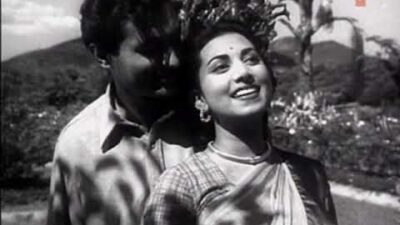
'विद्या' (१९४८, निर्देशक: गिरीश त्रिवेदी; अभिनेता: देव आनंद, सुरैया, मदन पुरी) का यह गीत सुरैया की ख़ुशमिज़ाज आवाज़ को उसके सबसे उन्मुक्त रूप में दिखाता है। सुरैया उस दौर की अनूठी कलाकार थीं — वे अपनी सभी फ़िल्मों में ख़ुद के लिए पार्श्व गायन करती थीं, जिससे उनके परदे के व्यक्तित्व में एक असाधारण एकता थी। एस.डी. बर्मन — जो त्रिपुरा से १९४६ में बंबई आए थे — अपने शुरुआती बंबई दौर की मधुरता और हल्केपन के साथ इस गीत में उपस्थित हैं।
अंग्रेज़ी में पढ़ें · Read in English
From Vidya (1948) — directed by Girish Trivedi, starring Dev Anand, Suraiya, and Madan Puri, with all music composed by S.D. Burman — 'Jhoom Rahi Jhoom Rahi Khushiyon Ki Naav Aaj' shows Suraiya at her most exuberant. Suraiya was unique among Hindi film actresses: she provided her own playback in all her films, which gave her screen persona an unusual coherence between what was seen and what was heard. S.D. Burman — who had arrived in Bombay from Tripura in 1946 and was establishing himself in Hindi cinema — brings a lightness and melodic freshness to this number that is characteristic of his early Bombay output.
संगीत The Music
एस.डी. बर्मन की रचना एक उछालदार, लहर-जैसी लय में चलती है जो गीत की नौका-छवि से मेल खाती है। सरल, ऊपर-नीचे जाने वाली धुन में एक सहजता है — बर्मन की बंगाली संगीत-शिक्षा ने उन्हें हल्की, गेय धुनों में एक कुशलता दी जो ग़ुलाम हैदर या हुसनलाल-भगतराम की पंजाबी लोक-ऊर्जा से भिन्न थी। सुरैया की आवाज़ — स्वाभाविक रूप से गर्म और हल्की-सी भारीपन लिए — ख़ुशी और दुःख दोनों को समान रूप से जीवंत कर सकती थी।
अंग्रेज़ी में पढ़ें · Read in English
S.D. Burman's composition moves with a buoyant, wave-like rhythm that matches the nautical imagery of the lyrics. The song is structured around a simple ascending-descending melodic phrase that has the quality of effortlessness — Burman's Bengali musical training gave him a facility with light, lyrical melodies that was distinct from the Punjabi folk energy of contemporaries like Ghulam Haider or Husnlal-Bhagatram. Suraiya's voice — naturally warm and carrying a slight huskiness — suited joyful material as well as it suited melancholic material, which is rare.
काव्य The Poetry
यशोदानंदन जोशी के बोल ख़ुशी की नाव की छवि के इर्द-गिर्द बुने हैं — एक सरल, दृश्यात्मक रूपक जो गायन के लिए आदर्श है। दुहराई जाने वाली 'झूम रही' एक पाठ्यपुस्तक उदाहरण है कि हिंदी फ़िल्मी गीतों में टेक (refrain) कैसे एक साथ गति और भाव दोनों बनाती है।
अंग्रेज़ी में पढ़ें · Read in English
Yashodanandan Joshi's lyric works through the image of a boat (naav) carrying joy — a simple, visual metaphor that lends itself perfectly to sung performance. The repeated 'jhoom rahi' (swaying/swaying) is a textbook example of the refrain structure in Hindi film songs: the repetition builds momentum and mood simultaneously.
कहानी The Story
'विद्या' (१९४८) देव आनंद और एस.डी. बर्मन दोनों के लिए हिंदी फ़िल्म करियर की एक महत्वपूर्ण प्रारंभिक फ़िल्म थी। देव आनंद ने बंबई में अपना करियर १९४६ में शुरू किया था; बर्मन उसी दौर में त्रिपुरा से आए थे। उनकी आगे की जुगलबंदी — 'नौ दो ग्यारह', 'गाइड', 'ज्वेल थीफ़' — हिंदी सिनेमा की सबसे मशहूर अभिनेता-संगीतकार साझेदारियों में से एक बनेगी। उस समय सुरैया वास्तव में इनसे बड़ी सितारा थीं।
अंग्रेज़ी में पढ़ें · Read in English
Vidya (1948) was an important early film for both Dev Anand and S.D. Burman in their respective Hindi film careers. Dev Anand had begun his Bombay career only in 1946; S.D. Burman had arrived from Tripura in the same period. Their collaboration through the 1940s-50s would become one of Hindi cinema's most celebrated actor-composer partnerships (Nau Do Gyarah, Guide, Jewel Thief, etc.). Suraiya was, at this point, actually the bigger star — she was one of the most popular actresses and singers of 1946-1950.
विरासत The Legacy
'विद्या' (१९४८) देव आनंद-एस.डी. बर्मन-सुरैया की तिकड़ी की एक प्रारंभिक कड़ी के रूप में याद की जाती है। इस फ़िल्म की IMDB रेटिंग ८.१ है — यानी यह आज भी उन लोगों के मन में है जो पुराने हिंदी सिनेमा से प्यार करते हैं। बर्मन के इस फ़िल्म के गीत उनके हिंदी फ़िल्म आउटपुट के शुरुआती उदाहरण हैं।
अंग्रेज़ी में पढ़ें · Read in English
Vidya (1948) is remembered as an early landmark in the Dev Anand–S.D. Burman–Suraiya constellation. The film has an IMDB rating of 8.1, suggesting it retains genuine affection from classic Hindi film enthusiasts. S.D. Burman's songs from this film are among the earliest examples of his Hindi film output and show the characteristics that would define his later masterpieces.
वर्गीकरण
Classification- Tempo
- Medium-Fast
Genre
अन्य विवरण
More Details- Wikipedia — Vidya (film)
- IMDB — Vidya (1948)
- Hindigeetmala — Vidya (1948) songs
- Songs of Yore — 'Suraiya's songs by SD Burman' (https://www.songsofyore.com/suraiyas-songs-by-sd-burman/)
- Wikipedia — Suraiya
References
रोचक तथ्य
Margin Notesसुरैया प्रमुख हिंदी फिल्म अभिनेत्रियों में इस मायने में विशिष्ट थीं कि वे अपना सारा पार्श्वगायन स्वयं करती थीं — उन्होंने अपने पूरे करियर में कभी अलग पार्श्वगायिका का उपयोग नहीं किया।
अंग्रेज़ी में पढ़ें · Read in English
Suraiya was unique among leading Hindi film actresses in that she sang all her own playback — she never used a separate playback singer throughout her career.
देव आनंद और सुरैया का वास्तविक जीवन में एक प्रेम-प्रसंग था जो दुखद रूप से समाप्त हुआ जब उनके परिवार ने धार्मिक आधार पर आपत्ति जताई। यह व्यक्तिगत इतिहास उनकी 1948 की साथ की फिल्मों में एक मार्मिकता जोड़ता है।
अंग्रेज़ी में पढ़ें · Read in English
Dev Anand and Suraiya had a real-life romance that ended tragically when his family objected on religious grounds. This personal history adds poignancy to their 1948 films together.
एस.डी. बर्मन (1906–1975) त्रिपुरा से बंबई केवल 1946 के आसपास आए, जिससे विद्या (1948) उनकी शुरुआती हिंदी फिल्मी रचनाओं में से एक बन गई।
अंग्रेज़ी में पढ़ें · Read in English
S.D. Burman (1906–1975) arrived in Bombay from Tripura only around 1946, making Vidya (1948) one of his earliest Hindi film compositions.
विद्या (1948) की आईएमडीबी रेटिंग 8.1 है, जो 1948 की फिल्म के लिए असामान्य रूप से उच्च है — जो बताता है कि यह अभी भी क्लासिक हिंदी फिल्म प्रेमियों के बीच पसंदीदा बनी हुई है।
अंग्रेज़ी में पढ़ें · Read in English
Vidya (1948) has an IMDB rating of 8.1, unusually high for a 1948 film — suggesting it remains beloved among classic Hindi film enthusiasts.
यशोदानंदन जोशी ने विद्या (1948) के कई गीतों के बोल अन्य गीतकारों के साथ मिलकर लिखे; फिल्म में एक बड़ा संगीत समूह था।
अंग्रेज़ी में पढ़ें · Read in English
Yashodanandan Joshi wrote lyrics for multiple songs in Vidya (1948), alongside other lyricists; the film had a large musical ensemble.
नमूना-पट्टी
The Specimen Table| शीर्षक | झूम रही झूम रही ख़ुशियों की नाव आज · Jhoom Rahi Jhoom Rahi Khushiyon Ki Naav Aaj |
|---|---|
| वर्ष · युग | 1948 — Golden Era |
| गायक | Suraiya |
| गीतकार | यशोदानंदन जोशी |
| संगीतकार | S.D. Burman |
| स्वरूप | एकल महिला |
| गति | Medium-Fast |
| अवधि | circa 3:00 |
| भाषा | Hindi · Urdu |
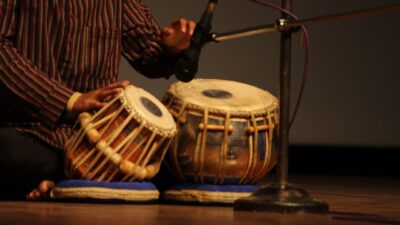
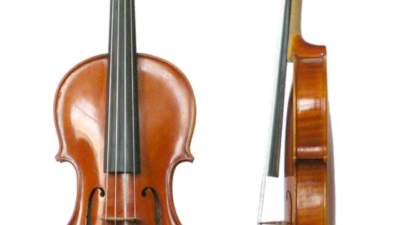
| वाद्य | harmonium · tabla · violin · instrument-flute |
| भाव | उत्सव · आनंदित · रोमांटिक |
| लोकप्रियता | Known |
| बोल-स्थिति | केवल झलक |
जुड़े हुए पन्ने
Connected Plates · The Graph Made Visibleअटलस में कोई पन्ना अकेला नहीं — इस गीत से जुड़े गीत, कलाकार, फ़िल्म, राग-ताल-विधा, सब यहाँ से खुलते हैं।
मिलते-जुलते गीत · Related Songs
कलाकार · The Artists
युग · The Era
साझा कीजिए · Share this Plate
यह पन्ना आगे बढ़ाइए
सुरैया ने अपनी हर फ़िल्म में ख़ुद गाया — वे सिर्फ़ गाने वाली अभिनेत्री नहीं थीं, बल्कि अभिनय करने वाली गायिका थीं।
Suraiya sang her own songs in every film she ever made — she was not just an actress who sang but a singer who acted.
— editorial reflection
सवाल-जवाब
Questions & Answersक्या सुरैया वाक़ई अपनी फ़िल्मों में ख़ुद गाती थीं? · Did Suraiya really sing her own songs in films?
हाँ — हिंदी सिनेमा में सुरैया अनूठी थीं। उन्होंने अपनी हर फ़िल्म में ख़ुद पार्श्व गायन किया — अलग गायिका कभी नहीं ली, जिससे उनका परदे पर होना एक निजी अनुभव था।
Yes — Suraiya was unique in Hindi cinema in that she personally sang all her own playback. She never used a separate playback singer, making her screen presence distinctly personal.
सुरैया और देव आनंद के बीच क्या संबंध था? · What is the connection between Suraiya and Dev Anand?
सुरैया और देव आनंद के बीच १९४० के दशक के अंत में साथ फ़िल्मों में काम करते हुए एक प्रेम-सम्बंध था। यह रिश्ता तब टूटा जब देव आनंद के परिवार ने धार्मिक कारणों से आपत्ति जताई (सुरैया मुसलमान थीं, देव आनंद हिंदू)। वे कभी नहीं मिले, और यह अधूरा प्यार दोनों के जीवन पर छाया रहा।
Suraiya and Dev Anand had a real-life romance while making films together in the late 1940s. The relationship ended when Dev Anand's family objected on religious grounds (Suraiya was Muslim, Dev Anand was Hindu). They never married, and both their personal lives were marked by this unfulfilled love.