गीत विंग · गीत-पट्टिका · Song Plate
हुए हम जिनके लिए बर्बाद
Hue Hum Jinke Liye Barbaad
किसी भी इंसान का सबसे दर्दनाक हिसाब — मैं तुम्हारे लिए बर्बाद हुआ, और शायद तुम्हें याद भी न हो।
भावमीठा-कड़वा · उदास · दार्शनिक
भाषाUrdu · Hindi गतिधीमी स्वरूपएकल पुरुष
श्रेय
The Creditsबोल · The Lyrics
बोल — झलक · Lyrics Preview
वो हमें याद भी हैं, याद भी नहीं
Vo hamein yaad bhi hain, yaad bhi nahin
कॉपीराइट के कारण केवल झलक — पूरे बोल आधिकारिक मंचों पर।
शब्दकोश
Word Meaningsसूत्र-वाक्य · The Hook
सूत्र-वाक्य
किसी भी इंसान का सबसे दर्दनाक हिसाब — मैं तुम्हारे लिए बर्बाद हुआ, और शायद तुम्हें याद भी न हो।
In EnglishThe most heartbreaking balance sheet a man can write — I was ruined for you, and you may not even remember.
पट्टिका-लेख
The Monographपरिचय Overview
"हुए हम जिनके लिए बर्बाद" — 1951 की दीदार के नौशाद के अद्भुत संगीत-संग्रह की सबसे शांत और तबाहकुन रचनाओं में से एक है। तलत महमूद की कँपकँपाती, ग़ज़ल-रंजित आवाज़ इस तरह के दर्द को व्यक्त करने के लिए अद्वितीय थी। शकील बदायूँनी का उर्दू-समृद्ध गीत यहाँ अपने भावनात्मक सटीकतम रूप में है। नौशाद की न्यूनतम लेकिन अत्यंत केंद्रित शैली, भैरवी के भावात्मक परिदृश्य पर आधारित सारंगी और वायलिन — सब मिलकर एक ऐसी अनुभूति बनाते हैं जो सुनने वाले के भीतर बहुत देर तक रहती है।
अंग्रेज़ी में पढ़ें · Read in English
"Hue Hum Jinke Liye Barbaad" is one of the most quietly devastating songs from Naushad's outstanding Deedar (1951) soundtrack, sung by Talat Mahmood — whose tremulous, ghazal-inflected tenor was uniquely suited to expressing this particular kind of resigned grief — and featuring Shakeel Badayuni's Urdu-rich lyric at its most emotionally precise. Released on HMV, this slow, sarangi-and-violin-led lament is a masterclass in the Naushad method: minimal but highly concentrated, drawing on the emotional palette of Bhairavi without being rigidly classical. Talat Mahmood, who was at the peak of his film career in 1951, brings a trembling sincerity to every syllable — his voice never pushes for effect, allowing the melody and the words to carry their full weight. The song crystallises the tragedy of Deedar: a man ruined by love for someone who is now beyond reach.
संगीत The Music
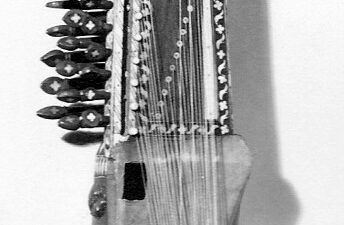
नौशाद का इस गीत के लिए संयोजन अपने स्वभावानुसार संयमित है। सारंगी पहले प्रवेश करती है, भैरवी का मनोभाव बाँधती है — और तब तलत की आवाज़ आती है। यह प्रवेश-क्रम शास्त्रीय वाद्यों की भावनात्मक संदर्भ-निर्माण क्षमता का एक पाठ है। तलत महमूद की आवाज़ में एक स्वाभाविक कंपन है जिसे कुछ लोगों ने तकनीकी कमज़ोरी माना, लेकिन जो वास्तव में उनकी सबसे बड़ी अभिव्यक्ति-शक्ति थी। दुख और स्वीकृति के गीतों के लिए वह कंपन एक पूर्ण आवाज़ से कहीं अधिक प्रभावशाली था।
अंग्रेज़ी में पढ़ें · Read in English
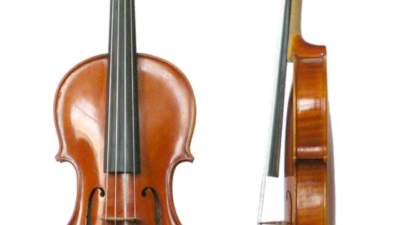
Naushad's setting for this song is characteristically restrained. The sarangi enters first, establishing the Bhairavi mood before Talat's voice begins — and this entry itself is an education in how classical instruments can set emotional context. Talat Mahmood's voice has a natural vibrato — sometimes described as a tremolo — that was criticised by some as a technical imperfection but which proved to be his most expressive asset. For songs of grief and resignation, that slight trembling communicated vulnerability more powerfully than any technically perfect voice could have. Naushad understood this and consistently deployed Talat for precisely these emotional registers. The violin joins in the antaras, providing a lyrical counterpoint.
काव्य The Poetry
शकील की केंद्रीय कल्पना — उसके लिए बर्बाद होना जो याद भी नहीं करती — सामान्य विरह-विलाप का उलटाव है। आमतौर पर, प्रिया भले ही दूर हो, स्मृति में रहती है; यहाँ वह सांत्वना भी नहीं है। उर्दू शब्द 'बर्बाद' में एक भार है जो हिंदी में भी उतना ही महसूस होता है। अनिश्चितता — 'याद भी हैं, याद भी नहीं' — दार्शनिक रूप से सटीक है: वह उस पर इल्ज़ाम नहीं लगाता, उसे सच में पता नहीं।
अंग्रेज़ी में पढ़ें · Read in English
Shakeel's central conceit — being destroyed for someone who doesn't remember — is a reversal of the standard romantic lament. Usually, the beloved is present in memory even if absent in life; here, even that consolation is denied. The Urdu word 'barbaad' (ruined, wasted) carries a weight that the Hindi 'barbaad' also retains, and Shakeel uses it as the emotional pivot of the song. The uncertainty ('yaad bhi hain, yaad bhi nahin' — she remembers and also doesn't) is philosophically precise: he isn't accusing her of forgetting, he genuinely doesn't know.
कहानी The Story
नौशाद का दीदार में इस गीत के लिए तलत महमूद को चुनने का निर्णय उनकी उस तीव्र संवेदनशीलता को दर्शाता है जो हर गीत की भावनात्मक ज़रूरत को पहचानती थी। दिलीप कुमार के 'ट्रेजेडी किंग' व्यक्तित्व को एक ऐसी आवाज़ चाहिए थी जो नाटकीयता के बिना दुख उठा सके — और तलत की संयमित, कँपकँपाती शैली बिल्कुल उचित थी। इसी फ़िल्म में लता-रफ़ी के युगल 'बचपन के दिन' के साथ इस गीत का अंतर नौशाद की एक ही संगीत-संग्रह में भावनात्मक विविधता की प्रतिभा दिखाता है।
अंग्रेज़ी में पढ़ें · Read in English
Naushad's decision to use Talat Mahmood for this number in Deedar, rather than another leading male singer, reflects his acute sensitivity to the emotional requirements of each song. Dilip Kumar's 'Tragedy King' persona required a voice that could carry grief without theatricality — and Talat's understated, tremulous style was perfect. The contrast between this song and the Lata-Rafi duet 'Bachpan Ke Din' in the same film demonstrates Naushad's gift for tonal range within a single soundtrack.
विरासत The Legacy
दीदार के तलत महमूद के गीत — और यह विशेष रूप से — हिंदी सिनेमा के 'दुख की आवाज़' के रूप में उनकी विरासत का केंद्र हैं। यह गीत नौशाद के संयोजन और तलत की अनोखी गायकी दोनों की चर्चाओं में नियमित रूप से उद्धृत होता है। यह एक विशिष्ट भावनात्मक आवृत्ति को पकड़ता है — स्वीकृत, दार्शनिक उदासी — जो लोकप्रिय संगीत में बिरले ही हासिल की जाती है।
अंग्रेज़ी में पढ़ें · Read in English
Talat Mahmood's songs from Deedar, and this one in particular, are central to his legacy as Hindi cinema's 'voice of grief'. The song is regularly cited in assessments of both Naushad's orchestration and Talat's unique vocal quality. It captures a specific emotional frequency — resigned, philosophical sadness — that is rarely achieved in popular music.
वर्गीकरण
Classification- Tempo
- Slow
Genre
अन्य विवरण
More Details- Wikipedia: Deedar (1951 film)
- Wikipedia: Talat Mahmood
- Wikipedia: Naushad
- Hindi Film Geet Kosh Vol. 3 by Harmandir Singh Hamraaz
References
रोचक तथ्य
Margin Notesतलत महमूद का स्वाभाविक वाइब्रेटो संगीतकारों के बीच बहस का विषय था — कुछ इसे एक कमज़ोरी मानते थे, तो कुछ (जैसे नौशाद) इसे कोमल भावों को व्यक्त करने के लिए एक विशेष गुण मानते थे।
अंग्रेज़ी में पढ़ें · Read in English
Talat Mahmood's natural vibrato was a subject of debate among music directors — some found it a liability, others (like Naushad) found it an asset for expressing vulnerable emotions.
नौशाद ने दीदार (1951) में रफ़ी और तलत दोनों का इस्तेमाल किया — एक ही साउंडट्रैक में यह एक दुर्लभ संयोजन था — जिसमें उन्होंने दोनों की बेहद भिन्न भावनात्मक श्रेणियों का बख़ूबी उपयोग किया।
अंग्रेज़ी में पढ़ें · Read in English
Naushad used both Rafi and Talat in Deedar (1951) — a rare pairing within the same soundtrack — exploiting their very different emotional registers.
दीदार में दिलीप कुमार के अभिनय ने उन्हें सर्वश्रेष्ठ अभिनेता का उनका पहला फ़िल्मफेयर पुरस्कार दिलाया (पहले फ़िल्मफेयर समारोह में, जो 1953 की फ़िल्मों को समेटे हुए था — दीदार को मिलने वाली सराहना आगे भी बढ़ती रही)।
अंग्रेज़ी में पढ़ें · Read in English
Dilip Kumar's performance in Deedar won him his first Filmfare Award for Best Actor (at the first Filmfare ceremony, covering 1953 films — Deedar's retrospective acclaim continued to grow).
दीदार के लिए शक़ील बदायूनी के बोल उनकी सर्वश्रेष्ठ रचनाओं में गिने जाते हैं — सघन उर्दू काव्यात्मक गहराई, नौशाद की अर्ध-शास्त्रीय संगीत-रचना से पूरी तरह मेल खाती है।
अंग्रेज़ी में पढ़ें · Read in English
Shakeel Badayuni's lyrics for Deedar are considered among his finest work — the concentrated Urdu poetic density perfectly matching Naushad's semi-classical settings.
नमूना-पट्टी
The Specimen Table| शीर्षक | हुए हम जिनके लिए बर्बाद · Hue Hum Jinke Liye Barbaad |
|---|---|
| वर्ष · युग | 1951 — Golden Era |
| गायक | Talat Mahmood |
| गीतकार | Shakeel Badayuni |
| संगीतकार | Naushad |
| स्वरूप | एकल पुरुष |
| गति | धीमी |
| अवधि | 4:20 |
| भाषा | Urdu · Hindi |
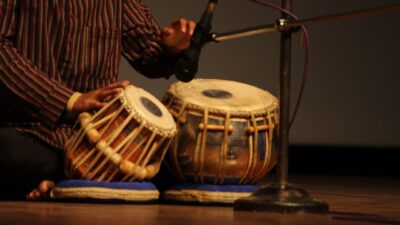
| वाद्य | sarangi · violin · tabla |
| भाव | मीठा-कड़वा · उदास · दार्शनिक |
| लोकप्रियता | Very_popular |
| बोल-स्थिति | केवल झलक |
जुड़े हुए पन्ने
Connected Plates · The Graph Made Visibleअटलस में कोई पन्ना अकेला नहीं — इस गीत से जुड़े गीत, कलाकार, फ़िल्म, राग-ताल-विधा, सब यहाँ से खुलते हैं।
मिलते-जुलते गीत · Related Songs
कलाकार · The Artists
युग · The Era
साझा कीजिए · Share this Plate
यह पन्ना आगे बढ़ाइए
तलत की आवाज़ संगीत-प्रेमियों के लिए नहीं थी — वह उन लोगों के लिए थी जो बहुत जी चुके थे।
Talat's voice was not for music lovers — it was for people who had lived too much.
— Music appreciation of Talat Mahmood's emotional range
सवाल-जवाब
Questions & Answersहुए हम जिनके लिए बर्बाद किसने गाया? · Who sang Hue Hum Jinke Liye Barbaad?
तलत महमूद ने दीदार (1951) में दिलीप कुमार के किरदार के लिए यह गाया। संगीत नौशाद का, गीत शकील बदायूँनी के।
Talat Mahmood sang this song for Dilip Kumar's character in Deedar (1951). Music was by Naushad, lyrics by Shakeel Badayuni.