गीत विंग · गीत-पट्टिका · Song Plate
क्या कमाल है
Kya Kamaal Hai
एक अकेले पियानो के स्वर पर दिलजीत दोसांझ वह सवाल पूछते हैं जिसका जवाब दुनिया देने से इनकार करती है।
भावमीठा-कड़वा · उदास · दार्शनिक
भाषाHindi · Punjabi गतिधीमी स्वरूपएकल पुरुष
श्रेय
The Creditsशब्दकोश
Word Meaningsसूत्र-वाक्य · The Hook
सूत्र-वाक्य
एक अकेले पियानो के स्वर पर दिलजीत दोसांझ वह सवाल पूछते हैं जिसका जवाब दुनिया देने से इनकार करती है।
In EnglishOver a single piano note, Diljit Dosanjh asks the question the world refuses to answer: how is any of this still happening?
पट्टिका-लेख
The Monographपरिचय Overview
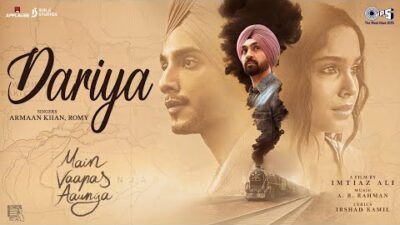
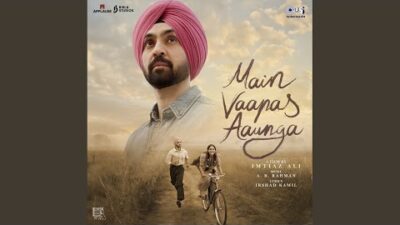
"क्या कमाल है" इम्तियाज़ अली की 2026 की विभाजन-कथा 'मैं वापस आऊंगा' का वह दीप्तिमान समापन गीत है जिसे दिलजीत दोसांझ ने असाधारण संयम के साथ गाया है। ए. आर. रहमान का संगीत टिप्स म्यूज़िक के लिए रचा गया है और इरशाद कामिल की पंजाबी-हिंदी पंक्तियाँ श्रोताओं को विस्थापन की मौन विभीषिका के सामने खड़ा कर देती हैं। इकलौती पियानो से शुरू होकर सामूहिक तारवाद्यों की बाढ़ में डूबता यह गीत 4:59 तक चलता है। निर्देशक अली ने इसे युद्ध और नफ़रत के कारण घर छोड़ने पर विवश हुए सभी लोगों को समर्पित किया — जिससे यह महज़ एक क्रेडिट-गीत नहीं, बल्कि एक राजनीतिक शोक-गीत बन जाता है।
अंग्रेज़ी में पढ़ें · Read in English
"Kya Kamaal Hai" is the luminous closing track of Imtiaz Ali's 2026 Partition drama Main Vaapas Aaunga, sung with aching restraint by Diljit Dosanjh over A.R. Rahman's orchestration for Tips Music. Running 4:59, the song opens with a solitary piano line before swelling into massed strings and chorus, as Irshad Kamil's Punjabi-Hindi verses invite listeners to sit with the quiet horror of normalised displacement. Director Ali dedicated the song to all people forced to abandon their homes by war and hatred, transforming what could have been a conventional end-credits number into a political elegy. Critics at BollySpice called it "an absolute masterpiece" and the emotional essence of the entire film.
संगीत The Music
ए. आर. रहमान ने इस रचना को तीन अलग-अलग आंदोलनों में ढाला है। पहला भाग असुविधाजनक रूप से शांत है — एक पियानो ओस्टिनाटो और दोसांझ की आवाज़ लगभग फुसफुसाहट में, मानो विषय की गहराई किसी भव्यता की अनुमति नहीं देती। फिर ढोल आता है, गीत को उसकी पंजाबी जड़ों से जोड़ता है, जबकि तारवाद्य चारों ओर से घेर लेते हैं। अंतिम खंड में एक स्वर-समूह उठता है — विभिन्न भाषाओं और परंपराओं से इकट्ठी आवाज़ें — जो रहमान के अनुसार जबरन विस्थापन की सार्वभौमिकता का ध्वनि-रूपक है।
अंग्रेज़ी में पढ़ें · Read in English
A.R. Rahman builds the composition in three distinct movements. The first is almost uncomfortably quiet — a piano ostinato and Dosanjh's voice barely above a murmur, as if the weight of the subject forbids grandeur. Then the dhol enters, anchoring the song in its Punjabi roots even as strings arrive from every side. The final section lifts into a choir — voices gathered from multiple languages and traditions — that Rahman has described as a sonic metaphor for the universality of forced migration. Dosanjh, who had already demonstrated his playback range in Amar Singh Chamkila (2024), here strips away every ornament, delivering perhaps his quietest and most affecting film performance.
काव्य The Poetry
इरशाद कामिल 'क्या कमाल है' वाक्यांश को उस व्यक्ति की कड़वी विडंबना के साथ इस्तेमाल करते हैं जो अत्याचार से अब चौंकता नहीं। इस गीत की प्रतिभा यह है कि इसमें कोई क्रोध नहीं — केवल उस व्यक्ति का थका हुआ विस्मय जिसने सदियों से एक ही भयावहता को दोहराते देखा है।
अंग्रेज़ी में पढ़ें · Read in English
Irshad Kamil uses the phrase 'क्या कमाल है' (what a wonder / what a spectacle) with the bitter irony of a man who can no longer be shocked by atrocity. The genius of the lyric is that it contains no anger — only the exhausted wonder of someone who has watched the same horror repeat across centuries. The song is a meditation on human normalisation of cruelty, placed where only the credits roll, after the audience has already wept.
कहानी The Story
इम्तियाज़ अली ने एक इंटरव्यू में बताया कि 'क्या कमाल है' फ़िल्म के लिए आख़िर में रचा गया गीत था और उन्हें इसे शामिल करने को लेकर सबसे ज़्यादा संदेह था। रहमान ने शुरुआत में इसे बिना आवाज़ के एक ऑर्केस्ट्रल टुकड़े के रूप में सोचा था। दोसांझ, जो फ़िल्म की रफ़ कट देखकर बेहद प्रभावित हुए थे, ने एक ऐसे सत्र में गाने की पेशकश की जिसमें कोई और गायक नहीं था। अंतिम टेक — जो फ़िल्म में इस्तेमाल हुई — मुंबई में एक ही रात में रिकॉर्ड किया गया दूसरा प्रयास था।
अंग्रेज़ी में पढ़ें · Read in English
Imtiaz Ali revealed in an interview that 'Kya Kamaal Hai' was the last song composed for the film and the one he was most uncertain about including. Rahman initially conceived it as an orchestral piece without vocals; Dosanjh, who had been deeply moved by the rushes of the film, offered to sing it in a session where no other singer was present. The final take — the one used in the film — was Dosanjh's second attempt, recorded in a single night in Mumbai.
विरासत The Legacy
1947 के विभाजन पर बनी एक फ़िल्म के क्रेडिट्स में रिलीज़ हुआ 'क्या कमाल है' तुरंत एक स्वतंत्र राजनीतिक बयान के रूप में फैल गया — उस वर्ष जब वैश्विक स्तर पर विस्थापन संकट फिर गहरा गया था। संगीत आलोचकों ने इसे रहमान के 'माँ तुझे सलाम' से जोड़ा। फ़िल्म की जून 2026 रिलीज़ के कुछ ही हफ़्तों में यह गीत भारत, ब्रिटेन और कनाडा में शांति-रैलियों और प्रवासी सभाओं का गान बन गया।
अंग्रेज़ी में पढ़ें · Read in English
Released in the credits of a film about the 1947 Partition, 'Kya Kamaal Hai' immediately circulated as an autonomous political statement during a year of renewed displacement crises globally. Music critics drew parallels to Rahman's 'Maa Tujhe Salaam' in its capacity to condense grief into a single melodic gesture. Within weeks of the film's June 2026 release, the track had become an anthem at peace rallies and diaspora gatherings in India, UK, and Canada.
वर्गीकरण
Classification- Tempo
- Slow
Genre
अन्य विवरण
More Details- Wikipedia, 'Main Vaapas Aaunga', https://en.wikipedia.org/wiki/Main_Vaapas_Aaunga
- BollySpice, 'Main Vaapas Aaunga Music Review', https://bollyspice.com/main-vaapas-aaunga-music-review/
- The Federal, 'Main Vaapas Aaunga review', https://thefederal.com/film-reviews/main-vaapas-aaunga-imtiaz-ali-naseeruddin-shah-diljit-dosanjh-film-bollywood-partition-displacement-hindu-muslim-246346
- India New England News, 'Imtiaz Ali Says Main Vaapas Aaunga Album Celebrates Punjab Musical Heritage', https://indianewengland.com/imtiaz-ali-says-main-vaapas-aaunga-album-celebrates-punjabs-musical-heritage/
References
रोचक तथ्य
Margin Notesइम्तियाज़ अली ने यह गीत 'युद्ध और नफ़रत के कारण अपने घरों से बेदख़ल हुए सभी लोगों' को समर्पित किया — बॉलीवुड के एंड-क्रेडिट गीत में यह एक दुर्लभ राजनीतिक बयान है।
अंग्रेज़ी में पढ़ें · Read in English
The song was dedicated by Imtiaz Ali to 'all those forced from their homes by war and hatred' — a rare political statement in a Bollywood end-credits song.
ए.आर. रहमान ने शुरुआत में 'क्या कमाल है' को पूरी तरह वाद्य-रचना के रूप में सोचा था; दिलजीत दोसांझ ने देर रात के एक स्टूडियो सत्र में इसमें आवाज़ की परत जोड़ी।
अंग्रेज़ी में पढ़ें · Read in English
A.R. Rahman initially conceived 'Kya Kamaal Hai' as a purely orchestral piece; Diljit Dosanjh added the vocal layer in a late-night studio session.
गीत के आगे के अंतरों में वैश्विक विस्थापन का ज़िक्र है, जो 1947 के बंटवारे को आज के शरणार्थी संकटों से जोड़ता है — यह किसी बॉलीवुड पीरियड ड्रामा के लिए असाधारण रूप से व्यापक दृष्टिकोण है।
अंग्रेज़ी में पढ़ें · Read in English
The song references global displacement in its later verses, connecting 1947 Partition to present-day refugee crises — making it unusually outward-looking for a Bollywood period drama.
बॉलीस्पाइस के समीक्षक ने इसे 'मैं वापस आऊंगा का सार' और दशक की रहमान की सर्वश्रेष्ठ रचनाओं में से एक बताया।
अंग्रेज़ी में पढ़ें · Read in English
BollySpice reviewer described it as 'the essence of Main Vaapas Aaunga' and one of Rahman's best compositions of the decade.
नमूना-पट्टी
The Specimen Table| शीर्षक | क्या कमाल है · Kya Kamaal Hai |
|---|---|
| फ़िल्म | मैं वापस आऊंगा · 2026 |
| वर्ष · युग | 2026 — Modern (2010+) |
| गायक | Diljit Dosanjh |
| गीतकार | Irshad Kamil |
| संगीतकार | A. R. Rahman |
| स्वरूप | एकल पुरुष |
| गति | धीमी |
| अवधि | 4:59 |
| भाषा | Hindi · Punjabi |
| वाद्य | piano · Strings · Chorus · dhol |
| भाव | मीठा-कड़वा · उदास · दार्शनिक |
| लोकप्रियता | Very_popular |
| बोल-स्थिति | केवल झलक |
जुड़े हुए पन्ने
Connected Plates · The Graph Made Visibleअटलस में कोई पन्ना अकेला नहीं — इस गीत से जुड़े गीत, कलाकार, फ़िल्म, राग-ताल-विधा, सब यहाँ से खुलते हैं।
मिलते-जुलते गीत · Related Songs
कलाकार · The Artists
फ़िल्म · The Film
साझा कीजिए · Share this Plate
यह पन्ना आगे बढ़ाइए
यह गीत समापन-क्रेडिट्स को एक राजनीतिक शोक-गीत में बदल देता है।
The song transforms end-credits into a political elegy.
— BollySpice, 2026
सवाल-जवाब
Questions & Answersमैं वापस आऊंगा में 'क्या कमाल है' किसने गाया? · Who sang Kya Kamaal Hai in Main Vaapas Aaunga?
दिलजीत दोसांझ ने 'क्या कमाल है' गाया, जिसका संगीत ए. आर. रहमान ने और बोल इरशाद कामिल ने लिखे हैं।
Diljit Dosanjh sang Kya Kamaal Hai, with music composed by A.R. Rahman and lyrics by Irshad Kamil for Tips Music.
'क्या कमाल है' का क्या अर्थ है? · What is the meaning of Kya Kamaal Hai?
शाब्दिक अर्थ 'क्या चमत्कार है', पर इरशाद कामिल इसे कड़वी विडंबना से इस्तेमाल करते हैं — मानवता की विस्थापन करने की अंतहीन क्षमता पर एक थका हुआ, स्तब्ध प्रतिक्रिया।
Literally 'What a wonder', but Irshad Kamil uses the phrase with bitter irony — a stunned, exhausted reaction to humanity's endless capacity to displace and harm its own people.
क्या 'क्या कमाल है' विभाजन के बारे में है? · Is Kya Kamaal Hai about the Partition?
हाँ, और उससे भी आगे — इम्तियाज़ अली ने इसे दुनिया में कहीं भी युद्ध और नफ़रत के कारण घर छोड़ने पर विवश हुए सभी लोगों को समर्पित किया।
Yes and beyond — Imtiaz Ali dedicated it to everyone forced from their homes by war and hatred anywhere in the world, linking 1947 Partition to present-day global displacement.