गीत विंग · गीत-पट्टिका · Song Plate
दरिया
Dariya
एक नदी जो कभी दो देशों को जोड़ती थी अब दो क़ब्रों के बीच बहती है — रहमान हर सुर में वह दूरी महसूस करा देते हैं।
भावउदास · शांत · आध्यात्मिक
भाषाHindi · Punjabi गतिधीमी स्वरूपएकल पुरुष
श्रेय
The Creditsशब्दकोश
Word Meaningsसूत्र-वाक्य · The Hook
सूत्र-वाक्य
एक नदी जो कभी दो देशों को जोड़ती थी अब दो क़ब्रों के बीच बहती है — रहमान हर सुर में वह दूरी महसूस करा देते हैं।
In EnglishA river that used to connect two countries now runs between two graves — AR Rahman makes you feel the distance in every note.
पट्टिका-लेख
The Monographपरिचय Overview
"दरिया" (नदी) 'मैं वापस आऊंगा' (2026) के साउंडट्रैक का सबसे पंजाबी-जड़ वाला गीत है, जिसमें अरमान ख़ान की आत्मीय आवाज़ टिप्स म्यूज़िक के लिए ए. आर. रहमान के संगीत पर सुनाई देती है। 4:17 का यह गीत नदी को समय के पार स्मृति की यात्रा के रूपक के रूप में इस्तेमाल करता है — वे सिंधु और झेलम जो कभी दोनों पंजाबों को जोड़ती थीं।
अंग्रेज़ी में पढ़ें · Read in English
"Dariya" (River) is the penultimate and most Punjabi-rooted track on the Main Vaapas Aaunga (2026) soundtrack, featuring Armaan Khan's soulful vocals over A.R. Rahman's composition for Tips Music. At 4:17, the song uses the river as a metaphor for the journey of memory across time — the Sindhu and Jhelum rivers that once connected two Punjabs now severed by Partition. Irshad Kamil's lyric is 'full of soulful Punjabi essence' with pure classical Indian notes, described by one critic as 'among the many favourite AR Rahman compositions' of the year.
संगीत The Music
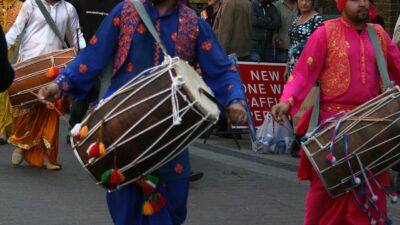
रहमान 'दरिया' के लिए ध्वनिक न्यूनतावाद की ओर लौटते हैं — प्राथमिक वाद्य सितार और ढोल हैं, रचना को विभाजन-पूर्व पंजाब की हिंदुस्तानी शास्त्रीय और लोक परंपराओं में दृढ़ता से जड़ें देते हैं। अरमान ख़ान की आवाज़ में 'फुसफुसाहट की कोमलता' और 'सुंदर भावनात्मक स्वर' हैं।
अंग्रेज़ी में पढ़ें · Read in English
Rahman returns to acoustic minimalism for 'Dariya' — the primary instruments are a sitar and dhol, grounding the composition firmly in the Hindustani classical and folk traditions of pre-Partition Punjab. Armaan Khan's voice has a 'whisper softness' and 'beautiful emotional tones' noted by critics. There is no chorus — the song is a monologue, like a letter written to someone who will never read it.
काव्य The Poetry
कामिल का नदी को केंद्रीय रूपक के रूप में चयन सदियों की पंजाबी कविता — शाह हुसैन की काफी, बुल्लेह शाह, वारिस शाह की हीर — से गूँजता है। पंजाबी में 'दरिया' का अतिरिक्त अर्थ 'उदार' भी होता है — जैसे 'दरिया-दिल'।
अंग्रेज़ी में पढ़ें · Read in English
Kamil's choice of the river as his central metaphor is resonant with centuries of Punjabi poetry — the rivers appear in Shah Hussain's kafi, in Bulleh Shah, in Waris Shah's Heer. Here the rivers are both literal (the Jhelum, now in Pakistan) and metaphorical (the stream of memory that Ishar can no longer cross). The word 'dariya' itself carries in Punjabi the additional meaning of 'generous' — as in 'dariya-dil' (generous of heart).
कहानी The Story
'दरिया' में सितार उस्ताद शाहिद परवेज़ ख़ान के एक शिष्य ने बजाया — रहमान ने विशेष रूप से इतवा घराने की गीतात्मक, मधुर सितार-शैली से जोड़ने के लिए यह चुनाव किया। रिकॉर्डिंग चेन्नई में हुई, लेकिन रहमान ने परिवेशीय ध्वनि को 'लाहौर की गर्मियों की शाम की ऊष्मा' देने के लिए बिना एयर-कंडीशनिंग के स्टूडियो समय पर ज़ोर दिया।
अंग्रेज़ी में पढ़ें · Read in English
The sitar on 'Dariya' was played by a student of Ustad Shahid Parvez Khan, a choice Rahman made specifically to connect the song to the Etawa gharana's tradition of lyrical, melodic sitar — rather than the technical virtuosity of Ravi Shankar's school. The recording took place in Chennai, but Rahman insisted on using un-air-conditioned studio time to give the ambient sound 'the warmth of a summer evening in Lahore.'
विरासत The Legacy
'दरिया' ने वह संग्रह बंद किया जिसे आलोचकों ने रहमान का '2011 की रॉकस्टार के बाद सबसे भावनात्मक रूप से सुसंगत एल्बम' कहा। गीत की सितार-और-ढोल व्यवस्था को भारतीय संगीत संस्थाओं में एक उदाहरण के रूप में पढ़ाया गया।
अंग्रेज़ी में पढ़ें · Read in English
'Dariya' closed out what critics called AR Rahman's 'most emotionally coherent album since Rockstar (2011)'. The song's sitar-and-dhol arrangement was studied in Indian music conservatories as an example of how classical instruments can carry contemporary narrative weight without becoming mere ornamentation.
वर्गीकरण
Classification- Tempo
- Slow
Genre
अन्य विवरण
More Details- Wikipedia, 'Main Vaapas Aaunga', https://en.wikipedia.org/wiki/Main_Vaapas_Aaunga
- BollySpice Music Review, https://bollyspice.com/main-vaapas-aaunga-music-review/
- Planet Bollywood Music Review, https://planetbollywood.com/wp/reviews/main-vaapas-aaunga-music-review/
References
रोचक तथ्य
Margin Notesसितार उस्ताद शाहिद परवेज़ ख़ान के एक शिष्य ने बजाया, जो इस ट्रैक को विशेष रूप से इटावा घराने की गायकी परंपरा से जोड़ता है।
अंग्रेज़ी में पढ़ें · Read in English
The sitar was played by a student of Ustad Shahid Parvez Khan, specifically connecting the track to the Etawa gharana's lyrical tradition.
एआर रहमान ने “दरिया” को बिना एयर-कंडीशनिंग वाले स्टूडियो में रिकॉर्ड किया, ताकि वह पकड़ सकें जिसे उन्होंने “लाहौर की गर्मियों की एक शाम की गर्माहट” कहा।
अंग्रेज़ी में पढ़ें · Read in English
AR Rahman recorded 'Dariya' in a non-air-conditioned studio to capture what he called 'the warmth of a summer evening in Lahore.'
आलोचकों ने इस ट्रैक को इस बात के प्रमाण के रूप में उद्धृत किया कि “मैं वापस आऊँगा”, रहमान का “रॉकस्टार” (2011) के बाद सबसे भावनात्मक रूप से सुसंगत एल्बम था।
अंग्रेज़ी में पढ़ें · Read in English
Critics cited this track as evidence that Main Vaapas Aaunga was Rahman's most emotionally coherent album since Rockstar (2011).
पंजाबी शब्द “दरिया” का एक अतिरिक्त अर्थ “दिल का उदार” (दरिया-दिल) भी होता है, जो गीत को अर्थ की एक अतिरिक्त परत देता है।
अंग्रेज़ी में पढ़ें · Read in English
The Punjabi word 'dariya' carries the additional meaning of 'generous of heart' (dariya-dil), lending the song an extra layer of meaning.
नमूना-पट्टी
The Specimen Table| शीर्षक | दरिया · Dariya |
|---|---|
| फ़िल्म | मैं वापस आऊंगा · 2026 |
| वर्ष · युग | 2026 — Modern (2010+) |
| गायक | अरमान ख़ान |
| गीतकार | Irshad Kamil |
| संगीतकार | A. R. Rahman |
| स्वरूप | एकल पुरुष |
| गति | धीमी |
| अवधि | 4:17 |
| भाषा | Hindi · Punjabi |
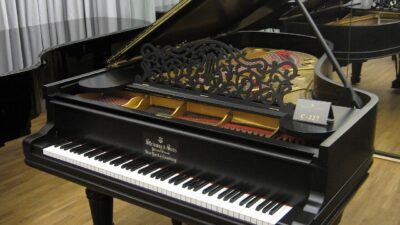
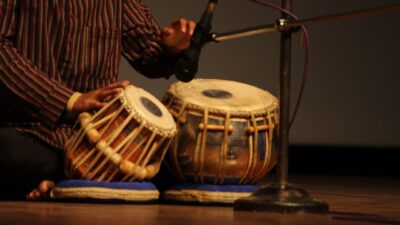
| वाद्य | piano · Strings · tabla · dhol |
| भाव | उदास · शांत · आध्यात्मिक |
| लोकप्रियता | Very_popular |
| बोल-स्थिति | केवल झलक |
जुड़े हुए पन्ने
Connected Plates · The Graph Made Visibleअटलस में कोई पन्ना अकेला नहीं — इस गीत से जुड़े गीत, कलाकार, फ़िल्म, राग-ताल-विधा, सब यहाँ से खुलते हैं।
मिलते-जुलते गीत · Related Songs
कलाकार · The Artists
फ़िल्म · The Film
साझा कीजिए · Share this Plate