गीत विंग · गीत-पट्टिका · Song Plate
मस्कारा
Maskara
बाँसुरी और ढोल की पहले प्रेम की लहर — ठीक इसलिए ख़ुशनुमा क्योंकि हम जानते हैं 1947 क्या छीनने वाला है।
भावपुरानी यादें · चुलबुला · रोमांटिक
भाषाHindi · Punjabi गतिमध्यम स्वरूपयुगल
श्रेय
The Creditsसूत्र-वाक्य · The Hook
सूत्र-वाक्य
बाँसुरी और ढोल की पहले प्रेम की लहर — ठीक इसलिए ख़ुशनुमा क्योंकि हम जानते हैं 1947 क्या छीनने वाला है।
In EnglishA flute-and-dhol rush of first love — joyful precisely because we know what 1947 is about to take.
पट्टिका-लेख
The Monographपरिचय Overview
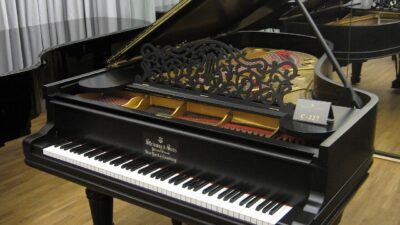
"मस्कारा" 'मैं वापस आऊंगा' (2026) का वह चपल पहले प्रेम का गीत है जिसे निलांजना घोष दस्तीदार और वेदांग रैना ने ए. आर. रहमान के संगीत में टिप्स म्यूज़िक के लिए गाया है। 3:53 की अवधि का यह गीत विभाजन-पूर्व पंजाब के जवान प्रेम के फ्लैशबैक दृश्यों के साथ चलता है। इरशाद कामिल की हल्की-फुल्की पंक्तियाँ हिंदी और पंजाबी को मिलाती हैं, और ढोल, गिटार, पियानो के साथ एक चंचल बाँसुरी दुःख से पहले के उल्लास की ध्वनि बन जाती है।
अंग्रेज़ी में पढ़ें · Read in English
"Maskara" is the peppy first-love track from Main Vaapas Aaunga (2026), sung by Nilanjana Ghosh Dastidar and Vedang Raina over A.R. Rahman's composition for Tips Music. Running 3:53, it accompanies the film's flashback sequences of young love in pre-Partition Punjab, with Irshad Kamil's breezy verses blending Hindi and Punjabi. The track features a 'quirky, sprightly flute' alongside dhol, guitars, and piano — a sonic signature of joy before catastrophe. Critics praised its infectious lightness as the perfect counterweight to the film's grief.
संगीत The Music
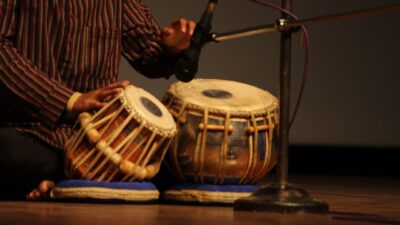
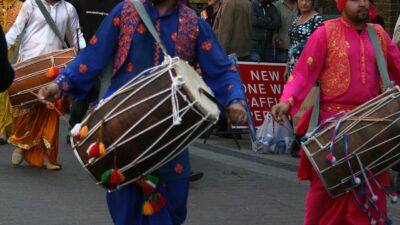
यहाँ रहमान बाकी साउंडट्रैक से कहीं अधिक हल्का रंग-पट्टा इस्तेमाल करते हैं — रचना की प्रमुख आवाज़ एक चंचल लोक-बाँसुरी है जो अविभाजित पंजाब की परंपराओं की याद दिलाती है। ढोल इसे पंजाबी विवाह और फ़सल संगीत में जड़ें देता है, जबकि रैना की तकनीकी अनाड़ीपन दस्तीदार के शास्त्रीय स्वर के सामने सुंदर लगती है।
अंग्रेज़ी में पढ़ें · Read in English
Rahman uses a decidedly lighter palette here than in the rest of the soundtrack — the composition's primary voice is a quirky folk flute that evokes the folk traditions of undivided Punjab. The dhol grounds it in Punjabi wedding and harvest music, while Raina's untrained freshness sits beautifully against Dastidar's more classically inflected delivery. The song changes tempo mid-bridge, momentarily slipping into a jazz-café swing before the flute pulls it back.
काव्य The Poetry
कामिल के बोल पहले प्रेम की छोटी-छोटी अदाओं का जश्न मनाते हैं — 'मस्कारा' शब्द एक रूपक बन जाता है कि प्रेमी एक-दूसरे के लिए कैसे सजते हैं। यह शीर्षक एक चतुर द्विभाषी श्लेष भी है: मस्कारा में 'मज़ाक़-करा' की झलक है।
अंग्रेज़ी में पढ़ें · Read in English
Kamil's lyrics celebrate the small vanities of first love — the word 'maskara' (mascara) becomes a metaphor for the way lovers decorate themselves for each other. The title itself is a clever bilingual pun: maskara in Hindi also carries a tinge of 'mischief' (mazaak-kara), encoding playfulness into the very title.
कहानी The Story
वेदांग रैना, जो फ़िल्म के 1940 के दशक के दृश्यों में युवा ईशर की भूमिका निभाते हैं, को अंशतः इसलिए चुना गया क्योंकि उनकी अर्धशास्त्रीय संगीत में प्रशिक्षण पृष्ठभूमि है। निर्देशक अली चाहते थे कि प्रेम-गीत सहज और अपरिष्कृत लगे — 'जैसे असल जवान लोग गा रहे हों, न कि पेशेवर पार्श्व-गायक।'
अंग्रेज़ी में पढ़ें · Read in English
Vedang Raina, who plays the young Ishar in the film's 1940s sequences, was cast partly because of his background as a trained vocalist in semi-classical music. Director Ali wanted the love song to feel spontaneous and unpolished — 'like real young people singing, not professional playback singers performing youth.' The pairing with Dastidar was finalised after Rahman heard her in a late-stage audition session.
विरासत The Legacy
हालाँकि 'क्या कमाल है' और 'धीरे धीरे' जैसे गीतों की चर्चा में दब गया, 'मस्कारा' साउंडट्रैक का आश्चर्यजनक स्ट्रीमिंग हिट निकला — विशेषकर शादी की प्लेलिस्ट में, जहाँ इसकी पंजाबी लोक ऊर्जा ने इसे हल्दी-समारोह के गानों की श्रेणी में रखा।
अंग्रेज़ी में पढ़ें · Read in English
Though overshadowed by the more intensely discussed 'Kya Kamaal Hai' and 'Dheere Dheere', 'Maskara' emerged as the surprising streaming sleeper of the soundtrack, particularly popular on wedding playlists where its Punjabi folk energy placed it alongside contemporary haldi-ceremony anthems.
वर्गीकरण
Classification- Tempo
- Medium
Genre
अन्य विवरण
More Details- Wikipedia, 'Main Vaapas Aaunga', https://en.wikipedia.org/wiki/Main_Vaapas_Aaunga
- BollySpice Music Review, https://bollyspice.com/main-vaapas-aaunga-music-review/
References
रोचक तथ्य
Margin Notesवेदांग रैना की अर्ध-शास्त्रीय संगीत में फ़िल्मी पृष्ठभूमि ने गीत के जान-बूझकर रखे गए कच्चे गायन भाव को प्रभावित किया।
अंग्रेज़ी में पढ़ें · Read in English
Vedang Raina's film background in semi-classical music influenced the song's deliberately raw vocal feel.
'मस्कारा' शब्द एक द्विभाषी शब्द-क्रीड़ा का काम करता है — यह कॉस्मेटिक मस्कारा और हिंदुस्तानी 'मज़ाक-करा' (शरारती व्यक्ति), दोनों का बोध कराता है।
अंग्रेज़ी में पढ़ें · Read in English
The word 'maskara' doubles as a bilingual pun — it evokes both cosmetic mascara and the Hindustani mazaak-kara (mischief-maker).
यह गीत 1940 के दशक के फ़्लैशबैक दृश्यों पर बजता है, जिसमें युवा ईशर और अफ़साना को एक पंजाबी गांव की पृष्ठभूमि में दिखाया गया है।
अंग्रेज़ी में पढ़ें · Read in English
The song plays over 1940s flashback footage of young Ishar and Afsana in a Punjabi village setting.
नमूना-पट्टी
The Specimen Table| शीर्षक | मस्कारा · Maskara |
|---|---|
| फ़िल्म | मैं वापस आऊंगा · 2026 |
| वर्ष · युग | 2026 — Modern (2010+) |
| गायक | निलांजना घोष दस्तीदार, वेदांग रैना |
| गीतकार | Irshad Kamil |
| संगीतकार | A. R. Rahman |
| स्वरूप | युगल |
| गति | मध्यम |
| अवधि | 3:53 |
| भाषा | Hindi · Punjabi |
| वाद्य | piano · Strings · tabla · dhol |
| भाव | पुरानी यादें · चुलबुला · रोमांटिक |
| लोकप्रियता | Popular |
| बोल-स्थिति | केवल झलक |
जुड़े हुए पन्ने
Connected Plates · The Graph Made Visibleअटलस में कोई पन्ना अकेला नहीं — इस गीत से जुड़े गीत, कलाकार, फ़िल्म, राग-ताल-विधा, सब यहाँ से खुलते हैं।
कलाकार · The Artists
फ़िल्म · The Film
साझा कीजिए · Share this Plate