गीत विंग · गीत-पट्टिका · Song Plate
तेरे पास मैं (महिला संस्करण)
Tere Paas Main (Female Version)
दीपाली सहाय की सोप्रानो उस किसी के पास होने की ठीक वही आवाज़ ढूँढ़ती है जो जा चुका है।
भावमीठा-कड़वा · उदास · रोमांटिक
भाषाHindi · Punjabi गतिधीमी स्वरूपएकल महिला
श्रेय
The Creditsशब्दकोश
Word Meaningsसूत्र-वाक्य · The Hook
सूत्र-वाक्य
दीपाली सहाय की सोप्रानो उस किसी के पास होने की ठीक वही आवाज़ ढूँढ़ती है जो जा चुका है।
In EnglishDeepali Sahay's soprano finds the exact tone of being close to someone who is already gone.
पट्टिका-लेख
The Monographपरिचय Overview
"तेरे पास मैं (महिला संस्करण)" में दीपाली सहाय की दीप्तिमान सोप्रानो ए. आर. रहमान की क्लासिक फ़िल्मी रचना पर सुनाई देती है। 4:04 की यह रचना समीक्षकों के अनुसार 'इस वर्ष बनी सबसे सुंदर रचनाओं में से एक' है — ढोल और पियानो का मेल एक पंजाबी-फ़िल्मी संकर बनाता है।
अंग्रेज़ी में पढ़ें · Read in English
"Tere Paas Main (Female Version)" features Deepali Sahay's luminous soprano over A.R. Rahman's classic filmi composition for Main Vaapas Aaunga (2026). At 4:04, the song is described by reviewers as a track that 'should be considered one of the most beautiful songs made this year' — its dhol percussion and piano creating a Punjabi-filmi hybrid that feels at once rooted and timeless. Irshad Kamil's lyric is a classic declaration of proximity: the beloved who is everywhere and nowhere.
संगीत The Music
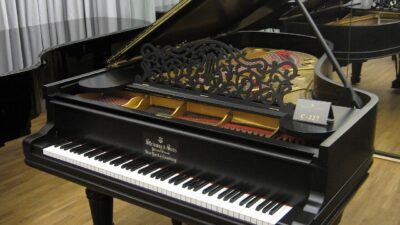
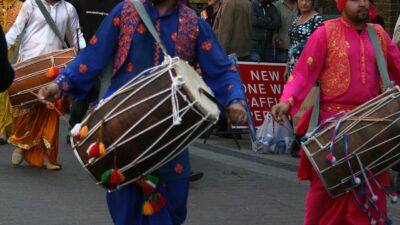
रहमान की 'तेरे पास मैं' एक भ्रामक रूप से सरल कॉर्ड प्रगति पर बनी है — चार कॉर्ड, हर बार थोड़े हार्मोनिक परिवर्तन के साथ। ढोल पंजाबी जड़ें देता है जबकि पियानो भावनात्मक गहराई। सहाय की आवाज़ पूरे समय ऊपरी सप्तक में रहती है, जो गीत को आध्यात्मिक निकटता के विषय से मेल खाती तैरती गुणवत्ता देती है।
अंग्रेज़ी में पढ़ें · Read in English
Rahman's 'Tere Paas Main' is built on a deceptively simple chord progression — four chords, cycling through verse and chorus with subtle harmonic variation each time. The dhol provides Punjabi roots while the piano provides emotional depth. Sahay's voice occupies the upper register throughout, rarely descending below middle C, giving the song a floating, ethereal quality that matches its theme of spiritual proximity.
काव्य The Poetry
कामिल का 'तेरे पास मैं' एल्बम के शोक-गीत 'वो नहीं' की साथी रचना है। जहाँ 'वो नहीं' अनुपस्थिति की सूची बनाती है, 'तेरे पास मैं' समय और मृत्यु के पार उपस्थिति पर ज़ोर देती है — अफ़साना की मृत्योपरांत ईशर को प्रतिक्रिया।
अंग्रेज़ी में पढ़ें · Read in English
Kamil's 'tere paas main' — I am near you — is the companion lyric to 'Vo Nahin', the album's grief track. Where 'Vo Nahin' catalogues absence, 'Tere Paas Main' insists on presence across time and death. The lyric functions as Afsana's posthumous response to Ishar — she was always near him, even after death.
कहानी The Story
दीपाली सहाय इस फ़िल्म से पहले एक अपेक्षाकृत अज्ञात शास्त्रीय गायिका थीं। रहमान ने जानबूझकर एक अपरिचित आवाज़ चुनी — वे ऐसी गायिका चाहते थे जिसकी आवाज़ के साथ दर्शकों का कोई पूर्व संबंध न हो।
अंग्रेज़ी में पढ़ें · Read in English
Deepali Sahay was a relatively unknown classical vocalist before this film. Rahman's choice of an unfamiliar voice was deliberate — he wanted a singer whose voice the audience had no prior associations with, so that 'Tere Paas Main' would feel like hearing a new person, as Ishar hears Afsana's voice for the first time in memory. The female version was recorded a month before the male version (sung by Vipin Aneja).
विरासत The Legacy
फ़िल्म की रिलीज़ के बाद, दीपाली सहाय की रिकॉर्डिंग ने राष्ट्रीय ध्यान आकर्षित किया, जिससे कॉन्सर्ट आमंत्रण और रोलिंग स्टोन इंडिया में '2026 की उभरती गायिका' के रूप में फ़ीचर हुई।
अंग्रेज़ी में पढ़ें · Read in English
Following the film's release, Deepali Sahay's single recording received national attention, leading to concert invitations and a feature in Rolling Stone India as a 'breakout vocalist of 2026'. The song was used in multiple memorial and diaspora events related to the Partition's 79th anniversary in August 2026.
वर्गीकरण
Classification- Tempo
- Slow
Genre
अन्य विवरण
More Details- Wikipedia, 'Main Vaapas Aaunga', https://en.wikipedia.org/wiki/Main_Vaapas_Aaunga
- BollySpice Music Review, https://bollyspice.com/main-vaapas-aaunga-music-review/
- Planet Bollywood Music Review, https://planetbollywood.com/wp/reviews/main-vaapas-aaunga-music-review/
References
रोचक तथ्य
Margin Notes'मैं वापस आऊँगा' से पहले दीपाली सहाय एक अनजान शास्त्रीय गायिका थीं — ए.आर. रहमान ने जानबूझकर एक अपरिचित आवाज़ की तलाश की थी।
अंग्रेज़ी में पढ़ें · Read in English
Deepali Sahay was an unknown classical vocalist before Main Vaapas Aaunga — AR Rahman deliberately sought an unfamiliar voice.
महिला संस्करण, विपिन आनेजा के पुरुष संस्करण से पूरे एक महीने पहले रिकॉर्ड किया गया था।
अंग्रेज़ी में पढ़ें · Read in English
The female version was recorded a full month before Vipin Aneja's male version.
अगस्त 2026 में 1947 की 79वीं वर्षगांठ पर आयोजित विभाजन स्मृति कार्यक्रमों में इस गीत का उपयोग किया गया।
अंग्रेज़ी में पढ़ें · Read in English
The song was used at Partition memorial events commemorating the 79th anniversary of 1947 in August 2026.
नमूना-पट्टी
The Specimen Table| शीर्षक | तेरे पास मैं (महिला संस्करण) · Tere Paas Main (Female Version) |
|---|---|
| फ़िल्म | मैं वापस आऊंगा · 2026 |
| वर्ष · युग | 2026 — Modern (2010+) |
| गायक | दीपाली सहाय |
| गीतकार | Irshad Kamil |
| संगीतकार | A. R. Rahman |
| स्वरूप | एकल महिला |
| गति | धीमी |
| अवधि | 4:04 |
| भाषा | Hindi · Punjabi |
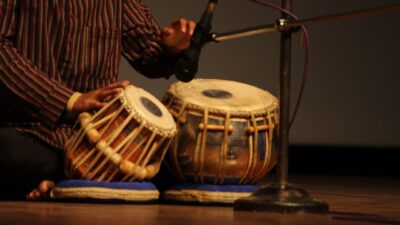
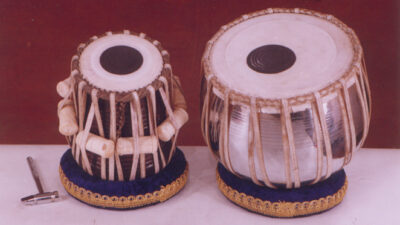
| वाद्य | piano · Strings · tabla · dhol |
| भाव | मीठा-कड़वा · उदास · रोमांटिक |
| लोकप्रियता | Popular |
| बोल-स्थिति | केवल झलक |
जुड़े हुए पन्ने
Connected Plates · The Graph Made Visibleअटलस में कोई पन्ना अकेला नहीं — इस गीत से जुड़े गीत, कलाकार, फ़िल्म, राग-ताल-विधा, सब यहाँ से खुलते हैं।
मिलते-जुलते गीत · Related Songs
कलाकार · The Artists
फ़िल्म · The Film
साझा कीजिए · Share this Plate