गीत विंग · गीत-पट्टिका · Song Plate
तेरे पास मैं (पुरुष संस्करण)
Tere Paas Main (Male Version)
वही बोल, एक मर्द की आवाज़, चार मिनट कम — और एकदम अलग दर्द।
भावउदास · रोमांटिक
भाषाHindi · Punjabi गतिधीमी स्वरूपएकल पुरुष
श्रेय
The Creditsसूत्र-वाक्य · The Hook
सूत्र-वाक्य
वही बोल, एक मर्द की आवाज़, चार मिनट कम — और एकदम अलग दर्द।
In EnglishThe same lyric, a man's voice, four fewer minutes — and a wholly different grief.
पट्टिका-लेख
The Monographपरिचय Overview
"तेरे पास मैं (पुरुष संस्करण)" में विपिन अनेजा का बैरीटोन 'मैं वापस आऊंगा' (2026) के केंद्रीय रोमांटिक विषय की व्याख्या करता है। 2:48 की यह प्रस्तुति — महिला संस्करण से काफ़ी छोटी — फ़िल्म की वर्तमान-काल की समयरेखा में ईशर के दृष्टिकोण के साथ चलती है।
अंग्रेज़ी में पढ़ें · Read in English
"Tere Paas Main (Male Version)" presents Vipin Aneja's baritone interpretation of the film's central romantic theme, composed by A.R. Rahman for Main Vaapas Aaunga (2026). At 2:48 — significantly shorter than the female version — this rendering accompanies Ishar's perspective in the film's present-day timeline, adding a richer orchestration that reflects the weight of decades. Irshad Kamil's lyric is identical to the female version, but the different timbre and orchestral bed create an entirely different emotional register.
संगीत The Music
जहाँ दीपाली सहाय का संस्करण ऑर्केस्ट्रा के ऊपर तैरता है, विपिन अनेजा का बैरीटोन समूह के भीतर लंगर डालता है। रहमान इस संस्करण में एक पूर्ण तारवाद्य व्यवस्था जोड़ते हैं। छोटी अवधि (2:48 बनाम 4:04) फ़िल्म की कहानी को दर्शाती है: ईशर की प्रिय की स्मृति पहले से ही टूट रही है।
अंग्रेज़ी में पढ़ें · Read in English
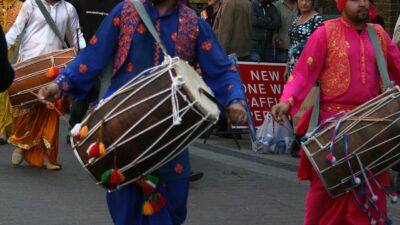
Where Deepali Sahay's version floats above the orchestration, Vipin Aneja's baritone anchors itself within the ensemble. Rahman adds a fuller string arrangement to this version and uses a slightly slower dhol pattern, giving the male rendition a more ceremonial quality — appropriate for Ishar's perspective as an old man replaying memory. The truncated duration (2:48 versus 4:04) reflects the film's narrative: Ishar's memory of the beloved is already fragmenting.
काव्य The Poetry
महिला संस्करण के समान कामिल-पाठ का उपयोग एक संवादात्मक संरचना बनाता है — दो लोग समय के पार एक-दूसरे को एक ही शब्द गाते हैं। पुरुष संस्करण के फ़िल्म में स्थान से बोल का अर्थ पूरी तरह बदल जाता है।
अंग्रेज़ी में पढ़ें · Read in English
Using the same Kamil text as the female version creates a dialogic structure — two people singing the same words to each other across time. The male version's placement in the film means the lyric shifts meaning entirely: where Afsana's 'I am near you' is posthumous comfort, Ishar's 'I am near you' is a promise he was unable to keep.
कहानी The Story
विपिन अनेजा, मुख्यतः पंजाबी लोक और भक्ति गायक, ईशर के दृष्टिकोण के लिए रहमान की पसंद थे। रहमान ने कहा कि उन्हें 'पुरानी लकड़ी की बनावट वाली आवाज़ — जो मौसम से गुज़री हो' चाहिए थी।
अंग्रेज़ी में पढ़ें · Read in English
Vipin Aneja, primarily a Punjabi folk and devotional singer, was Rahman's choice to sing Ishar's perspective. Rahman reportedly said he needed a voice with 'the texture of old wood — something that has been through weather.' Aneja's version was recorded later and kept shorter at Imtiaz Ali's request to reflect the protagonist's fractured memory.
विरासत The Legacy
महिला संस्करण की तुलना में कम चर्चित होने के बावजूद, पुरुष 'तेरे पास मैं' दोनों में से अधिक सैंपल किया गया — इसकी बैरीटोन गुणवत्ता ने इसे स्मृति और तड़प पर पॉडकास्ट के लिए उपयुक्त बनाया।
अंग्रेज़ी में पढ़ें · Read in English
Though less discussed than the female version, the male 'Tere Paas Main' became the more frequently sampled of the two — its baritone quality made it suitable for album track compilations and podcast background music about memory and longing.
वर्गीकरण
Classification- Tempo
- Slow
Genre
अन्य विवरण
More Details- Wikipedia, 'Main Vaapas Aaunga', https://en.wikipedia.org/wiki/Main_Vaapas_Aaunga
- BollySpice Music Review, https://bollyspice.com/main-vaapas-aaunga-music-review/
- Planet Bollywood Music Review, https://planetbollywood.com/wp/reviews/main-vaapas-aaunga-music-review/
References
रोचक तथ्य
Margin Notesविपिन आनेजा मुख्यतः एक पंजाबी लोक और भक्ति गायक हैं — 'मैं वापस आऊँगा' उनका पहला मुख्यधारा हिंदी फिल्म प्लेबैक था।
अंग्रेज़ी में पढ़ें · Read in English
Vipin Aneja is primarily a Punjabi folk and devotional singer — Main Vaapas Aaunga was his first mainstream Hindi film playback.
पुरुष संस्करण, महिला संस्करण से 1 मिनट 16 सेकंड छोटा है — यह ईशर की बिखरती स्मृति को दर्शाने वाला एक जानबूझकर किया गया कथात्मक चुनाव है।
अंग्रेज़ी में पढ़ें · Read in English
The male version is 1 minute 16 seconds shorter than the female version — a deliberate narrative choice reflecting Ishar's fragmenting memory.
ए.आर. रहमान ने इस गीत के लिए आदर्श आवाज़ का वर्णन 'पुरानी लकड़ी जैसी बनावट — कुछ ऐसा जो मौसम की मार से गुज़रा हो' के रूप में किया।
अंग्रेज़ी में पढ़ें · Read in English
AR Rahman described the ideal voice for this track as having 'the texture of old wood — something that has been through weather.'
नमूना-पट्टी
The Specimen Table| शीर्षक | तेरे पास मैं (पुरुष संस्करण) · Tere Paas Main (Male Version) |
|---|---|
| फ़िल्म | मैं वापस आऊंगा · 2026 |
| वर्ष · युग | 2026 — Modern (2010+) |
| गायक | विपिन अनेजा |
| गीतकार | Irshad Kamil |
| संगीतकार | A. R. Rahman |
| स्वरूप | एकल पुरुष |
| गति | धीमी |
| अवधि | 2:48 |
| भाषा | Hindi · Punjabi |
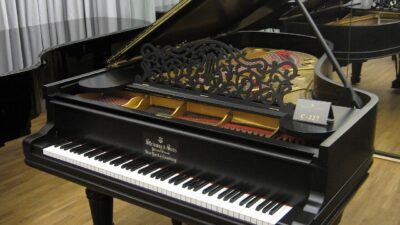
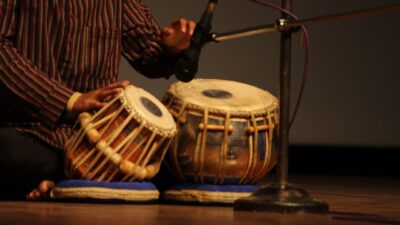
| वाद्य | piano · Strings · tabla · dhol |
| भाव | उदास · रोमांटिक |
| लोकप्रियता | Popular |
| बोल-स्थिति | केवल झलक |
जुड़े हुए पन्ने
Connected Plates · The Graph Made Visibleअटलस में कोई पन्ना अकेला नहीं — इस गीत से जुड़े गीत, कलाकार, फ़िल्म, राग-ताल-विधा, सब यहाँ से खुलते हैं।
कलाकार · The Artists
फ़िल्म · The Film
साझा कीजिए · Share this Plate