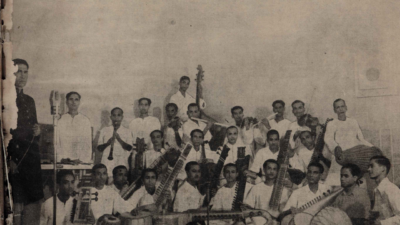
कलाकार विंग · कलाकार-पट्टिका · Artist Plate
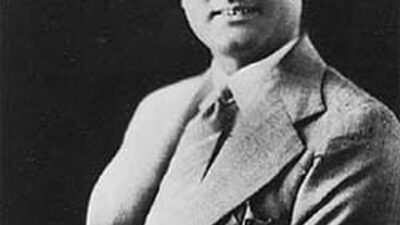
तिमिर बरन
Timir Baran
निधन1987
जीवन-पट्टी
The Life Specimen| नाम | तिमिर बरन · Timir Baran |
|---|---|
| निधन | 1987 |
| भूमिकाएँ | संगीतकार · रचनाकार |
| सक्रिय वर्ष | 1930s–1970s |
| विधाएँ | फ़िल्मी · उप-शास्त्रीय · ठुमरी · ग़ज़ल · लोक |
| भाषाएँ | brajbhasha-hindi · hindi-urdu · hindi |
पट्टिका-लेख
The Monographजीवनी Biography
तिमिर बरन भट्टाचार्य कलकत्ता के न्यू थिएटर्स युग के आधारभूत संगीत-निर्देशकों में से एक थे, जिन्हें 'देवदास' (1935) — आरंभिक हिंदी सिनेमा की शायद सर्वाधिक प्रभावशाली सवाक् फ़िल्म — के संगीत के लिए सबसे अधिक याद किया जाता है। हिंदुस्तानी शास्त्रीय संगीत में प्रशिक्षित और बंगाली संगीत-परंपराओं की गहरी समझ के साथ, तिमिर बरन ने फ़िल्म-संरचना में शास्त्रीय परिष्कार और भावनात्मक प्रत्यक्षता का ऐसा संयोजन लाया जिसने न्यू थिएटर्स की ध्वनि को परिभाषित किया। 'देवदास' में के.एल. सहगल के साथ उनके सहयोग ने शापित रोमांटिक आर्केटाइप से सबसे अधिक जुड़े गाने दिए: 'बालम आए बसो मोरे मन में' और 'दुख के अब दिन' एक पीढ़ी की भावनात्मक भाषा बन गए।
अंग्रेज़ी में पढ़ें · Read in English
Timir Baran Bhattacharya was one of the foundational music directors of the New Theatres era in Calcutta, best remembered for scoring Devdas (1935) — arguably the most influential sound film in early Hindi cinema. Trained in Hindustani classical music with a deep command of Bengali musical traditions, Timir Baran brought a combination of classical refinement and emotional directness to film composition that defined the New Theatres sound. His collaboration with K.L. Saigal in Devdas produced the songs most closely associated with the doomed romantic archetype: 'Balam Aaye Baso More Man Mein' and 'Dukh Ke Ab Din' became the emotional grammar of a generation.
प्रारंभिक जीवन Early Life
बंगाल में जन्मे, तिमिर बरन ने हिंदुस्तानी शास्त्रीय संगीत में अपनी शुरुआती तालीम पाई। उनके गुरुओं और औपचारिक शिक्षा के विवरण उपलब्ध स्रोतों में पूरी तरह दर्ज़ नहीं हैं।
अंग्रेज़ी में पढ़ें · Read in English
Born in Bengal, Timir Baran received his early training in Hindustani classical music. Details of his teachers and formal education are not fully documented in available sources.
करियर Career
तिमिर बरन 1930 के दशक की शुरुआत में न्यू थिएटर्स से जुड़े और स्टूडियो के सबसे भरोसेमंद फ़िल्म-संगीतकार बन गए। उनकी प्रमुख उपलब्धि पी.सी. बरुआ के 'देवदास' (1935) का संगीत था, जिसने हिंदी भाषाई रोमांटिक त्रासदी के लिए ध्वनि-साँचा स्थापित किया। वे बाद के दशकों में बंगाली और हिंदी दोनों सिनेमा में काम करते रहे।
अंग्रेज़ी में पढ़ें · Read in English
Timir Baran joined New Theatres in the early 1930s and became one of the studio's most reliable film composers. His major achievement was the score for P.C. Barua's Devdas (1935), which established the sonic template for Hindi-language romantic tragedy. He continued to work in both Bengali and Hindi cinema through subsequent decades.
विरासत Legacy
तिमिर बरन का 'देवदास' (1935) पर काम हिंदी फ़िल्म कैनन में उनका स्थायी योगदान है। उन्होंने सहगल के लिए जो गाने संगीतबद्ध किए वे टॉकी-भोर के विषाद-राग के स्वर्ण-मानक बने हुए हैं — नौ दशकों में अध्ययन किए, कवर किए और उद्धृत किए गए।
अंग्रेज़ी में पढ़ें · Read in English
Timir Baran's work on Devdas (1935) is his permanent contribution to the Hindi film canon. The songs he scored for Saigal remain the gold standard of the talkie-dawn era's melancholic register — studied, covered and referenced across nine decades.
गायन-शैली Musical Style
बंगाल की हिंदुस्तानी शास्त्रीय परंपरा में जड़ें रखते हुए, तिमिर बरन भावनात्मक रूप से सादी बंदिशों को पसंद करते थे जो आवाज़ को केंद्र में रखें, न्यूनतम संगत के साथ। वे समझते थे कि आरंभिक टॉकी युग में फ़िल्म-संगीत को पहले नाटक की सेवा करनी है — धुन चरित्र की सेवा में थी।
अंग्रेज़ी में पढ़ें · Read in English
Rooted in Bengal's Hindustani classical tradition, Timir Baran favoured emotionally spare settings that placed the voice at the centre, with minimal accompaniment. He understood that film music in the early talkie era needed to serve the drama first — melody was in the service of character.
सांस्कृतिक प्रभाव Cultural Impact
'देवदास' के संगीतकार — सरोद और वाद्य-वृंद का आत्मीय रंग फ़िल्म में लाए; शोक को ही स्वर दे दिया।
अंग्रेज़ी में पढ़ें · Read in English
Devdas's composer — he brought the sarod and orchestral chamber colour into film, scoring grief itself.
तालीम, विधाएँ और भाषाएँ
Training · Genres · Languagesजीवन-रेखा
Career Highlights- 1935 'देवदास' — सहगल के युग-गीत Devdas — Saigal's defining songs
अन्य विवरण
More Details- Death Year
- 1987
- Active Years
- 1930s–1970s
Early Life
बंगाल में जन्मे, तिमिर बरन ने हिंदुस्तानी शास्त्रीय संगीत में अपनी शुरुआती तालीम पाई। उनके गुरुओं और औपचारिक शिक्षा के विवरण उपलब्ध स्रोतों में पूरी तरह दर्ज़ नहीं हैं।
Born in Bengal, Timir Baran received his early training in Hindustani classical music. Details of his teachers and formal education are not fully documented in available sources.
Career
तिमिर बरन 1930 के दशक की शुरुआत में न्यू थिएटर्स से जुड़े और स्टूडियो के सबसे भरोसेमंद फ़िल्म-संगीतकार बन गए। उनकी प्रमुख उपलब्धि पी.सी. बरुआ के 'देवदास' (1935) का संगीत था, जिसने हिंदी भाषाई रोमांटिक त्रासदी के लिए ध्वनि-साँचा स्थापित किया। वे बाद के दशकों में बंगाली और हिंदी दोनों सिनेमा में काम करते रहे।
Timir Baran joined New Theatres in the early 1930s and became one of the studio's most reliable film composers. His major achievement was the score for P.C. Barua's Devdas (1935), which established the sonic template for Hindi-language romantic tragedy. He continued to work in both Bengali and Hindi cinema through subsequent decades.
Legacy
तिमिर बरन का 'देवदास' (1935) पर काम हिंदी फ़िल्म कैनन में उनका स्थायी योगदान है। उन्होंने सहगल के लिए जो गाने संगीतबद्ध किए वे टॉकी-भोर के विषाद-राग के स्वर्ण-मानक बने हुए हैं — नौ दशकों में अध्ययन किए, कवर किए और उद्धृत किए गए।
Timir Baran's work on Devdas (1935) is his permanent contribution to the Hindi film canon. The songs he scored for Saigal remain the gold standard of the talkie-dawn era's melancholic register — studied, covered and referenced across nine decades.
Musical Style
बंगाल की हिंदुस्तानी शास्त्रीय परंपरा में जड़ें रखते हुए, तिमिर बरन भावनात्मक रूप से सादी बंदिशों को पसंद करते थे जो आवाज़ को केंद्र में रखें, न्यूनतम संगत के साथ। वे समझते थे कि आरंभिक टॉकी युग में फ़िल्म-संगीत को पहले नाटक की सेवा करनी है — धुन चरित्र की सेवा में थी।
Rooted in Bengal's Hindustani classical tradition, Timir Baran favoured emotionally spare settings that placed the voice at the centre, with minimal accompaniment. He understood that film music in the early talkie era needed to serve the drama first — melody was in the service of character.
अभिलेख-सार
Discography Summary| संग्रह में गीत | 24 — नीचे जुड़े हुए पन्नों में सूचीबद्ध |
|---|---|
| कुल ज्ञात रिकॉर्डिंग | 3 — 3 संग्रह में उपलब्ध |
| रिकॉर्डिंग-काल | 1935–1937 · पहला सत्र 1935 |
| फ़िल्में व डिस्क | Devdas 1935 · Kisan Kanya 1937 |
| प्रमुख भूमिका | संगीतकार |
| नित्य सहयोगी | Kidar Sharma · K L Saigal · Bibbo · Unknown (Needs Verification) |
| हस्ताक्षर-गीत | Balam Aaye Baso More Man Mein · Dukh Ke Ab Din |
| स्रोत | derived from the HindiGeet song archive |
जुड़े हुए पन्ने
Connected Plates · The Graph Made Visibleअटलस में कोई पन्ना अकेला नहीं — तिमिर बरन से उनके गीत, फ़िल्में, घराना, समकालीन और युग, सब यहाँ से खुलते हैं।
हस्ताक्षर-गीत · Signature Songs
साझा कीजिए · Share this Plate
यह पन्ना आगे बढ़ाइए
जुड़ी हुई दुनिया
Explore ConnectionsSongs Composed · संगीतबद्ध गीत (34)
 देवदास1935
 कारवाँ-ए-हयात1935
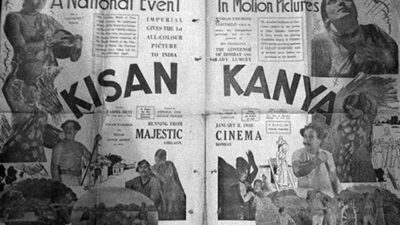 किसान कन्या1937
 पुजारिन1936
 राज नर्तकी1941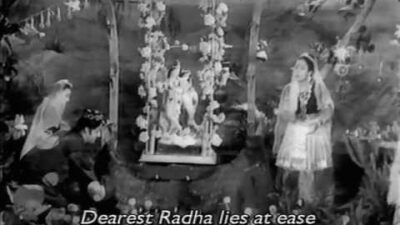

आँखों में नूर तेरा दिल में सुरूर तेरा
Aankhon Mein Noor Tera Dil Mein Suroor Tera
आँखों में नूर तेरा दिल में सरूर तेरा
Aankhon Mein Noor Tera Dil Mein Suroor Tera