सिनेमा विंग · फ़िल्म-पट्टिका · Film Plate
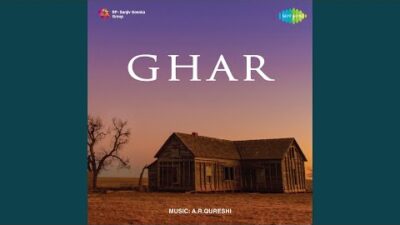
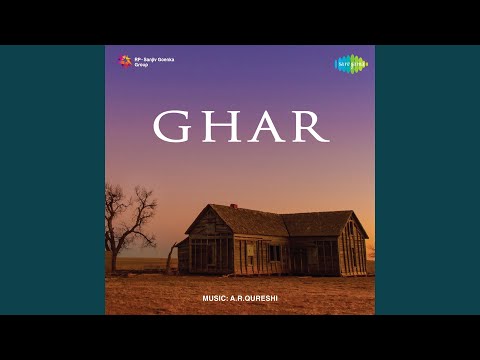
घर
Ghar
शैलीDrama · Family Drama · Social
भाषाhindi प्रकारकथा-चित्र (फ़ीचर)
गीत8 — नीचे पूरी संगीत-सूची
कथा-सार
Synopsis'घर' सनराइज़ पिक्चर्स में बनी एक पारिवारिक नाट्य-फ़िल्म थी — वी. एम. व्यास की वह तीसरी फ़िल्म जो उन्होंने 'घर' शब्द के इर्द-गिर्द रची, 'घर की लाज' (1941) और 'घर संसार' (1942) के बाद। 'घर संसार' सनराइज़ पिक्चर्स की फ़िल्म थी, जबकि 'घर की लाज' का बैनर किसी देखे गए स्रोत में दर्ज नहीं है। इसका कोई प्रिंट, प्रचार-पुस्तिका या विस्तृत कथा-सार बचा हुआ ज्ञात नहीं है, इसलिए कहानी दृश्य-दर-दृश्य नहीं बताई जा सकती; जो पुनर्निर्मित किया जा सकता है वह कलाकार-सूची और उन चार गीत-पाठों से आता है जो गीत-संग्रहों में सुरक्षित रह गए। उन चार में से दो फ़िल्म के विषय की ओर बिल्कुल स्पष्ट संकेत करते हैं। एक गीत उस स्त्री को संबोधित है जो विवाह के तुरंत बाद ही विधवा हो गई — सिंदूर मिटा, घर उजड़ा, दो दिन की सुहागन को विधवा कहा गया — और उससे कहता है कि न फ़रियाद कर, न आँसू बहा, क्योंकि इतनी बड़ी दुनिया में कोई सुनने वाला नहीं। दूसरा उसी स्त्री का अपना स्वर है, जो अपने आँसुओं को आँखों में ही सो जाने का आदेश देती है ताकि दुनिया बदनाम न करे, कहती है कि उसके लिए हँसना भी पाप है और रोना भी, और यह कि धरती उसे मरने नहीं देती और दुनिया उसे जीने नहीं देती। इस पात्र के चारों ओर व्यास ने वही मंडली जुटाई जो वे 1941 से इस्तेमाल कर रहे थे — कल्याणी, मिर्ज़ा मुशर्रफ़ और याक़ूब — साथ में कलकत्ता की अभिनेत्री मोलिना देवी, और अपने आरंभिक परदे-रूपों में से एक में युवा इफ़्तेख़ार। जो उभरता है वह उसी क़िस्म का सुधारवादी घरेलू मेलोड्रामा है जो बंबई के मँझोले बजट के स्टूडियो 1940 के दशक में लगातार बनाते रहे: एक घरेलू फ़िल्म, जो इस सवाल पर टिकी है कि जिस स्त्री को परिवार अपना गिनना छोड़ देता है, उसके प्रति उसका क्या कर्तव्य बचता है।
अंग्रेज़ी में पढ़ें · Read in English
Ghar was a family drama made at Sunrise Pictures, the third picture in which V. M. Vyas built a film around the Hindi word for home, following Ghar Ki Laaj (1941) and Ghar Sansar (1942) — Ghar Sansar was a Sunrise Pictures production, while no source consulted names the banner of Ghar Ki Laaj. No print, press book or detailed plot summary is known to survive, so the story cannot be recounted scene by scene; what can be reconstructed comes from the cast list and from the four song texts that survive in the song archives. Two of those four point unambiguously at the film's subject. One is addressed to a woman widowed almost as soon as she was married — her vermilion wiped away, her home broken, called a widow after being a bride for barely two days — and tells her not to plead and not to weep, because in a world this large nobody will listen. The other is that same woman's own voice, ordering her tears to stay asleep in her eyes so the world will not shame her, saying that laughter and weeping have both become sins for her, and that the earth will not let her die while the world will not let her live. Around that figure Vyas assembled the repertory company he had been using since 1941 — Kalyani, Mirza Musharraf and Yakub — together with the Calcutta actress Molina Devi and, in one of his earliest screen roles, the young Iftekhar. What emerges is the kind of reformist domestic melodrama that Bombay's mid-budget studios turned out steadily through the 1940s: a household picture built around the question of what a family owes a woman it has stopped counting as one of its own.
संगीत-सूची
The Soundtrackआठ गीत, सभी रूपबानी के लिखे और अल्ला रक्खा के स्वरबद्ध किए। देखे गए स्रोतों में केवल माइस्वार फ़िल्म का रिकॉर्ड लेबल बताता है — कोलंबिया रिकॉर्ड्स; हिंदीगीतमाला, विकिपीडिया और सारेगामा कोई लेबल नहीं देते। यह एलबम साफ़ दो हिस्सों में बँटता है। इसका गंभीर हिस्सा दो विधवा-गीत हैं — ज़ोहराबाई अम्बालेवाली का 'फ़रियाद ना कर आँसू ना बहा', जो विधवा से कहा गया है, और राजकुमारी की आवाज़ में 'मेरी आँखों के आँसू', जो स्वयं विधवा का स्वर है — जो एक ही स्थिति को दो रंगतों में रखते हैं, एक बाहर से सांत्वना देती हुई, दूसरी भीतर से सांत्वना ठुकराती हुई। इनके सामने हल्के गीत हैं: राजकुमारी और अफ़ज़ल लाहौरी के दो युगल ('अच्छी नहीं ये छेड़', जो अपने पति का नाम मुँह से न लेने की ज़िद पर की गई नोकझोंक है, और 'सजनिया चले आओ'), अमीरबाई कर्नाटकी का उत्सवी 'ये हवाएँ सलाम कहती हैं', कल्याणी का 'तू आई पिया के द्वार', मोलिना देवी का 'होनी थी जो हो गई', और 'मेरा मारकेट के सामने मकान है', जिसमें ख़ुद संगीतकार अमीरबाई के सामने गाते हैं। इन अंतिम तीनों के बोल कभी प्रकाशित नहीं हुए, इसलिए यहाँ यह दावा नहीं किया गया कि वे क्या कहते हैं।
अंग्रेज़ी में पढ़ें · Read in English
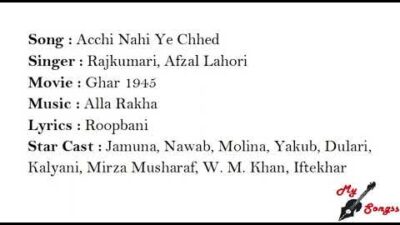
Eight songs, all written by Roopbani and composed by Allah Rakha. MySwar is the only source consulted that names a record label for the film, giving it as Columbia Records; HindiGeetMala, Wikipedia and Saregama name none. The album divides cleanly in two. Its serious half is a pair of widow songs — 'Fariyad Na Kar Aansu Na Baha' sung to the widow by Zohrabai Ambalewali, and 'Meri Aankhon Ke Aansu' sung by the widow herself in Rajkumari's voice — which put the same predicament in two registers, one consoling from outside, the other refusing consolation from inside. Against them sit lighter numbers: two Rajkumari and Afzal Lahori duets ('Acchi Nahi Ye Chhed', a quarrel about a woman refusing to say her man's name aloud, and 'Sajaniya Chale Aao'), Amirbai Karnataki's celebratory 'Ye Hawayein Salaam Kehti Hain', Kalyani's 'Tu Aayi Piya Ke Dwar', Molina Devi's 'Honi Thi Jo Ho Gayi', and 'Mera Market Ke Saamne Makaan Hai', on which the composer himself sings opposite Amirbai. The lyrics of those last three have never been published, so nothing is claimed here about what they say.
- फ़रियाद ना कर आँसू ना बहा Fariyad Na Kar Aansu Na Baha स्वर: Zohrabai Ambalewali
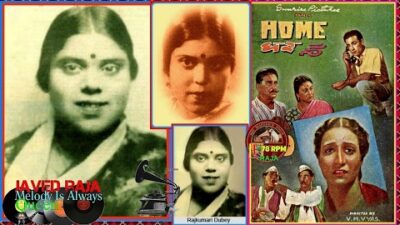
- मेरी आँखों के आँसू Meri Aankhon Ke Aansu स्वर: Rajkumari
- अच्छी नहीं ये छेड़ Acchi Nahi Ye Chhed स्वर: Rajkumari, Afzal Lahori
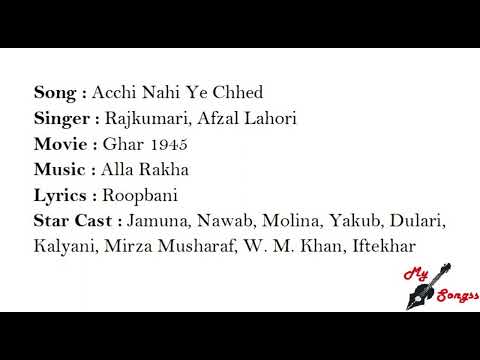
- सजनिया चले आओ Sajaniya Chale Aao स्वर: Rajkumari, Afzal Lahori

- ये हवाएँ सलाम कहती हैं Ye Hawayein Salaam Kehti Hain स्वर: Amirbai Karnataki
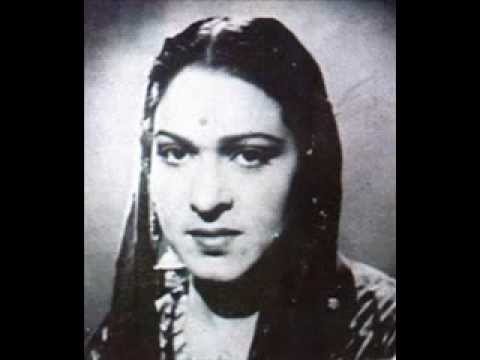
- तू आई पिया के द्वार Tu Aayi Piya Ke Dwar स्वर: Kalyani

- होनी थी जो हो गई Honi Thi Jo Ho Gayi स्वर: मोलिना देवी

- मेरा मारकेट के सामने मकान है Mera Market Ke Saamne Makaan Hai स्वर: Amirbai Karnataki, Allah Rakha
पट्टिका-लेख
The Monographपर्दे के पीछे Behind the Scenes
वी. एम. व्यास — विष्णु एम. व्यास — सनराइज़ पिक्चर्स के घरेलू निर्देशक थे, जो एक जमी-जमाई मंडली के साथ काम करते थे। कल्याणी और मिर्ज़ा मुशर्रफ़ उनकी फ़िल्मों में 'घर की लाज' (1941) और 'घर संसार' (1942) से दिखते आ रहे थे; याक़ूब 'मां बाप' (1944) से आए, वही फ़िल्म जो व्यास ने पिछले बरस इन्हीं संगीतकार और इन्हीं गीतकार के साथ बनाई थी। इस तरह 'घर' व्यास–अल्ला रक्खा–रूपबानी की लगातार दूसरी साझेदारी है, और पाँच वर्षों में व्यास की तीसरी ऐसी फ़िल्म जिसका शीर्षक और विषय दोनों 'घर' ही हैं। इस फ़िल्म में कल्याणी की स्थिति असामान्य और उल्लेखनीय है: वे कलाकार-सूची में भी हैं और 'तू आई पिया के द्वार' की गायिका के रूप में भी — वह दोहरा श्रेय जो 1945 में सामान्य था और दस वर्ष बाद लगभग लुप्त हो चुका था। उतनी ही उस दौर की बात यह भी है कि संगीतकार स्वयं माइक्रोफ़ोन के सामने आकर अपने ही संगीत में एक युगल गीत गाते हैं।
अंग्रेज़ी में पढ़ें · Read in English
V. M. Vyas — Vishnu M. Vyas — was a Sunrise Pictures house director who worked with a settled repertory company. Kalyani and Mirza Musharraf had been appearing in his casts since Ghar Ki Laaj (1941) and Ghar Sansar (1942); Yakub came over from Maa Baap (1944), the film Vyas had made the previous year with the same composer and the same lyricist. Ghar is therefore the second consecutive Vyas–Allah Rakha–Roopbani collaboration, and the third Vyas picture in five years to take the household itself as its title and its theme. Kalyani's position on this film is unusual and worth noting: she is listed both in the cast and as the singer of 'Tu Aayi Piya Ke Dwar', the sort of double credit that was still ordinary in 1945 and would be almost extinct ten years later. Equally of its moment is the composer stepping in front of the microphone to sing a duet on his own score.
महत्व Significance
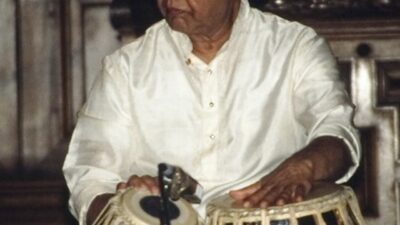
आज 'घर' का महत्त्व लगभग पूरी तरह उसके संगीतकार पर टिका है। संगीत का श्रेय अल्ला रक्खा को है — अल्ला रक्खा क़ुरैशी, तबले के पंजाब घराने के वे उस्ताद जो 1960 और 1970 के दशकों में रवि शंकर के संगतकार के रूप में मॉन्टेरे से वुडस्टॉक तक के मंचों पर रहे, और जिन्होंने अपने फ़िल्मी नाम ए. आर. क़ुरैशी से 1943 से 1960 के दशक के मध्य तक लगभग दो दर्जन हिंदी और पंजाबी फ़िल्मों का संगीत दिया। 'घर' उस समांतर करियर की बिल्कुल शुरुआत में आती है: यह वी. एम. व्यास के लिए उनका दूसरा संगीत है, 'मां बाप' (1944) के बाद — वही फ़िल्म जिस पर उनका और गीतकार रूपबानी का पहला साथ बना था। लेकिन यह हर तरह से उनका अगला संगीत नहीं था — 'घर की शोभा' (1944), जो मैग्नेट पिक्चर्स में किसी दूसरे निर्देशक के साथ बनी, उसी संगीतकार और उसी गीतकार को दर्ज करती है। यह फ़िल्म इफ़्तेख़ार के आरंभिक श्रेयों में से एक भी है, जो एक पीढ़ी बाद हिंदी सिनेमा के सबसे पहचाने जाने वाले पुलिस अधिकारी बने। और इसके आठ गीत उस महिला पार्श्वगायन-क्षेत्र की झाँकी हैं जो लता मंगेशकर के आने से पहले के आख़िरी वर्षों में था: तीन गीतों पर राजकुमारी, बाक़ी पर ज़ोहराबाई अम्बालेवाली और अमीरबाई कर्नाटकी, तथा कल्याणी और मोलिना देवी के हिस्से एक-एक गीत।
अंग्रेज़ी में पढ़ें · Read in English
Ghar's importance today rests almost entirely on its music director. The score is credited to Allah Rakha — Alla Rakha Qureshi, the Punjab gharana tabla master who would spend the 1960s and 1970s on stages from Monterey to Woodstock as Ravi Shankar's accompanist, and who scored close to two dozen Hindi and Punjabi films between 1943 and the mid-1960s under his film name, A. R. Qureshi. Ghar belongs to the very beginning of that parallel career: it is his second score for V. M. Vyas, after Maa Baap (1944), the picture on which he and the lyricist Roopbani had first worked together. It was not, however, his next score of any kind — Ghar Ki Shobha (1944), made at Magnet Pictures under a different director, carries the same composer and the same lyricist. The film is also one of the earliest screen credits of Iftekhar, who a generation later became the most instantly recognisable police officer in Hindi cinema. And its eight songs are a snapshot of the female playback field in the last years before Lata Mangeshkar reset it: Rajkumari on three numbers, Zohrabai Ambalewali and Amirbai Karnataki on the rest, with Kalyani and Molina Devi taking one apiece.
विरासत Legacy
'घर' का कोई प्रिंट बचा हुआ ज्ञात नहीं है और फ़िल्म बहुत पहले प्रचलन से बाहर हो चुकी; जो बचा है वह संगीत है। आठों गीत आज भी सारेगामा बेचता है, उनमें से पाँच संग्रह-ब्लॉग 'अतुल्स सॉन्ग अ डे' पर ध्वनि के रूप में भी सामने आ चुके हैं, और आठ में से चार गीत-पाठ गीत-संग्रहों में सुरक्षित हैं। इसका बाद का जीवन कथानक से नहीं, इसके लोगों से चलता है। अल्ला रक्खा का फ़िल्म-संगीत आज एक अंतरराष्ट्रीय महत्त्व वाले शास्त्रीय करियर की पादटिप्पणी भर है, लेकिन 'घर' उस दस्तावेज़ का हिस्सा है जो बताता है कि युद्धकालीन बंबई में एक युवा तबला वादक ने दुनिया के उसका नाम जानने से पहले अपना गुज़ारा कैसे किया — और यह भी कि पंजाब घराने का एक तालवादक हिंदी फ़िल्म के विधवा-विलाप को कितनी सहजता से रच सकता था। गायिकाओं के लिए यह एक क्षण को स्थिर करती है: राजकुमारी और ज़ोहराबाई अम्बालेवाली अपने उस वर्चस्व के शिखर पर, जिसके पास बस दो-तीन साल बचे थे, और अमीरबाई कर्नाटकी अब भी पहली पसंद। इफ़्तेख़ार के लिए यह पचास वर्ष लंबे करियर की शुरुआत के पास है। और गीतकार रूपबानी, जिनका न जन्म-वर्ष बचा है, न मृत्यु-वर्ष, न कोई जीवनी — वे यहाँ दो सौ से अधिक श्रेयांकित गीतों की उस लंबी दौड़ के आरंभ में हैं; 'घर' उन आरंभिक फ़िल्मों में है जिनके सहारे उनके बारे में कुछ भी जाना जा सकता है।
अंग्रेज़ी में पढ़ें · Read in English
No print of Ghar is known to survive and the film has long since dropped out of circulation; what remains is the music. All eight songs are still sold by Saregama, five of them have also surfaced as audio on the archival blog Atul's Song A Day, and four of the eight lyric texts survive in the song archives. Its afterlife runs through its people rather than its plot. Allah Rakha's film scoring is now a footnote to a classical career of international importance, but Ghar is part of the record of how a young tabla player supported himself in wartime Bombay before the world knew his name — and of how comfortably a Punjab gharana percussionist could write a Hindi film widow's lament. For the singers it fixes a moment: Rajkumari and Zohrabai Ambalewali at the height of a primacy that had only two or three years left to run, and Amirbai Karnataki still a first-call voice. For Iftekhar it is near the start of a fifty-year career. And the lyricist Roopbani, of whom no birth year, death year or biography survives at all, is here at the beginning of a run of more than two hundred credited songs — Ghar is one of the earliest films by which anything about him can be known at all.
अन्य विवरण
More Details- https://en.wikipedia.org/wiki/List_of_Hindi_films_of_1945
- https://www.hindigeetmala.net/movie/ghar_1945.htm
- https://myswar.co/album/ghar-1945
- https://indiancine.ma/EEB/info
- https://en.wikipedia.org/wiki/Alla_Rakha
- https://en.wikipedia.org/wiki/Iftekhar
- https://en.wikipedia.org/wiki/Ghar_Sansar_(1942_film)
- https://www.saregama.com/album/ghar_107503
- https://atulsongaday.me/tag/ghar+1945/
- https://myswar.co/album/maa-baap-1944
References
नमूना-पट्टी
The Specimen Table| शीर्षक | घर · Ghar |
|---|---|
| वर्ष · युग | 1945 — Pre Independence |
| निर्देशक | वी. एम. व्यास · V. M. Vyas |
| संगीत-निर्देशक | अल्ला रक्खा · Allah Rakha |
| गीतकार | रूपबानी · Roopbani |
| कलाकार-मंडली | जमुना · Jamuna · नवाब · Nawab · मोलिना देवी · Molina Devi · याक़ूब · Yakub · कल्याणी · Kalyani · इफ़्तेख़ार · Iftekhar · दुलारी · Dulari · मिर्ज़ा मुशर्रफ़ · Mirza Musharraf · डब्ल्यू.एम. ख़ान · W. M. Khan · कमला · Kamla |
| निर्माण-गृह | Sunrise Pictures, Bombay |
| लेबल | Columbia Records |
| शैली | Drama · Family Drama · Social |
| भाषा | hindi |
| प्रकार | कथा-चित्र (फ़ीचर) |
| गीत | 8 गीत — ऊपर पूरी संगीत-सूची |
जुड़े हुए पन्ने
Connected Plates · The Graph Made Visibleअटलस में कोई पन्ना अकेला नहीं — 'घर' से उसके गीत, कलाकार, राग और युग, सब जुड़े हैं।
इस फ़िल्म के गीत · Songs of this Film
कलाकार · Cast & Crew
युग · The Era
साझा कीजिए · Share this Plate