गीत विंग · गीत-पट्टिका · Song Plate
मेरी आँखों के आँसू
Meri Aankhon Ke Aansu
विधवा का अपना जवाब — राजकुमारी अपने ही आँसुओं को आदेश देती हैं कि वे आँखों के भीतर ही सोए रहें, ताकि दुनिया उन्हें कभी देख न सके।
भावअविस्मरणीय · तीव्र · उदास
भाषाhindi गतिधीमी स्वरूपएकल महिला
श्रेय
The Creditsसूत्र-वाक्य · The Hook
सूत्र-वाक्य
विधवा का अपना जवाब — राजकुमारी अपने ही आँसुओं को आदेश देती हैं कि वे आँखों के भीतर ही सोए रहें, ताकि दुनिया उन्हें कभी देख न सके।
In EnglishThe widow answers back — Rajkumari orders her own tears to stay asleep inside her eyes so that the world will never get to see them.
पट्टिका-लेख
The Monographपरिचय Overview
अगर 'फ़रियाद ना कर आँसू ना बहा' 'घर' की विधवा से कही गई बात है, तो यह वही स्त्री ख़ुद बोलती हुई है। राजकुमारी यहाँ अपने ही आँसुओं को संबोधित एक एकालाप गाती हैं, उन्हें आदेश देती हुई कि वे जहाँ हैं वहीं सो जाएँ, वहाँ न गिरें जहाँ उन्हें देखा जा सके। इन दोनों गीतों को एक जोड़ी की तरह समझना सबसे ठीक है — एक बाहर से दी गई सांत्वना, दूसरी भीतर से उसका इनकार — और साथ मिलकर वे फ़िल्म के विषय का सबसे मज़बूत बचा हुआ संकेत हैं।
अंग्रेज़ी में पढ़ें · Read in English
If 'Fariyad Na Kar Aansu Na Baha' is Ghar's widow spoken to, this is the same woman speaking. Rajkumari sings a monologue addressed to her own tears, instructing them to sleep where they are rather than fall where they can be seen. The two songs are best understood as a pair — one consolation offered from outside, one refusal of it from inside — and together they are the strongest surviving indication of the film's subject.
संगीत The Music
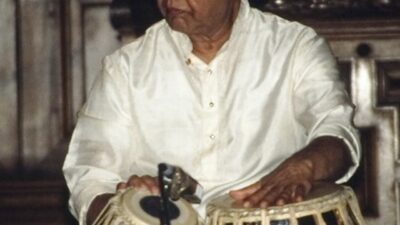
1940 के दशक में राजकुमारी का वाद्य एक हल्की, ऊँची, थोड़ी नासिक आवाज़ थी, जिसमें बहुत तेज़ स्वाभाविक कंपन था, और यहाँ उसका प्रयोग उसके सामान्य काम के ठीक उलट किया गया है — उनके हल्के गीतों की चंचल फुर्ती नहीं, बल्कि एक ठहरी हुई, सँकरी, लगभग हवा-रहित स्वर-रेखा। अल्ला रक्खा साज-सज्जा को कम और धीमा रखते हैं, लय को इतना पीछे खींचकर कि पदों को गाकर निकालने के बजाय थामे रखना पड़े — और यही इस गायन को रुकी हुई साँस का एहसास देता है।
अंग्रेज़ी में पढ़ें · Read in English
Rajkumari's instrument in the 1940s was a light, high, faintly nasal voice with a very quick natural vibrato, and it is used here for the opposite of what it usually did — not the darting playfulness of her lighter numbers but a held, narrow, almost airless line. Alla Rakha keeps the setting spare and slow, with the tempo pulled back far enough that the phrases have to be sustained rather than sung through, which is what gives the performance its sense of held breath.
काव्य The Poetry
इस गीत की युक्ति है गायिका का अपने ही आँसुओं को सीधा संबोधन, जो उन्हें एक साथ उसकी बची हुई एकमात्र संगत भी बना देता है और वे गवाह भी, जिन्हें चुप कराना उसकी मजबूरी है। रूपबानी कविता को उस विधवापन से गढ़ते हैं जो विवाह की अगली ही रात शुरू हुआ, और उस सामाजिक गणित से, जिसमें हँसना और रोना दोनों उसके अपराध गिने जाते हैं: ख़ुशी अशोभनीय है, शोक तमाशा है, और तीसरा कोई विकल्प नहीं। टूटी चूड़ियाँ और मिटा सिंदूर इस विधा का सामान्य प्रतीकात्मक काम करते हैं। इस गीत को परंपरा से ऊपर उठाती है इसकी अंतिम गाँठ — धरती उसे लेती नहीं और दुनिया उसे जीने नहीं देती — जो विधवा की स्थिति को घाव की तरह नहीं, एक तार्किक फंदे की तरह रखती है।
अंग्रेज़ी में पढ़ें · Read in English
The lyric's device is direct address to the singer's own tears, which turns them into the only companions she has left and, at the same time, into the witnesses she must silence. Roopbani builds the poem out of a widowhood that began the night after the wedding, and out of a social arithmetic in which both laughter and weeping are counted as offences against her: joy is indecent, grief is a spectacle, and there is no third option. The broken bangles and the erased vermilion do the standard symbolic work of the genre. What lifts the lyric above convention is its closing bind — the earth will not take her and the world will not let her live — which states the widow's position as a logical trap rather than as a wound.
कहानी The Story
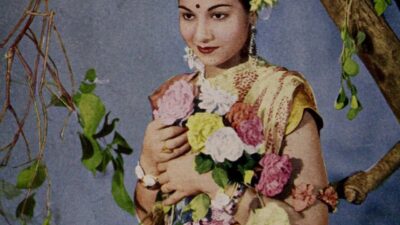
'घर' (1945) का निर्देशन वी. एम. व्यास ने सनराइज़ पिक्चर्स, बंबई के लिए किया, और इसमें अल्ला रक्खा तथा रूपबानी के आठ गीत थे। राजकुमारी उनमें से तीन गाती हैं, फ़िल्म की किसी भी अन्य गायिका से अधिक, और उनके इन तीन में से यही अकेला एकल है — बाक़ी दो अफ़ज़ल लाहौरी के साथ युगल हैं, दोनों कहीं अधिक हल्की रंगत में। यह बँटवारा संकेत देता है कि वे फ़िल्म की केंद्रीय स्त्री-भूमिका को स्वर दे रही थीं, हालाँकि प्रिंट और गीत-पात्र मिलान दोनों के अभाव में यह पक्का नहीं किया जा सकता। इस गीत का पाठ 'घर' के उन चार गीतों में है जो गीत-संग्रहों में सुरक्षित रह गए।
अंग्रेज़ी में पढ़ें · Read in English
Ghar (1945) was directed by V. M. Vyas for Sunrise Pictures, Bombay, with eight songs by Alla Rakha and Roopbani. Rajkumari carries three of them, more than any other singer in the film, and this is the only one of her three that is a solo — the other two are duets with Afzal Lahori, both in a far lighter register. That distribution suggests she was voicing the film's central female role, though with no print and no cast-to-song mapping surviving, the assignment cannot be confirmed. The song's text is one of four from Ghar preserved in the song archives.
विरासत The Legacy
यही वह गीत है जो 'घर' को अल्ला रक्खा की फ़िल्म-सूची की एक पंक्ति भर से ज़्यादा याद रखे जाने का दावा देता है। यह 1930 से 1950 के दशकों के बीच लिखे गए हिंदी फ़िल्मी विधवा-गीतों की उस बड़ी परंपरा का हिस्सा है, जब विधवा की स्थिति उन गिने-चुने सामाजिक प्रश्नों में थी जिन पर उद्योग बार-बार लौटता रहा — और उनमें भी यह असामान्य रूप से बेरहम है: न कोई सुधारवादी नायक आता है, न पुनर्विवाह का प्रस्ताव, न कुछ हल होता है। यह राजकुमारी को भी उस करियर के शिखर पर दर्ज करता है जिसमें अग्रणी स्वर के रूप में अभी एक दशक और बाक़ी था, उसके बाद वह छोटे कोरस-काम में उतरता चला गया — वही राह जिसने 1970 के दशक तक उन्हें इस बात की एक मानक चेतावनी-कथा बना दिया कि उद्योग ने पार्श्वगायकों की अपनी पहली पीढ़ी के साथ कैसा बर्ताव किया।
अंग्रेज़ी में पढ़ें · Read in English
This is the song that gives Ghar whatever claim it has to be remembered as more than a credit line in Alla Rakha's filmography. It belongs to the substantial body of Hindi film widow-songs written between the 1930s and the 1950s, when the widow's position was one of the few social questions the industry returned to repeatedly, and it is unusually unsparing among them: no reformist hero appears, no remarriage is proposed, nothing is resolved. It also documents Rajkumari at the height of a career that had another decade in it as a lead voice before it declined into small chorus work — the trajectory that made her, by the 1970s, one of the standard cautionary stories about how the industry treated its first generation of playback singers.
वर्गीकरण
Classification- Tempo
- Slow
Genre
अन्य विवरण
More Details- https://www.hindigeetmala.net/movie/ghar_1945.htm
- https://en.wikipedia.org/wiki/List_of_Hindi_films_of_1945
- https://www.saregama.com/album/ghar_107503
- https://www.cinemaazi.com/people/alla-rakha-qureshi
- https://atulsongaday.me/2021/01/14/meri-aankhon-ke-aansoo-aankhon-mein-hi-so-jaao/
- https://www.hindigeetmala.net/song/meri_aankho_ke_aansu.htm
- https://en.wikipedia.org/wiki/Rajkumari_Dubey
References
रोचक तथ्य
Margin Notesराजकुमारी 'घर' के आठ में से तीन गीत गाती हैं — इस संगीत की किसी भी अन्य आवाज़ से अधिक — पर एकल यही एक है; बाक़ी दो अफ़ज़ल लाहौरी के साथ युगल हैं।
अंग्रेज़ी में पढ़ें · Read in English
Rajkumari sings three of Ghar's eight songs — more than any other voice on the soundtrack — but this is her only solo; the other two are duets with Afzal Lahori.
यह गीत जनवरी 2021 में 'अतुल्स सॉन्ग अ डे' पर प्रस्तुत हुआ — फ़िल्म के आठ गीतों में से चौथा, जिसकी बची हुई ध्वनि वहाँ सामने आई।
अंग्रेज़ी में पढ़ें · Read in English
The song was featured on Atul's Song A Day in January 2021, the fourth of the film's eight numbers to surface there as surviving audio.
राजकुमारी दुबे (1924-2000) इसे रिकॉर्ड करते समय मुश्किल से इक्कीस वर्ष की थीं; वे तब तक एक दशक से फ़िल्मों में गा रही थीं, 1930 के दशक के मध्य में बाल-कलाकार के रूप में शुरुआत करने के बाद।
अंग्रेज़ी में पढ़ें · Read in English
Rajkumari Dubey (1924-2000) was barely twenty-one when she recorded this; she had already been singing in films for a decade, having begun as a child performer in the mid-1930s.
नमूना-पट्टी
The Specimen Table| शीर्षक | मेरी आँखों के आँसू · Meri Aankhon Ke Aansu |
|---|---|
| फ़िल्म | घर · 1945 |
| वर्ष · युग | 1945 |
| गायक | Rajkumari |
| गीतकार | Roopbani |
| संगीतकार | Allah Rakha |
| स्वरूप | एकल महिला |
| गति | धीमी |
| भाषा | hindi |
| भाव | अविस्मरणीय · तीव्र · उदास |
| लोकप्रियता | Known |
| बोल-स्थिति | केवल झलक |
जुड़े हुए पन्ने
Connected Plates · The Graph Made Visibleअटलस में कोई पन्ना अकेला नहीं — इस गीत से जुड़े गीत, कलाकार, फ़िल्म, राग-ताल-विधा, सब यहाँ से खुलते हैं।
मिलते-जुलते गीत · Related Songs
कलाकार · The Artists
फ़िल्म · The Film
साझा कीजिए · Share this Plate