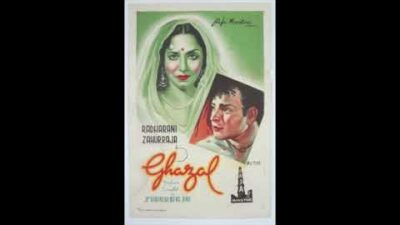
ऐ जान अपने होंठों के फाटक खोलिये
Ae Jaan Apne Honton Ke Phaatak Kholiye
सिनेमा विंग · फ़िल्म-पट्टिका · Film Plate
Ghazal
शैलीSocial · Drama · Musical
भाषाhindi प्रकारकथा-चित्र (फ़ीचर)
गीत8 — नीचे पूरी संगीत-सूची
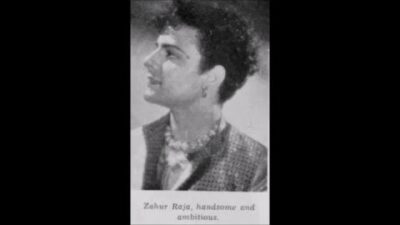
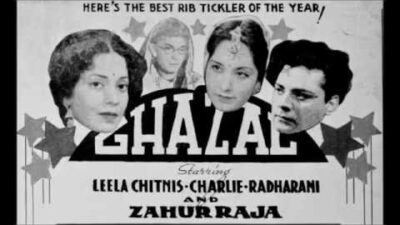
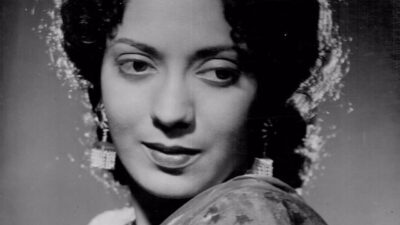
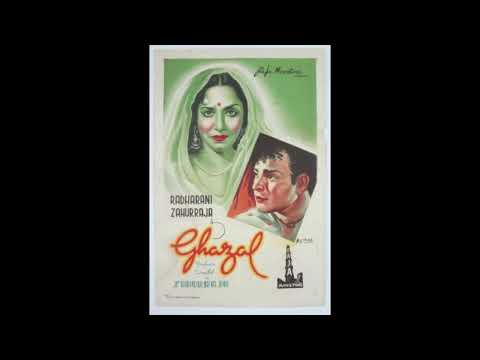
'ग़ज़ल' 1945 की एक हिंदी सामाजिक फ़िल्म है, जिसे बंबई की राजा मूवीटोन ने बनाया — वह बैनर जो अभिनेता ज़हूर राजा ने कारदार, मिनर्वा और नेशनल स्टूडियोज़ में चार साल तक मुख्य भूमिकाएँ करने के बाद 1943 में अपने वित्तीय साझेदार आर. एस. लखानी की मदद से अपने लिए खड़ा किया था। राजा ने ही इसका निर्माण किया, निर्देशन किया, इसमें अभिनय किया और गाया भी। समकालीन विवरण इस फ़िल्म को हल्के हास्य-पुट वाली मुस्लिम सामाजिक फ़िल्म बताते हैं, और कास्टिंग इसकी पुष्टि करती है: उस दशक के सबसे लोकप्रिय हास्य-अभिनेता नूर मोहम्मद चार्ली नायक थे, लीला चिटणीस के सामने, जबकि राजा स्वयं राधारानी के साथ जोड़ी में थे। शीर्षक स्वयं उर्दू की काव्य-विधा का नाम है, और ज्ञान दत्त के आठ गीतों का संगीत ठीक ग़ज़ल के ही विषयों से भरा है: जुदाई का रंज, भूल जाने वाले को दिया गया उलाहना, और बहुत देर से माँगी गई माफ़ी — जिनके सामने एक बिदाई गीत, ब्रजभाषा का एक निमंत्रण और एक खुला हास्य गीत रखे गए हैं। इससे आगे 'ग़ज़ल' की कोई दृश्य-दर-दृश्य कथा उपलब्ध अभिलेखों में नहीं बची — न प्रिंट, न प्रचार-सारांश, न समीक्षाएँ — इसलिए यह प्रविष्टि जानबूझकर फ़िल्म को उतना ही बताती है जितना दर्ज है, और वह कहानी नहीं गढ़ती जिसका कोई स्रोत समर्थन नहीं करता।
Ghazal is a 1945 Hindi social made by Raja Movietone of Bombay, the banner the actor Zahur Raja had set up for himself in 1943 with the financing partner R. S. Lakhani after four years of leading roles for Kardar, Minerva and National Studios. Raja produced it, directed it, acted in it and sang in it. Contemporary accounts describe the picture as a Muslim social with a light comedy touch, and the casting bears that out: Noor Mohammad Charlie — the most bankable screen comedian of the decade — was the hero, opposite Leela Chitnis, while Raja himself was paired with Radharani. The title is the name of the Urdu verse form itself, and the eight-song score by Gyan Dutt is dominated by the ghazal's own subject matter: the sorrow of separation, the reproach addressed to someone who has forgotten, the apology offered too late — with a bidaai song, a Braj-language invitation and one broad comic number set against it. Beyond that, no scene-by-scene plot summary of Ghazal survives in the accessible record — no print, no press synopsis, no reviews — so this entry deliberately describes the film as it is documented rather than reconstructing a story that no source supports.
आठों दर्ज गीत ज्ञान दत्त के हैं, और गीत-श्रेय डी. एन. माधोक, आबिद गुलरेज़, शांत अरोड़ा तथा ख़ावर ज़मान के बीच सामूहिक रूप से बँटा है — किसी भी सूचीपत्र में आठ गीतों का चारों लेखकों में विभाजन नहीं है, इसलिए हर गीत पर चारों नाम हैं। शीर्षक असामान्य रूप से एकसूत्र हैं: 'ये रंज जुदाई के उठाये नहीं जाते', 'भुलाने वाले हमें भी', 'हम भूले तुम माफ़ करो' और 'होगा कोई आराम से' — सभी ग़ज़ल की बुनियादी मुद्राओं पर टिके हैं: जुदाई, उलाहना, माफ़ी और ईर्ष्या-भरी तुलना। इस उर्दू रीढ़ के सामने तीन गीत बिलकुल अलग रंग में खड़े हैं — ब्रज-रंगी निमंत्रण 'मोरे घर आना', बिदाई का सूत्र 'सखियो हो गयी आज परायी', और 'ऐ जान अपने होंठों के फाटक खोलिये' का दरबारी-हास्य, जो ऊँचे संबोधन 'ऐ जान' को बिलकुल अकाव्यात्मक शब्द 'फाटक' से जोड़ देता है। हिंदीगीतमाला, हिंदीलिरिक्स4यू और मायस्वार — तीनों की गीत-तालिकाएँ गायक-स्तंभ ख़ाली छोड़ती हैं, लेकिन आठ में से तीन गीतों के गायक संग्राहक-ब्लॉग 'अतुल्स सॉन्ग अ डे' ने बरामद किए हैं, जिसने 1945 की उपज गीत-दर-गीत खंगाली: 'ये रंज जुदाई के उठाये नहीं जाते' नसीम अख़्तर की आवाज़ में है, 'भुलाने वाले हमें भी न याद आया करो' स्वयं ज़हूर राजा और नसीम अख़्तर का युगल है, और हास्य गीत 'ऐ जान...' नूर मोहम्मद चार्ली का। ब्लॉगर ने पहली दो पहचानों को सशर्त बताया और सुधार आमंत्रित किया। बाक़ी पाँच गीतों का गायक कहीं दर्ज नहीं है, और यह प्रविष्टि उन सूचियों को अनुमान लगाने के बजाय ख़ाली रखती है।
All eight documented songs are Gyan Dutt's, with the lyric credit shared collectively between D. N. Madhok, Abid Gulrez, Shant Arora and Khawar Zaman — no catalogue splits the eight titles between the four writers, so every song carries all four names. The titles form an unusually coherent set: 'Yeh Ranj Judai Ke Uthaye Nahin Jaate', 'Bhulane Wale Hamein Bhi', 'Hum Bhoole Tum Maaf Karo' and 'Hoga Koi Aaram Se' are all built on the ghazal's core postures of separation, reproach, apology and envious comparison, which is exactly what a film called Ghazal ought to sound like. Against that Urdu spine sit three songs in a quite different register — the Braj-flavoured invitation 'More Ghar Aana', the bidaai formula of 'Sakhiyo Ho Gayi Aaj Parayi', and the mock-courtly comedy of 'Ae Jaan Apne Honton Ke Phaatak Kholiye', which yokes the lofty address 'ae jaan' to the thoroughly unpoetic word phaatak, a gate. The song tables at HindiGeetMala, HindiLyrics4U and MySwar all leave the singer column blank, but three of the eight have since been recovered by the collector-blog Atul's Song A Day, which worked through the 1945 output song by song: 'Yeh Ranj Judaai Ke Uthaaye Nahin Jaate' is sung by Naseem Akhtar, 'Bhulaane Waale Hamen Bhi Na Yaad Aaya Karo' by Zahur Raja himself with Naseem Akhtar, and the comic 'Ae Jaan...' by Noor Mohammad Charlie. The blogger flagged the first two identifications as provisional and invited correction. For the remaining five songs no singer is named anywhere, and this entry leaves those arrays empty rather than guess.
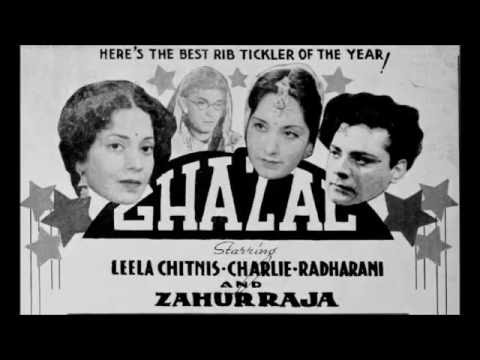
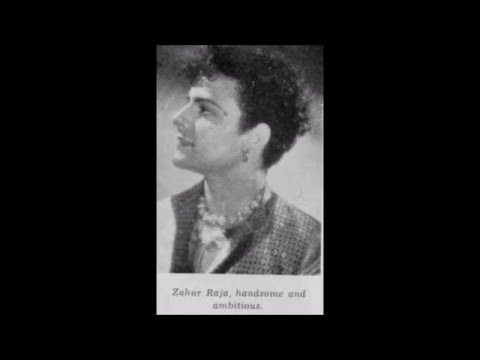

राजा मूवीटोन इसलिए बनी क्योंकि ज़हूर राजा ने यह हुनर तकनीकी सिरे से सीखा था — वे 1942 में संपादक के रूप में ईस्टर्न पिक्चर्स में आए और वहीं निर्देशक बना दिए गए, जो उस उद्योग में असामान्य रास्ता था जहाँ प्रोसेसिंग और कटिंग आम तौर पर मातहतों पर छोड़ दी जाती थी — और फिर उन्हें आर. एस. लखानी नाम का वित्तीय साझेदार मिला जो उन पर पैसा लगाने को तैयार था। वे राधारानी के साथ 'बादिल' (1942) तथा फ़ारसी कवि ख़य्याम पर बनी एक फ़िल्म का निर्देशन और अभिनय पहले ही कर चुके थे। 1943 में स्थापित उनके अपने बैनर ने बहुत कम बजट में माधुरी और पहाड़ी सान्याल के साथ 'मज़ाक़' (1943) बनाई, पलायन के विषय पर 'ओ पंछी' (1944), फिर 'ग़ज़ल' (1945) और अंत में 'धड़कन' (1946)। ज्ञान दत्त और डी. एन. माधोक को लेना उस आकार के निर्माता के लिए उपलब्ध सबसे महत्वाकांक्षी क़दम था — माधोक ने पिछले ही साल नौशाद के लिए 'रतन' लिखी थी और ज्ञान दत्त रणजीत में सैगल तथा ख़ुर्शीद के पसंदीदा संगीतकार रहे थे — और यही ज्ञान दत्त–माधोक जोड़ी रणजीत की 'ससुराल' (1941) में साथ काम कर चुकी थी। व्यापारिक स्मृति के अनुसार चार्ली के हास्य के बल पर बेची गई 'ग़ज़ल' ने बाज़ार में सचमुच दिलचस्पी पैदा की।
Raja Movietone existed because Zahur Raja had learned the craft from the technical end — he joined Eastern Pictures as an editor in 1942 and was promoted to director there, an unusual route in an industry where processing and cutting were normally left to subordinates — and then found a financing partner, R. S. Lakhani, willing to back him. He had already directed and acted in Badil (1942), opposite Radharani, and a film about the Persian poet Khayyam. His own banner, founded in 1943, produced Mazaq (1943) with Madhuri and Pahari Sanyal on a minimal budget, O Panchhi (1944) on the theme of migration, then Ghazal (1945) and finally Dhadkan (1946). Hiring Gyan Dutt and D. N. Madhok was the ambitious move available to a producer of that size — Madhok had written Rattan for Naushad the previous year and Gyan Dutt had been the composer of choice for Saigal and Khursheed at Ranjit — and it is the same Gyan Dutt/Madhok pairing that had worked on Ranjit's Sasural (1941). Trade recollection has it that Ghazal, sold on Charlie's comedy, generated real market interest.
'ग़ज़ल' वह फ़िल्म है जिसमें ज़हूर राजा ने किसी और का नायक होना छोड़ दिया। वे रावलपिंडी के गवर्नमेंट गॉर्डन कॉलेज से ए. आर. कारदार के नाम एक चिट्ठी लेकर बंबई आए थे, 'मिर्ज़ा साहिबाँ' (1939) से पहचान बनाई, 'पूजा' (1940) से गायक के रूप में शुरुआत की और सोहराब मोदी की 'सिकंदर' (1941) से सबसे बड़ी सफलता पाई; 'ग़ज़ल' उनका अपना बैनर है, अपना पैसा है और अपना निर्देशन — और बैनर पर वही उपनाम है जो उनके परिवार को औपनिवेशिक सरकार से मिला था। यह ज्ञान दत्त के कैरियर का भी एक उपयोगी पड़ाव है: रणजीत मूवीटोन के जिस स्टाफ़-संगीतकार ने के. एल. सैगल और ख़ुर्शीद के लिए संगीत रचा और पंद्रह गीतों वाली 'भक्त सूरदास' (1942) दी, वे यहाँ उसी स्टूडियो के बाहर एक स्वतंत्र निर्माता के लिए काम कर रहे हैं। और गीत-श्रेय — आठ गीतों पर चार लेखक, जिनके मुखिया 'रतन' (1944) से सीधे आए डी. एन. माधोक हैं — बताता है कि 1945 में एक छोटा स्वतंत्र निर्माता गीत ख़रीदते समय ख़ुद को क्या ख़रीदता हुआ मानता था।
Ghazal is the film in which Zahur Raja stopped being somebody else's leading man. He had come to Bombay from Government Gordon College in Rawalpindi with a letter to A. R. Kardar, made his name in Mirza Sahiban (1939), his singing debut in Pooja (1940) and his biggest hit in Sohrab Modi's Sikandar (1941); Ghazal is his own banner, his own money and his own direction, and the banner even carries the surname his family had been granted by the colonial government. It is also a useful marker in Gyan Dutt's career: the Ranjit Movietone house composer who had scored for K. L. Saigal and Khursheed and delivered the fifteen-song blockbuster Bhakt Surdas (1942) is here working for an independent producer outside the studio that made him. And the lyric credit — four writers on eight songs, headed by D. N. Madhok fresh from Rattan (1944), the biggest-selling Hindi film score of the decade — tells you what a small independent in 1945 believed it was buying when it bought songs.
'ग़ज़ल' आज फ़िल्म के रूप में कहीं प्रचलन में नहीं है। न कोई सार्वजनिक रूप से उपलब्ध प्रिंट, न संगीत का कोई व्यावसायिक पुनर्प्रकाशन, न कोई डिजिटल रूप में उपलब्ध समकालीन समीक्षा; इंडियनसिने.मा इस शीर्षक को उसके निर्देशक के नाम के साथ अनुक्रमित करती है और उससे आगे लगभग कुछ नहीं। जो बचा है वह काग़ज़ है — विकिपीडिया की एक पंक्ति, ख़ाली गायक-स्तंभ वाली गीत-तालिकाएँ, मायस्वार का एक श्रेय-खंड जिसमें चौदह कलाकारों के नाम हैं — और तीन गीत, जिनके श्रेय 1945 को गीत-दर-गीत खंगालते एक निजी संग्राहक ने बरामद किए। यह श्रम-विभाजन ही इस फ़िल्म की सीख है: 'हिंदी फ़िल्म गीत कोश' परियोजना ने शीर्षक बचाए, और आवाज़ें अब संस्थाएँ नहीं, रसिक लौटा रहे हैं। इस फ़िल्म को खुला रखना दो और कारणों से ज़रूरी है। यह उन चार फ़िल्मों के बीच की कड़ी है जो ज़हूर राजा ने बँटवारे से पहले अपने बैनर तले बनाईं, और यही वह फ़िल्म है जिसमें उन्होंने एक साथ अभिनय किया, निर्माण किया, निर्देशन किया और गाया। और इसका बड़े हिस्से में ख़ाली गायक-स्तंभ इस बात का सटीक पैमाना है कि 1945 के रिकॉर्ड किए गए संगीत का कितना हिस्सा ग्रामोफ़ोन कंपनियों ने कभी किसी के नाम दर्ज ही नहीं किया।
Nothing of Ghazal circulates today as a film. There is no print in public access, no commercial reissue of the score, and no contemporary review that has been digitised; Indiancine.ma indexes the title with its director's name attached and almost nothing else. What has survived is the paperwork — a Wikipedia row, song tables with an empty singer column, a MySwar credit block naming fourteen actors — and three songs recovered with attributions by a private collector working through 1945 song by song. That division of labour is itself the film's lesson: the Hindi Film Geet Kosh project preserved the titles, and enthusiasts, not institutions, are now restoring the voices. The film is worth holding open for two further reasons. It is the middle of the four pictures Zahur Raja made under his own banner before Partition eventually took him to Lahore, and it is the one on which he acted, produced, directed and sang at once. And its largely blank singer column is a precise measure of how much of 1945's recorded music the gramophone companies never bothered to attribute.
| शीर्षक | ग़ज़ल · Ghazal |
|---|---|
| वर्ष · युग | 1945 — Pre Independence |
| निर्देशक | ज़हूर राजा · Zahur Raja |
| संगीत-निर्देशक | ज्ञान दत्त · Gyan Dutt |
| गीतकार | डी. एन. माधोक · D. N. Madhok · आबिद गुलरेज़ · Abid Gulrez · शांत अरोड़ा · Shant Arora · ख़ावर ज़मान · Khawar Zaman |
| कलाकार-मंडली | ज़हूर राजा · Zahur Raja · लीला चिटणीस · Leela Chitnis · राधारानी · Radharani · नूर मोहम्मद चार्ली · Noor Mohammed Charlie · गुलाब · Gulab · नागेंद्र · Nagendra · मोहम्मद शाकिर · Mohammed Shakir · रामप्यारी · Rampyari · रज़िया बानो · Razia Bano · जहाँगीर · Jahangir |
| निर्माण-गृह | Raja Movietone, Bombay |
| शैली | Social · Drama · Musical |
| भाषा | hindi |
| प्रकार | कथा-चित्र (फ़ीचर) |
| गीत | 8 गीत — ऊपर पूरी संगीत-सूची |
अटलस में कोई पन्ना अकेला नहीं — 'ग़ज़ल' से उसके गीत, कलाकार, राग और युग, सब जुड़े हैं।
साझा कीजिए · Share this Plate