सिनेमा विंग · फ़िल्म-पट्टिका · Film Plate
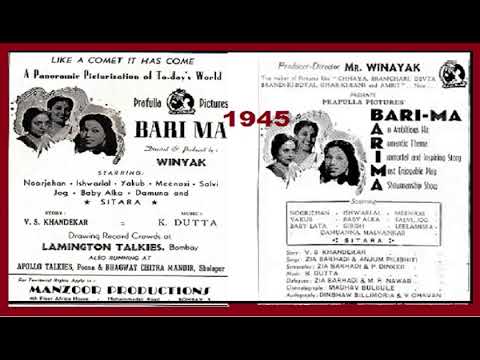
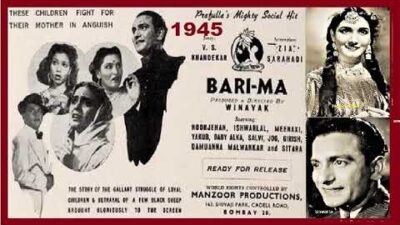
बड़ी माँ
Badi Maa
शैलीDrama · War · Social
भाषाhindi प्रकारकथा-चित्र (फ़ीचर)
गीत10 — नीचे पूरी संगीत-सूची
कथा-सार
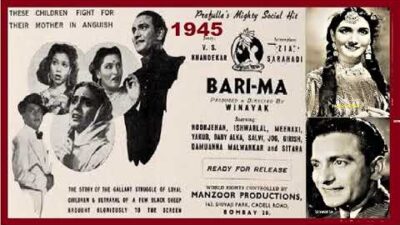
Synopsis'बड़ी माँ' की कहानी द्वितीय विश्वयुद्ध के आख़िरी महीनों के भारतीय गृह-मोर्चे पर घटती है। दिनेश लंदन में ब्लिट्ज़ के बीच फँसा हुआ है, जबकि दिनापुर गाँव में उसके पिता दुर्गादास साहूकार घनश्याम के कर्ज़ में धँसते चले जाते हैं। घनश्याम का बेटा राजिंदर चुपके से जापानियों का जासूस बन चुका है और मोना नाम की एक नर्तकी उसकी मददगार है; घनश्याम की बेटी हेमा — देशभक्त, करुणामयी और दिनेश से प्रेम करने वाली — अपने भाई की ग़द्दारी से पूरी तरह अनजान है। जब दुर्गादास बेटी का विवाह राजिंदर से करके कर्ज़ चुकाने से इनकार कर देते हैं, तो उनकी जायदाद ज़ब्त कर ली जाती है। दिनेश इंग्लैंड से लौटकर पिता को कंगाल और गाँव को दुश्मन के हमले की ज़द में पाता है; वह हेमा के साथ हथियार उठाता है, उसकी बहन उषा गोलीबारी में मारी जाती है, और पछतावे से भरा राजिंदर उसी पक्ष से लड़ता हुआ मारा जाता है जिसकी उसने सेवा की थी। शीर्षक की 'बड़ी माँ' स्वयं भारत है, और फ़िल्म हेमा और दिनेश के बचे रहने पर ख़त्म होती है — उस लड़ाई के बाद जो उन्होंने उसी माँ के लिए लड़ी।
अंग्रेज़ी में पढ़ें · Read in English
Set on the Indian home front in the closing months of the Second World War, Badi Maa follows Dinesh, a young man stranded in London through the Blitz while his father Durgadas sinks deeper into debt to the moneylender Ghanshyam in the village of Dinapur. Ghanshyam's son Rajinder has secretly become an agent for the Japanese, assisted by a dancer named Mona; Ghanshyam's daughter Hema — patriotic, compassionate, and in love with Dinesh — knows nothing of her brother's treason. When Durgadas refuses to buy off his debt by marrying his daughter to Rajinder, his property is confiscated. Dinesh returns from England to find his father ruined and his village under enemy attack, takes up arms alongside Hema, and loses his sister Usha to enemy fire; a repentant Rajinder dies fighting the very side he had served. The 'Badi Maa' — the elder mother — of the title is India herself, and the film closes with Hema and Dinesh surviving the fight they waged for her.
संगीत-सूची
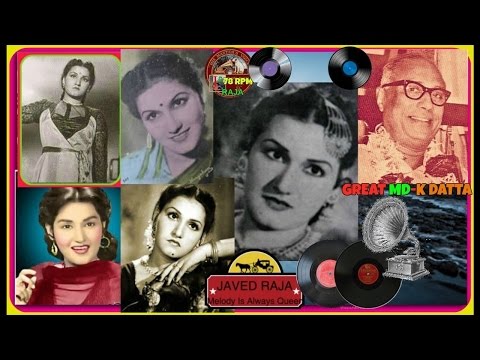
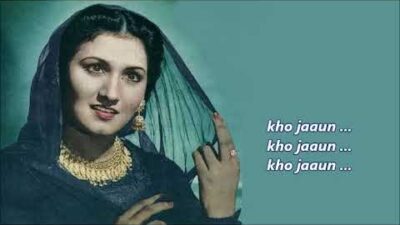
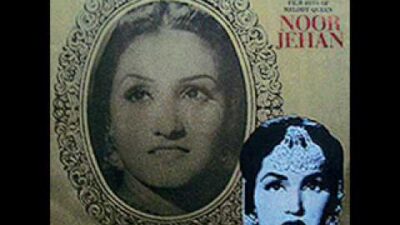
The Soundtrackके. दत्त — जन्म से दत्ता कोरगांवकर, सावंतवाड़ी के, जो मराठी सिनेमा से हिंदी में आए और जिनका बचपन भजन-गायन में बीता — ने 'बड़ी माँ' के लिए तीन गीतकारों के साथ दस गीत रचे: छह ज़िया सरहदी के, जो फ़िल्म के पटकथा-लेखक भी थे, तीन अंजुम पीलीभीती के, और एक मराठी कवि राजा बढ़े का। यह संगीत आवाज़ों के हिसाब से असामान्य रूप से साफ़ बँटा हुआ है। नूर जहाँ के हिस्से चार वयस्क प्रेम-विरह गीत आए, जिन्होंने फ़िल्म की ग्रामोफ़ोन बिक्री ढोई; लता मंगेशकर के हिस्से भक्ति और देशभक्ति का स्वर; बाल-गायिका बेबी अलका के हिस्से तीन हल्के-फुल्के गीत; और मीनाक्षी के हिस्से एक। यह बँटवारा — एक युद्ध-फ़िल्म जिसमें प्रेमगीत, प्रार्थना और देशभक्ति-गीत अलग-अलग आवाज़ों को सौंपे गए — इस एलबम को 1945 के बंबइया सामाजिक नाटक के अपेक्षित ढाँचे का एक सघन नक़्शा बना देता है।
अंग्रेज़ी में पढ़ें · Read in English
K. Datta — born Datta Korgaonkar in Sawantwadi, a composer who came to Hindi cinema from Marathi films and from a childhood steeped in bhajan singing — wrote ten songs for Badi Maa across three lyricists: six by Zia Sarhadi, who also wrote the screenplay, three by Anjum Pilibhiti, and one by the Marathi poet Raja Badhe. The score is unusually clearly segmented by voice. Noor Jehan takes the four adult romantic-melancholic numbers; Lata Mangeshkar takes the devotional and patriotic register; the child singer Baby Alka takes three light numbers; and Meenaxi one. That division — a war film in which the romantic songs, the prayer and the marching patriotic song are each given to a different singer — makes the album a compact map of what a 1945 Bombay social drama was expected to contain.
- आ इंतज़ार है तेरा दिल बेक़रार है मेरा Aa Intezar Hai Tera Dil Beqarar Hai Mera स्वर: Noor Jehan
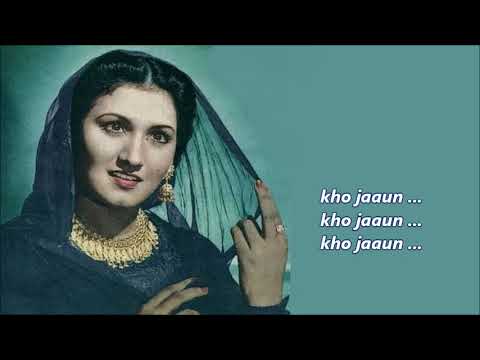
- आना क्या है एक बहाना जाने का Aana Kya Hai Ek Bahana Jane Ka स्वर: Meenakshi Shirodkar
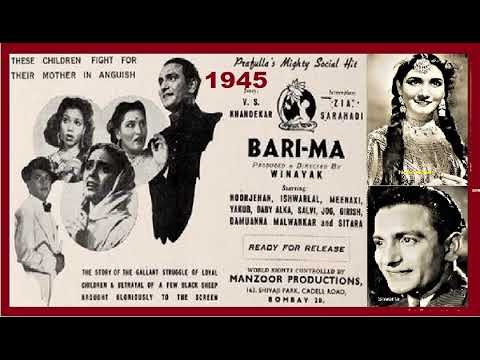
- छनननन छुम छनननन Chhananan Chhum Chhananan स्वर: बेबी अलका
- दिया जलाकर आप बुझाया Diya Jalakar Aap Bujhaya स्वर: Noor Jehan
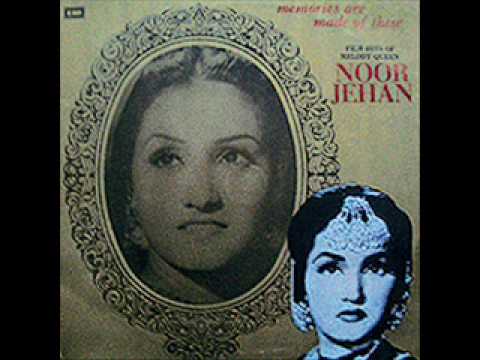
- खिल जाओ बगिया की कलियों Khil Jao Bagiya Ki Kaliyon स्वर: बेबी अलका
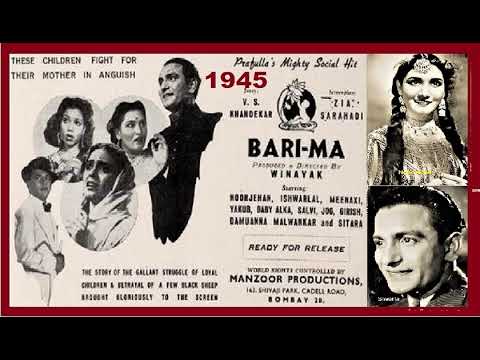
- किसी तरह से मुहब्बत में चैन पा ना सके Kisi Tarah Se Mohabbat Mein Chain Paa Na Sakey स्वर: Noor Jehan
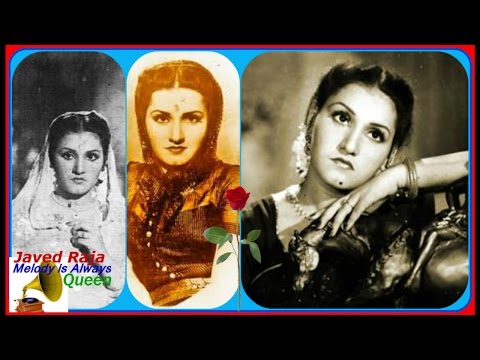
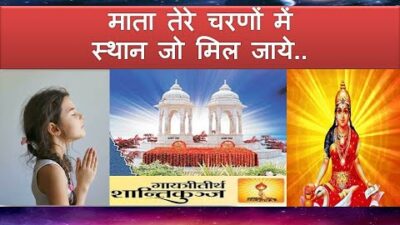
- माता तेरे चरणों में Mata Tere Charnon Mein स्वर: Lata Mangeshkar, Ishwarlal
- रुत है सुहानी मौसम प्यारा Rut Hai Suhani Mausam Pyara स्वर: बेबी अलका
- तुम हो माँ बड़ी माँ Tum Ho Maa Badi Maa स्वर: Lata Mangeshkar, Meenakshi Shirodkar

- तुम हम को भुला बैठे हो Tum Humko Bhula Baithe Ho स्वर: Noor Jehan
पट्टिका-लेख
The Monographपर्दे के पीछे Behind the Scenes
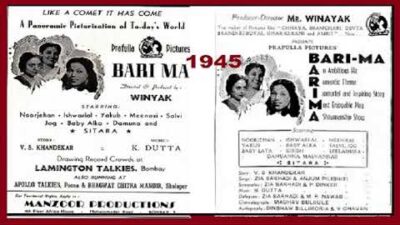
मास्टर विनायक — कोल्हापुर में विनायक दामोदर कर्नाटकी के रूप में जन्मे, बाबूराव और भालजी पेंढारकर के सौतेले भाई और वी. शांताराम के ममेरे भाई — हंस पिक्चर्स और नवयुग चित्रपट से निकलकर प्रफुल्ल पिक्चर्स बना चुके थे, और 'बड़ी माँ' उस बैनर का हिंदी में क़दम थी। लता मंगेशकर की प्रतिभा को उन्होंने 1942 में ही पहचान लिया था और 'पहिली मंगळागौर' में उन्हें लिया था; उसी वर्ष मास्टर दीनानाथ मंगेशकर के निधन के बाद उन्होंने परिवार की ज़िम्मेदारी संभाल ली, और 1945 में जब कंपनी का मुख्यालय बंबई गया तो मंगेशकर परिवार भी साथ आया। कहानी मराठी उपन्यासकार वी. एस. खांडेकर की थी, जिन्होंने विनायक की 'छाया' (1936) भी लिखी थी; ज़िया सरहदी ने पटकथा और अधिकांश गीत दोनों लिखे; छायांकन माधव बुलबुले का था। 'फ़िल्मइंडिया' ने नवंबर 1945 में लिखा कि यह फ़िल्म औपनिवेशिक सूचना विभाग के दबाव में बनी, जो उस समय बंबई के स्टूडियो को युद्ध-प्रयास वाले विषयों की ओर धकेल रहा था।
अंग्रेज़ी में पढ़ें · Read in English
Master Vinayak — born Vinayak Damodar Karnataki in Kolhapur, half-brother of Baburao and Bhalji Pendharkar and maternal cousin of V. Shantaram — had left Hans Pictures and Navyug Chitrapat before setting up Prafulla Pictures, and Badi Maa was made in Hindi under that banner. He had recognised Lata Mangeshkar's ability as early as 1942, casting her in Pahili Mangalagaur, and after Master Dinanath Mangeshkar's death that year he effectively took the family under his protection; when his company shifted its headquarters to Bombay in 1945 the Mangeshkars moved too. The story came from V. S. Khandekar, the Marathi novelist who had also written Vinayak's Chhaya (1936); Zia Sarhadi wrote both the screenplay and the majority of the lyrics; Madhav Bulbule shot the film. Filmindia reported in September 1945 that the production had been made under pressure from the colonial Information Department, which was then pushing Bombay studios towards war-effort subjects.
महत्व Significance
'बड़ी माँ' मास्टर विनायक के अपने बैनर प्रफुल्ल पिक्चर्स की पहली हिंदी फ़िल्म है, और हिंदी फ़िल्म-संगीत के इतिहास में यह एक असाधारण चौराहे पर खड़ी है: एक ओर उस समय बंबई की सबसे बिकाऊ गायिका-अभिनेत्री नूर जहाँ के चार एकल गीत हैं, दूसरी ओर पंद्रह बरस की लता मंगेशकर का एक भजन — जिन्हें विनायक ने ही फ़िल्म में रखा था, वही विनायक जो मंगेशकर परिवार के घनिष्ठ मित्र थे और 1942 में लता के पिता की मृत्यु के बाद परिवार की ज़िम्मेदारी उठा चुके थे। इसी फ़िल्म में आशा भोसले भी एक छोटी भूमिका में हैं। यह भारतीय युद्धकालीन प्रचार-फ़िल्म का सबसे स्पष्ट बचा हुआ उदाहरण भी है — 'फ़िल्मइंडिया' के शब्दों में 'सूचना विभाग के लगातार दबाव में' बनी, जिसमें जापानी हमलावर शत्रु हैं और भारत वह माँ है जिसकी रक्षा करनी है। व्यावसायिक और समीक्षात्मक फ़ैसले एक-दूसरे के उलट गए — 'फ़िल्मइंडिया' ने इसे एक सितारा देकर 'साल का सबसे सड़ा तमाशा' कहा, जबकि फ़िल्म 1945 की तीसरी सबसे अधिक कमाई करने वाली भारतीय रिलीज़ बनी।
अंग्रेज़ी में पढ़ें · Read in English
Badi Maa was made by Master Vinayak for his own Prafulla Pictures banner, and it sits at an unusual crossing point in Hindi film music history: Noor Jehan, then the most bankable singing star in Bombay, carries four solos on one side of the score, while a fifteen-year-old Lata Mangeshkar — placed in the film by Vinayak, a family friend who had taken charge of the Mangeshkars after her father's death in 1942 — sings a bhajan on the other. Asha Bhosle appears in a minor role in the same film. It is also one of the clearest surviving examples of the Indian wartime propaganda feature: made, in Filmindia's phrase, 'under the constant goading of the Information Department', it casts the Japanese as the invading enemy and India as the mother to be defended. The commercial verdict and the critical one went in opposite directions — Filmindia gave it a single star and called it 'the year's most rotten show', while the film became the third highest-grossing Indian release of 1945.
विरासत Legacy
मास्टर विनायक का निधन 19 अगस्त 1947 को बंबई में हुआ — स्वतंत्रता के चार दिन बाद और 'बड़ी माँ' के दो साल बाद; इसके बाद उन्होंने केवल दो और फ़िल्में पूरी कीं। फ़िल्म उनके बाद एक अप्रत्याशित ढंग से जीवित रही। लता मंगेशकर पर लिखे विशाल साहित्य में 'बड़ी माँ' एक तयशुदा शुरुआती पड़ाव है — वह हिंदी फ़िल्म जिसमें लता और आशा भोसले दोनों अपने करियर के बिलकुल आरंभ में परदे पर दिखती हैं, और जिसमें लता एक भजन गाती हैं — 'आएगा आनेवाला' से पूरे दो साल पहले। यह किसी और के करियर के दूसरे छोर का निशान भी है: नूर जहाँ के यहाँ के चार एकल गीत उनके बंबई-जीवन के आख़िरी दो वर्षों के हैं, इससे पहले कि विभाजन उन्हें हमेशा के लिए पाकिस्तान ले जाता। और 1945 की अधिकांश हिंदी फ़िल्मों के विपरीत 'बड़ी माँ' पूरी बची हुई है और मुफ़्त देखी जा सकती है — इसका सम्पूर्ण प्रिंट indiancine.ma पर सुरक्षित है और विकिमीडिया कॉमन्स पर सार्वजनिक डोमेन में मौजूद है, इसलिए इसके गीत आज भी उन्हीं दृश्यों में देखे जा सकते हैं जिनके लिए वे लिखे गए थे।
अंग्रेज़ी में पढ़ें · Read in English
Master Vinayak died in Bombay on 19 August 1947, four days after Independence and two years after Badi Maa; he completed only two more features. The film outlived him in an unexpected way. For the enormous literature on Lata Mangeshkar, Badi Maa is a fixed early reference point — the Hindi film in which she and Asha Bhosle both appear on screen at the very start of their careers, and in which she sings a bhajan two years before 'Aayega Aanewala' would change her life. It is equally a marker at the other end of a career: Noor Jehan's four solos here belong to the last two years of her Bombay life before Partition took her to Pakistan permanently. And unlike most Hindi films of 1945, Badi Maa survives complete and freely viewable — a full print is preserved on indiancine.ma and mirrored on Wikimedia Commons in the public domain, so the songs can still be seen in the scenes they were written for.
अन्य विवरण
More Details- https://en.wikipedia.org/wiki/Badi_Maa
- https://www.hindigeetmala.net/movie/badi_maa_1945.htm
- https://en.wikipedia.org/wiki/Master_Vinayak
- https://en.wikipedia.org/wiki/Lata_Mangeshkar
- https://en.wikipedia.org/wiki/Zia_Sarhadi
- https://en.wikipedia.org/wiki/Raja_Badhe
- https://en.wikipedia.org/wiki/List_of_Hindi_films_of_1945
- https://indiancine.ma/EDD/info
- https://commons.wikimedia.org/wiki/File:Badi_Maa_(1945).webm
References
नमूना-पट्टी
The Specimen Table| शीर्षक | बड़ी माँ · Badi Maa |
|---|---|
| वर्ष · युग | 1945 — Pre Independence |
| निर्देशक | मास्टर विनायक · Master Vinayak |
| संगीत-निर्देशक | के. दत्त (दत्ता कोरगांवकर) · K. Datta (Datta Korgaonkar) |
| गीतकार | ज़िया सरहदी · Zia Sarhadi · अंजुम पीलीभीती · Anjum Pilibhiti · राजा बढ़े · Raja Badhe |
| कलाकार-मंडली | नूर जहाँ · Noor Jehan · ईश्वरलाल · Ishwarlal · याक़ूब · Yakub · सितारा देवी · Sitara Devi · मीनाक्षी · Meenaxi · डी. एस. साल्वी · D. S. Salvi · गिरीश · Girish · लता मंगेशकर · Lata Mangeshkar · आशा भोसले · Asha Bhosle · बेबी अलका · Baby Alka |
| निर्माण-गृह | Prafulla Pictures |
| शैली | Drama · War · Social |
| भाषा | hindi |
| प्रकार | कथा-चित्र (फ़ीचर) |
| गीत | 10 गीत — ऊपर पूरी संगीत-सूची |
जुड़े हुए पन्ने
Connected Plates · The Graph Made Visibleअटलस में कोई पन्ना अकेला नहीं — 'बड़ी माँ' से उसके गीत, कलाकार, राग और युग, सब जुड़े हैं।
इस फ़िल्म के गीत · Songs of this Film
कलाकार · Cast & Crew
युग · The Era
साझा कीजिए · Share this Plate
यह पन्ना आगे बढ़ाइए
जुड़ी हुई दुनिया
Explore ConnectionsSoundtrack · गीत (10)
Connected · जुड़े हुए
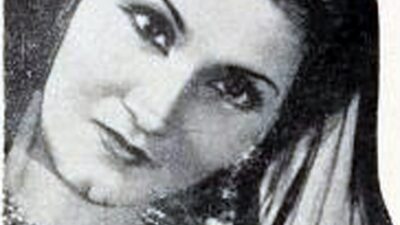 नूर जहाँNoor Jehanगायक · अभिनेत्री · पार्श्व गायकईईश्वरलालIshwarlalगायकससितारा देवीSitara Deviगायक
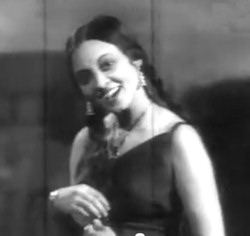 मीनाक्षी शिरोडकरMeenakshi Shirodkarगायक
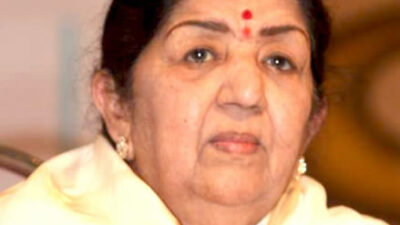 लता मंगेशकरLata Mangeshkarगायक · संगीतकार
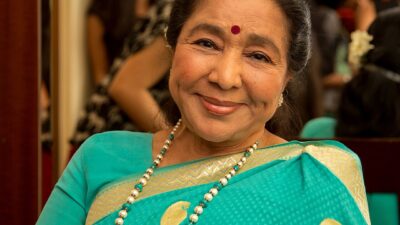 आशा भोसलेAsha Bhosleपार्श्व गायक · Vocalist · Music Artistजज़िया सरहदीZia Sarhadiगीतकारअअंजुम पीलीभीतीAnjum Pilibhitiगीतकार