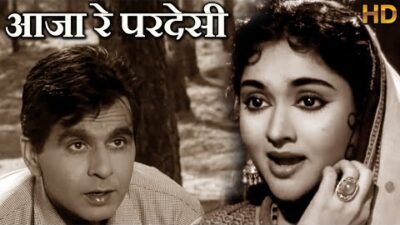
गीत विंग · गीत-पट्टिका · Song Plate
वो सुबह कभी तो आएगी
Woh Subah Kabhi To Aayegi
साहिर ने इस गीत से सुबह को लिख दिया — और साठ साल बाद लोग अभी भी इसे सूरज का इंतज़ार करते हुए गाते हैं।
भावHopeful · प्रेरणादायक · उदास · दार्शनिक
भाषाUrdu · Hindi गतिधीमी स्वरूपयुगल
श्रेय
The Creditsबोल · The Lyrics
बोल — झलक · Lyrics Preview
वो सुबह कभी तो आएगी
इन काली सदियों के सर से जब रात का आँचल ढलकेगा
Woh subah kabhi to aayegi
In kaali sadiyon ke sar se jab raat ka aanchal dhalkega
कॉपीराइट के कारण केवल झलक — पूरे बोल आधिकारिक मंचों पर।
शब्दकोश
Word Meaningsसूत्र-वाक्य · The Hook
सूत्र-वाक्य
साहिर ने इस गीत से सुबह को लिख दिया — और साठ साल बाद लोग अभी भी इसे सूरज का इंतज़ार करते हुए गाते हैं।
In EnglishSahir wrote the dawn into existence with this song — and sixty years later, people still sing it waiting for the sun.
पट्टिका-लेख
The Monographपरिचय Overview
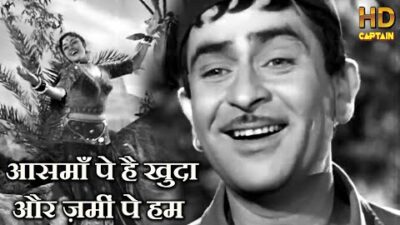
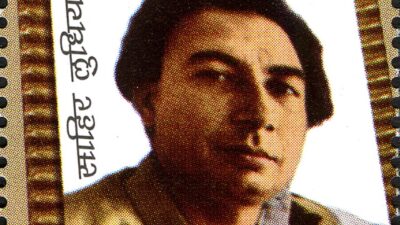
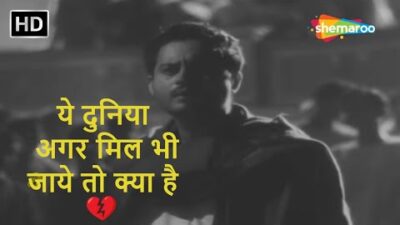
हिंदी सिनेमा का सबसे स्थायी प्रगतिशील गान, रमेश सैगल की 'फिर सुबह होगी' (1958) का 'वो सुबह कभी तो आएगी' — साहिर लुधियानवी की सबसे राजनीतिक प्रतिबद्ध और मानवीय कविता। ख़य्याम ने इस नज़्म को एक सादी, भैरवी-से-मिलती धुन में ढाला जो शब्दों पर ध्यान केंद्रित रखती है। मुकेश और आशा भोसले प्रतिबिंब में गाते हैं — एक आवाज़ पीड़ित वर्तमान के लिए, एक आशावान भविष्य के लिए। HMV इंडिया पर जारी यह गीत फ़िल्म से बड़ा हो गया और भारतीय प्रगतिशील आंदोलनों का गान बन गया।
अंग्रेज़ी में पढ़ें · Read in English
The most enduring progressive anthem of Hindi cinema, 'Woh Subah Kabhi To Aayegi' from Ramesh Saigal's Phir Subah Hogi (1958) is Sahir Ludhianvi's poetry at its most politically committed and humanly warm. Khayyam set the nazm to a spare, Bhairavi-adjacent melody that keeps the focus on the words; Mukesh and Asha Bhosle sing in counterpoint — one voice for the suffering present, one for the hopeful future. The film, loosely inspired by Dostoevsky's Crime and Punishment with a Bombay underclass setting, provided the dramatic context, but the song transcended the film entirely. Released on HMV India, it has been adopted as an anthem by progressive movements across India.
संगीत The Music
ख़य्याम की प्रतिभा थी यह जानना कि कब संगीत न बजाएँ — कविता को साँस लेने की जगह दें। 'वो सुबह कभी तो आएगी' एक सादी, उतरती सुर-पंक्ति पर बनी है जो ख़य्याम के अनुसार पंजाब के एक लोकगीत से प्रेरित थी। भैरवी का रंग गहराई देता है पर पहुँच आम रखता है — यह गीत प्रशिक्षित श्रोताओं के लिए नहीं, उन मज़दूरों और पीड़ितों के लिए है जिन्हें संबोधित करता है। युगलगीत की संरचना (मुकेश-आशा) असामान्य है एक विरोध-गीत के लिए: दो आवाज़ें संशय और आशा, आज और कल के बीच संवाद बनाती हैं।
अंग्रेज़ी में पढ़ें · Read in English
Khayyam's genius was knowing when NOT to compose — to give the poetry space to breathe rather than drowning it in arrangement. 'Woh Subah Kabhi To Aayegi' is built on a simple, descending melodic line that Khayyam says was inspired by a folk song from Punjab. The Bhairavi tonality gives it emotional depth while keeping it accessible — this is not a song for trained classical listeners but for the masses, the workers, the sufferers it addresses. The duet structure (Mukesh and Asha) is unusual for a protest song: the two voices suggest dialogue between doubt and hope, between today and tomorrow. The string arrangement is minimal — mostly sustained notes rather than active melodic lines — which means the voices carry the entire emotional weight.
काव्य The Poetry
साहिर लुधियानवी एक प्रतिबद्ध प्रगतिशील थे — मार्क्सवादी झुकाव के कवि जिनकी कविता मज़दूरों, वंचितों और सपने देखने वालों के लिए थी। 'वो सुबह कभी तो आएगी' उनकी सबसे आशावान नज़्म है — और यह आशावाद सस्ता नहीं, महँगे अनुभव से अर्जित है। 'काली सदियों के सर से रात का आँचल ढलकेगा' — यह बिम्ब अद्भुत है: रात एक स्त्री के रूप में जिसका पल्लू आख़िरकार सरक रहा है, सुबह उजागर होने के लिए। कविता अँधेरे को पूरी तरह स्वीकार करती है, तब प्रकाश की ओर इशारा करती है — यह सस्ती प्रेरणा नहीं, अर्जित आशा है।
अंग्रेज़ी में पढ़ें · Read in English
Sahir Ludhianvi was a committed progressive — a Marxist-leaning poet whose verse spoke for the workers, the dispossessed, and the dreamers. 'Woh Subah Kabhi To Aayegi' is his most optimistic poem — and the optimism is hard-earned, not naïve. The central image of the 'kaali sadiyon ke sar se raat ka aanchal dhalkne' (the veil of dark centuries slipping off the head of night) is astonishing in its visual power: night is personified as a woman whose veil is finally falling away to reveal the dawn. The poem acknowledges the darkness fully before gesturing toward the light — this is not cheap inspiration but earned hope.
कहानी The Story
'फिर सुबह होगी' (1958) मुंबई की चालों और डॉकलैंड्स में स्थापित थी — ग़रीबी और संघर्ष की दुनिया — जिसकी कहानी क्राइम एंड पनिशमेंट से प्रेरित थी। निर्देशक रमेश सैगल ने साहिर से एक गीत माँगा जो फ़िल्म के दार्शनिक केंद्र को व्यक्त करे: यह विश्वास कि पीड़ा स्थायी नहीं है। साहिर फ़ैज़ अहमद फ़ैज़ की कविता से गहरे प्रभावित थे — उनके 'हम देखेंगे' में भी अनिवार्य सुबह का वही संदेश है। यह गीत कभी-कभी ग़लती से फ़ैज़ को दे दिया जाता है, पर बोल पूरी तरह साहिर के हैं।
अंग्रेज़ी में पढ़ें · Read in English
Phir Subah Hogi (1958) was set in Bombay's chawls and docklands — a world of poverty and struggle — with a story inspired by Crime and Punishment. Director Ramesh Saigal commissioned Sahir to write a song that would express the film's philosophical core: the belief that suffering is not permanent. Sahir was deeply influenced by the poetry of Faiz Ahmed Faiz — the great Pakistani progressive poet whose 'Hum Dekhenge' carries a similar message of inevitable dawn. This song is sometimes misattributed to Faiz, but the lyrics are entirely Sahir's original work. The film starred Raj Kapoor, who was at that time deeply interested in social cinema.
विरासत The Legacy
'वो सुबह कभी तो आएगी' स्वतंत्र भारत के सबसे अधिक अपनाए गए विरोध-आशा गानों में से एक बन गया। आपातकाल-विरोधी प्रदर्शनों (1975-77), 2011-12 के भ्रष्टाचार-विरोधी आंदोलनों, और दशकों के मज़दूर तथा छात्र आंदोलनों में यह गाया गया। जावेद अख्तर ने इसे 'साहिर का सबसे मानवीय राजनीतिक गीत' कहा है। हिंदी साहित्य पाठ्यक्रमों में इसे सिनेमा में प्रगतिशील कविता का उदाहरण पढ़ाया जाता है।
अंग्रेज़ी में पढ़ें · Read in English
'Woh Subah Kabhi To Aayegi' became one of the most adopted protest-hope anthems in independent India. It was sung at the Emergency protests (1975-77), at anti-corruption rallies in 2011-12, and at countless workers' meetings and student protests over the decades. Javed Akhtar has called it 'the most humanist political song Sahir wrote'. It is taught in Hindi literature courses as an example of progressive poetry in cinema. The Khayyam-Sahir partnership produced several such songs, but this remains their most politically enduring collaboration.
वर्गीकरण
Classification- Tempo
- Slow
Genre
अन्य विवरण
More Details- Hindi Film Geet Kosh Vol. 4 (1958), Harmandir Singh Hamraz
- Wikipedia: Phir Subah Hogi — en.wikipedia.org/wiki/Phir_Subah_Hogi
- Wikipedia: Sahir Ludhianvi — en.wikipedia.org/wiki/Sahir_Ludhianvi
- Wikipedia: Khayyam (composer) — en.wikipedia.org/wiki/Khayyam_(composer)
- Javed Akhtar interviews on Sahir Ludhianvi, AIR/Doordarshan archives
References
रोचक तथ्य
Margin Notesइस गीत का श्रेय कभी-कभी ग़लती से फ़ैज़ अहमद फ़ैज़ को दे दिया जाता है — जबकि बोल पूरी तरह साहिर लुधियानवी के लिखे हैं, हालाँकि साहिर फ़ैज़ के गहरे प्रशंसक थे।
अंग्रेज़ी में पढ़ें · Read in English
The song is sometimes misattributed to Faiz Ahmed Faiz — the lyrics are entirely by Sahir Ludhianvi, though Sahir deeply admired Faiz.
इसे भारत में आपातकाल (1975-77) के विरुद्ध हुए विरोध-प्रदर्शनों में गाया गया — यह अपनी फ़िल्मी उत्पत्ति से कहीं आगे निकल गया।
अंग्रेज़ी में पढ़ें · Read in English
It was sung at the protests against the Emergency (1975-77) in India — transcending its film origin.
फिर सुबह होगी में मुख्य भूमिका निभाने वाले राज कपूर, कहा जाता है, रिकॉर्डिंग सत्र में जब पहली बार मुकेश को यह गीत गाते सुना तो रो पड़े थे।
अंग्रेज़ी में पढ़ें · Read in English
Raj Kapoor, who starred in Phir Subah Hogi, reportedly wept when he first heard Mukesh sing this song in the recording session.
ख़य्याम ने इस धुन की रचना सी माइनर स्केल में की — उस दौर के हिंदी फ़िल्मी गीतों के लिए यह असामान्य था — जो इसे इसकी विशिष्ट गंभीरता देता है।
अंग्रेज़ी में पढ़ें · Read in English
Khayyam composed the melody in C minor — unusual for Hindi film songs of the era — which gives it its characteristic gravity.
फ़िल्म फिर सुबह होगी दोस्तोयेव्स्की के उपन्यास 'क्राइम एंड पनिशमेंट' पर ढीले ढंग से आधारित है, जिसकी कहानी 1950 के दशक के बॉम्बे में रची गई है।
अंग्रेज़ी में पढ़ें · Read in English
The film Phir Subah Hogi is loosely based on Dostoevsky's Crime and Punishment, set in 1950s Bombay.
नमूना-पट्टी
The Specimen Table| शीर्षक | वो सुबह कभी तो आएगी · Woh Subah Kabhi To Aayegi |
|---|---|
| वर्ष · युग | 1958 — Golden Era |
| गायक | Mukesh, Asha Bhosle |
| गीतकार | Sahir Ludhianvi |
| संगीतकार | ख़य्याम |
| स्वरूप | युगल |
| गति | धीमी |
| अवधि | 5:00 |
| भाषा | Urdu · Hindi |
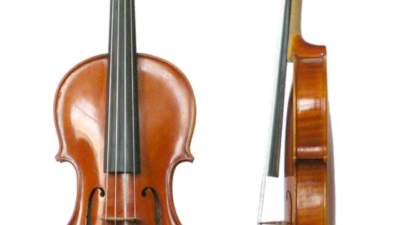
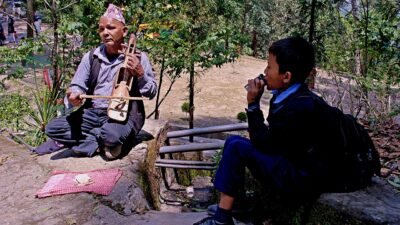
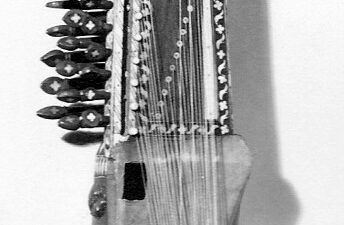
| वाद्य | violin · harmonium · tabla · sarangi |
| भाव | Hopeful · प्रेरणादायक · उदास · दार्शनिक |
| लोकप्रियता | Legendary |
| बोल-स्थिति | केवल झलक |
जुड़े हुए पन्ने
Connected Plates · The Graph Made Visibleअटलस में कोई पन्ना अकेला नहीं — इस गीत से जुड़े गीत, कलाकार, फ़िल्म, राग-ताल-विधा, सब यहाँ से खुलते हैं।
मिलते-जुलते गीत · Related Songs
कलाकार · The Artists
युग · The Era
साझा कीजिए · Share this Plate
यह पन्ना आगे बढ़ाइए
साहिर ने यह गीत लिखा और सुबह की ज़रूरत थोड़ी कम हो गई।
Sahir ne ye geet likha aur subah ki zaroorat thodi kum ho gayi.
— Kaifi Azmi (poet)
सवाल-जवाब
Questions & Answersक्या 'वो सुबह कभी तो आएगी' फ़ैज़ अहमद फ़ैज़ ने लिखा? · Did Faiz Ahmed Faiz write 'Woh Subah Kabhi To Aayegi'?
नहीं — यह गीत साहिर लुधियानवी ने लिखा, फ़ैज़ ने नहीं। ग़लतफ़हमी इसलिए आम है क्योंकि दोनों कवियों के विषय मिलते-जुलते थे और साहिर पर फ़ैज़ का गहरा प्रभाव था।
No — the song was written by Sahir Ludhianvi, not Faiz. The misattribution is common because both poets shared similar progressive themes and Sahir was deeply influenced by Faiz.
यह किस फ़िल्म का गीत है? · What film is this from?
रमेश सैगल निर्देशित 'फिर सुबह होगी' (1958) का, जिसमें राज कपूर और माला सिन्हा हैं। फ़िल्म की कहानी दोस्तोएव्स्की के 'क्राइम एंड पनिशमेंट' से प्रेरित है।
From Phir Subah Hogi (1958), directed by Ramesh Saigal, starring Raj Kapoor and Mala Sinha. The film is loosely based on Dostoevsky's Crime and Punishment.
यह गीत ऐतिहासिक रूप से महत्वपूर्ण क्यों है? · Why is this song historically important?
यह भारत के प्रगतिशील आंदोलनों का गान बना — 1975-77 के आपातकाल-विरोध में और 2011-12 के भ्रष्टाचार-विरोधी आंदोलन में गाया गया। यह साबित करता है कि हिंदी फ़िल्म संगीत असली राजनीतिक वज़न उठा सकता है।
It became an anthem for progressive movements in India — sung at Emergency protests in 1975-77 and at anti-corruption rallies in 2011-12. It shows that Hindi film music could carry genuine political weight.