गीत विंग · गीत-पट्टिका · Song Plate
वे मैं तेनू पुच्छणा
Ve Main Tenu Puchna
जिस साल पंजाब बाँटा गया, उस साल साहिबाँ का मिर्ज़ा से यह सवाल उन सीमाओं के पार गूँजता रहा जो अभी भरी नहीं थीं।
भावअविस्मरणीय · उदास · रोमांटिक
भाषाPunjabi · Hindi गतिधीमी स्वरूपएकल महिला
श्रेय
The Creditsबोल · The Lyrics
बोल — झलक · Lyrics Preview
किथे वसदा तेरा दिल
जदों मैं आवाँ तेरे कोल
तूँ क्यों जाँदा है ढल
Kithe vasda tera dil
Jadon main aawan tere kol
Toon kyun jaanda hai dhal
कॉपीराइट के कारण केवल झलक — पूरे बोल आधिकारिक मंचों पर।
शब्दकोश
Word Meaningsसूत्र-वाक्य · The Hook
सूत्र-वाक्य
जिस साल पंजाब बाँटा गया, उस साल साहिबाँ का मिर्ज़ा से यह सवाल उन सीमाओं के पार गूँजता रहा जो अभी भरी नहीं थीं।
In EnglishIn the year Punjab was divided, Sahiban's question to Mirza echoed across borders that hadn't yet healed.
पट्टिका-लेख
The Monographपरिचय Overview
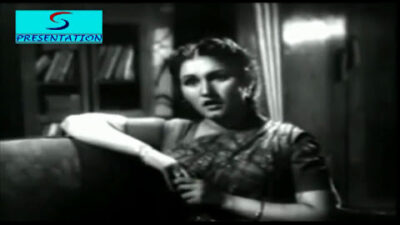
1947 की फ़िल्म में पंजाब की अमर प्रेम-कथा 'मिर्ज़ा-साहिबाँ' पर आधारित यह गीत नूर जहाँ को अपनी मातृभाषा पंजाबी में एक स्वाभाविक अंतरंगता के साथ गाते हुए दिखाता है। फ़ीरोज़ निज़ामी ने इसे राग काफ़ी की लोक-छटा में दादरे की मीठी लय पर सजाया। साहिबाँ का मिर्ज़ा से यह सवाल — 'तेरा दिल किधर बसता है?' — उस साल विभाजन झेल रहे पंजाब के लाखों परिवारों की पीड़ा का दर्पण बन गया।
अंग्रेज़ी में पढ़ें · Read in English
From the 1947 film adaptation of the immortal Punjabi tragic romance of Mirza and Sahiban, 'Ve Main Tenu Puchna' showcases Noor Jehan singing in her native Punjabi with a natural ease and emotional intimacy impossible to replicate. Composed by Firoz Nizami in a folk-inflected Raag Kafi and set to the gentle swing of dadra taal, the song gives cinematic voice to Sahiban's famous yearning — her love for Mirza as both overwhelming passion and impossible contradiction. The film, released the year of India's Partition, carried particular resonance for the thousands of Punjabi families being torn across borders — Mirza and Sahiban's tragedy became a mirror for a nation's grief.
संगीत The Music
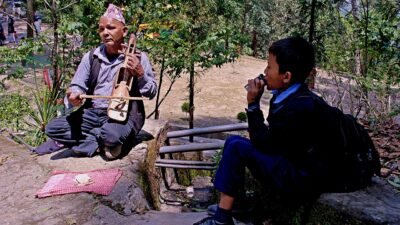
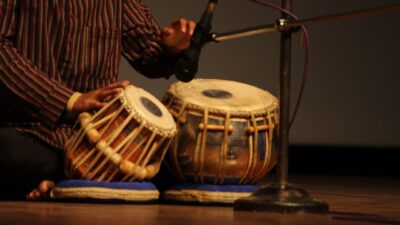
फ़ीरोज़ निज़ामी ने इस गीत को राग काफ़ी की स्वर-व्याकरण पर बनाया — एक ऐसा राग जो लोक परंपरा से गहराई से जुड़ा है और जिसके कोमल गंधार और नियाद एक उदास तड़प का भाव देते हैं। दादरा ताल की हल्की द्विताली चाल खेतों में चलने जैसी झूम देती है। बाँसुरी की प्रस्तावना में उपस्थिति — वह वाद्य जिसे पंजाब के खेत हमेशा कृष्ण से और अनुपस्थित प्रिय से जोड़ते हैं। पटियाला घराने में तालीम पाई नूर जहाँ पंजाबी लोक-आधारित गीत में अपनी भावनात्मक प्रामाणिकता की ऊँचाई पर हैं।
अंग्रेज़ी में पढ़ें · Read in English
Firoz Nizami built this song on the tonal grammar of Raag Kafi — a raag associated with the folk tradition, with a characteristic lowered gandhara (Ga) and nishad (Ni) that gives it a mournful, longing quality. It is perhaps the most 'folk-adjacent' of the classical raags, and thus the natural choice for a song about Punjabi legendary figures. The dadra taal's gentle two-beat feel creates a swaying quality like walking through fields. The bansuri (bamboo flute) appears in the prelude — an instrument the Punjabi countryside has always associated with Krishna, and by extension, with the absent beloved who plays and wanders. Noor Jehan's Patiala-trained voice, naturally attuned to Punjabi folk inflections, gives the song its emotional authenticity.
काव्य The Poetry
मिर्ज़ा-साहिबाँ पंजाब की चार महान प्रेम-त्रासदियों में से एक है (हीर-राँझा, सोहनी-महीवाल और सस्सी-पुन्नू के साथ)। यह गीत साहिबाँ की आवाज़ देता है — आमतौर पर मिर्ज़ा की तुलना में कम गाई जाती है। पंजाबी प्रश्नार्थ 'वे मैं तेनू पुच्छणा' तुरंत अंतरंग है; 'वे' शब्द एक साथ प्रेम और उलाहने से भरा है। सवाल ही ('तेरा दिल किधर बसता है?') साहिबाँ की शाश्वत दुविधा है।
अंग्रेज़ी में पढ़ें · Read in English
The Mirza-Sahiban legend is one of Punjab's four great tragic romances (along with Heer-Ranjha, Sohni-Mahiwal, and Sassi-Punnu). The song captures Sahiban's voice — typically less sung than Mirza's — giving the woman's perspective its own lyric space. The Punjabi interrogative ('Ve main tenu puchna' — 'O, I have a question for you') is immediately intimate; the word 've' (the Punjabi masculine vocative) is charged with affection and reproach simultaneously. The question itself ('where does your heart dwell?') is Sahiban's eternal dilemma: she knows Mirza loves her, yet he is always somehow elsewhere, always pulling back from what she offers.
कहानी The Story
मिर्ज़ा-साहिबाँ की कहानी दर्जनों पंजाबी और हिंदी फ़िल्मों में ढाली गई है। 1947 का संस्करण उस क्षण में आया जब पंजाब की सांस्कृतिक दुनिया विभाजन से भौतिक रूप से खंडित हो रही थी। नूर जहाँ की आवाज़, अपने पंजाबी स्वर-अनुकरण में इतनी स्वाभाविक, ने फ़िल्म को वह प्रामाणिकता दी जो निर्माताओं को नहीं पता था कि उतना ऐतिहासिक महत्त्व लेकर आएगी।
अंग्रेज़ी में पढ़ें · Read in English
The Mirza-Sahiban story has been adapted into Punjabi and Hindi films dozens of times. The 1947 version is notable for arriving at the moment when the Punjabi cultural world was being physically and politically fractured by Partition. Noor Jehan's voice, so naturally Punjabi in its inflections, gave the film an authenticity that director and producers could not have anticipated would carry such historical weight. Many listeners in Lahore and Amritsar who heard this song in 1947 would soon be separated — by the new border — from the very villages and fields where the Mirza-Sahiban legend had lived for centuries.
विरासत The Legacy
मिर्ज़ा-साहिबाँ की कथा पूरे भारत और पाकिस्तान में फ़िल्मों, एल्बमों और लोक प्रस्तुतियों को प्रेरणा देती रही है। 1947 की फ़िल्म के गीत सारेगामा के संग्रह में सुरक्षित हैं। नूर जहाँ की पंजाबी रिकॉर्डिंग्स पाकिस्तान और प्रवासी समुदायों में विशेष रूप से पोषित हैं, जहाँ वे एक अविभाजित सांस्कृतिक विरासत का प्रतिनिधित्व करती हैं।
अंग्रेज़ी में पढ़ें · Read in English
The Mirza-Sahiban legend has continued to inspire films, albums, and folk performances across India and Pakistan. Songs from the 1947 film are archived in Saregama's collection and are among the earliest Punjabi-Hindi hybrid film songs. Noor Jehan's Punjabi recordings are particularly treasured in Pakistan and in the diaspora, where they represent an undivided cultural heritage. This specific song endures as an example of how classical-folk fusion was achieved organically in 1940s Bombay film music.
वर्गीकरण
Classification- Tempo
- Slow
Genre
अन्य विवरण
More Details- Wikipedia: Mirza Sahiban — https://en.wikipedia.org/wiki/Mirza_Sahiban
- Wikipedia: Noor Jehan — https://en.wikipedia.org/wiki/Noor_Jehan
- Hindi Film Geet Kosh — Vol. 3
References
रोचक तथ्य
Margin Notesमाना जाता है कि मिर्ज़ा-साहिबाँ की कथा आज के पाकिस्तानी पंजाब के खानेवाल और साहीवाल ज़िलों में घटित हुई थी — वही क्षेत्र जहाँ से नूरजहाँ का परिवार आया था।
अंग्रेज़ी में पढ़ें · Read in English
The Mirza-Sahiban legend is believed to be set in what is now Khanewal and Sahiwal districts of Pakistani Punjab — the very region that Noor Jehan's family came from.
1947 की इस फिल्म ने पारंपरिक पंजाबी लोक धुनों और बंबई फिल्म संगीत परंपराओं का मिश्रण किया — एक ऐसा संकर रूप जिसने एक पूरी पीढ़ी के लिए इस शैली को परिभाषित किया।
अंग्रेज़ी में पढ़ें · Read in English
The 1947 film used a blend of traditional Punjabi folk melodies and Bombay film music conventions — a hybrid that defined the genre for a generation.
राग काफी को कभी-कभी हिंदुस्तानी संगीत का 'लोक राग' कहा जाता है क्योंकि यह कई पंजाबी और राजस्थानी लोकधुनों के समान स्वरों का प्रयोग करता है।
अंग्रेज़ी में पढ़ें · Read in English
Raag Kafi is sometimes called the 'folk raag' of Hindustani music because it uses the same notes as many Punjabi and Rajasthani folk tunes.
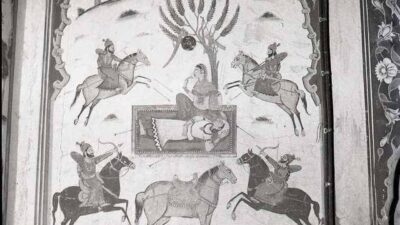
मिर्ज़ा-साहिबाँ की कथा त्रासदी में समाप्त होती है — साहिबाँ, कुल-युद्ध रोकने के लिए, वे तीर तोड़ देती है जो मिर्ज़ा की रक्षा करते। उसकी हत्या हो जाती है। वह उसके शव पर प्राण त्याग देती है। इससे गीत का प्रश्न ('तुम्हारा दिल कहाँ बसता है?') पूर्वदृष्टि में विनाशकारी हो जाता है।
अंग्रेज़ी में पढ़ें · Read in English
The Mirza-Sahiban story ends in tragedy — Sahiban, to prevent a clan war, breaks the arrows that would have protected Mirza. He is killed. She dies on his body. This makes the song's question ('where does your heart dwell?') retrospectively devastating.
नमूना-पट्टी
The Specimen Table| शीर्षक | वे मैं तेनू पुच्छणा · Ve Main Tenu Puchna |
|---|---|
| फ़िल्म | मिर्ज़ा साहिबाँ · 1947 |
| वर्ष · युग | 1947 — Pre-Independence |
| गायक | Noor Jehan |
| गीतकार | पारंपरिक पंजाबी लोक / शेवान रिज़वी |
| संगीतकार | Feroz Nizami |
| स्वरूप | एकल महिला |
| गति | धीमी |
| अवधि | 4:05 |
| भाषा | Punjabi · Hindi |
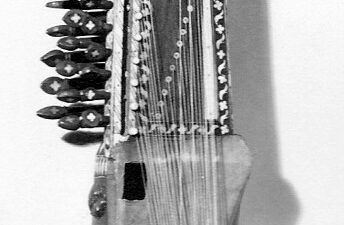
| वाद्य | harmonium · tabla · sarangi · bansuri |
| भाव | अविस्मरणीय · उदास · रोमांटिक |
| लोकप्रियता | Known |
| बोल-स्थिति | केवल झलक |
जुड़े हुए पन्ने
Connected Plates · The Graph Made Visibleअटलस में कोई पन्ना अकेला नहीं — इस गीत से जुड़े गीत, कलाकार, फ़िल्म, राग-ताल-विधा, सब यहाँ से खुलते हैं।
मिलते-जुलते गीत · Related Songs
कलाकार · The Artists
फ़िल्म · The Film
साझा कीजिए · Share this Plate
यह पन्ना आगे बढ़ाइए
जिस साल पंजाब दो हिस्सों में बँटा, साहिबाँ ने मिर्ज़ा से पूछा — तेरा दिल किधर बसता है — और किसी के पास जवाब नहीं था।
In the year Punjab was torn in two, Sahiban asked Mirza where his heart lives — and nobody had an answer.
— HindiGeet.in editorial
सवाल-जवाब
Questions & Answersमिर्ज़ा-साहिबाँ की कहानी क्या है? · What is the story of Mirza Sahiban?
मिर्ज़ा-साहिबाँ पंजाब की महान प्रेम-त्रासदियों में से एक है। मिर्ज़ा और साहिबाँ बचपन के प्रेमी हैं जिन्हें साहिबाँ का परिवार अलग करना चाहता है। मिर्ज़ा उसे बचाने आता है, लेकिन साहिबाँ, रक्तपात रोकने की उम्मीद में, उसके तीर तोड़ देती है। उसे उसके भाई मार देते हैं। वह उसके शरीर पर मर जाती है।
Mirza Sahiban is one of Punjab's great tragic love stories. Mirza and Sahiban are childhood sweethearts separated by Sahiban's family who want her to marry another. Mirza comes to rescue her, but Sahiban, hoping to prevent bloodshed, breaks his arrows. He is killed by her brothers. She dies on his body. The story is about love, loyalty, and the impossible choices between love and family.
कितनी मिर्ज़ा-साहिबाँ फ़िल्में बनी हैं? · How many Mirza Sahiban films have been made?
मिर्ज़ा-साहिबाँ की किंवदंती को पंजाबी, हिंदी और उर्दू में कई बार फ़िल्माया गया है — मूक युग से आधुनिक काल तक। 1947 का संस्करण शुरुआती टॉकी रूपांतरणों में से एक है।
The Mirza-Sahiban legend has been adapted into films many times — in Punjabi, Hindi, and Urdu — from the silent era through to modern times. The 1947 version is one of the early talkie adaptations.