गीत विंग · गीत-पट्टिका · Song Plate
ओ गोरी ओ छोरी
O Gori O Chhori
सी. रामचंद्र को यह धुन इतनी प्रिय थी कि उन्होंने ख़ुद गाई — और लता ने जवाब दिया।
भावचुलबुला · रोमांटिक
भाषाBraj · Hindi · Haryanvi गतिMedium-Fast स्वरूपयुगल
श्रेय
The Creditsबोल · The Lyrics
बोल — झलक · Lyrics Preview
काहे न देखे हमरी ओरी
नैन मिला लो एक बार
पिया मिलन की आस
Kaahe na dekhe hamri ori
Nain mila lo ek baar
Piya milan ki aas
कॉपीराइट के कारण केवल झलक — पूरे बोल आधिकारिक मंचों पर।
शब्दकोश
Word Meaningsसूत्र-वाक्य · The Hook
सूत्र-वाक्य
सी. रामचंद्र को यह धुन इतनी प्रिय थी कि उन्होंने ख़ुद गाई — और लता ने जवाब दिया।
In EnglishC. Ramchandra was so fond of this melody he sang it himself — and Lata answered him back.
पट्टिका-लेख
The Monographपरिचय Overview
'नदिया के पार' (१९४८, निर्देशक: किशोर साहू; अभिनेता: दिलीप कुमार, कमिनी कौशल) का यह गीत फ़िल्मिस्तान की प्रस्तुति है जो १४ फ़रवरी १९४८ को रिलीज़ हुई थी। 'ओ गोरी ओ छोरी' एक मनोहर लोकशैली का युगल गीत है — संगीतकार सी. रामचंद्र ने इसे ख़ुद 'चितलकर' के नाम से लता मंगेशकर के साथ गाया। मोती बी.ए. के ब्रज बोलों में यह गीत नदी किनारे एक जोड़े की प्रेम-छेड़छाड़ को जीवंत करता है। सी. रामचंद्र — जो १९५० के दशक में हिंदी सिनेमा के सबसे नवोन्मेषी संगीतकारों में से एक बनेंगे — यहाँ अपनी लोकधुन-रचना की प्रतिभा दिखाते हैं।
अंग्रेज़ी में पढ़ें · Read in English
From Nadiya Ke Paar (1948) — a romantic film starring Dilip Kumar and Kamini Kaushal, directed by Kishore Sahu and released on Valentine's Day, 14 February 1948, by Filmistan — 'O Gori O Chhori' is a delightful folk-style duet composed by C. Ramchandra (who sang it himself under his pseudonym 'Chitalkar') and Lata Mangeshkar. Written by Moti B.A. in Braj dialect, the song captures the playful flirting of a young couple by the banks of a river. C. Ramchandra — who would become one of Hindi cinema's most innovative composers through the early 1950s — here shows his gift for writing immediately memorable folk-inflected melodies.
संगीत The Music
सी. रामचंद्र — जो बाद में लैटिन और जैज़ लय से हिंदी फ़िल्म संगीत को समृद्ध करेंगे — ने 'ओ गोरी ओ छोरी' को ब्रज लोक परंपरा की सीधी, ढोलक-चालित धुन में बनाया। 'चितलकर' उनका बंबई का नाम था जिससे वे हल्की-फुल्की लोकशैली में गाते थे। उनकी आवाज़ यहाँ सीधी और जोशीली है — और लता के जवाब में एक शरारती, उत्साही रंग है।
अंग्रेज़ी में पढ़ें · Read in English
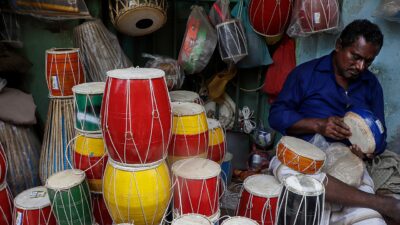
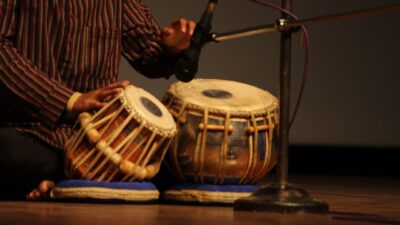
C. Ramchandra — who would later introduce Latin rhythms and jazz elements into Hindi film music (most famously in 'Shamaa' and 'Aaj Kisi Ne Dil Ko') — composed 'O Gori O Chhori' in a straightforward Braj folk idiom, driven by dholak and harmonium. The song's energy is propulsive without being frantic; it moves with the ease of a well-worn folk melody. C. Ramchandra sang under his Bombay persona of 'Chitalkar' — a name he used when singing in lighter folk styles. His voice in this register is robust and direct, very different from the more refined playback voices of the era, and Lata's responses have a spirited, teasing quality that suits the material.
काव्य The Poetry
मोती बी.ए. के बोल ब्रज लोकगीत की 'गोरी-छोरी' परंपरा में हैं — यानी कुएँ, नदी किनारे और उत्सवों पर गाए जाने वाले उत्तर भारतीय लोकगीत। शब्द सरल हैं — और यही उनकी ख़ूबी है। यह गीत गहराई का दावा नहीं करता; यह आनंद का दावा करता है, और वह हासिल करता है।
अंग्रेज़ी में पढ़ें · Read in English
Moti B.A.'s lyric uses the classic Braj vocabulary of the gori-chhori type (calling a girl by her complexion and age), which places it firmly in the tradition of North Indian folk songs sung at wells, rivers, and festive occasions. The words are simple and unadorned — this is their virtue, not their weakness. The song does not aim for depth; it aims for joy, and it achieves it.
कहानी The Story
'नदिया के पार' (१९४८) फ़िल्मिस्तान की प्रस्तुति थी, किशोर साहू के निर्देशन में। दिलीप कुमार और कमिनी कौशल — जो उसी साल 'शहीद' में भी साथ थे — ने यहाँ एक और युगल अभिनय किया। वेलेंटाइन डे पर रिलीज़ — शायद जानबूझकर। सी. रामचंद्र ने आठ गीत बनाए, विविध लोक परंपराओं से खींचकर।
अंग्रेज़ी में पढ़ें · Read in English
Nadiya Ke Paar (1948) was produced by Filmistan and directed by Kishore Sahu. Dilip Kumar and Kamini Kaushal starred together — they had also appeared in Shaheed (1948) — making 1948 a particularly important year for both actors. The film's Valentine's Day release date was notable and probably intentional. C. Ramchandra composed eight songs for the film, drawing on multiple folk traditions for variety. The film's riverside setting gave composers and lyricists natural material to work with.
विरासत The Legacy
हिंदी फ़िल्म संगीत में सी. रामचंद्र का योगदान कभी-कभी नौशाद, एस.डी. बर्मन और शंकर-जयकिशन की छाया में छुप जाता है। लेकिन उनके लोकगीत — जिनमें 'ओ गोरी ओ छोरी' एक प्रारंभिक उदाहरण है — में एक ऐसी सहजता और आनंद है जो उनका विशेष उपहार था। लता मंगेशकर के साथ उनकी बाद की जुगलबंदी (१९५० के दशक की शुरुआत में) स्वर्ण युग के कुछ सबसे प्रिय गीत देगी।
अंग्रेज़ी में पढ़ें · Read in English
C. Ramchandra's contribution to Hindi film music is sometimes overshadowed by his more famous contemporaries Naushad, S.D. Burman, and later Shankar-Jaikishan. But his folk songs — of which 'O Gori O Chhori' is an early example — show a naturalness and joy that was his special gift. His later collaborations with Lata Mangeshkar in the early 1950s would produce some of the most beloved songs of the Golden Era.
वर्गीकरण
Classification- Tempo
- Medium-Fast
Genre
अन्य विवरण
More Details- MySwar — Nadiya Ke Paar (1948)
- Wikipedia — C. Ramchandra
- Hindigeetmala — Nadiya Ke Par songs (https://www.hindigeetmala.net/movie/nadiya_ke_par.htm)
- Songs of Yore — 'Best songs of 1948'
References
रोचक तथ्य
Margin Notesनदिया के पार (1948) वैलेंटाइन डे — 14 फरवरी 1948 — को रिलीज़ हुई थी।
अंग्रेज़ी में पढ़ें · Read in English
Nadiya Ke Paar (1948) was released on Valentine's Day — 14 February 1948.
सी. रामचंद्र लोक शैलियों में गाते समय 'चितलकर' नाम से रचना करते थे — यह उनका रचनात्मक उपनाम और उनकी जाति/उपनाम संदर्भ दोनों था।
अंग्रेज़ी में पढ़ें · Read in English
C. Ramchandra composed under the name 'Chitalkar' when singing in folk styles — it was both his creative pseudonym and his caste/surname reference.
फिल्म का निर्माण फिल्मिस्तान द्वारा किया गया था, जो एस. मुखर्जी द्वारा स्थापित स्टूडियो था और 1940-50 के दशक के प्रमुख स्टूडियो में से एक था।
अंग्रेज़ी में पढ़ें · Read in English
The film was produced by Filmistan, the studio founded by S. Mukherjee which was one of the premier studios of the 1940s–50s.
दिलीप कुमार और कामिनी कौशल शहीद (1948) और नदिया के पार (1948) दोनों में साथ दिखाई दिए — जिससे 1948 उनकी पर्दे की केमिस्ट्री के लिए विशेष रूप से यादगार वर्ष बन गया।
अंग्रेज़ी में पढ़ें · Read in English
Dilip Kumar and Kamini Kaushal appeared together in both Shaheed (1948) and Nadiya Ke Paar (1948) — making 1948 a particularly memorable year for their screen chemistry.
सी. रामचंद्र आगे चलकर 'आना मेरी जान' (पतंगा, 1949) रचने वाले थे जो अगले वर्ष की सबसे बड़ी हिट्स में से एक बना।
अंग्रेज़ी में पढ़ें · Read in English
C. Ramchandra would go on to compose 'Aana Meri Jaan' (Patanga, 1949) which became one of the biggest hits of the following year.
नमूना-पट्टी
The Specimen Table| शीर्षक | ओ गोरी ओ छोरी · O Gori O Chhori |
|---|---|
| वर्ष · युग | 1948 — Golden Era |
| गायक | Lata Mangeshkar, चितलकर (सी. रामचंद्र) |
| गीतकार | मोती बी.ए. |
| संगीतकार | C. Ramchandra |
| स्वरूप | युगल |
| गति | Medium-Fast |
| अवधि | circa 3:00 |
| भाषा | Braj · Hindi · Haryanvi |
| वाद्य | dholak · harmonium · tabla |
| भाव | चुलबुला · रोमांटिक |
| लोकप्रियता | Known |
| बोल-स्थिति | केवल झलक |
जुड़े हुए पन्ने
Connected Plates · The Graph Made Visibleअटलस में कोई पन्ना अकेला नहीं — इस गीत से जुड़े गीत, कलाकार, फ़िल्म, राग-ताल-विधा, सब यहाँ से खुलते हैं।
मिलते-जुलते गीत · Related Songs
कलाकार · The Artists
युग · The Era
साझा कीजिए · Share this Plate
यह पन्ना आगे बढ़ाइए
सी. रामचंद्र जानते थे कब गंभीर संगीतकार बनना है और कब लोक-गायक — 'ओ गोरी ओ छोरी' उनका सबसे सहज लोक-रूप है।
C. Ramchandra knew when to be a serious composer and when to be a folk singer — 'O Gori O Chhori' is his folk self at its most natural.
— editorial reflection
सवाल-जवाब
Questions & Answersक्या सी. रामचंद्र ने अपनी फ़िल्मों में ख़ुद भी गाया? · Did C. Ramchandra actually sing in his own films?
हाँ — सी. रामचंद्र हल्की-फुल्की लोकशैली में 'चितलकर' नाम से ख़ुद गाते थे। वे एक साथ संगीतकार और पार्श्व गायक दोनों थे — जो उस दौर में असामान्य था।
Yes — C. Ramchandra sang under the name 'Chitalkar' in lighter folk-style songs. He was both a composer and a playback singer, which was unusual for the time.