कलाकार विंग · कलाकार-पट्टिका · Artist Plate
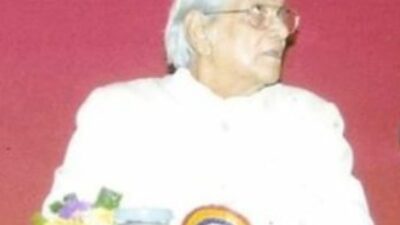
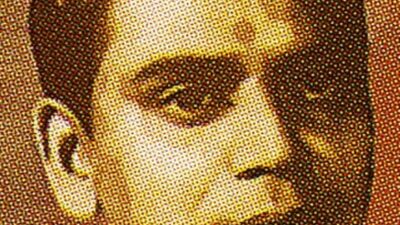
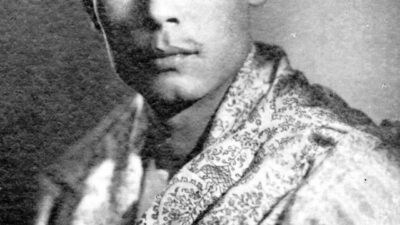
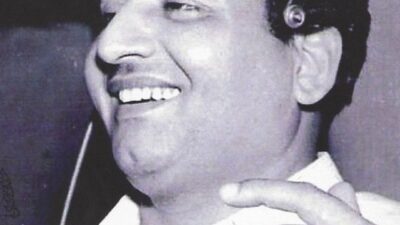
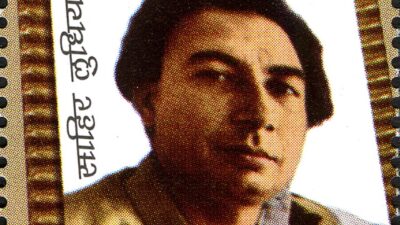
साहिर लुधियानवी
Sahir Ludhianvi · Abdul Hayee
साहिर
जन्म8 March 1921 — लुधियाना, पंजाब, ब्रिटिश भारत
निधन25 October 1980 — Bombay (Mumbai), Maharashtra, India
जीवन-पट्टी
The Life Specimen| नाम | साहिर लुधियानवी · Sahir Ludhianvi |
|---|---|
| जन्म नाम | अब्दुल हई · Abdul Hayee |
| उपनाम | साहिर · इंक़लाब का शायर |
| जन्म | 8 March 1921 — लुधियाना, पंजाब, ब्रिटिश भारत · Ludhiana, Punjab, British India |
| निधन | 25 October 1980 — Bombay (Mumbai), Maharashtra, India |
| भूमिकाएँ | गीतकार |
| सक्रिय वर्ष | 1945–1980 |
| युग | golden-era |
| राष्ट्रीयता | Indian |
| विधाएँ | फ़िल्मी · ग़ज़ल |
| भाषाएँ | Urdu · Hindi |
| पिता | चौधरी फ़ज़ल मोहम्मद |
| माता | सरदार बेग़म |
हस्ताक्षर-पंक्ति · The Signature
हस्ताक्षर-पंक्ति
साहिर · इंक़लाब का शायर
In EnglishThe only film lyricist whose poetry the music had to follow — he demanded one rupee more than Lata's fee, royalties for writers, and credit on All India Radio. He got all three.
पट्टिका-लेख
The Monographजीवनी Biography
साहिर लुधियानवी (8 मार्च 1921 – 25 अक्टूबर 1980) हिंदी सिनेमा के सबसे बड़े शायर-गीतकार थे — वह क़लम जिसने फ़िल्मी गीत को इश्क़ की रवायत से निकालकर समाज के कठघरे तक पहुँचा दिया। लुधियाना में अब्दुल हई के रूप में एक ज़मींदार घराने में जन्मे साहिर का बचपन माँ सरदार बेग़म के संघर्ष की छाया में बीता — पिता से अलगाव और मुफ़लिसी ने उन्हें ज़िंदगी भर के लिए बाग़ी बना दिया। कॉलेज के दिनों में ही उनका पहला काव्य-संग्रह 'तल्ख़ियाँ' (1945) छपा और उर्दू अदब में हलचल मच गई। प्रगतिशील लेखक आंदोलन से जुड़े साहिर लाहौर में पत्रिकाएँ संपादित कर रहे थे, पर 1949 में उनके इंक़लाबी लेखन पर पाकिस्तान सरकार की वक्र दृष्टि हुई और वे दिल्ली होते हुए बंबई आ गए। 'आज़ादी की राह पर' (1949) से शुरुआत हुई; पहचान मिली 'नौजवान' (1951) के 'ठंडी हवाएँ' और गुरु दत्त की 'बाज़ी' (1951) से — दोनों एस.डी. बर्मन के साथ। फिर 'प्यासा' (1957) आई — 'ये दुनिया अगर मिल भी जाए तो क्या है' और 'जिन्हें नाज़ है हिंद पर वो कहाँ हैं' — हिंदी सिनेमा में कविता और क्रोध का सबसे ऊँचा संगम। 'फिर सुबह होगी' का 'वो सुबह कभी तो आएगी', 'हम दोनों' का 'मैं ज़िंदगी का साथ निभाता चला गया' और 'अभी न जाओ छोड़कर', 'ताजमहल' (1963) का 'जो वादा किया वो निभाना पड़ेगा' — जिसके लिए पहला फ़िल्मफेयर मिला — और 'कभी कभी' (1976) का शीर्षक गीत, जिसने दूसरा दिलाया। साहिर पहले गीतकार थे जिन्होंने रॉयल्टी की लड़ाई लड़ी और आकाशवाणी पर गीतकारों का नाम घोषित करवाया। अमृता प्रीतम और सुधा मल्होत्रा से उनके अधूरे प्रेम उर्दू-हिंदी साहित्य की सबसे मार्मिक कथाओं में हैं — वे आजीवन अविवाहित रहे। पद्म श्री (1971) से सम्मानित साहिर का निधन 25 अक्टूबर 1980 को हृदयाघात से हुआ। 'कल और आएँगे नग़मों की खिलती कलियाँ चुनने वाले' — उन्होंने ख़ुद ही लिख दिया था; पर साहिर जैसा फिर कोई नहीं आया।
अंग्रेज़ी में पढ़ें · Read in English
Sahir Ludhianvi (8 March 1921 – 25 October 1980) was Hindi cinema's greatest poet-lyricist — the pen that dragged the film song out of romantic convention and into the witness box of society. Born Abdul Hayee into a landowning family of Ludhiana, he grew up in the shadow of his mother Sardar Begum's struggle: her separation from his father and the poverty that followed turned him into a rebel for life. While still in college he published his first collection of verse, Talkhiyaan ('Bitternesses', 1945), which shook Urdu letters. A Progressive Writers' Movement man, he was editing journals in Lahore when, in 1949, the Pakistan government's hostile eye fell on his revolutionary writing — he moved via Delhi to Bombay.
He began with Azadi Ki Raah Par (1949); recognition came with 'Thandi Hawayein' (Naujawan, 1951) and Guru Dutt's Baazi (1951), both with S.D. Burman. Then came Pyaasa (1957) — 'Yeh Duniya Agar Mil Bhi Jaye To Kya Hai' and 'Jinhen Naaz Hai Hind Par Wo Kahan Hain' — the highest meeting of poetry and rage in Hindi cinema. 'Woh Subah Kabhi To Aayegi' (Phir Subah Hogi), 'Main Zindagi Ka Saath Nibhata Chala Gaya' and 'Abhi Na Jao Chhod Kar' (Hum Dono), 'Jo Wada Kiya Woh Nibhana Padega' (Taj Mahal, 1963) — which won him his first Filmfare Award — and the title song of Kabhi Kabhie (1976), which won him his second, alongside the Yash Chopra films Waqt, Daag and Trishul.
Sahir was the first lyricist to fight for royalties and to force All India Radio to announce lyricists' names along with singers and composers; he famously demanded one rupee more than Lata Mangeshkar's fee. His unfulfilled loves — Amrita Pritam and Sudha Malhotra — are among the most poignant stories in Urdu-Hindi letters; he never married, living with his mother and, after her death, with his poetry and his cigarettes. Honoured with the Padma Shri (1971), he died of a heart attack on 25 October 1980. 'Kal aur aayenge naghmon ki khilti kaliyan chunne wale' — he had written his own elegy; but no one like Sahir ever came again.
तालीम, विधाएँ और भाषाएँ
Training · Genres · Languagesविधाएँ · Genres
भाषाएँ · Languages Sung
जीवन-रेखा
Career Highlights-
1945
छात्र-जीवन में ही पहला युगांतकारी उर्दू काव्य-संग्रह 'तल्ख़ियाँ' प्रकाशित
Publishes Talkhiyaan — his landmark first collection of Urdu poetry, while still a student
-
1949
इंक़लाबी लेखन पर पाकिस्तान सरकार की वक्र दृष्टि के बाद लाहौर छोड़कर बंबई आए
Leaves Lahore for Bombay after Pakistan's government turns hostile to his revolutionary writing
-
1951
एस.डी. बर्मन के साथ 'ठंडी हवाएँ' (नौजवान) और गुरु दत्त की 'बाज़ी' से पहचान
Breakthrough with 'Thandi Hawayein' (Naujawan) and Guru Dutt's Baazi, with S.D. Burman
-
1957
'प्यासा' — 'ये दुनिया अगर मिल भी जाए' हिंदी फ़िल्म में विरोध-काव्य का शिखर
Pyaasa — 'Yeh Duniya Agar Mil Bhi Jaye' marks the summit of protest poetry in Hindi film
-
1958
'वो सुबह कभी तो आएगी' (फिर सुबह होगी) समाजवादी उम्मीद का तराना बना
'Woh Subah Kabhi To Aayegi' (Phir Subah Hogi) becomes an anthem of socialist hope
- 1961 'हम दोनों' — एक ही फ़िल्म में 'मैं ज़िंदगी का साथ' और 'अल्लाह तेरो नाम' Hum Dono — 'Main Zindagi Ka Saath' and 'Allah Tero Naam' in one film
- 1964 'जो वादा किया' (ताजमहल) के लिए सर्वश्रेष्ठ गीतकार का पहला फ़िल्मफेयर Wins his first Filmfare Award for Best Lyricist — 'Jo Wada Kiya' (Taj Mahal)
- 1971 पद्म श्री से सम्मानित Awarded the Padma Shri
- 1977 'कभी कभी' के शीर्षक गीत के लिए दूसरा फ़िल्मफेयर Second Filmfare Award for the title song of Kabhi Kabhie
- 1980 25 अक्टूबर को बंबई में हृदयाघात से निधन — आयु 59 वर्ष Dies of a heart attack in Bombay on 25 October, aged 59
पुरस्कार एवं सम्मान
Awards & Recognition- 1971 पद्म श्री Padma Shri
- 1964 फ़िल्मफेयर पुरस्कार — सर्वश्रेष्ठ गीतकार Filmfare Award — Best Lyricist For 'Jo Wada Kiya Woh Nibhana Padega'
- 1977 फ़िल्मफेयर पुरस्कार — सर्वश्रेष्ठ गीतकार Filmfare Award — Best Lyricist For 'Kabhi Kabhie Mere Dil Mein'
रोचक तथ्य
Margin Notesवे फ़ीस में लता मंगेशकर से एक रुपया ज़्यादा माँगते थे — गीतकार का दर्जा गायक से कम न होने का एलान।
अंग्रेज़ी में पढ़ें · Read in English
He demanded one rupee more than Lata Mangeshkar's fee — a declaration that the lyricist ranked no lower than the singer.
उन्हीं की लड़ाई से आकाशवाणी ने गीतों के साथ गीतकारों का नाम घोषित करना शुरू किया।
अंग्रेज़ी में पढ़ें · Read in English
It was his campaign that made All India Radio start announcing lyricists' names along with songs.
अमृता प्रीतम से उनका अधूरा प्रेम उर्दू-पंजाबी साहित्य की सबसे मार्मिक प्रेम-कथाओं में गिना जाता है; वे आजीवन अविवाहित रहे।
अंग्रेज़ी में पढ़ें · Read in English
His unfulfilled love with Amrita Pritam is among the most poignant romances of Urdu-Punjabi letters; he never married.
'प्यासा' के बाद एस.डी. बर्मन और साहिर ने कभी साथ काम नहीं किया — श्रेय किसका, इस विवाद ने ऐतिहासिक जोड़ी तोड़ दी।
अंग्रेज़ी में पढ़ें · Read in English
After Pyaasa, S.D. Burman and Sahir never worked together again — a credit dispute broke the historic pairing.
अन्य विवरण
More Details- Birth Year
- 1921
- Death Year
- 1980
- Active Years
- 1945–1980
- S.D. Burman — Baazi, Pyaasa, Taxi Driver (partnership ended after Pyaasa)
- N. Dutta — Sadhna, Dhool Ka Phool
- Ravi — Chaudhvin Ka Chand era, Gumraah, Waqt, Humraaz
- Khayyam — Phir Subah Hogi, Kabhi Kabhie, Trishul
- Roshan — Taj Mahal, Barsaat Ki Raat ('Yeh Ishq Ishq Hai')
- B.R. Chopra and Yash Chopra — the house poet of their cinema
- Guru Dutt — Baazi and Pyaasa
Collaborations
अभिलेख-सार
Discography Summary| संग्रह में गीत | 16 — नीचे जुड़े हुए पन्नों में सूचीबद्ध |
|---|
अभिलेख व संदर्भ
Archives & References| विकिपीडिया | Wikipedia |
|---|---|
| संदर्भ | Sahir Ludhianvi — Wikipedia · Sahir Ludhianvi: The People's Poet — Akshay Manwani (2013) |
| प्रसिद्ध सहयोग |
अंग्रेज़ी में पढ़ें · Read in English
|
जुड़े हुए पन्ने
Connected Plates · The Graph Made Visibleअटलस में कोई पन्ना अकेला नहीं — साहिर लुधियानवी से उनके गीत, फ़िल्में, घराना, समकालीन और युग, सब यहाँ से खुलते हैं।
हस्ताक्षर-गीत · Signature Songs
फ़िल्में · The Films
सहयोगी और समकालीन · Collaborators & Contemporaries
युग · The Era
साझा कीजिए · Share this Plate
यह पन्ना आगे बढ़ाइए
सवाल-जवाब
Questions & Answersसाहिर लुधियानवी का असली नाम क्या था?
अब्दुल हई। 'साहिर' (जादूगर) उनका तख़ल्लुस था और 'लुधियानवी' उनके शहर लुधियाना से।
Which are Sahir Ludhianvi's most famous film songs?
'Yeh Duniya Agar Mil Bhi Jaye' (Pyaasa), 'Main Zindagi Ka Saath' and 'Abhi Na Jao Chhod Kar' (Hum Dono), 'Jo Wada Kiya' (Taj Mahal), 'Yeh Ishq Ishq Hai' (Barsaat Ki Raat) and 'Kabhi Kabhie Mere Dil Mein' (Kabhi Kabhie).
साहिर और अमृता प्रीतम की कहानी क्या है?
पंजाबी की महान लेखिका अमृता प्रीतम साहिर से गहरा प्रेम करती थीं — यह अधूरा रिश्ता दोनों की रचनाओं में उम्र भर साँस लेता रहा। अमृता ने अपनी आत्मकथा 'रसीदी टिकट' में इसे अमर कर दिया।