कलाकार विंग · कलाकार-पट्टिका · Artist Plate
मौज़ुद्दीन ख़ान
Mauzuddin Khan · Mauzuddin Khan (also spelt Moujuddin / Maujuddin Khan)
ठुमरी के बादशाह
जन्म1875 — बनारस क्षेत्र, संयुक्त प्रांत, ब्रिटिश भारत
निधन1926 — Calcutta, British India
जीवन-पट्टी
The Life Specimen| नाम | मौज़ुद्दीन ख़ान · Mauzuddin Khan |
|---|---|
| जन्म नाम | मौज़ुद्दीन ख़ान · Mauzuddin Khan (also spelt Moujuddin / Maujuddin Khan) |
| उपनाम | ठुमरी के बादशाह |
| जन्म | 1875 — बनारस क्षेत्र, संयुक्त प्रांत, ब्रिटिश भारत · Banaras region, United Provinces, British India |
| निधन | 1926 — Calcutta, British India |
| भूमिकाएँ | गायक |
| सक्रिय वर्ष | c. 1895–1926 |
| युग | gramophone-era |
| राष्ट्रीयता | Indian |
| विधाएँ | ठुमरी · दादरा · ग़ज़ल · Hindustani Classical |
| भाषाएँ | Hindi · Braj · Awadhi · Urdu |
हस्ताक्षर-पंक्ति · The Signature
हस्ताक्षर-पंक्ति
ठुमरी के बादशाह
In EnglishThe thumri singer other thumri singers wept to hear — a voice that could turn four words of Braj into an entire broken heart, preserved on a handful of shellac discs.
पट्टिका-लेख
The Monographजीवनी Biography
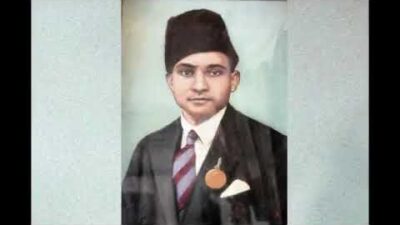
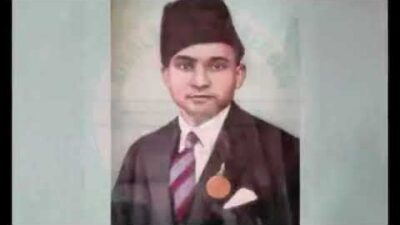
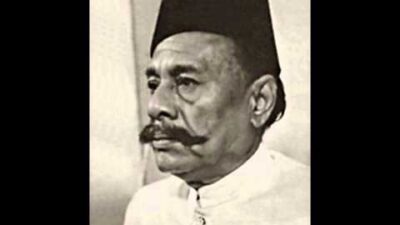
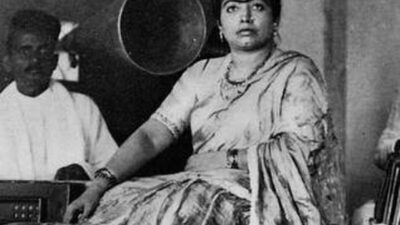
मौज़ुद्दीन ख़ान (अनु. 1875 – 1926) अपनी पीढ़ी के सर्वमान्य ठुमरी-सम्राट थे — वह नाम जिसके आगे बनारस और कलकत्ता की महफ़िलें सिर झुकाती थीं। पूरब अंग की बोल-बनाव ठुमरी उनके गले में अपनी चरम ऊँचाई पर पहुँची: शब्द को तोड़ना, उलटना, सहलाना और हर बार एक नया भाव निकाल लेना — यह कला उनके समकालीनों के अनुसार किसी और के पास उस दर्जे की नहीं थी। कहा जाता है कि बड़े-बड़े उस्ताद उनकी 'कौन गली गयो श्याम' सुनकर रो पड़ते थे। बनारस की संगीत-परंपरा में पले मौज़ुद्दीन कलकत्ता की धनाढ्य महफ़िलों के सितारे बने, जहाँ हारमोनियम के जादूगर भैया गणपत राव उनके अभिन्न संगतकार और मित्र थे। ग्रामोफ़ोन युग ने उनकी आवाज़ को थोड़े-से तवों पर सहेज लिया — तीन मिनट की उन रिकॉर्डिंग्स में भी उनका दर्द साफ़ सुनाई देता है। अव्यवस्थित जीवन, शराब और दरबारी संरक्षण के ढलते दौर ने उन्हें समय से पहले छीन लिया; 1926 के आसपास उनका निधन हो गया। पर ठुमरी गायकी पर उनकी छाप स्थायी रही — आगे की पीढ़ियाँ उनकी रिकॉर्डिंग्स को ठुमरी का पाठ्यग्रंथ मानती रहीं।
अंग्रेज़ी में पढ़ें · Read in English
Mauzuddin Khan (c. 1875 – 1926) was the acknowledged emperor of thumri in his generation — the name before which the mehfils of Banaras and Calcutta bowed. The bol-banav thumri of the Purab ang reached its summit in his throat: breaking a phrase of Braj, turning it over, caressing it, and drawing a new shade of feeling from it each time — an art his contemporaries agreed no one else possessed at his level. It was said that great ustads wept on hearing his 'Kaun Gali Gayo Shyam'. Raised in the Banaras musical tradition, Mauzuddin became the star of Calcutta's wealthy salons, where the harmonium wizard Bhaiya Ganpat Rao was his inseparable accompanist and friend. The gramophone era preserved his voice on a small number of shellac discs — even in those three-minute recordings his ache comes through clearly. A disordered life, drink, and the fading world of courtly patronage took him before his time; he died around 1926. But his stamp on thumri singing proved permanent — later generations treated his records as the textbook of the form.
प्रारंभिक जीवन Early Life
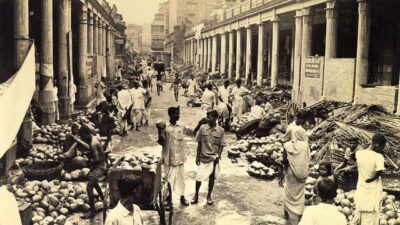
मौज़ुद्दीन ख़ान के प्रारंभिक जीवन का ब्यौरा, उस युग के अधिकांश कलाकारों की तरह, बहुत कम दर्ज है। वे बनारस क्षेत्र और ठुमरी के पूरब अंग से जुड़े माने जाते हैं, और अनुमानतः 1875 के आसपास एक संगीतकार परिवार में जन्मे। 1890 के दशक के अंत तक उनकी असाधारण भाव-शक्ति की ख्याति कलकत्ता — भारत के सबसे समृद्ध संरक्षण-बाज़ार — तक पहुँच चुकी थी।
अंग्रेज़ी में पढ़ें · Read in English
Details of Mauzuddin Khan's early life are thinly documented, as with most artists of the pre-print-celebrity era. He is generally associated with the Banaras region and its Purab ang of thumri, and is believed to have been born around 1875 into a family of musicians. By the late 1890s his reputation as a singer of uncanny emotional power had reached Calcutta, the wealthiest patronage market in India.
करियर Career
मौज़ुद्दीन का करियर कलकत्ता की बड़ी महफ़िलों और ज़मींदारों-राजाओं के संगीत-कक्षों से होकर गुज़रा — बगल में भैया गणपत राव का हारमोनियम। ख़याल वे समर्थ ढंग से गाते थे, पर किंवदंती उन्हें ठुमरी-दादरा ने बनाया — 'कौन गली गयो श्याम', होरियाँ, कजरियाँ, ग़ज़लें। ग्रामोफ़ोन कंपनी ने 1900–1910 के दशकों में उन्हें रिकॉर्ड किया; उनके तवे रसिकों के बीच अध्ययन की वस्तु बनकर घूमते रहे। अंतिम वर्ष कलकत्ता में गिरती सेहत के बीच बीते; 1926 के आसपास निधन हुआ — बोल-बनाव का अंतिम शब्द मानकर उन्हें विदा दी गई।
अंग्रेज़ी में पढ़ें · Read in English
Mauzuddin's career ran through the great salons of Calcutta and the music rooms of zamindars and rajas, with Bhaiya Ganpat Rao's harmonium beside him. He sang khayal capably, but it was thumri and dadra — 'Kaun Gali Gayo Shyam', horis, kajris, ghazals — that made him a legend. The Gramophone Company recorded him in the 1900s–1910s; his discs circulated among connoisseurs as objects of study. His final years were spent in declining health in Calcutta, where he died around 1926, mourned as the last word in bol-banav.
विरासत Legacy
मौज़ुद्दीन ख़ान की गिनी-चुनी रिकॉर्डिंग्स पूरब अंग ठुमरी का संदर्भ-मानक बन गईं। बनारस परंपरा के गायक और गुरु दशकों तक उनकी बोल-बाँट का हवाला देते रहे; भैरवी में 'कौन गली गयो श्याम' की उनकी अदायगी ठुमरी-लोक की सबसे चर्चित प्रस्तुतियों में है। वे उन्नीसवीं सदी की महफ़िली ठुमरी और बीसवीं सदी की रिकॉर्ड-युगीन ठुमरी के बीच का पुल हैं।
अंग्रेज़ी में पढ़ें · Read in English
Mauzuddin Khan's few recordings became the reference standard for Purab ang thumri. Singers and teachers of the Banaras tradition cited his phrasing for decades; his treatment of 'Kaun Gali Gayo Shyam' in Bhairavi remains one of the most discussed performances in thumri lore. He represents the bridge between the salon thumri of the nineteenth century and the recorded, concert-hall thumri of the twentieth.
गायन-शैली Musical Style
बोल-बनाव अपने शुद्धतम रूप में: छोटे-से बोल का धीमा विस्तार, हर दोहराव में नया रंग, अलंकरण सदा अर्थ की सेवा में। उनकी भैरवी और खमाज की ठुमरियों, दादरों और होरियों पर बनारस की मुहर थी — अनहड़बड़, बतकही जैसी, मर्मभेदी। समकालीन विवरण उनकी आवाज़ की चमक से अधिक उसकी चीर देने वाली करुणा पर ज़ोर देते हैं।
अंग्रेज़ी में पढ़ें · Read in English
Bol-banav at its purest: slow elaboration of a short text, each repetition re-coloured, ornament always in service of meaning. His Bhairavi and Khamaj thumris, dadras and horis carried the Banaras stamp — unhurried, conversational, devastating. Contemporary accounts emphasise the tearing pathos of his voice rather than its polish.
तालीम, विधाएँ और भाषाएँ
Training · Genres · Languagesजीवन-रेखा
Career Highlights-
1900
सदी के मोड़ तक कलकत्ता की महफ़िलों के अग्रणी गायक के रूप में स्थापित (अनुमानित)
Established as a leading mehfil singer in Calcutta by the turn of the century (approximate)
-
1910
1900–1910 के दशकों में ग्रामोफ़ोन कंपनी के लिए ठुमरी-दादरा रिकॉर्ड किए (सत्र-तिथियाँ विश्वसनीय रूप से दर्ज नहीं)
Records thumri and dadra sides for the Gramophone Company during the 1900s–1910s (session dates not reliably documented)
-
1926
कलकत्ता में निधन; हिंदुस्तानी संगीत-जगत ने उन्हें युग की सर्वोच्च ठुमरी-आवाज़ मानकर शोक मनाया
Dies in Calcutta; mourned across the Hindustani music world as the supreme thumri voice of his age
रोचक तथ्य
Margin Notesकिंवदंती है कि बड़े उस्ताद भी उनकी भैरवी ठुमरी 'कौन गली गयो श्याम' सुनकर आँसू नहीं रोक पाते थे।
अंग्रेज़ी में पढ़ें · Read in English
Legend holds that even great ustads could not hold back tears on hearing his Bhairavi thumri 'Kaun Gali Gayo Shyam'.
हारमोनियम के जादूगर भैया गणपत राव उनके स्थायी संगतकार थे — ठुमरी इतिहास की सबसे प्रसिद्ध जोड़ियों में एक।
अंग्रेज़ी में पढ़ें · Read in English
The harmonium wizard Bhaiya Ganpat Rao was his constant accompanist — one of the most famous pairings in thumri history.
उनकी बहुत कम रिकॉर्डिंग्स बचीं, और यही दुर्लभता उन्हें संग्रहकर्ताओं के लिए और क़ीमती बनाती है।
अंग्रेज़ी में पढ़ें · Read in English
Very few of his recordings survive, and that very scarcity makes them treasures for collectors.
अन्य विवरण
More Details- Birth Year
- 1875
- Death Year
- 1926
- Active Years
- c. 1895–1926
- Bhaiya Ganpat Rao — the legendary harmonium player, his closest accompanist and companion in Calcutta
- Gauhar Jaan and Janki Bai — fellow stars of the same Calcutta mehfil and recording world
Early Life
मौज़ुद्दीन ख़ान के प्रारंभिक जीवन का ब्यौरा, उस युग के अधिकांश कलाकारों की तरह, बहुत कम दर्ज है। वे बनारस क्षेत्र और ठुमरी के पूरब अंग से जुड़े माने जाते हैं, और अनुमानतः 1875 के आसपास एक संगीतकार परिवार में जन्मे। 1890 के दशक के अंत तक उनकी असाधारण भाव-शक्ति की ख्याति कलकत्ता — भारत के सबसे समृद्ध संरक्षण-बाज़ार — तक पहुँच चुकी थी।
Details of Mauzuddin Khan's early life are thinly documented, as with most artists of the pre-print-celebrity era. He is generally associated with the Banaras region and its Purab ang of thumri, and is believed to have been born around 1875 into a family of musicians. By the late 1890s his reputation as a singer of uncanny emotional power had reached Calcutta, the wealthiest patronage market in India.
Career
मौज़ुद्दीन का करियर कलकत्ता की बड़ी महफ़िलों और ज़मींदारों-राजाओं के संगीत-कक्षों से होकर गुज़रा — बगल में भैया गणपत राव का हारमोनियम। ख़याल वे समर्थ ढंग से गाते थे, पर किंवदंती उन्हें ठुमरी-दादरा ने बनाया — 'कौन गली गयो श्याम', होरियाँ, कजरियाँ, ग़ज़लें। ग्रामोफ़ोन कंपनी ने 1900–1910 के दशकों में उन्हें रिकॉर्ड किया; उनके तवे रसिकों के बीच अध्ययन की वस्तु बनकर घूमते रहे। अंतिम वर्ष कलकत्ता में गिरती सेहत के बीच बीते; 1926 के आसपास निधन हुआ — बोल-बनाव का अंतिम शब्द मानकर उन्हें विदा दी गई।
Mauzuddin's career ran through the great salons of Calcutta and the music rooms of zamindars and rajas, with Bhaiya Ganpat Rao's harmonium beside him. He sang khayal capably, but it was thumri and dadra — 'Kaun Gali Gayo Shyam', horis, kajris, ghazals — that made him a legend. The Gramophone Company recorded him in the 1900s–1910s; his discs circulated among connoisseurs as objects of study. His final years were spent in declining health in Calcutta, where he died around 1926, mourned as the last word in bol-banav.
Legacy
मौज़ुद्दीन ख़ान की गिनी-चुनी रिकॉर्डिंग्स पूरब अंग ठुमरी का संदर्भ-मानक बन गईं। बनारस परंपरा के गायक और गुरु दशकों तक उनकी बोल-बाँट का हवाला देते रहे; भैरवी में 'कौन गली गयो श्याम' की उनकी अदायगी ठुमरी-लोक की सबसे चर्चित प्रस्तुतियों में है। वे उन्नीसवीं सदी की महफ़िली ठुमरी और बीसवीं सदी की रिकॉर्ड-युगीन ठुमरी के बीच का पुल हैं।
Mauzuddin Khan's few recordings became the reference standard for Purab ang thumri. Singers and teachers of the Banaras tradition cited his phrasing for decades; his treatment of 'Kaun Gali Gayo Shyam' in Bhairavi remains one of the most discussed performances in thumri lore. He represents the bridge between the salon thumri of the nineteenth century and the recorded, concert-hall thumri of the twentieth.
Musical Style
बोल-बनाव अपने शुद्धतम रूप में: छोटे-से बोल का धीमा विस्तार, हर दोहराव में नया रंग, अलंकरण सदा अर्थ की सेवा में। उनकी भैरवी और खमाज की ठुमरियों, दादरों और होरियों पर बनारस की मुहर थी — अनहड़बड़, बतकही जैसी, मर्मभेदी। समकालीन विवरण उनकी आवाज़ की चमक से अधिक उसकी चीर देने वाली करुणा पर ज़ोर देते हैं।
Bol-banav at its purest: slow elaboration of a short text, each repetition re-coloured, ornament always in service of meaning. His Bhairavi and Khamaj thumris, dadras and horis carried the Banaras stamp — unhurried, conversational, devastating. Contemporary accounts emphasise the tearing pathos of his voice rather than its polish.
Collaborations
अभिलेख-सार
Discography Summary| संग्रह में गीत | 7 — नीचे जुड़े हुए पन्नों में सूचीबद्ध |
|---|---|
| कुल ज्ञात रिकॉर्डिंग | 2 — 2 संग्रह में उपलब्ध |
| रिकॉर्डिंग-काल | 1919–1922 · पहला सत्र 1900s (undocumented) |
| रिकॉर्ड लेबल | The Gramophone Company (HMV) |
| प्रमुख भूमिका | गायक |
| नित्य सहयोगी | Bhaiya Ganpat Rao (harmonium) |
| हस्ताक्षर-गीत | Kaun Gali Gayo Shyam (Bhairavi thumri) |
| स्रोत | derived from the HindiGeet song archive |
अभिलेख व संदर्भ
Archives & References| विकिपीडिया | Wikipedia |
|---|---|
| संदर्भ | Moujuddin Khan — Wikipedia · Michael Kinnear, 'The Gramophone Company's Indian Recordings' discographies (Bajakhana) |
| प्रसिद्ध सहयोग |
अंग्रेज़ी में पढ़ें · Read in English
|
जुड़े हुए पन्ने
Connected Plates · The Graph Made Visibleअटलस में कोई पन्ना अकेला नहीं — मौज़ुद्दीन ख़ान से उनके गीत, फ़िल्में, घराना, समकालीन और युग, सब यहाँ से खुलते हैं।
हस्ताक्षर-गीत · Signature Songs
सहयोगी और समकालीन · Collaborators & Contemporaries
युग · The Era
साझा कीजिए · Share this Plate
यह पन्ना आगे बढ़ाइए
सवाल-जवाब
Questions & Answersमौज़ुद्दीन ख़ान कौन थे?
अनुमानतः 1875 में जन्मे मौज़ुद्दीन ख़ान बीसवीं सदी के आरंभ के सर्वश्रेष्ठ ठुमरी गायक माने जाते हैं। पूरब अंग की बोल-बनाव ठुमरी उनकी आवाज़ में चरम पर पहुँची; 'कौन गली गयो श्याम' उनकी सबसे प्रसिद्ध रिकॉर्डिंग है। निधन लगभग 1926, कलकत्ता।
What is Mauzuddin Khan famous for?
He is remembered as the supreme thumri singer of the early twentieth century — the master of Purab ang bol-banav. His Bhairavi thumri 'Kaun Gali Gayo Shyam', preserved on early gramophone discs, is his most celebrated recording.