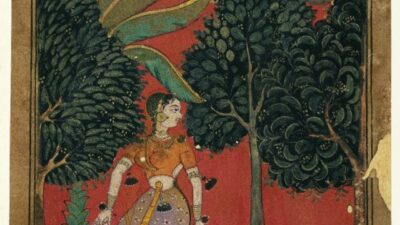
शास्त्र विंग · राग-पट्टिका · Raag Plate
तिलक कामोद
Tilak Kāmod
सबसे मीठा राग · The Sweetest Raag
भावरोमांटिक · मीठा · कोमल · अनुग्रहपूर्ण · विषादपूर्ण
गतिvilambit_to_madhya ऊर्जामध्यम
अन्य नामTilaka Kamod
स्वर-चित्र · The Swara Panel
आरोह — अवरोह · The Ascent and the Descent
कोमल स्वर — Ni — तीव्रित हरे रंग में।
आरोह · Aroha चढ़ती हुई सीढ़ी
अवरोह · Avaroha उतरती हुई सीढ़ी
कोमल स्वर — नीचे की ओर झुका चिह्न (◌॒)सˊ = तार सप्तक का षड्ज
तिलक कामोद सबसे मीठे रागों में से एक है।
अंग्रेज़ी में पढ़ें · Read in English
Tilak Kamod is one of the sweetest raags, with a unique asymmetry: the ascent omits both Ma (4th) and Ni (7th), using only 6 notes. The descent includes the komal Ni♭ (flat 7th), which is absent from the ascent. This creates a graceful, almost poignant character, making Tilak Kamod popular in both classical concerts and film music.
पकड़ · पहचान वाक्यांश
रे ग प ध
Re Ga Pa Dha
तिलक कामोद की विशेषता वाली अनुग्रहपूर्ण, आरोही वाक्य।
अंग्रेज़ी में पढ़ें · Read in English
The graceful, ascending phrase that characterizes Tilak Kamod.
वादी–संवादी टिप्पणी · Vadi–Samvadi note
Vadi — The most important note
Samvadi — The second most important note
चलन · स्वर-यात्रा
सा रे ग प, प ध सˊ, सˊ नि॒ ध प म ग, रे ग प ध, ध प म ग रे स
Sa Re Ga Pa, Pa Dha Sa', Sa' Ni♭ Dha Pa Ma Ga, Re Ga Pa Dha, Dha Pa Ma Ga Re Sa
तिलक कामोद की मीठी, अनुग्रहपूर्ण गति दिखाने वाली मधुर प्रगति।
अंग्रेज़ी में पढ़ें · Read in English
The melodic progression showing Tilak Kamod's sweet, graceful movement.
न्यास स्वर — Sa, Pa, Ga अनुवादी — Ga, Dha
विशेष स्वर-वाक्य
Characteristic Phrasesसमय और भाव
Time Theory & Moodसमय-सिद्धांत · Time Theory
संध्या प्रकाश (शाम/संध्या)
संध्या राग — आमतौर पर शाम और रात के घंटों में गाया जाता है।
Evening raag — typically performed in late evening and night hours, suited to romantic and devotional contexts.
No strong seasonal restriction — can be performed year-round.
भाव और गति · Mood & Tempo
श्रृंगार · Love, Romance, Tenderness
रोमांटिक प्रेम, कोमल समर्पण, और मीठे रोमांस की भावना
vilambit_to_madhya
ऊर्जा · Energyमध्यम
स्तर · Levelintermediate — तिलक कामोद मध्यम-स्तरीय है क्योंकि आरोहण में 6 नोट हैं, लेकिन अवरोहण में अलग नोट हैं।
लक्षण गीत · The Mnemonic Verse
लक्षण गीत
तिलक कामोद रे सा रे ग प ध, म नि नहीं चढ़ते रे।
उतरते म नि कोमल आवे, गा वादी पकड़ुम रे।
अंग्रेज़ी में पढ़ें · Read in English
Tilak Kamod re Sa Re Ga Pa Dha, Ma Ni nahi chadhte re.
Utarte Ma Ni komal aave, Ga vadi pakdum re.
In Tilak Kamod ascending: Sa Re Ga Pa Dha (no Ma, no Ni). Descending, Ma and komal Ni appear. Ga is important.
पट्टिका-लेख
The Monographपरिचय Introduction
राग तिलक कामोद (तिलक कामोद) हिंदुस्तानी शास्त्रीय संगीत में सबसे मीठे, सबसे अनुग्रहपूर्ण रागों में से एक है।
अंग्रेज़ी में पढ़ें · Read in English
Raag Tilak Kamod (तिलक कामोद) is one of the sweetest, most graceful raags in Hindustani classical music. With a poetic name meaning 'the mark of love' ('tilak' = mark, 'kamod' = god of love), the raag embodies romantic tenderness and devotional sweetness. The defining characteristic of Tilak Kamod is its unique asymmetrical structure: the ascent uses only 6 notes, gracefully omitting both Madhyam (Ma) and Nishada (Ni), while the descent includes these notes with Nishada appearing as komal Ni♭ (flat). This creates an elegant, almost bittersweet quality — the sweetness of ascent giving way to a tender, poignant descent. Tilak Kamod is particularly beloved in Hindi film music, where its romantic, lyrical character has made it the raag of choice for countless romantic duets and love songs. In classical contexts, it is performed in the evening hours with a gentle, contemplative approach. The raag's versatility — from intimate classical concerts to mass-appeal film songs — has made it one of the most frequently performed raags in modern Hindustani music.
सांस्कृतिक महत्व Cultural Significance
राग तिलक कामोद को शास्त्रीय और लोकप्रिय संगीत परंपराओं दोनों में एक विशेष स्थान है।
अंग्रेज़ी में पढ़ें · Read in English
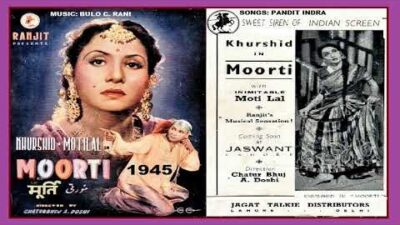
Raag Tilak Kamod holds a special place in both classical and popular music traditions. In the classical tradition, it is honored for its aesthetic elegance and emotional depth. In Bollywood, Tilak Kamod became one of the most frequently used raags for romantic and devotional songs, helping introduce raag concepts to mass audiences. The raag's appearance in iconic films like 'Chitchor' (1976) cemented its status as the raag of romantic cinema. Beyond film, Tilak Kamod remains popular in classical concerts, devotional music, and light classical contexts.
ऐतिहासिक महत्व Historical Significance
राग तिलक कामोद को शास्त्रीय ग्रंथों में खमाज थाट का एक व्युत्पन्न राग के रूप में प्रलेखित किया जाता है।
अंग्रेज़ी में पढ़ें · Read in English
Raag Tilak Kamod is documented in classical texts as a janya (derived) raag of the Khamaj thaat, with poetic associations to love and devotion. The name itself reflects the raag's connection to the god of love (Kamadeva) and the tender mark of affection. By the 18th-19th centuries, Tilak Kamod had become an established raag in the classical system. In the 20th century, particularly with Bollywood's rise, Tilak Kamod became one of the most performed raags in popular film music. Its romantic and lyrical character made it ideal for the songs of the golden age of Hindi cinema.
शिक्षा
Teaching & Learning| बंदिश | ताल · लय | बोल |
|---|---|---|
| Jab Deep Jale Aana Ravindra Jain |
Keherwa | |
| Ae Ri Pawan Traditional |
Teentaal |
असममिति में महारत हासिल करें।
अंग्रेज़ी में पढ़ें · Read in English
Master the asymmetry: Ascent uses only 6 notes (Sa Re Ga Pa Dha), omitting Ma and Ni. Descent adds Ma and introduces Ni♭ (komal Ni). This is Tilak Kamod's defining feature.
तिलक कामोद की सुंदरता इसके आरोहण की सरलता में निहित है।
अंग्रेज़ी में पढ़ें · Read in English
The grace of Tilak Kamod lies in its simplicity of ascent — don't add extra ornamentation. Let the sweetness come from the pure, direct movement.
अवरोहण में, कोमल नि♭ का परिचय एक कोमल, मार्मिक गुणवत्ता बनाता है।
अंग्रेज़ी में पढ़ें · Read in English
When descending, the introduction of komal Ni♭ creates a tender, poignant quality. Use this deliberately — it's the moment where sweetness becomes melancholic.
आरोहण में म या नि को शामिल करना।
अंग्रेज़ी में पढ़ें · Read in English
Including Ma or Ni in the ascent — violating the shadav structure
सुधार: Strictly omit Ma and Ni in ascent. Only Sa Re Ga Pa Dha Sa'. Include them only in descent.
आरोहण को अत्यधिक सजाना।
अंग्रेज़ी में पढ़ें · Read in English
Over-ornamenting the ascent — making it too elaborate
सुधार: Keep the ascent simple and direct. The beauty of Tilak Kamod is in its graceful simplicity.
तुलना
A Specimen Comparisonदोनों खमाज थाट राग हैं।
| तुलनाSpecimen | तिलक कामोद | खमाज |
|---|---|---|
| स्वर-अंतर | Khamaj: Sa Re Ga Ma Pa Dha Ni♭ Sa' | Tilak Kamod: Ascent: Sa Re Ga Pa Dha Sa'; Descent: Sa' Ni♭ Dha Pa Ma Ga Re Sa | |
| भाव-अंतर | Khamaj = Festive, Joyful | Tilak Kamod = Romantic, Tender, Melancholic | |
| समय-अंतर | Khamaj = Evening/Flexible | Tilak Kamod = Evening/Romantic | |
रोचक तथ्य
Margin Notes'तिलक कामोद' का नाम काव्यात्मक रूप से 'प्रेम का चिह्न' या 'प्रेम का निशान' अर्थ है।
अंग्रेज़ी में पढ़ें · Read in English
The name 'Tilak Kamod' poetically means 'the mark of love' or 'love's mark' — tilak (mark) and Kamod (god of love). This poetic naming reflects the raag's intrinsic connection to romantic and devotional expression.
तिलक कामोद की अनन्य असममिति एक अनुग्रहपूर्ण, लगभग कड़वा-मीठा चरित्र बनाती है।
अंग्रेज़ी में पढ़ें · Read in English
Tilak Kamod's unique asymmetry — omitting Ma and Ni in ascent, but including them in descent with Ni appearing as komal Ni♭ — creates a graceful, almost bittersweet character that distinguishes it from other Khamaj-family raags.
बॉलीवुड के इतिहास में, तिलक कामोद रोमांटिक सिनेमा का राग बन गया।
अंग्रेज़ी में पढ़ें · Read in English
In Bollywood history, Tilak Kamod became the raag of romantic cinema. The iconic 1976 film 'Chitchor' featured 'Jab Deep Jale Aana' in Tilak Kamod, which became one of Bollywood's most beloved romantic songs.
प्रस्तुति
Performance- Description
- संध्या राग — आमतौर पर शाम और रात के घंटों में गाया जाता है। Evening raag — typically performed in late evening and night hours, suited to romantic and devotional contexts.
- Prahar Number
- 3
- Prahar Name
- संध्या प्रकाश (शाम/संध्या) Sandhya Prakash (Evening/Dusk)
- Time Start
- 18:00
- Time End
- 22:00
- Time Flexibility
- flexible
- Time Notes
- Particularly suited to evening ragas, romantic settings, and classical concerts in the evening sessions.
Time
और जानें
More to Know- raag-khamaj — Khamaj — खमाज — Both are Khamaj thaat raags with graceful character. Khamaj is festive with 7 notes; Tilak Kamod is romantic with 6 notes in ascent. Tilak Kamod uses komal Ni♭ in descent. — दोनों खमाज थाट राग हैं। — Khamaj: Sa Re Ga Ma Pa Dha Ni♭ Sa' | Tilak Kamod: Ascent: Sa Re Ga Pa Dha Sa'; Descent: Sa' Ni♭ Dha Pa Ma Ga Re Sa — Khamaj = Festive, Joyful | Tilak Kamod = Romantic, Tender, Melancholic — Khamaj = Evening/Flexible | Tilak Kamod = Evening/Romantic
Comparisons
सीखने के लिए
For Learners- Difficulty Level
- intermediate
नमूना-पट्टी
The Specimen Table| नाम | तिलक कामोद · Tilak Kamod |
|---|---|
| थाट | खमाज |
| आरोह | सा रे ग प ध सˊ |
| अवरोह | सˊ नि॒ ध प म ग रे स |
| पकड़ | रे ग प ध |
| जाति | शडव-संपूर्ण · Shadav-Sampurna |
| कोमल स्वर | Ni |
| समय | संध्या प्रकाश (शाम/संध्या) |
| ऋतु | No strong seasonal restriction — can be performed year-round. |
| गति | vilambit_to_madhya |
| ऊर्जा | मध्यम |
| प्रकृति | Shuddha |
| परिवार | खमाज परिवार |
| स्तर | intermediate |
| लोकप्रियता | Very popular |
| कर्नाटक समतुल्य | Dheerashankarabhharanam · Melakarta 29 |
| पाश्चात्य समतुल्य | Major scale with flattened 7th |
| अन्य नाम | Tilaka Kamod |
जुड़े हुए पन्ने
Connected Plates · The Graph Made Visibleअटलस में कोई पन्ना अकेला नहीं — इस राग से गीत, प्रस्तुतियाँ, कलाकार, ताल, घराने और मिलते-जुलते राग, सब यहाँ से खुलते हैं।
प्रसिद्ध प्रस्तुतियाँ · Legendary Renditions
फ़िल्मी गीत इस राग में · Famous Film Songs
इस राग के कलाकार · Notable Artists
ताल-साथी · Taal Pairings
मिलते-जुलते राग · Similar Raags
शास्त्र-सूत्र · Shastra Threads
श्रवण-कक्ष · The Listening Room
सुनिए — तिलक कामोद · Hear the Raag
Raag Tilak Kamod
प्रश्नोत्तर
Questions & Answersतिलक कामोद में कितने नोट हैं?
आरोहण में 6 नोट (सा रे ग प ध सˊ - म और नि नहीं)। अवरोहण में 8 नोट (सˊ नि॒ ध प म ग रे स)।
अंग्रेज़ी में पढ़ें · Read in English
How many notes are in Raag Tilak Kamod? — Ascent: 6 notes (Sa Re Ga Pa Dha Sa' — no Ma, no Ni). Descent: 8 notes with Ma and komal Ni♭.
तिलक कामोद सबसे मीठा राग क्यों है?
आरोहण की सरलता और गति, साथ ही अवरोहण में कोमल नि♭ का प्रयोग, एक मीठी, अनुग्रहपूर्ण विशेषता बनाता है।
अंग्रेज़ी में पढ़ें · Read in English
Why is Tilak Kamod called the sweetest raag? — The simplicity of ascent, combined with the use of komal Ni♭ in descent, creates a sweet, graceful character.
साझा कीजिए · Share this Plate