कहानियाँ विंग · कहानी
लयकारी: संगीत में गणित का जादू
Layakari: The Magic of Mathematics in Music
संख्या और समय का नृत्य जो संगीत को जीवंत करता है
प्रकाशित31 March 2026
आमुख
लयकारी भारतीय संगीत की सबसे परिष्कृत तकनीकें में से एक है जहाँ गणितीय नियमों का अनुप्रयोग संगीत बनाता है। यह एक ऐसी कला है जहाँ समय को विभिन्न तरीकों से विभाजित किया जाता है, परत पर परत संरचित किया जाता है, जिससे अद्भुत संगीतीय प्रभाव बनते हैं।
अंग्रेज़ी में पढ़ें · Read in English
Layakari is one of the most sophisticated techniques in Indian music where the application of mathematical rules creates music. It is an art where time is divided in various ways, structured layer upon layer, creating extraordinary musical effects.
मौलिक अवधारणा: संगीत में समय
The Fundamental Concept: Time in Musicलयकारी, 'लय' (लय/समय) और 'करी' (करना) से लिया गया, भारतीय शास्त्रीय संगीत में लयात्मक हेराफेरी की कला है। इसकी नींव ताल की अवधारणा है—एक दोहराई जाने वाली लयात्मक चक्र जो सभी शास्त्रीय संगीत के लिए अस्थायी ढाँचा प्रदान करता है। जबकि एक मूल ताल सरल है (कहते हैं, एक चक्र में 16 धड़कनें), लयकारी में उस मूल ताल को जटिल तरीकों से विभाजित या गुणा करना शामिल है। 'दुगुन' (दोहरा) की अवधारणा सबसे सरल लयकारी तकनीक है: अगर मुख्य ताल में मूल नाड़ी है, तो दुगुन इसे दोगुनी गति तक तेज़ करता है।
अंग्रेज़ी में पढ़ें · Read in English
Layakari, derived from 'laya' (rhythm/time) and 'kari' (doing), is the art of rhythmic manipulation within Indian classical music. At its foundation is the concept of the tala—a repeating rhythmic cycle that provides the temporal framework for all classical music. While a basic tala is straightforward (say, 16 beats in a cycle), layakari involves taking that basic tala and dividing or multiplying it in complex ways. The concept of 'dugun' (double) is the simplest layakari technique: if the main tala has a basic pulse, dugun speeds it up to twice that pace. This seems simple until one realizes that musicians must maintain both the original tala pulse (for the audience and accompanists) while simultaneously executing melodies at the doubled tempo. 'Tigun' (triple) creates a threefold increase in tempo. 'Chaugun' (quadruple) creates a fourfold increase. These multiples can be combined—sometimes a musician might perform in dugun for a while, then transition to tigun, then back to the original tempo, all within a single continuous melodic phrase. What makes this even more complex is that layakari isn't just about speeding up or slowing down. It involves creating rhythmic tensions and releases, establishing temporary polyrhythmic textures, and generating a sense of forward momentum that builds dramatically toward resolution.
जटिलता बढ़ती है: उन्नत लयकारी
The Complexity Multiplies: Advanced Layakariजैसे-जैसे संगीतकार प्रगति करते हैं, लयकारी तेजी से परिष्कृत होती है। 'समपूर ताल' नामक एक अवधारणा है—एक संपीड़न जहाँ जो सामान्य रूप से 16 धड़कनें लेता है (एक पूर्ण चक्र) कुछ धड़कनों में संपीड़ित है। एक संबंधित अवधारणा 'अप ताल' है—एक विस्तार जहाँ एक चक्र अधिक धड़कनों तक खिंचा जाता है।
अंग्रेज़ी में पढ़ें · Read in English
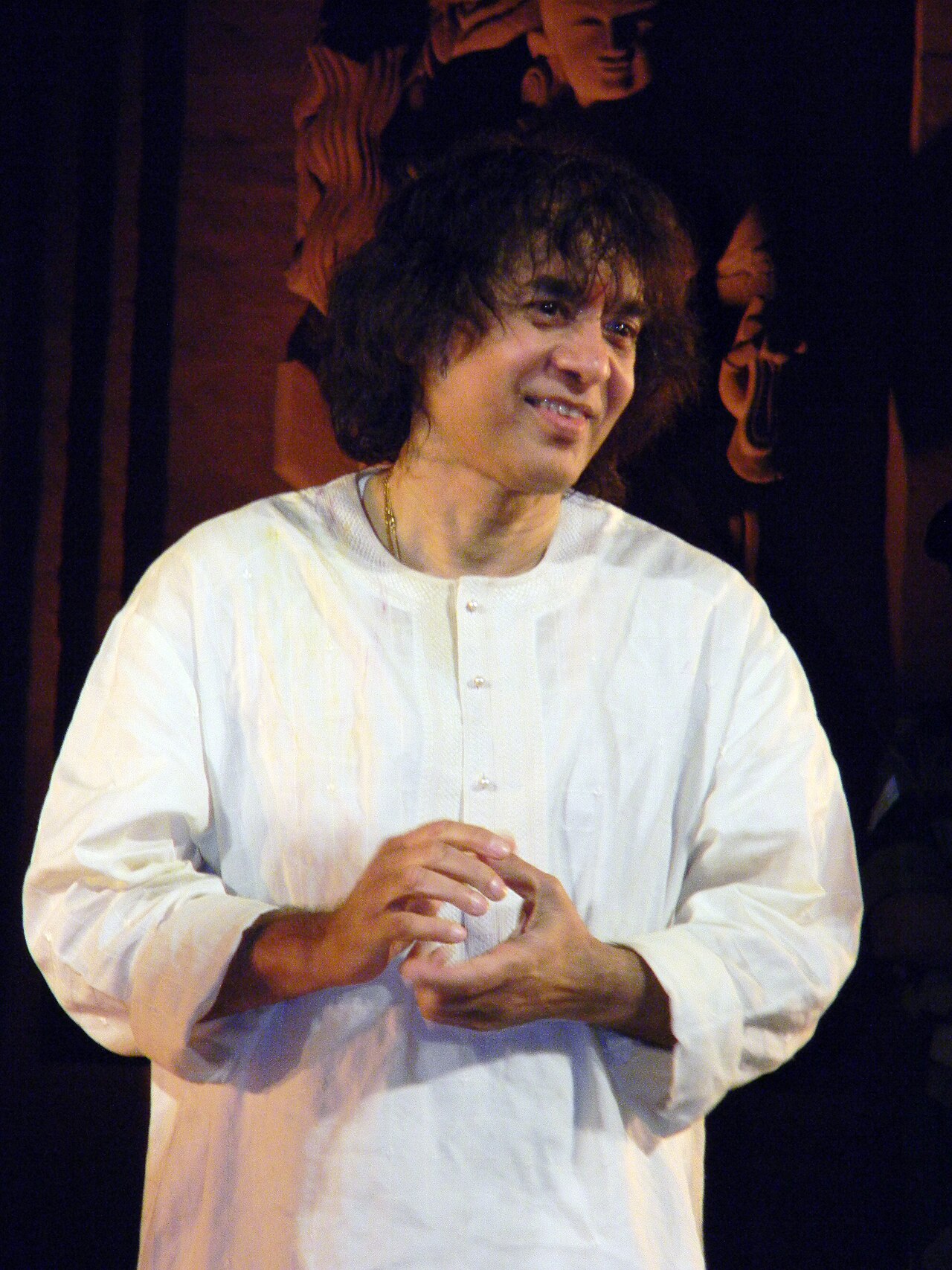
As musicians progress, layakari becomes increasingly sophisticated. There is a concept called 'sampur tala'—a compression where what normally takes 16 beats (one complete cycle) is compressed into fewer beats. A related concept is 'apa tala'—an expansion where a cycle is stretched over more beats. Musicians might also practice 'vikalp'—alternative placements—where the same melodic phrase is placed at different points within the tala, creating different rhythmic relationships and meanings. One particularly challenging form is 'visham sampur'—asymmetrical compression—where the tala is not divided evenly. For instance, instead of dividing a 16-beat tala into 2 equal parts (dugun with 8-beat cycles), the musician creates a cycle of 7 beats, then a cycle of 9 beats, creating an unsettling, off-balance feeling that is eventually resolved. This is polyrhythmic complexity at its finest. Another advanced technique is creating 'layakari in layakari'—taking an already complex layakari phrase and applying layakari principles within it, creating nested layers of rhythmic complexity. The tabla player often becomes the hero in these sections, executing complementary rhythmic patterns that both support and challenge the vocalist's or instrumentalist's line. A great tabla player like Zakir Hussain can execute mind-bending layakari that seems mathematically impossible yet flows with musical inevitability.
तबला और लयकारी: लय का महारथ
Tabla and Layakari: The Master of Rhythmतबला लयकारी प्रदर्शन के लिए प्राथमिक वाद्य यंत्र है, और तबला संगीतकारों ने इस क्षेत्र में असाधारण कौशल विकसित किया है। तबला का दोहरा-सिर डिज़ाइन—बायाँ (बड़ा, बेस ड्रम) और दाया (छोटा, ट्रेबल ड्रम)—स्पष्ट अभिव्यक्ति के साथ जटिल लयात्मक पैटर्न के लिए अनुमति देता है। एक तबला वादक लयकारी निष्पादित करते समय एक साथ करना चाहिए: (1) अंतर्निहित ताल संरचना की जागरूकता बनाए रखें, (2) जटिल लयकारी पैटर्न निष्पादित करें, (3) मुख्य कलाकार द्वारा बजाई जा रहीय मेलोडी को सुनें और प्रतिक्रिया दें, और (4) स्पष्टता और इरादे के साथ दर्शकों को लयात्मक जटिलता के माध्यम से मार्गदर्शन करें।
अंग्रेज़ी में पढ़ें · Read in English
The tabla is the primary instrument for demonstrating layakari, and tabla musicians have developed extraordinary skills in this area. The tabla's dual-head design—the bayan (larger, bass drum) and the daya (smaller, treble drum)—allows for intricate rhythmic patterns with clear articulation. A tabla player executing layakari must simultaneously: (1) maintain awareness of the underlying tala structure, (2) execute the intricate layakari pattern, (3) listen to and respond to the melody being played by the main performer, and (4) guide the listener through rhythmic complexity with clarity and intention. Legendary tabla maestro Zakir Hussain is famous for layakari sections that seem to defy mathematics. In his playing, rhythms that should theoretically be impossible to execute smoothly flow with such musical naturalness that audiences are mesmerized. His approach demonstrates a deeper principle: layakari, while mathematically grounded, is not about mathematical display. The best layakari emerges organically from the music, serving the emotional and artistic arc of the performance. Contemporary tabla players like Anubrata Chatterjee and Rahul Deshpande continue to push the boundaries of layakari, sometimes incorporating Western polyrhythmic concepts while maintaining classical principles. The dialogue between tabla and melody during layakari sections represents one of the most sophisticated musical conversations in world music.
लयकारी के पीछे भौतिकी और तंत्रिका विज्ञान
The Physics and Neuroscience Behind Layakariलयकारी को इस तरह की उच्च जटिलता स्तर पर संगीतकारों को निष्पादित करने के तरीके को समझने में बढ़ती वैज्ञानिक रुचि है। लयकारी में संलग्न तबला वादकों के न्यूरोवैज्ञानिक अध्ययन दिखाते हैं कि कई मस्तिष्क क्षेत्र एक साथ सक्रिय हैं—श्रवण प्रसंस्करण, मोटर नियंत्रण, कार्यशील स्मृति, और ध्यान में शामिल क्षेत्र।
अंग्रेज़ी में पढ़ें · Read in English
There is growing scientific interest in understanding how musicians execute layakari at such high levels of complexity. Neuroscientific studies of tabla players engaged in layakari show that multiple brain regions are simultaneously active—areas involved in auditory processing, motor control, working memory, and attention. During complex layakari, tabla players show activity in both cerebral hemispheres, suggesting that the task requires both analytical (left-hemisphere) and creative/intuitive (right-hemisphere) thinking. From a physics perspective, layakari demonstrates principles of harmony and proportion. The various multiplications (dugun, tigun, chaugun) are mathematically related; a dugun passage creates a harmonic relationship with the base tala. Musicians intuitively understand these relationships through training, even without formal mathematical education. Some researchers have suggested that the polyrhythmic complexities of Indian music may have cognitive benefits, potentially enhancing pattern recognition, mathematical thinking, and temporal processing. For performers, layakari requires developing what researchers call 'entrainment'—the ability to synchronize with multiple temporal frameworks simultaneously. This is why layakari training, while beginning in childhood, continues throughout a musician's career. Each level of complexity builds neurological pathways that make the next level possible.
लयकारी सीखना: एक प्रगतिशील यात्रा
Learning Layakari: A Progressive Journeyलयकारी की सीख आमतौर पर बचपन में शुरू होती है लेकिन प्रशिक्षण के मध्यवर्ती और उन्नत चरणों में तेजी से बढ़ती है। युवा छात्र पहली बार मूल ताल में महारत हासिल करते हैं—समय बनाए रखना और ताल की संरचना को पहचानना सीखते हैं। केवल इस नींव के सुरक्षित होने के बाद शिक्षकों ने दुगुन (दोहरा समय) का परिचय दिया। छात्र दोहरी गति पर बजाना या गाना सीखता है जबकि अंतर्निहित ताल नाड़ी की जागरूकता बनाए रखता है।
अंग्रेज़ी में पढ़ें · Read in English
The learning of layakari typically begins in childhood but accelerates in the intermediate and advanced stages of training. Young students first master the basic tala—learning to keep steady time and recognize the tala's structure. Only after this foundation is secure do teachers introduce dugun (double time). The student learns to play or sing at the doubled tempo while maintaining awareness of the underlying tala pulse. This is deceptively challenging; many students' first attempts at dugun result in losing the underlying pulse. Through repetition and patient drilling, the neurological pathways develop, and eventually dugun becomes second nature. Tigun and higher multiples follow the same pattern. What makes layakari training effective is the use of 'bol'—rhythmic syllables that represent specific patterns. By practicing bols at various layers of layakari, students develop both muscular memory (for percussionists) and linguistic/mental patterns (for singers). Advanced students study compositions that incorporate layakari, learning how traditional masters created layakari passages within the context of raag and composition. They also practice 'layakari in different contexts'—executing the same layakari passage with different raag structures to understand how layakari varies across the musical landscape. The progression from simple to complex is essential; skipping levels typically results in poor execution and can even cause performance anxiety. Many teachers emphasize that true mastery of layakari comes only after thousands of hours of practice and real-world performance experience.
प्रदर्शन में लयकारी: कलात्मक अनुप्रयोग
Layakari in Performance: Artistic Applicationजबकि लयकारी तकनीकी रूप से जटिल है, प्रदर्शन में इसका उद्देश्य हमेशा कलात्मक है। एक संगीतकार विशिष्ट भावनात्मक और सौंदर्यात्मक प्रभाव बनाने के लिए लयकारी का उपयोग करता है। एक राग प्रदर्शन में, लयकारी को तीव्रता बनाने के लिए पेश किया जा सकता है क्योंकि प्रदर्शन चरमोत्कर्ष की ओर बढ़ता है। एकल-लय (एकीकृत समय) से दुगुन तक का बदलाव त्वरण की भावना बनाता है; टिगुन तक और भी अधिक ऊर्जा बनाता है।
अंग्रेज़ी में पढ़ें · Read in English
While layakari is technically complex, its purpose in performance is always artistic. A musician uses layakari to create specific emotional and aesthetic effects. In a raag performance, layakari might be introduced to build intensity as the performance progresses toward its climax. The shift from single-laya (unified time) to dugun creates a sense of acceleration; to tigun creates even greater energy. A skillful musician uses these accelerations strategically, much like a film director uses editing cuts to accelerate narrative pacing. Layakari can also be used to create surprise or disorientation. A sudden shift into an unexpected layakari—or a sudden return to single-laya after complex layakari—can jolt the listener, creating a moment of startled awareness. This emotional effect is deliberately cultivated by master musicians. In ensemble performance, layakari creates opportunities for sophisticated dialogue between musicians. While the melodic soloist (sitar, voice, etc.) is in dugun, the tabla player might be in tigun, creating a polyrhythmic texture where two different temporal worlds coexist. As musicians work together on such passages, they develop profound musical understanding and synchronization. These moments represent the highest level of collaborative artistry in Indian classical music. Contemporary performances sometimes feature even more complex layakari, with some musicians exploring 'cross-rhythmic' layakari where different layakari patterns are played simultaneously in different instruments.
प्रसिद्ध लयकारी महारथ और आधुनिक नवाचार
Famous Layakari Masters and Modern Innovationsभारतीय संगीत के इतिहास में, कुछ संगीतकार अपनी लयकारी कलात्मकता के लिए प्रसिद्ध हो गए हैं। उस्ताद ज़किर हुसैन सबसे प्रसिद्ध हैं, लयकारी मार्ग के साथ जो संगीतकारों के बीच किंवदंती बन गए हैं। गणितीय रूप से जटिल लयकारी का निर्माण करने की उनकी क्षमता जो संगीतात्मक और अपरिहार्य लगती है, कला रूप के शिखर का प्रतिनिधित्व करती है।
अंग्रेज़ी में पढ़ें · Read in English
Throughout Indian music history, certain musicians have become renowned for their layakari artistry. Ustad Zakir Hussain is the most celebrated, with layakari passages that have become the stuff of legend among musicians. His ability to construct mathematically complex layakari that sounds musical and inevitable represents the pinnacle of the art form. In vocal music, singers like Bhimsen Joshi have demonstrated layakari mastery, creating passages where layakari enhances rather than overshadows the raag's emotional content. Contemporary musicians continue to innovate within the layakari tradition. Some have experimented with incorporating Western polyrhythmic concepts, creating fusion approaches to layakari. Others have explored creating layakari with non-traditional instruments, demonstrating that the principles of rhythmic multiplication can be applied universally. Anubrata Chatterjee (tabla) and Saranga Barman (vocal) represent a new generation of musicians pushing boundaries while maintaining classical principles. Their work shows that layakari is not a frozen historical practice but a living, evolving art form. Young tabla students now study not just traditional layakari patterns but also contemporary innovations, preparing themselves to be both guardians of tradition and creative explorers of new possibilities.
परिचय
Identity- Epithet
- संख्या और समय का नृत्य जो संगीत को जीवंत करता है · The dance of numbers and time that brings music to life
श्रवण-कक्ष · The Listening Room
इस कहानी के वीडियो
लय और लयकारी 5 मिनट में
छंद और लयकारी
कहानी-नमूना
The Story Specimen| शीर्षक | लयकारी: संगीत में गणित का जादू · Layakari: The Magic of Mathematics in Music |
|---|---|
| प्रकाशित | 31 March 2026 — admin |
और कहानियाँ
More Stories from the Atlas
साझा कीजिए · Share this Plate