कहानियाँ विंग · कहानी
मीड़: भारतीय संगीत की आत्मा
Meend: The Soul of Indian Music
स्वर से स्वर का यात्रा
प्रकाशित31 March 2026
आमुख
मीड़ एक ऐसी तकनीक है जो भारतीय संगीत को पश्चिमी संगीत से अलग करती है। यह स्वरों के बीच का सुचारु प्रवाह है, जो संगीत को एक नदी बनाता है न कि सीढ़ियों का क्रम।
अंग्रेज़ी में पढ़ें · Read in English
Meend is a technique that distinguishes Indian music from Western music. It is the smooth flow between notes that makes music a river rather than a sequence of steps.
मीड़ क्या है?
What is Meend?मीड़ संगीत की वह तकनीक है जिसमें एक स्वर से दूसरे स्वर तक सुचारु रूप से, बिना किसी विच्छेद के पहुँचा जाता है। यह भारतीय संगीत की सबसे महत्वपूर्ण विशेषता है। जहाँ पश्चिमी संगीत में नोट से नोट तक एक निश्चित अंतराल (interval) है, वहीँ भारतीय संगीत में यह अंतराल एक सतत प्रवाह (continuum) है। जब एक गायक या वादक मीड़ करता है, तो वह केवल दो स्वरों को जोड़ नहीं रहा, बल्कि उन दोनों के बीच की अनंत सूक्ष्मताओं को अभिव्यक्त कर रहा है। यही कारण है कि भारतीय संगीत में राग की भावना और सौंदर्य प्रकट होता है।
अंग्रेज़ी में पढ़ें · Read in English
Meend is the technique of smoothly gliding from one note to another without any discontinuity. It is the most important characteristic of Indian music. Where Western music has fixed intervals between notes, Indian music has a continuous flow.
When a singer or instrumentalist performs meend, they are not merely connecting two notes but expressing infinite subtleties between them. This is why the feeling and beauty of a raag emerges in Indian music.
मीड़ का इतिहास
History of Meendमीड़ की परंपरा भारतीय संगीत के सबसे प्राचीन काल से चली आ रही है। वेदों में, जहाँ मंत्रों का उच्चारण होता है, वहाँ भी इसी तरह की स्वर स्लाइडिंग मिलती है। ध्रुपद परंपरा में मीड़ को एक कला के रूप में विकसित किया गया। 15वीं और 16वीं शताब्दी में, जब ख़याल गायकी का विकास हुआ, तब मीड़ को और भी परिष्कृत किया गया। आज के समय में, हर शास्त्रीय गायक या वादक के लिए मीड़ एक अनिवार्य कौशल है।
अंग्रेज़ी में पढ़ें · Read in English
The tradition of meend has existed since ancient Indian music. In the Vedas, where mantras are chanted, similar pitch sliding is evident. The dhrupad tradition developed meend as an art form.
In the 15th and 16th centuries, when khyal singing evolved, meend was further refined. Today, meend is an essential skill for every classical vocalist or instrumentalist.
विभिन्न घरानों में मीड़
Meend in Different Gharanasअलग-अलग घरानों में मीड़ की अपनी-अपनी विशेषता है। डागर घराने में मीड़ बहुत गहरा और दीर्घ होता है, जिससे एक आध्यात्मिक अनुभूति होती है। किराना घराने में मीड़ लचीला और तरल होता है, जो बहुत सुंदर लगता है। लखनऊ घराने में मीड़ तेज़ गति में अधिक जटिल होता है, जबकि आगरा घराने में यह अधिक संरचित और सुव्यवस्थित है। प्रत्येक घराना अपनी विशेषता के अनुसार मीड़ को प्रयोग करता है।
अंग्रेज़ी में पढ़ें · Read in English
Different gharanas have their own characteristics of meend. In the Dagar gharana, meend is deep and prolonged, creating a spiritual experience. In the Kirana gharana, meend is flexible and fluid, sounding beautiful.
In the Lucknow gharana, meend becomes more complex in faster tempos, while in the Agra gharana it is more structured and organized. Each gharana uses meend according to its distinctive style.
मीड़ का भावनात्मक प्रभाव
Emotional Impact of Meendमीड़ के माध्यम से संगीतकार सबसे गहरी भावनाओं को व्यक्त करता है। एक लंबी और कोमल मीड़ विरह और पीड़ा को दर्शाती है, जबकि एक तेज़ और ऊर्जावान मीड़ आनंद और उत्साह को प्रकट करती है। भारतीय संगीत में मीड़ को 'संगीत की साँस' कहा जाता है। जैसे इंसान की साँस उसके जीवन का प्रतीक है, उसी तरह मीड़ संगीत का आत्मा है। बिना मीड़ के संगीत निर्जीव लगता है, लेकिन मीड़ के साथ वह जीवंत हो उठता है।
अंग्रेज़ी में पढ़ें · Read in English
Through meend, the musician expresses the deepest emotions. A long and gentle meend expresses separation and pain, while a sharp and energetic meend conveys joy and enthusiasm.
In Indian music, meend is called 'the breath of music'. Just as a person's breath symbolizes their life, meend is the soul of music. Without meend, music seems lifeless, but with meend, it comes alive.
मीड़ सीखना
Learning Meendमीड़ सीखना एक कठिन प्रक्रिया है। इसमें न केवल तकनीकी कौशल की आवश्यकता है, बल्कि गहरी संवेदनशीलता और भावनात्मक समझ भी चाहिए। एक शिक्षार्थी को पहले अपने स्वर पर पूर्ण नियंत्रण प्राप्त करना चाहिए। फिर, धीरे-धीरे, विभिन्न प्रकार की मीड़ों को सीखना चाहिए। मीड़ के बिना नोट को 'सफेद नोट' कहते हैं, और मीड़ के साथ वह 'रंगीन नोट' बन जाता है।
अंग्रेज़ी में पढ़ें · Read in English
Learning meend is a challenging process. It requires not only technical skill but also deep sensitivity and emotional understanding.
A student must first gain complete control over their voice. Then, gradually, they should learn different types of meends. A note without meend is called a 'white note', and with meend it becomes a 'colored note'.
प्रसिद्ध संगीतकारों की मीड़
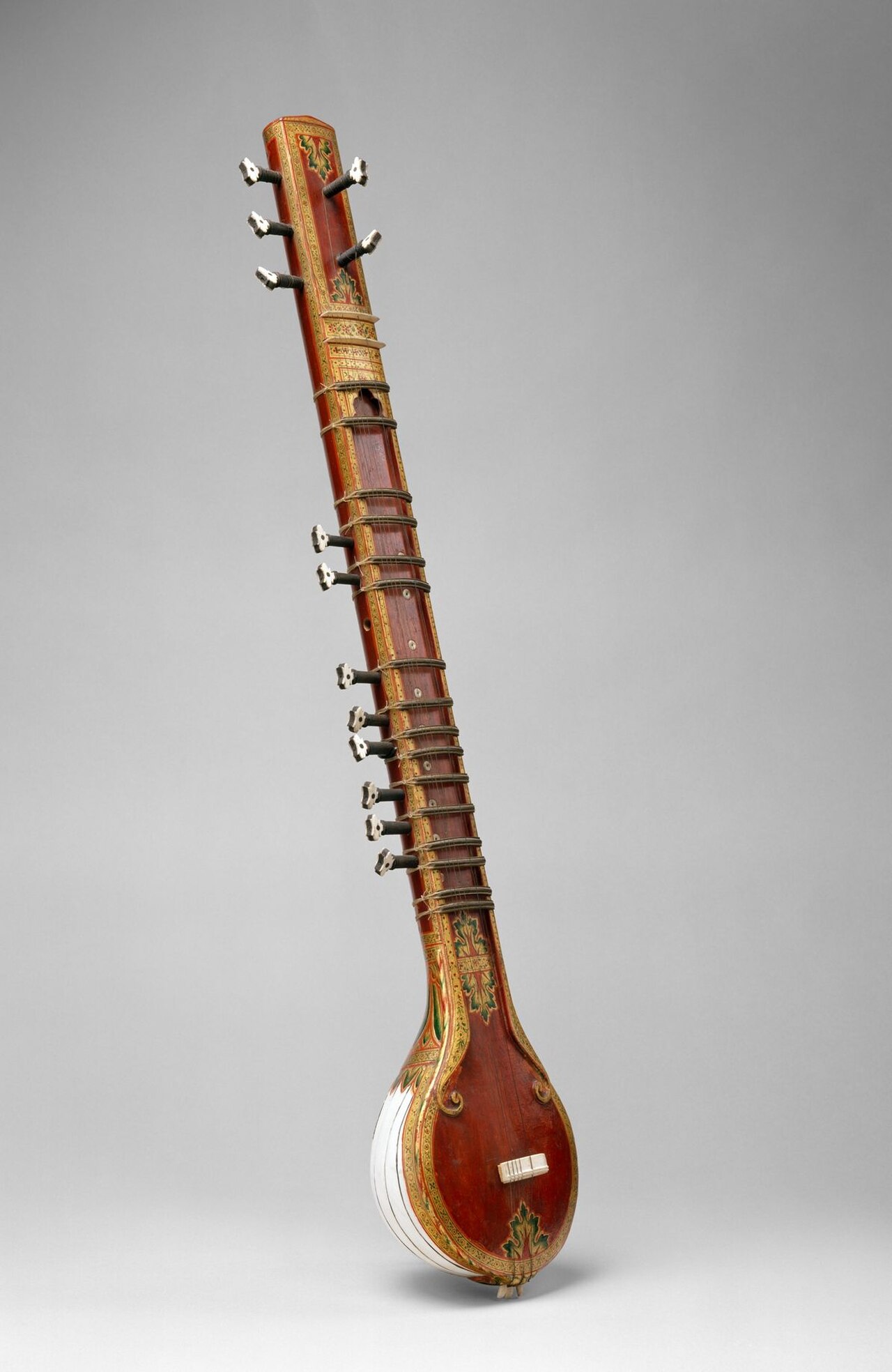
Meend of Famous Musiciansलता मंगेशकर की मीड़ अत्यंत सुंदर और भावनात्मक है। उनकी हर मीड़ में एक विशेष रस होता है। कुमार गंधर्व की मीड़ करुण और गहन थी। उदय शंकर की सितार पर मीड़ पूरी दुनिया को मुग्ध करती है। शहनाई के माध्यम से बिस्मिल्लाह ख़ान ने भी मीड़ का ऐसा उदाहरण प्रस्तुत किया कि शहनाई को भी संगीत का सर्वोच्च दर्जा दिलवाया।
अंग्रेज़ी में पढ़ें · Read in English
Lata Mangeshkar's meend is extremely beautiful and emotional. Every meend of hers carries a special flavor. Kumar Gandharva's meend was melancholic and profound. Uday Shankar's meend on the sitar captivates the entire world.
Through the shehnai, Bismillah Khan demonstrated meend in such an exemplary way that he elevated the shehnai to the highest status in music.
आधुनिक संदर्भ में मीड़
Meend in Modern Contextआधुनिक समय में, इलेक्ट्रॉनिक संगीत और डिजिटल उपकरणों के आगमन के कारण, कई युवा संगीतकार मीड़ की परंपरा को भूलने लगे हैं। लेकिन जो सच्चे शास्त्रीय संगीत प्रेमी हैं, वे अभी भी मीड़ को संगीत का सबसे महत्वपूर्ण अंग मानते हैं। भारतीय संगीत को संरक्षित रखने के लिए, हमें मीड़ जैसी परंपराओं को जीवित रखना चाहिए। हर नई पीढ़ी को मीड़ की शिक्षा दी जानी चाहिए।
अंग्रेज़ी में पढ़ें · Read in English
In modern times, with the advent of electronic music and digital instruments, many young musicians are forgetting the tradition of meend. But those who are true classical music lovers still consider meend the most important aspect of music.
To preserve Indian music, we must keep traditions like meend alive. Every new generation should be taught meend.
परिचय
Identity- Epithet
- स्वर से स्वर का यात्रा · Journey from note to note
श्रवण-कक्ष · The Listening Room
इस कहानी के वीडियो
लता मंगेशकर - भैरवी राग में मीड़
मीड़ सीखने का तरीका
कहानी-नमूना
The Story Specimen| शीर्षक | मीड़: भारतीय संगीत की आत्मा · Meend: The Soul of Indian Music |
|---|---|
| प्रकाशित | 31 March 2026 — admin |
और कहानियाँ
More Stories from the Atlas
साझा कीजिए · Share this Plate