शास्त्र विंग · राग-पट्टिका · Raag Plate
पीलू
Pilu
खिलंदड़ी राग · The Playful Raag
भावखिलंड़ा · आनंदपूर्ण · हल्का · रोमांटिक · पर्वनिमा
ऊर्जाधीमी
अन्य नामPiloo · Pilav · Pilu Bahar
स्वर-चित्र · The Swara Panel
आरोह — अवरोह · The Ascent and the Descent
आरोह · Aroha चढ़ती हुई सीढ़ी
अवरोह · Avaroha उतरती हुई सीढ़ी
सˊ = तार सप्तक का षड्ज
पकड़ · पहचान वाक्यांश
ग म प
Ga Ma Pa
वादी–संवादी टिप्पणी · Vadi–Samvadi note
Samvadi — Panchama (Pa)
समय और भाव
Time Theory & Moodसमय-सिद्धांत · Time Theory
प्रातः काल
परंपरागत रूप से सुबह के समय (6:00 AM - 10:00 AM) गाया जाता है, जब दिन ताज़ा होता है।
Traditionally performed during the morning hours (6:00 AM - 10:00 AM), when the day is fresh and the atmosphere is calm.
वसंत और साल भर
भाव और गति · Mood & Tempo
शांत · Peace/Tranquility
आंतरिक शांति, सुकून और आध्यात्मिक वैराग्य का रस। शांति, ध्यान और अध्यात्म को जगाता है।
ऊर्जा · Energyधीमी
स्तर · LevelIntermediate to Advanced — बुनियादी राग सिद्धांत और प्रदर्शन में ठोस आधार की आवश्यकता है।
विधाएँ और वाद्य · Forms & Instruments
विधाएँपट्टिका-लेख
The Monographपरिचय Introduction
राग पीलू भारतीय शास्त्रीय संगीत में सबसे सुलभ और आनंदपूर्ण रागों में से एक है।
अंग्रेज़ी में पढ़ें · Read in English
Raag Pilu is one of the most accessible and joyful raags in Indian classical music. With all natural swaras (no flat or sharp notes), Pilu has a bright, straightforward character—perfect for expressing playfulness, romance, and festivity. The raag is particularly beloved in the thumri and dadra traditions, where its light, buoyant mood fits the semi-classical aesthetic. Pilu is also extensively used in folk music across North India. The raag's simplicity makes it popular among both amateur and professional singers. In modern times, Pilu appears frequently in film music and light classical recordings.
सांस्कृतिक महत्व Cultural Significance
पीलू भारतीय संगीत प्रणाली में एक अनन्य स्थान रखता है।
अंग्रेज़ी में पढ़ें · Read in English
Pilu occupies a unique place in the Indian musical ecosystem—bridging classical, semi-classical, and folk traditions. It is often used in devotional settings and festive gatherings. The raag's accessibility has made it a favorite for teaching classical music to beginners.
इतिहास History
पीलू शास्त्रीय ग्रंथों में दिखाई देता है।
अंग्रेज़ी में पढ़ें · Read in English
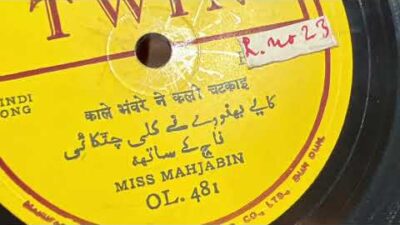
Pilu appears in classical texts and has been a staple of North Indian folk and semi-classical traditions for centuries. It was formalized into the Khayal system during the 18th-19th centuries. The raag became extremely popular in gramophone recordings and remains a cornerstone of thumri and dadra repertoires.
ऐतिहासिक महत्व Historical Significance
पीलू एक हल्का, खुशमिजाज राग है जो किसी भी समय गाया जा सकता है। इसका खिलंदड़ी, लगभग नृत्य जैसा चरित्र इसे शास्त्रीय संगीत और ठुमरी परंपराओं में पसंदीदा बनाता है।
अंग्रेज़ी में पढ़ें · Read in English
Pilu is a light, cheerful raag that can be performed at any time. Its playful, almost dance-like character has made it a favorite in both classical concerts and thumri traditions. The raag's simplicity and accessibility have contributed to its popularity in Bollywood film music as well. Pilu represents the joy and lightness within classical music traditions.
शिक्षा
Teaching & Learning| बंदिश | ताल · लय | बोल |
|---|---|---|
| Aise Na Raho Bhaye Traditional |
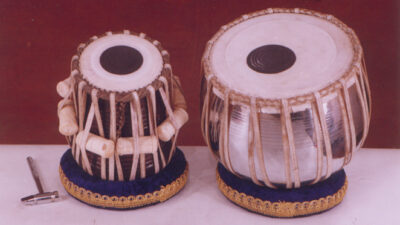
Keherwa | |
| Thumak Chalaun Meri Traditional |
Keherwa |
राग की अंतर्निहित खिलंदड़ीपन और हल्कापन को गले लगाएं। आपकी वाक्यांश बनावट तेजी से, हल्की और लयबद्ध रूप से सटीक होनी चाहिए।
अंग्रेज़ी में पढ़ें · Read in English
Embrace the raag's inherent playfulness and lightness. Unlike serious raags that demand introspection, Pilu invites joy and humor. Let your phrasing be quick, light, and rhythmically precise.
लय में महारत हासिल करें — पीलू अक्सर जटिल ताल पैटर्न के साथ किया जाता है।
अंग्रेज़ी में पढ़ें · Read in English
Master the rhythm — Pilu is often performed with intricate tala patterns. Study Keherwa and Teentaal thoroughly. The raag shines when rhythm and melody work together seamlessly.
पीलू के लोक और लोकप्रिय परंपराओं से संबंध की खोज करें।
अंग्रेज़ी में पढ़ें · Read in English
Explore Pilu's connection to folk and popular traditions. This raag bridges high classical music and accessible popular forms. Study both thumri and film music versions to understand its full range.
पीलू को लापरवाही से मानना क्योंकि यह 'हल्का' है — इसके लिए अभी भी शास्त्रीय अनुशासन की आवश्यकता है।
अंग्रेज़ी में पढ़ें · Read in English
Treating Pilu carelessly just because it's 'light' — it still requires classical discipline
सुधार: Lightness doesn't mean carelessness. Pilu requires precise intonation, rhythmic accuracy, and raag integrity. Masters like Girija Devi spent lifetimes mastering it.
खिलंदड़ीपन की खोज में राग की संरचना खोना — अराजक होना चाहिए आनंदपूर्ण।
अंग्रेज़ी में पढ़ें · Read in English
Losing the raag's structure in pursuit of playfulness — becoming chaotic instead of joyful
सुधार: Pilu's joy comes from perfect rhythmic and melodic control, not from freedom from structure. More discipline, not less, creates the raag's characteristic sparkle.
रोचक तथ्य
Margin Notesपीलू कुछ ही रागों में से एक है जो किसी फ्लैट या तीव्र संस्करण के बिना सभी सात शुद्ध नोट्स का उपयोग करता है।
अंग्रेज़ी में पढ़ें · Read in English
Pilu is one of the few raags that uses all seven shuddha (natural) notes without any flat or sharp variants, giving it maximum melodic flexibility.
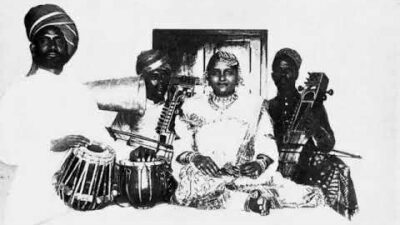
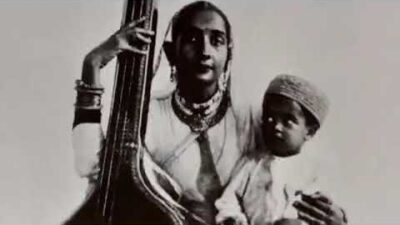
तवायफ परंपरा में, पीलू अक्सर विषादपूर्ण भैरवी के लिए एक हल्का, अधिक छेड़खानी विकल्प के रूप में किया जाता था।
अंग्रेज़ी में पढ़ें · Read in English
In the tawaif (courtesan) tradition, Pilu was often performed as a lighter, more flirtatious alternative to the melancholic Bhairavi.
प्रस्तुति
Performance- Description
- परंपरागत रूप से सुबह के समय (6:00 AM - 10:00 AM) गाया जाता है, जब दिन ताज़ा होता है। Traditionally performed during the morning hours (6:00 AM - 10:00 AM), when the day is fresh and the atmosphere is calm.
- Prahar Number
- 1
- Prahar Name
- प्रातः काल Pratah Kaal
- Time Start
- 06:00
- Time End
- 10:00
- Time Flexibility
- flexible
Time
सीखने के लिए
For Learners- Difficulty Level
- Intermediate to Advanced
नमूना-पट्टी
The Specimen Table| नाम | पीलू · Pilu |
|---|---|
| थाट | बिलावल |
| आरोह | सा रे ग म प ध नि सˊ |
| अवरोह | सˊ नि ध प म ग रे स |
| पकड़ | ग म प |
| जाति | संपूर्ण-संपूर्ण (7-7) · Sampurna-Sampurna (7-7) |
| समय | प्रातः काल |
| ऋतु | वसंत और साल भर |
| ऊर्जा | धीमी |
| परिवार | बिलावल थाट परिवार |
| स्तर | Intermediate to Advanced |
| अन्य नाम | Piloo · Pilav · Pilu Bahar |
जुड़े हुए पन्ने
Connected Plates · The Graph Made Visibleअटलस में कोई पन्ना अकेला नहीं — इस राग से गीत, प्रस्तुतियाँ, कलाकार, ताल, घराने और मिलते-जुलते राग, सब यहाँ से खुलते हैं।
इस राग के गीत · Songs in this Raag
इस राग के कलाकार · Notable Artists
ताल-साथी · Taal Pairings
मिलते-जुलते राग · Similar Raags
शास्त्र-सूत्र · Shastra Threads
श्रवण-कक्ष · The Listening Room
सुनिए — पीलू · Hear the Raag
Raag PILU on FLUTE by Pt. Hariprasad Chaurasia
साझा कीजिए · Share this Plate