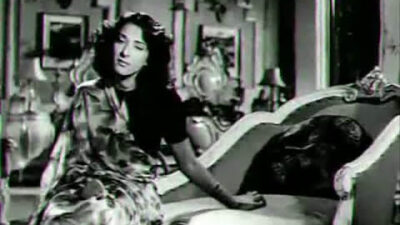
गीत विंग · गीत-पट्टिका · Song Plate
टूटे न दिल टूटे न
Toote Na Dil Toote Na
उम्मीद में गाया गया एक प्रेम-संकल्प — जो बाद आने वाली त्रासदी से असह्य रूप से करुण हो जाता है।
भावमीठा-कड़वा · Hopeful · रोमांटिक
भाषाUrdu · Hindi गतिमध्यम स्वरूपयुगल
श्रेय
The Creditsबोल · The Lyrics
बोल — झलक · Lyrics Preview
प्यार की डोर टूटे न
मेरा दिल तेरा दिल
इक हो जाएँ
Pyaar ki dor toote na
Mera dil tera dil
Ik ho jaayen
कॉपीराइट के कारण केवल झलक — पूरे बोल आधिकारिक मंचों पर।
शब्दकोश
Word Meaningsसूत्र-वाक्य · The Hook
सूत्र-वाक्य
उम्मीद में गाया गया एक प्रेम-संकल्प — जो बाद आने वाली त्रासदी से असह्य रूप से करुण हो जाता है।
In EnglishA vow of love sung in hope — made unbearably poignant by the tragedy that follows.
पट्टिका-लेख
The Monographपरिचय Overview
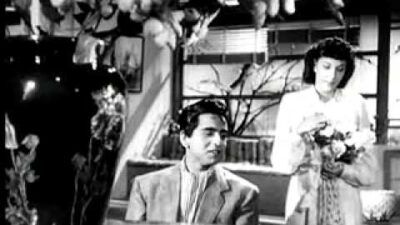
महबूब खान की 'अंदाज़' (१९४९) का यह युगल गीत 'टूटे न दिल टूटे न' उन कोमल गीतों में से एक है जो फ़िल्म के दुखांत को इतना हृदयविदारक बनाते हैं — यहाँ दो आवाज़ें (लता मंगेशकर और मुकेश) नियति के हस्तक्षेप से पहले एक प्रेम-संकल्प गाती हैं। नौशाद के संयमित वाद्य-संयोजन के साथ और शकील बदायूँनी के शास्त्रीय उर्दू कवि की सटीकता से लिखे बोलों के साथ, यह गीत 'डोर' के केंद्रीय रूपक के इर्द-गिर्द बुना गया है — प्रेम का वह नाज़ुक धागा जो टूट न जाए। दिलीप कुमार, नर्गिस और राज कपूर अभिनीत 'अंदाज़' उस साल की सबसे महत्त्वाकांक्षी रोमांटिक ड्रामा थी, और इसका साउंडट्रैक नौशाद की श्रेष्ठ बहु-आयामी रचना है।
अंग्रेज़ी में पढ़ें · Read in English
From Mehboob Khan's Andaz (1949), 'Toote Na Dil Toote Na' is one of the tender duets that makes the film's tragic ending so devastating — here, two voices (Lata Mangeshkar and Mukesh) sing a mutual vow of love before fate intervenes. Set to Naushad's characteristically restrained orchestration and written by Shakeel Badayuni with the precision of a classical Urdu poet, the song is built around the central metaphor of the 'dor' — the fragile thread of love. Andaz (1949), directed by Mehboob Khan and featuring Dilip Kumar, Nargis and Raj Kapoor, was the year's most ambitious romantic drama. Its soundtrack represents Naushad's finest ensemble work — multiple moods, from the tragic solo of 'Uthaye Ja Unke Sitam' to the hopeful tenderness of this duet. Saregama pressed the film's music on HMV and it sold widely, confirming Andaz as one of 1949's landmark albums.
संगीत The Music
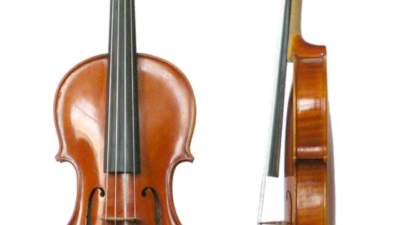
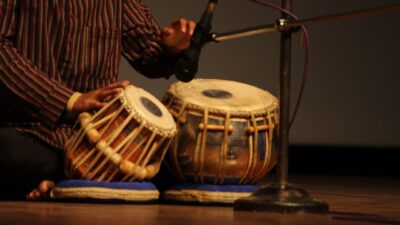
नौशाद का इस 'अंदाज़' युगल गीत के लिए संगीत-संयोजन उसी फ़िल्म के त्रासद एकल गीतों से अधिक हल्का और उत्फुल्ल है — संगीतकार समझते थे कि एक प्रेम कहानी को अपने सुख के पलों की ज़रूरत है ताकि उसका दुख मायने रखे। वायलिन की तारें धुन को आशा के एक चाप में उठाती हैं; ताल स्थिर है पर जल्दबाज़ नहीं। लता और मुकेश की आवाज़ों के बीच संवाद इस प्रकार संरचित है कि वे एक-दूसरे की पंक्तियाँ पूरी करते हैं — 'टूटे न दिल' (लता) 'टूटे न' (मुकेश) — दो आवाज़ों के एक हो जाने का संगीतात्मक भ्रम पैदा करते हुए। हारमोनियम तल में उष्मा प्रदान करता है। यह नौशाद अपनी सबसे उदार सुरीली अवस्था में हैं।
अंग्रेज़ी में पढ़ें · Read in English
Naushad's arrangement for this Andaz duet is lighter and more buoyant than the tragic solos in the same film — the composer understood that a love story needs its moments of joy to make the sorrow matter. Violin strings carry the melody in an arc of hope; the rhythm is steady but not rushed. The dialogue between Lata and Mukesh's voices is structured so that they complete each other's phrases — 'toote na dil' (Lata) 'toote na' (Mukesh) — creating the musical illusion of two voices becoming one. The harmonium provides warmth at the base; tabla marks time gently. This is Naushad at his most melodically generous — no classical severity, just the art of giving two voices exactly the space they need to convey tenderness.
काव्य The Poetry
शकील बदायूँनी की काव्य-रचना 'डोर' को केंद्र में रखती है। उर्दू काव्य में प्रेम अक्सर एक पतंग की तरह कल्पित होता है, और धागा वह अकेला जोड़ जो उसे उड़ जाने से रोकता है। 'टूटे न दिल टूटे न, प्यार की डोर टूटे न' — 'टूटे न' की पुनरावृत्ति एक संकल्प जितनी एक प्रार्थना है। उर्दू के शास्त्रीय रूपों के माहिर बदायूँनी यहाँ सबसे सरल भाषा में काम करते हैं: एक-एक शब्द की इच्छाएँ, सीधा संबोधन, कोई अलंकार नहीं। सरलता ही बात है — वास्तविक भावना को रूपकों की ज़रूरत नहीं, बस सही शब्द साफ़ तरीके से कहे जाने की।
अंग्रेज़ी में पढ़ें · Read in English
Shakeel Badayuni's lyric centres on the 'dor' — the thread. Love in Urdu poetry is often imagined as a kite, and the thread the only connection keeping it from flying away entirely. 'Toote na dil toote na, pyaar ki dor toote na' — the repetition of 'toote na' (do not break) is a prayer as much as a vow. Badayuni, master of Urdu's classical forms, here works in the simplest possible register: monosyllabic wishes, direct address, no ornamentation. The simplicity is the point — genuine feeling does not need metaphorical elaboration, just the right word said clearly.
कहानी The Story
अंदाज़ से 'टूटे न दिल टूटे न' युगल गीत एक संरचनागत विडंबना है: यह स्थायित्व की एक शपथ है उस फ़िल्म में जो सबसे स्थायी तरीके से — त्रासदी और विच्छेद — से समाप्त होती है। महबूब खान ने कथित तौर पर नौशाद को निर्देश दिया था कि शुरुआती रोमांटिक दृश्यों को उनकी पूरी खुशी दें, ताकि बाद की त्रासदी अधिकतम प्रभाव से उतरे। १९४९ तक लता और मुकेश का मुख्य जोड़ी की आवाज़ों के रूप में चुनाव स्वाभाविक था — लता महल (नर्गिस की आवाज़) और मुकेश दुलारी से स्थापित हो चुके थे। रिकॉर्डिंग एक ही सत्र में पूरी हुई — उस युग में युगल गीत के लिए असामान्य बात।
अंग्रेज़ी में पढ़ें · Read in English
The duet 'Toote Na Dil Toote Na' from Andaz is structurally ironic: it is a vow of permanence in a film that ends in the most permanent way possible — tragedy and separation. Mehboob Khan reportedly insisted that Naushad give the early romantic sequences their full joy, so that the later tragedy would land with maximum impact. The casting of Lata and Mukesh as the musical voices for the leading pair was straightforward by 1949 — Lata was already the voice of Nargis (from Mahal) and Mukesh had established himself as a romantic voice via Dulari and Andaz itself. The recording was completed, according to contemporary accounts, in a single session — unusual for a duet in that era, and testimony to the professionalism of both singers.
विरासत The Legacy
'अंदाज़' (१९४९) के दुखांत ने 'टूटे न दिल टूटे न' को एक पश्चात्दर्शी करुणा दी जो उसके अपने सौन्दर्य से परे है। यह जानते हुए कि पात्रों के साथ क्या होने वाला है, इस आशावादी संकल्प की हर पुनः-प्रस्तुति महत्त्वाकांक्षा और नियति के बीच के अंतर पर एक चिंतन बन जाती है। नौशाद के 'अंदाज़' एल्बम की चर्चाओं में — जो लगातार उनके श्रेष्ठ में गिना जाता है — इस गीत को एक ही फ़िल्म में भावनात्मक व्यापकता बनाने की उनकी क्षमता के प्रमाण के रूप में उद्धृत किया जाता है। लता-मुकेश की जोड़ी यहाँ हिंदी सिनेमा की सबसे नैसर्गिक रोमांटिक युगल जोड़ियों में से एक के रूप में स्थापित हुई।
अंग्रेज़ी में पढ़ें · Read in English
The tragic ending of Andaz (1949) gave 'Toote Na Dil Toote Na' a retrospective poignancy that transcends its own beauty. Knowing what befalls the characters, every replay of this hopeful vow becomes a meditation on the gap between aspiration and fate. The song is cited in discussions of Naushad's Andaz album — consistently rated among his finest — as evidence of his ability to create emotional range within a single film. The Lata-Mukesh pairing was cemented here as one of Hindi cinema's most natural romantic duet pairings, alongside their contemporary partnership in Barsaat.
वर्गीकरण
Classification- Tempo
- Medium
Genre
अन्य विवरण
More Details- Wikipedia: Andaz (1949 film) — https://en.wikipedia.org/wiki/Andaz_(1949_film)
- Wikipedia: Naushad — https://en.wikipedia.org/wiki/Naushad
- Wikipedia: Shakeel Badayuni — https://en.wikipedia.org/wiki/Shakeel_Badayuni
- Songs of Yore: Best songs of 1949
- IMDb: Andaz (1949) — https://www.imdb.com/title/tt0129968/
References
रोचक तथ्य
Margin Notes'अंदाज़' (1949) उन आरंभिक हिंदी फ़िल्मों में से एक थी जिसमें तीन बड़े फ़िल्मी सितारे (दिलीप कुमार, राज कपूर, नरगिस) एक प्रेम-त्रिकोण में साथ नज़र आए — इस कास्टिंग ने रिलीज़ से पहले ही भारी प्रचार उत्पन्न कर दिया था।
अंग्रेज़ी में पढ़ें · Read in English
Andaz (1949) was one of the first Hindi films to feature three major film stars (Dilip Kumar, Raj Kapoor, Nargis) in a love triangle — a casting that generated enormous advance publicity.
फ़िल्म के दुखांत अंत ने उन दर्शकों को चौंका दिया जो रूमानी फ़िल्मों के सुखद अंत के आदी थे, जिससे 'टूटे न दिल टूटे न' पीछे मुड़कर देखने पर दुखद विडंबना जैसा प्रतीत होता है।
अंग्रेज़ी में पढ़ें · Read in English
The film's tragic ending shocked audiences accustomed to romantic films resolving happily, making 'Toote Na Dil Toote Na' tragically ironic in retrospect.
नौशाद ने 1949 में 'अंदाज़' और 'दुलारी' दोनों के लिए संगीत रचा, दोनों में उन्होंने शकील बदायूँनी के साथ काम किया, जिससे उनकी रचनात्मक साझेदारी अपने सर्वाधिक उत्पादक चरण में पहुँच गई।
अंग्रेज़ी में पढ़ें · Read in English
Naushad composed for both Andaz and Dulari in 1949, working with Shakeel Badayuni in both, establishing their creative partnership at its most productive.
लता-मुकेश की जोड़ी, जो 1949 में 'बरसात' और 'अंदाज़' दोनों में स्थापित हुई, आगे चलकर स्वर्णिम युग के आरंभिक सिनेमा की रूमानी युगल-गीत ध्वनि को परिभाषित करने वाली बनी।
अंग्रेज़ी में पढ़ें · Read in English
The Lata-Mukesh pairing, confirmed in both Barsaat and Andaz in 1949, would go on to define the romantic duet sound of early golden era cinema.
नमूना-पट्टी
The Specimen Table| शीर्षक | टूटे न दिल टूटे न · Toote Na Dil Toote Na |
|---|---|
| फ़िल्म | अंदाज़ · 1949 |
| वर्ष · युग | 1949 — Golden Era |
| गायक | Lata Mangeshkar, Mukesh |
| गीतकार | Shakeel Badayuni |
| संगीतकार | Naushad |
| स्वरूप | युगल |
| गति | मध्यम |
| भाषा | Urdu · Hindi |
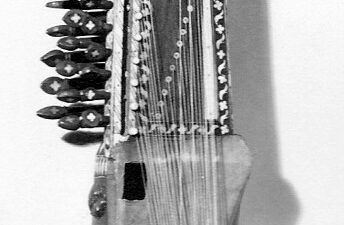
| वाद्य | violin · sarangi · tabla · harmonium |
| भाव | मीठा-कड़वा · Hopeful · रोमांटिक |
| लोकप्रियता | Very_popular |
| बोल-स्थिति | केवल झलक |
जुड़े हुए पन्ने
Connected Plates · The Graph Made Visibleअटलस में कोई पन्ना अकेला नहीं — इस गीत से जुड़े गीत, कलाकार, फ़िल्म, राग-ताल-विधा, सब यहाँ से खुलते हैं।
मिलते-जुलते गीत · Related Songs
कलाकार · The Artists
फ़िल्म · The Film
युग · The Era
साझा कीजिए · Share this Plate
यह पन्ना आगे बढ़ाइए
टूटे न दिल, टूटे न प्यार की डोर — उम्मीद में गाया गया एक संकल्प, दर्द में याद किया जाने वाला।
May the heart not break, may love's thread not break — a vow sung in hope, remembered in sorrow.
— Editorial reading of Andaz (1949) — Songs of Yore tradition
सवाल-जवाब
Questions & Answersक्या 'अंदाज़' (१९४९) एक दुखद फ़िल्म है? · Is Andaz (1949) a tragic film?
हाँ। महबूब खान की 'अंदाज़' (१९४९) दुखांत है — नायिका (नर्गिस) एक ऐसे व्यक्ति को गोली मारती है जो उसकी मित्रता को ग़लत समझता है, और उसे जेल हो जाती है। इस फ़िल्म के अंत ने सुखांत के आदी दर्शकों को चौंका दिया और यह हिंदी सिनेमा इतिहास का एक मील का पत्थर बन गया।
Yes. Andaz (1949), directed by Mehboob Khan, ends tragically — the heroine (Nargis) shoots a man who misunderstands her intentions and is imprisoned. The film's ending shocked audiences accustomed to happy endings and made it a landmark in Hindi cinema history.