गीत विंग · गीत-पट्टिका · Song Plate
तोहे पिया मिलायेंगे
Tohe Piya Milaayenge
दर्द से भरी प्रार्थनाओं की इस फ़िल्म में यह कोमल आश्वासन है — वह गीत जो कहता है: भरोसा रखो, पिया मिलेंगे।
भावभक्ति · Hopeful · शांत · आध्यात्मिक
भाषाHindi · Braj · Awadhi गतिधीमी स्वरूपएकल महिला
श्रेय
The Creditsबोल · The Lyrics
बोल — झलक · Lyrics Preview
काहे तू रोए रे मन, तोहे पिया मिलायेंगे
Kahe tu roe re man, tohe piya milaayenge
कॉपीराइट के कारण केवल झलक — पूरे बोल आधिकारिक मंचों पर।
शब्दकोश
Word Meaningsसूत्र-वाक्य · The Hook
सूत्र-वाक्य
दर्द से भरी प्रार्थनाओं की इस फ़िल्म में यह कोमल आश्वासन है — वह गीत जो कहता है: भरोसा रखो, पिया मिलेंगे।
In EnglishIn a film full of anguished prayers, this is the gentle one — the song that says: have faith, beloved will come.
पट्टिका-लेख
The Monographपरिचय Overview
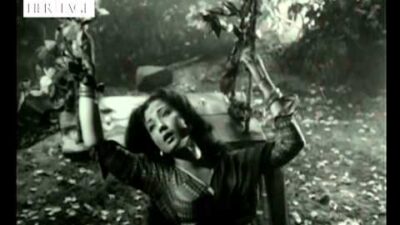
बैजू बावरा (1952) के संग्रह में 'तोहे पिया मिलायेंगे' एक ऐसा रत्न है जो 'ओ दुनिया के रखवाले' और 'मोहे भूल गए साँवरिया' की हृदय-विदारक विलाप के बाद थोड़ी राहत देता है। नौशाद ने इसे खमाज की ज़मीन पर कहरवा ताल में संजोया, शकील बदायूँनी ने ब्रज-अवधी की लोक-भाषा में बोल लिखे। यह एक कोमल सांत्वना का गीत है — गौरी (मीना कुमारी) अपने अनुपस्थित प्रेमी से नहीं बल्कि अपने स्वयं के दुख से बात करती है, उसे आश्वस्त करती है कि प्रिय मिलेंगे, ईश्वर से मिलन होगा। 'तोहे', 'काहे' जैसे ज़मीनी शब्द इस प्रार्थना को एक माँ की लोरी-सा अंतरंग बना देते हैं।
अंग्रेज़ी में पढ़ें · Read in English
A gem in the Baiju Bawra (1952) collection that offers emotional relief after the devastating laments of 'O Duniya Ke Rakhwale' and 'Mohe Bhool Gaye Saanvariya', 'Tohe Piya Milaayenge' is Lata Mangeshkar's gentlest classical performance in the film. Composed by Naushad in a Khamaj-adjacent mode with Keherwa taal, with Shakeel Badayuni's lyric in a Braj-Awadhi vernacular, the song is an act of tender consolation — Gauri (Meena Kumari) speaks not to her absent lover but to her own grief, promising that the beloved will return and that union with the divine is inevitable. The language shifts from formal Urdu to earthy 'tohe' and 'kahe', giving the prayer an intimate, almost maternal quality that distinguishes it from the more formally devotional songs in the same film.
संगीत The Music
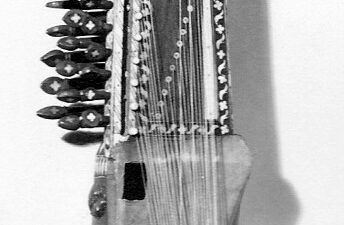
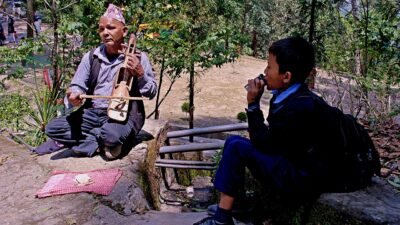
नौशाद ने यहाँ राग खमाज का उपयोग जानबूझकर किया — खमाज रोमांटिक भक्ति और आशा-सहित तड़प की भावनाओं से जुड़ा है, दरबारी की रात्रिकालीन गंभीरता या भैरवी की विदाई-पीड़ा के विपरीत। कहरवा ताल (आठ मात्रा) की सौम्य लय में यह रचना एक झूले की तरह चलती है — विश्वास की लोरी। सारंगी लता जी के स्वरों के बीच एक निरंतर सूत्र बनाए रखती है। इस गीत को फ़िल्म के अन्य भक्ति-गीतों से जो अलग करता है वह है संस्कृत या शास्त्रीय उर्दू के बजाय ब्रज-अवधी की देसी भाषा — यह लोक-बोली में भक्ति है, न कि धर्म-ग्रंथ की भाषा में।
अंग्रेज़ी में पढ़ें · Read in English
Naushad's use of Raag Khamaj here is deliberate — Khamaj is associated with romantic devotion and the lighter emotions of yearning-with-hope, in contrast to the late-night gravity of Darbari or the farewell pathos of Bhairavi. In Keherwa taal's gentle 8-beat cycle, the composition moves with the quality of a gentle rocking — like a lullaby of faith. The sarangi provides a continuous melodic thread between Lata's phrases, maintaining the sense of an ongoing conversation. What distinguishes this song from the formally devotional songs in Baiju Bawra is its use of vernacular (Braj/Awadhi) rather than Sanskrit or formal Urdu — it is devotion in the mother-tongue rather than the liturgical language.
काव्य The Poetry
शकील बदायूँनी की रचना में यह गीत ब्रज-अवधी की लोक-भाषा के लिए असाधारण है — वही भक्ति-भाषा जो मीराबाई और उत्तर भारत के संत-कवियों ने अपनाई। 'तोहे पिया मिलायेंगे' में तृतीय पुरुष का उपयोग — 'वे मिलाएँगे' — ईश्वर को वादे में शामिल करता है: 'वह आएगा' नहीं, बल्कि 'वे मिलाएँगे' — मानो ईश्वर का हाथ इस मिलन में है। 'काहे तू रोए रे मन' (क्यों रोता है ओ मन) दिल को अलग प्राणी की तरह संबोधित करता है — वही काव्य-तकनीक जो दाग़ के 'ऐ मेरे दिल कहीं और चल' में है, लेकिन बिल्कुल विपरीत भाव से: आगे बढ़ने का निर्देश नहीं, बल्कि ठहरकर विश्वास रखने की सांत्वना।
अंग्रेज़ी में पढ़ें · Read in English
Shakeel Badayuni's lyric is unusual in his oeuvre for its Braj-Awadhi dialect register — the same devotional vernacular used by Mirabai and the sant poets of North India. 'Tohe piya milaayenge' — they will cause you to meet your beloved — uses the third person as a way of including the divine in the promised reunion: not 'he will come to you' but 'they will bring you together', implying the hand of God. The refrain 'kahe tu roe re man' (why do you weep, O heart) addresses the heart as a distinct entity separate from the self — the same poetic move as the very different 'Ae mere dil kahin aur chal' from Daag, but in the opposite register: consolation rather than instruction to move on.
कहानी The Story
बैजू बावरा की कथा-संरचना में यह गीत फ़िल्म के हृदय-विदारक विलापों का भावनात्मक संतुलन करता है। गौरी जानती है कि वह शायद बैजू को फिर न देखे — फिर भी वह एक ऐसे विश्वास से मिलन का गीत गाती है जो सामान्य आशा से परे है। निर्देशक विजय भट्ट ने इस गीत को जानबूझकर दर्शकों को फ़िल्म के तीव्र प्रसंगों के बीच साँस लेने का एक क्षण देने के लिए रखा। नौशाद ने याद किया कि मीना कुमारी ने चित्रीकरण से पहले इस गीत के साथ बैठने का समय माँगा था, और उनका भाव फ़िल्माने के दौरान एक ऐसी शांति से भरा था जिसने सेट पर सबको चकित कर दिया।
अंग्रेज़ी में पढ़ें · Read in English
In the narrative architecture of Baiju Bawra, this song serves as the emotional counterweight to the film's devastating laments. Gauri knows she may never see Baiju again — yet she sings of reunion with a faith that transcends ordinary hope. Director Vijay Bhatt placed this song deliberately to give audiences a moment of breath between the film's more anguished sequences. Naushad recalled that Meena Kumari asked for time to sit with the song before filming the picturization, and that her expression during shooting reflected a serenity that surprised everyone on set — as if she had temporarily resolved her own character's grief through the act of singing.
विरासत The Legacy
'तोहे पिया मिलायेंगे' बैजू बावरा की विरासत में भव्य शास्त्रीय रचनाओं की तुलना में एक शांत कोने में है, लेकिन उन श्रोताओं के बीच इसके गहरे प्रशंसक हैं जो फ़िल्म की भव्यता की जगह उसकी कोमलता को पसंद करते हैं। यह नौशाद और शकील की उस संवेदनशीलता को दर्शाता है जो भक्ति-संगीत की पूरी भावनात्मक सीमा को समझती है — केवल पीड़ा और विनती नहीं बल्कि कोमल विश्वास भी।
अंग्रेज़ी में पढ़ें · Read in English
Tohe Piya Milaayenge occupies a quieter corner of the Baiju Bawra legacy than the grand classical pieces, but it has a devoted following among listeners who prefer the film's tenderness to its grandeur. It represents Naushad's and Shakeel's sensitivity to the range of emotions that devotional music encompasses — not only anguish and supplication but also gentle faith. Lata Mangeshkar herself cited songs in this more intimate register as among those closest to her, where the emotion is not performed but inhabited.
वर्गीकरण
Classification- Tempo
- Slow
Genre
अन्य विवरण
More Details- Hindi Film Geet Kosh, Vol. 3 (1952), ed. Har Mandir Singh 'Hamraaz'
- Naushad: The Last of the Mohicans — Raju Bharatan (2004)
- Wikipedia: Baiju Bawra (1952 film)
- Wikipedia: Shakeel Badayuni
References
रोचक तथ्य
Margin Notesब्रज-अवधी बोली के शब्द 'तोहे' (तुम्हें) और 'काहे' (क्यों) इस प्रार्थना को उसी लोकभाषा में स्थापित करते हैं जिसका प्रयोग मीराबाई, सूरदास और मध्यकालीन भारत के संत कवियों ने किया था।
अंग्रेज़ी में पढ़ें · Read in English
The Braj-Awadhi dialect words 'tohe' (to you) and 'kahe' (why) root the prayer in the same vernacular used by Mirabai, Surdas, and the sant poets of medieval India.
नौशाद ने इस गीत के लिए राग खमाज का चुनाव बैजू बावरा में अन्यत्र प्रयुक्त भारी रागों (दरबारी, भैरवी) के साथ भावनात्मक विरोधाभास उत्पन्न करने के लिए किया।
अंग्रेज़ी में पढ़ें · Read in English
Naushad selected Khamaj for this song to create emotional contrast with the heavier raags (Darbari, Bhairavi) used elsewhere in Baiju Bawra.
कहा जाता है कि मीना कुमारी ने इस गीत के फ़िल्मांकन की तैयारी शूटिंग से पहले भक्ति काव्य पढ़कर की थी, ताकि वे सही भावनात्मक स्वर तलाश सकें।
अंग्रेज़ी में पढ़ें · Read in English
Meena Kumari reportedly prepared for this song's picturization by reading devotional poetry before the shoot, seeking the correct emotional register.
इस गीत की आस्था और 'मोहे भूल गए सांवरिया' की निराशा के बीच का विरोधाभास विरह-भक्ति के दो ध्रुवों को दर्शाता है — वह भक्त जो संदेह करता है, और वह भक्त जो विश्वास करता है।
अंग्रेज़ी में पढ़ें · Read in English
The contrast between this song's faith and 'Mohe Bhool Gaye Saanvariya's despair maps onto the two poles of viraha-bhakti: the devotee who doubts and the devotee who trusts.
नमूना-पट्टी
The Specimen Table| शीर्षक | तोहे पिया मिलायेंगे · Tohe Piya Milaayenge |
|---|---|
| वर्ष · युग | 1952 — Golden Era |
| गायक | Lata Mangeshkar |
| गीतकार | Shakeel Badayuni |
| संगीतकार | Naushad |
| स्वरूप | एकल महिला |
| गति | धीमी |
| अवधि | 3:52 |
| भाषा | Hindi · Braj · Awadhi |
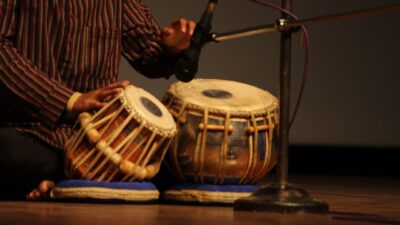
| वाद्य | sarangi · tabla · harmonium |
| भाव | भक्ति · Hopeful · शांत · आध्यात्मिक |
| लोकप्रियता | Very_popular |
| बोल-स्थिति | केवल झलक |
जुड़े हुए पन्ने
Connected Plates · The Graph Made Visibleअटलस में कोई पन्ना अकेला नहीं — इस गीत से जुड़े गीत, कलाकार, फ़िल्म, राग-ताल-विधा, सब यहाँ से खुलते हैं।
मिलते-जुलते गीत · Related Songs
कलाकार · The Artists
युग · The Era
साझा कीजिए · Share this Plate
यह पन्ना आगे बढ़ाइए
बैजू बावरा के संगीत-संसार में अगर 'ओ दुनिया' तूफ़ान है, तो 'तोहे पिया' उसके बाद का सन्नाटा है।
In the world of Baiju Bawra's music, if 'O Duniya' is the storm, 'Tohe Piya' is the quiet after.
— Music critic Amrit Gangar (attributed)
सवाल-जवाब
Questions & Answers'तोहे पिया मिलायेंगे' का क्या अर्थ है? · What does 'Tohe Piya Milaayenge' mean?
'तोहे पिया मिलायेंगे' का अर्थ है 'तुम्हें तुम्हारे प्रिय से मिलाएँगे' — पुनर्मिलन का वादा, जिसमें ईश्वर को वह शक्ति माना गया है जो मिलन को संभव करेगी। 'तोहे' ब्रज भाषा में 'तुम्हें' है, और 'पिया' प्रियतम।
'Tohe piya milaayenge' means 'they will cause your beloved to meet you' — a promise of reunion, with God implied as the agent who will bring the meeting about. 'Tohe' is Braj dialect for 'to you', and 'piya' is the beloved.
'तोहे पिया मिलायेंगे' किस राग में है? · Which raag is used in Tohe Piya Milaayenge?
यह गीत राग खमाज में रचा माना जाता है — एक राग जो रोमांटिक भक्ति, हल्की भावनाओं और आशा-सहित तड़प से जुड़ा है। नौशाद ने फ़िल्म के अन्य भारी रागों (दरबारी, भैरवी) के विपरीत भावनात्मक विविधता के लिए खमाज का चुनाव किया।
The song is believed to be composed in Raag Khamaj — a raag associated with romantic devotion, light emotions, and the mood of yearning-with-hope. Naushad chose Khamaj to provide emotional contrast with the heavier raags (Darbari, Bhairavi) used in Baiju Bawra's other songs.