गीत विंग · गीत-पट्टिका · Song Plate
ठंडी हवाएँ लहराके आएँ
Thandi Hawayein Lehraake Aayein
जब बर्मन-दा ने एक ठंडी हवा को बंबई के रिकॉर्डिंग स्टूडियो में आने दिया, तो पूरे हिंदुस्तान ने उसे महसूस किया।
भावपुरानी यादें · चुलबुला · रोमांटिक
भाषाUrdu · Hindi गतिमध्यम स्वरूपएकल महिला
श्रेय
The Creditsबोल · The Lyrics
बोल — झलक · Lyrics Preview
मौसम है सुहाना, प्यार का ज़माना
Mausam hai suhana, pyar ka zamana
कॉपीराइट के कारण केवल झलक — पूरे बोल आधिकारिक मंचों पर।
शब्दकोश
Word Meaningsसूत्र-वाक्य · The Hook
सूत्र-वाक्य
जब बर्मन-दा ने एक ठंडी हवा को बंबई के रिकॉर्डिंग स्टूडियो में आने दिया, तो पूरे हिंदुस्तान ने उसे महसूस किया।
In EnglishWhen S.D. Burman let a cool breeze into a Bombay recording studio, the whole of India felt it.
पट्टिका-लेख
The Monographपरिचय Overview
नवकेतन की फ़िल्म 'नौजवान' (1951) का गीत 'ठंडी हवाएँ लहराके आएँ' स्वर्णिम युग के रोमानी गीतों में सचिन देव बर्मन की सर्वोत्कृष्ट रचनाओं में से एक है। लता मंगेशकर की आवाज़ में, नलिनी जयवन्त पर फ़िल्माया गया यह गीत, साहिर लुधियानवी के सरल किन्तु प्राणवन्त शब्दों से सजा है। बर्मन-दा ने बंगाल की लोकधुन और उत्तर भारतीय शास्त्रीय संगीत के मिश्रण से जो रंग इस धुन में भरा, वह पहाड़ी-स्केल की ताज़गी और दादरा ताल की मद्धिम थाप में जीवंत हो उठा। HMV ने इसे 78 आरपीएम डिस्क पर उसी वर्ष जारी किया और यह शीघ्र ही रेडियो सीलोन पर सर्वाधिक माँगे जाने वाले गीतों में शामिल हो गया। देव आनंद की नवकेतन कंपनी उस दौर में बाज़ी के साथ-साथ इस गीत के ज़रिये हिंदी सिनेमा में एक नई शहरी-रोमानी भाषा को गढ़ रही थी।
अंग्रेज़ी में पढ़ें · Read in English
"Thandi Hawayein Lehraake Aayein" from Navketan's noir-romance Naujawan (1951) stands as one of S.D. Burman's most exquisitely crafted romantic songs of the early Golden Era. Sung by Lata Mangeshkar in playback for Nalini Jaywant, with lyrics by the poet Sahir Ludhianvi, the song builds on Burman's trademark fusion of Bengal folk melody with North Indian light-classical sensibility — anchored in a Pahadi-tinged scale and the gentle swing of Dadra taal. HMV released it on 78 rpm disc the same year, and it became one of the most requested songs on Radio Ceylon through the early 1950s. Dev Anand's Navketan banner, which also produced Baazi the same year, was cementing a new urban-romantic idiom in Hindi cinema, and this song epitomises that fresh, breezy aesthetic.
संगीत The Music
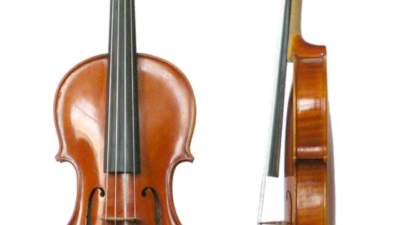
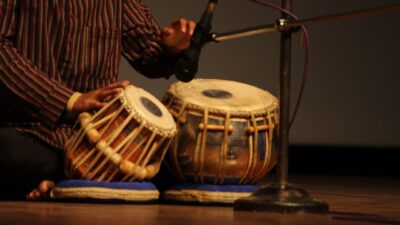
सचिन देव बर्मन की संगीत रचना में 'ठंडी हवाएँ' संयम और सौंदर्य का अद्भुत उदाहरण है। राग पहाड़ी के पंचस्वरीय ढाँचे पर आधारित इस धुन में लोकगीत की सरलता और शास्त्रीय संगीत की गहराई एक साथ झलकती है। दादरा ताल की तीन-तीन मात्राओं की थाप इस गीत को एक झूले जैसी मद्धिम गति देती है, जबकि वायलिन की बाँहें लता की आवाज़ को एक कोमल आलिंगन में थाम लेती हैं। बर्मन-दा त्रिपुरा में पले-बढ़े, अपने पिता से शास्त्रीय संगीत की तालीम ली, और उनकी यह मान्यता थी कि सच्चा फ़िल्मी गीत गाँव की गली में भी उतना ही गुनगुनाया जाए जितना शहर के ड्राइंग रूम में। लता मंगेशकर की आवाज़ 1951 तक अपनी परिपक्वता की ऊँचाई पर थी — कोई अनावश्यक कंपन नहीं, बस निर्मल सुर और स्वर के भीतर भावनाओं की अनकही परछाईं।
अंग्रेज़ी में पढ़ें · Read in English
S.D. Burman's composition for 'Thandi Hawayein' is a masterclass in restraint. Drawing on the pentatonic contours of raag Pahadi — beloved by Burman for its folk simplicity and wide emotional range — he crafted a melody that rises and falls like a gentle breeze itself. The Dadra taal (6 beats, 3+3) gives the song its characteristic rocking lilt, while Sebastian D'Souza's string arrangement adds warmth without drowning Lata's voice. Burman, who had grown up in Tripura and studied under his father Sachin Dev Burman (a composer of classical bent), always insisted that the best film songs should be as singable in a village as in a city drawing room. 'Thandi Hawayein' achieves exactly this: the tune is within the compass of an amateur singer yet holds enough melodic subtlety to reward repeated listening. Lata delivers it with the clear, bright timbre she had perfected by 1951 — no vibrato affectation, just clean, true pitch and an uncanny sense of how to shade a vowel.
काव्य The Poetry
साहिर लुधियानवी ने 'ठंडी हवाएँ' में अपनी सबसे सरल और सुंदर काव्य-भाषा का इस्तेमाल किया। उनके ग़ज़ल-काव्य की जटिल फ़ारसी-उर्दू छवियों की जगह यहाँ एक साफ़-सुथरी हिंदी-उर्दू मिश्रित बोली है जिसे कोई भी सुनने वाला महसूस कर सकता है। मुखड़े में हवाएँ जवान इच्छा का प्रतीक बन जाती हैं — 'ठंडी हवाएँ लहराके आएँ, रुत है जवान'। यह प्रकृति को भावना का दर्पण बनाने की काव्य-परंपरा मीर से ग़ालिब होते हुए फ़ैज़ तक उर्दू शायरी में गहरे पैठी है, किन्तु साहिर ने इसे फ़िल्मी-गीत के साँचे में ढाल दिया — साहित्यिक भी, और एकदम स्वाभाविक भी। 'रुत' जैसा फ़ारसी-उर्दू का यह एकाक्षरी शब्द किसी अंग्रेज़ी अनुवाद में पूरा नहीं उतरता।
अंग्रेज़ी में पढ़ें · Read in English
Sahir Ludhianvi was at his most accessible in 'Thandi Hawayein' — avoiding the complex Urdu imagery of his ghazal-mode and instead writing in a clean, breeze-light Hindi-Urdu that any listener could feel in the body. The mukhda deploys the wind as a symbol of youthful desire: when the breezes arrive swaying, the season is young ('rut hai jawan'). This equation of natural phenomenon with emotional state — the pathetic fallacy — was a staple of Urdu lyric tradition from the Diwan of Mir to the ghazals of Faiz, but Sahir domesticated it into a film song that felt both literary and completely spontaneous. The word 'rut' (season) is a gift of the Persianate poetic lexicon — compact, musical, and untranslatable by a single English word.
कहानी The Story
नौजवान (1951) नवकेतन का निर्माण था — देव आनंद द्वारा स्थापित वह बैनर जो हिंदी सिनेमा में एक नई शैली गढ़ने की कोशिश कर रहा था। सचिन देव बर्मन और साहिर लुधियानवी को उसी वर्ष 'बाज़ी' (गुरु दत्त निर्देशित) और 'नौजवान' दोनों के लिए एक साथ जोड़ा गया था। संगीत इतिहासकार राजीव विजयकर के अनुसार, बर्मन-दा ने यह धुन अपने दादर के मकान में, बरसात के शुरुआती दिनों में तराशी थी — जब बंबई की समुद्री हवाएँ सबसे ताज़ी होती हैं। इस व्यक्तिगत अनुभव की मिठास ने गीत की भावना को और गहरा कर दिया। लता मंगेशकर, जो उस समय अपने सुनहरे दौर की शुरुआत पर थीं, ने यह गीत एक ही सत्र में रिकॉर्ड किया। 78 आरपीएम डिस्क HMV के दम-दम (कलकत्ता) कारखाने में बनाई गई और पूरे देश में वितरित हुई।
अंग्रेज़ी में पढ़ें · Read in English
Naujawan (1951) was produced by Navketan, the banner Dev Anand had co-founded, and represented an early attempt by the emerging star to build an auteur-style film identity around collaborators who shared his sensibility. S.D. Burman and Sahir Ludhianvi were brought together for Baazi (also 1951, directed by Guru Dutt) and Naujawan in the same creative season. According to music historian Rajiv Vijayakar, Burman composed the tune for 'Thandi Hawayein' at the piano in his Dadar flat, reportedly in the early monsoon weeks when Bombay's sea breezes were at their finest — lending an autobiographical sweetness to the imagery. Lata Mangeshkar, then at the peak of her early career dominance, recorded the song in a single extended session. The 78 rpm disc was pressed at HMV's Dum Dum factory in Calcutta and distributed nationwide.
विरासत The Legacy
'ठंडी हवाएँ लहराके आएँ' हिंदी सिनेमा के सबसे मूल बरसाती-रोमानी गीतों में से एक है — एक ऐसा आधार-गीत जिसकी हवा-और-प्रेम की काव्य-छवि दशकों तक दोहराई जाती रही। 1950 के दशक के आरंभ और मध्य में यह रेडियो सीलोन पर सर्वाधिक माँगे जाने वाले गीतों में था और कराची से कोलंबो तक के श्रोताओं तक पहुँचा। आशा भोसले ने स्वीकार किया है कि S.D. बर्मन के इन आरंभिक नवकेतन गीतों ने उनकी अपनी संगीत समझ को आकार दिया। यह गीत बंगाली, तमिल और मराठी फ़िल्म उद्योग में भी रूपांतरित होकर गाया गया। आज भी यह लता की स्मृति-संध्याओं और 'मानसून क्लासिक' संगीत-संकलनों में अनिवार्य रूप से शामिल होता है।
अंग्रेज़ी में पढ़ें · Read in English
'Thandi Hawayein Lehraake Aayein' is among the foundational monsoon songs of Hindi cinema — a template for the breeze-and-romance imagery that would be revisited across decades. It was among the most requested songs on Radio Ceylon in the early-to-mid 1950s, reaching listeners from Karachi to Colombo. Asha Bhosle has cited S.D. Burman's early Navketan songs as formative influences on her own understanding of light melody. The song has been covered in Bengali, Tamil, and Marathi film industries in altered forms. It continues to surface in curated Lata retrospectives and 'monsoon classics' playlists, and remains the most iconic song from the brief but significant Naujawan soundtrack.
वर्गीकरण
Classification- Tempo
- Medium
Genre
अन्य विवरण
More Details- Hindi Film Geet Kosh Vol. 4 (1951), compiled by Harmandir Singh 'Hamraaz'
- Rajiv Vijayakar, 'The Burman Legacy' (Music India magazine archival)
- Wikipedia (English): Naujawan (1951 film)
- Wikipedia (English): S. D. Burman
- Wikipedia (English): Sahir Ludhianvi
- Saregama digital catalogue listing for Naujawan (1951)
References
रोचक तथ्य
Margin Notesएस.डी. बर्मन और साहिर लुधियानवी के बीच 1950 के दशक के मध्य में रचनात्मक मतभेदों के चलते एक चर्चित अनबन हुई थी; नवकेतन के साथ उनके शुरुआती सहयोग — जिसमें यह गीत भी शामिल है — उस रचनात्मक हनीमून काल का प्रतिनिधित्व करते हैं जिसने अलगाव से पहले कई कालजयी धुनें दीं।
अंग्रेज़ी में पढ़ें · Read in English
S.D. Burman and Sahir Ludhianvi had a famous falling-out in the mid-1950s over creative differences; their early Navketan collaborations like this song represent a creative honeymoon that produced several timeless melodies before the break.
इस गीत की 78 आरपीएम डिस्क संग्रहकर्ताओं के बीच बेहद माँग में रही है; एचएमवी के डम डम प्लांट से निकली मूल प्रतियाँ अच्छी हालत में मिलना दुर्लभ है।
अंग्रेज़ी में पढ़ें · Read in English
The 78 rpm disc of this song has been sought by collectors; original pressings from HMV's Dum Dum plant in good condition are rare.
रेडियो सीलोन के बिनाका गीतमाला कार्यक्रम ने, जिसने 1952 से हिंदी फ़िल्मी गीतों की रैंकिंग शुरू की थी, अपने ऐतिहासिक पुनरावलोकन खंडों में अक्सर 1951 के इस गीत के समकालीन गीतों को शामिल किया।
अंग्रेज़ी में पढ़ें · Read in English
Radio Ceylon's Binaca Geetmala programme, which began ranking Hindi film songs from 1952, frequently featured this song's contemporaries from 1951 in its historical look-back segments.
देव आनंद के नवकेतन बैनर ने उसी वर्ष (1951) बाज़ी और नौजवान दोनों फ़िल्में बनाईं, और दोनों का संगीत एस.डी. बर्मन ने ही रचा — जिससे 1951 बैनर के शुरुआती इतिहास का संगीत की दृष्टि से सबसे उत्पादक वर्ष बन गया।
अंग्रेज़ी में पढ़ें · Read in English
Dev Anand's Navketan banner produced both Baazi and Naujawan in the same year (1951), with S.D. Burman composing both soundtracks — making 1951 the banner's most musically productive single year in its early history.
नमूना-पट्टी
The Specimen Table| शीर्षक | ठंडी हवाएँ लहराके आएँ · Thandi Hawayein Lehraake Aayein |
|---|---|
| वर्ष · युग | 1951 — Golden Era |
| गायक | Lata Mangeshkar |
| गीतकार | Sahir Ludhianvi |
| संगीतकार | S.D. Burman |
| स्वरूप | एकल महिला |
| गति | मध्यम |
| अवधि | circa 3:30 |
| भाषा | Urdu · Hindi |
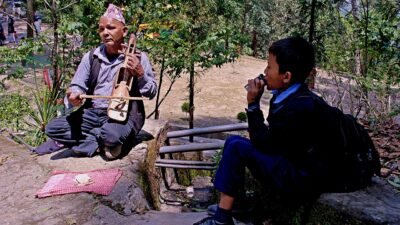
| वाद्य | violin · tabla · harmonium · sarangi |
| भाव | पुरानी यादें · चुलबुला · रोमांटिक |
| लोकप्रियता | Very_popular |
| बोल-स्थिति | केवल झलक |
जुड़े हुए पन्ने
Connected Plates · The Graph Made Visibleअटलस में कोई पन्ना अकेला नहीं — इस गीत से जुड़े गीत, कलाकार, फ़िल्म, राग-ताल-विधा, सब यहाँ से खुलते हैं।
मिलते-जुलते गीत · Related Songs
कलाकार · The Artists
युग · The Era
साझा कीजिए · Share this Plate
यह पन्ना आगे बढ़ाइए
बर्मन-दा के बयार-गीत मौसम के बारे में नहीं हैं — वे जवानी के बारे में हैं।
Burman's breeze songs are not about weather — they are about youth itself.
— Attributed to music critic Rajiv Vijayakar
सवाल-जवाब
Questions & Answers'ठंडी हवाएँ लहराके आएँ' किसने गाया? · Who sang 'Thandi Hawayein Lehraake Aayein'?
लता मंगेशकर ने यह गीत 1951 की नवकेतन फ़िल्म 'नौजवान' में नलिनी जयवन्त के लिए पार्श्वगायन किया। संगीत एस.डी. बर्मन का था और गीत साहिर लुधियानवी ने लिखा था।
Lata Mangeshkar sang it as playback for actress Nalini Jaywant in the 1951 Navketan film Naujawan. Music was composed by S.D. Burman and lyrics were by Sahir Ludhianvi.
'ठंडी हवाएँ' किस राग पर आधारित है? · Which raag is 'Thandi Hawayein' based on?
यह गीत मुख्यतः राग पहाड़ी पर आधारित है — एक पंचस्वरीय लोक-शास्त्रीय राग जिसे बर्मन-दा अपने रोमानी और प्रकृति-विषयक गीतों में प्रायः उपयोग करते थे। इसकी खुली, वायवीय प्रकृति ठंडी हवाओं की छवि के एकदम अनुकूल है।
The song is primarily based on Raag Pahadi — a pentatonic folk-classical raag frequently used by S.D. Burman for romantic and nature-themed songs. Its open, airy quality perfectly suits the breeze imagery.
यह गीत किस फ़िल्म से है? · What film is this song from?
यह गीत 'नौजवान' (1951) से है — देव आनंद के नवकेतन बैनर की फ़िल्म, जिसमें देव आनंद और नलिनी जयवन्त मुख्य भूमिकाओं में थे। उस वर्ष नवकेतन की दो प्रमुख फ़िल्में आईं — यह और गुरु दत्त की 'बाज़ी'।
It is from Naujawan (1951), a Navketan production (Dev Anand's banner) starring Dev Anand and Nalini Jaywant. It was one of two major Navketan films of 1951, the other being Baazi directed by Guru Dutt.
क्या मैं इस गीत को ऑनलाइन क़ानूनी रूप से सुन सकता हूँ? · Can I listen to this song legally online?
हाँ — साउंड रिकॉर्डिंग के अधिकार सारेगामा के पास हैं और यह गीत JioSaavn, गाना और Spotify पर उनकी कैटलॉग में उपलब्ध है, साथ ही YouTube पर सारेगामा के आधिकारिक चैनल पर भी।
Yes — Saregama holds the sound recording rights and the song is available on JioSaavn, Gaana, and Spotify as part of the Saregama catalogue, as well as on YouTube via official Saregama uploads.
क्या एस.डी. बर्मन और साहिर लुधियानवी की जोड़ी मशहूर है? · Is the S.D. Burman–Sahir Ludhianvi partnership famous?
बेहद मशहूर। 1950 के दशक में नवकेतन की फ़िल्मों (बाज़ी, नौजवान, टैक्सी ड्राइवर) के लिए उनकी साझेदारी ने स्वर्णिम युग की सबसे अमर धुनें दीं। बाद में उनमें मनमुटाव हो गया — जो इन आरंभिक गीतों को और भी बहुमूल्य बनाता है।
Extremely. Their early-1950s collaboration for Navketan films (Baazi, Naujawan, Taxi Driver) produced some of the most enduring melodies of the Golden Era. They later had a famous falling-out, making these early songs especially precious.