गीत विंग · गीत-पट्टिका · Song Plate
तेरा खिलौना टूटा बालक मत रो मत रो
Tera Khilona Toota Balak
पंजाब से आए एक बाईस साल के नौजवान ने, बंबई में अभी दो साल भी नहीं हुए थे, एक टूटे खिलौने को सांत्वना देते हुए वह आवाज़ सुनाई जो पचास सालों तक करोड़ों को सुकून देती रही।
भावमीठा-कड़वा · पुरानी यादें · शांत
भाषाHindi · Urdu गतिधीमी स्वरूपएकल पुरुष
श्रेय
The Creditsबोल · The Lyrics
बोल — झलक · Lyrics Preview
जो तूने खोया दूँगा तुझको मत रो मत रो
चल चल चल मेरे साथ तुझे खिलौने लाऊँ
रोने वाले को क्या मिलता है
Jo tune khoya dhunga tujhko mat ro mat ro
Chal chal chal mere saath tujhe khilaune laaun
Rone waale ko kya milta hai
कॉपीराइट के कारण केवल झलक — पूरे बोल आधिकारिक मंचों पर।
शब्दकोश
Word Meaningsसूत्र-वाक्य · The Hook
सूत्र-वाक्य
पंजाब से आए एक बाईस साल के नौजवान ने, बंबई में अभी दो साल भी नहीं हुए थे, एक टूटे खिलौने को सांत्वना देते हुए वह आवाज़ सुनाई जो पचास सालों तक करोड़ों को सुकून देती रही।
In EnglishA twenty-two-year-old from Punjab, barely two years in Bombay, consoles a broken world with a voice that would comfort millions for fifty years.
पट्टिका-लेख
The Monographपरिचय Overview
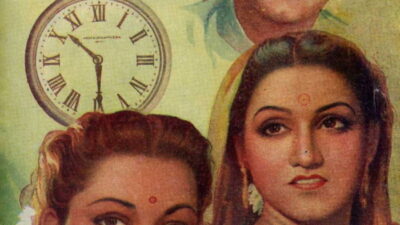
मोहम्मद रफ़ी के शुरुआती प्रमुख फ़िल्मी रिकॉर्डिंग में से एक — 'अनमोल घड़ी' (1946) का 'तेरा खिलौना टूटा बालक' एक रोते हुए बच्चे के प्रति एक सौम्य वयस्क की करुणा का गीत है। नौशाद ने तनवीर नक़वी के कोमल बोलों को एक लोक-शास्त्रीय सुर-संगत में ढाला। रफ़ी उस समय क़रीब बाईस साल के थे — पंजाब से हाल ही में बंबई आए — और यह गीत उस सहानुभूति और ऊष्मा को दर्शाता है जो उनके पाँच दशक के करियर की पहचान बनी। नौशाद ने उसी साल 'शाहजहाँ' में रफ़ी को सहगल के साथ जोड़ा और 'अनमोल घड़ी' में यह एकल दिया — यह युगल समानांतर निवेश था उस आवाज़ में जिसे वे पहचान चुके थे।
अंग्रेज़ी में पढ़ें · Read in English
One of Mohammed Rafi's earliest major film recordings, 'Tera Khilona Toota Balak' from Anmol Ghadi (1946) is a song of gentle adult compassion directed at a weeping child. Composed by Naushad in a soft, folk-classical idiom with Tanvir Naqvi's tender lyrics, the song features Rafi — then approximately 22 years old, newly arrived in Bombay from Punjab — in a role that showcases the empathy and warmth that would define his five-decade career. Naushad championed Rafi from the start, giving him this solo in Anmol Ghadi in the same year he paired him with K.L. Saigal in Shahjehan. The song has a deceptive simplicity: beneath the children's lullaby format is a philosophical wisdom about impermanence.
संगीत The Music
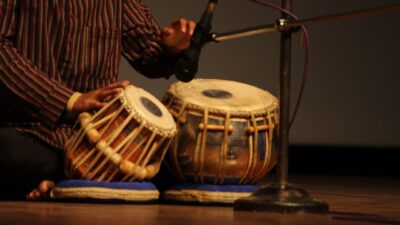
नौशाद ने रफ़ी को इस गीत के लिए एक जानबूझकर कोमल, धीमा माहौल दिया — भैरवी राग में, धीमी केहरवा ताल में, कम से कम वाद्ययंत्रों के साथ ताकि आवाज़ पूरी स्पष्टता में सुनाई दे। 'मत रो' बार-बार आता है — पहले एक आदेश की तरह, फिर एक निमंत्रण की तरह, अंत में एक प्रज्ञा की तरह। रफ़ी इसे उत्तरोत्तर गर्मजोशी के साथ गाते हैं। सारंगी की धुन के नीचे रफ़ी का साफ़, स्पष्ट उच्च स्वर सुनाई देता है। यह नौशाद का अपने युवा शिष्य को एक जानबूझकर दिया गया उपहार था।
अंग्रेज़ी में पढ़ें · Read in English
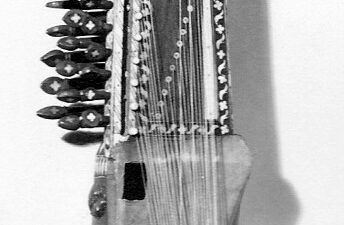
Naushad gave Rafi a deliberately gentle, unhurried setting for this song — the Bhairavi raga in a slow, keherwa rhythm, with minimal orchestration so that the voice could be heard in full clarity. The composition is built around the repeated phrase 'mat ro' (don't cry), which Rafi delivers with graduating warmth — first as a command, then as an invitation, finally as wisdom. The sarangi provides a thread of poignancy beneath Rafi's clean, clear upper register. This was one of Naushad's most deliberate gifts to his young protégé: a solo that demanded only warmth and simplicity, qualities Rafi possessed in abundance.
काव्य The Poetry
तनवीर नक़वी का गीत सरल दिखता है लेकिन एक अप्रत्याशित दार्शनिक गहराई रखता है। 'तेरा खिलौना टूटा बालक' — शाब्दिक रूप से एक बच्चे के दुःख की सांत्वना है। लेकिन टूटा खिलौना जीवन के सभी नुकसानों का भी रूपक है: जो मित्रताएँ समाप्त हों, जो प्रेम टूटें, जो योजनाएँ बिखरें। 'रोने वाले को क्या मिलता है' — अंतिम पंक्ति की प्रज्ञा ठंडी नहीं, कोमल-व्यावहारिक है: एक बुजुर्ग बच्चे को सिखाता है कि आँसुओं से टूटा नहीं जुड़ता, जीवन आगे बढ़ता है और नए उपहार लाता है।
अंग्रेज़ी में पढ़ें · Read in English
Tanvir Naqvi's lyric appears simple but carries unexpected philosophical weight. 'Tera khilona toota balak' — your toy is broken, child — is on one level a literal consolation for a child's grief. But the broken toy is also a metaphor for all of life's losses: the friendships that end, the loves that dissolve, the plans that shatter. 'Rone waale ko kya milta hai' (what does the weeping one ever get?) is the last line's wisdom — not cold, but gently pragmatic, the way an elder teaches a child that tears don't restore what is broken, that life continues and brings new gifts.
कहानी The Story
1946 तक मोहम्मद रफ़ी बंबई में क़रीब दो साल रह चुके थे। वे कोटला सुल्तान सिंह (अमृतसर, पंजाब) से आए थे जहाँ गायक के. एल. सहगल के गुरु श्याम सुंदर ने उन्हें खोजा था। नौशाद ने तुरंत उन्हें अपने पंखों तले लिया। केवल 1946 में नौशाद ने रफ़ी को दो महत्वपूर्ण रिकॉर्डिंग दीं: 'अनमोल घड़ी' में यह एकल और 'शाहजहाँ' में सहगल के साथ ऐतिहासिक युगल। दोनों मिलकर बाईस साल के रफ़ी की आवाज़ का एक छोटा-सा दर्पण हैं।
अंग्रेज़ी में पढ़ें · Read in English
By 1946, Mohammed Rafi had been in Bombay for approximately two years, having arrived from Kotla Sultan Singh near Amritsar, Punjab, where he had been discovered by the singer K.L. Saigal's mentor Shyam Sundar. Naushad took him under his wing almost immediately. In 1946 alone, Naushad gave Rafi two significant recordings: this solo in Anmol Ghadi and the historic duet with Saigal in Shahjehan. Together these two recordings form a snapshot of Rafi at the start of his journey — the compassionate consolation of 'Tera Khilona Toota' and the awe-inspiring partnership with Saigal showing the range already available in a 22-year-old voice.
विरासत The Legacy
'तेरा खिलौना टूटा बालक' मोहम्मद रफ़ी के प्रारंभिक करियर के लगभग हर पूर्वदर्शन में उस सहानुभूति और ऊष्मा के प्रमाण के रूप में उद्धृत होता है जो उनकी आवाज़ में एकदम शुरू से थी। यह नौशाद की प्रतिभा-परख का भी एक ऐतिहासिक प्रमाण है: उन्होंने उसी साल युवा रफ़ी को एक एकल और सहगल के साथ एक युगल दिया — मानो बंबई फ़िल्म जगत को घोषणा कर रहे हों कि एक नई महत्वपूर्ण आवाज़ आ गई है। सरेगामा के ऐतिहासिक रफ़ी संकलनों में यह गीत शामिल है।
अंग्रेज़ी में पढ़ें · Read in English
'Tera Khilona Toota Balak' is cited in nearly every retrospective of Mohammed Rafi's early career as evidence of the warmth and empathy that was present in his voice from the very beginning. It is also a historically significant marker of Naushad's talent-spotting: he gave the young Rafi both a solo and a duet with Saigal in the same year, effectively announcing to the Bombay film world that a new voice of significance had arrived. The song is included in Saregama's historical Rafi compilations.
वर्गीकरण
Classification- Tempo
- Slow
Genre
अन्य विवरण
More Details- Hindigeetmala.net — Anmol Ghadi (1946) song list
- Wikipedia — Anmol Ghadi (1946 film)
- Wikipedia — Mohammed Rafi
- Wikipedia — Naushad
- Wikipedia — Tanvir Naqvi
References
रोचक तथ्य
Margin Notesमोहम्मद रफ़ी लगभग 1944-45 के आसपास पंजाब से बंबई आए, और गायक के.एल. सहगल के गुरु श्याम सुंदर ने उन्हें खोजा था।
अंग्रेज़ी में पढ़ें · Read in English
Mohammed Rafi came to Bombay from Punjab around 1944-45, discovered by the singer K.L. Saigal's mentor Shyam Sundar.
केवल 1946 में ही, नौशाद ने रफ़ी को दो महत्वपूर्ण रिकॉर्डिंग दीं: यह एकल गीत (अनमोल घड़ी) और सहगल के साथ एक युगलगीत (शाहजहाँ) — एक नवोदित गायक के लिए एक असाधारण अवसर।
अंग्रेज़ी में पढ़ें · Read in English
In 1946 alone, Naushad gave Rafi two important recordings: this solo (Anmol Ghadi) and a duet with Saigal (Shahjehan) — an extraordinary gift to a newcomer.
इस गीत में टूटा हुआ खिलौना 1950 के दशक के हिंदी फिल्मी गीतों में टूटी हुई मासूमियत या खोए हुए प्रेम के रूपक के रूप में बार-बार आने वाला बिंब बन गया।
अंग्रेज़ी में पढ़ें · Read in English
The broken toy ('khilona') in this song became a recurring image in Hindi film songs of the 1950s as a metaphor for shattered innocence or lost love.
'तेरा खिलौना टूटा' अनमोल घड़ी के उन गिने-चुने गीतों में से एक है जो तीनों मुख्य कलाकारों (नूरजहाँ, सुरेंद्र, सुरैया) द्वारा नहीं गाया गया — इसकी गुणवत्ता स्टार कलाकारों से स्वतंत्र होकर खड़ी होती है।
अंग्रेज़ी में पढ़ें · Read in English
'Tera Khilona Toota' is one of the few Anmol Ghadi songs not sung by the three leads (Noor Jehan, Surendra, Suraiya) — its quality stands independent of the star cast.
नौशाद अपने युवा गायकों में आत्मविश्वास भरने के लिए जाने जाते थे, जो उन्हें कठिन भूमिकाएँ सौंपने से पहले उनकी स्वाभाविक क्षमताओं को उजागर करने वाले एकल गीत देते थे।
अंग्रेज़ी में पढ़ें · Read in English
Naushad was known for building his young singers' confidence by giving them solos that showcased their natural strengths before assigning demanding roles.
नमूना-पट्टी
The Specimen Table| शीर्षक | तेरा खिलौना टूटा बालक मत रो मत रो · Tera Khilona Toota Balak |
|---|---|
| फ़िल्म | अनमोल घड़ी · 1946 |
| वर्ष · युग | 1946 — Pre-Independence |
| गायक | Mohammed Rafi |
| गीतकार | Tanveer Naqvi |
| संगीतकार | Naushad |
| स्वरूप | एकल पुरुष |
| गति | धीमी |
| अवधि | c. 3:30 |
| भाषा | Hindi · Urdu |
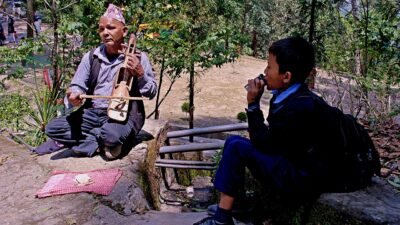
| वाद्य | tabla · harmonium · sarangi |
| भाव | मीठा-कड़वा · पुरानी यादें · शांत |
| लोकप्रियता | Known |
| बोल-स्थिति | केवल झलक |
जुड़े हुए पन्ने
Connected Plates · The Graph Made Visibleअटलस में कोई पन्ना अकेला नहीं — इस गीत से जुड़े गीत, कलाकार, फ़िल्म, राग-ताल-विधा, सब यहाँ से खुलते हैं।
मिलते-जुलते गीत · Related Songs
कलाकार · The Artists
फ़िल्म · The Film
साझा कीजिए · Share this Plate
यह पन्ना आगे बढ़ाइए
1946 में रफ़ी एक बच्चे को सांत्वना दे रहे थे। 1976 तक वे एक देश को सांत्वना दे रहे थे। यह ऊष्मा शुरू से थी।
In 1946, Rafi was consoling a child. By 1976, he was consoling a nation. The warmth was there from the beginning.
— Music journalist (paraphrased)
सवाल-जवाब
Questions & Answersक्या यह मोहम्मद रफ़ी की शुरुआती रिकॉर्डिंग में से एक है? · Is this one of Mohammed Rafi's earliest recordings?
हाँ। 1946 तक रफ़ी बंबई में केवल लगभग दो साल से थे। 'अनमोल घड़ी' का यह एकल और 'शाहजहाँ' में सहगल के साथ युगल (उसी साल, उसी संगीतकार नौशाद) उनकी ऐतिहासिक दृष्टि से सबसे महत्वपूर्ण शुरुआती फ़िल्मी रिकॉर्डिंग में से हैं।
Yes. By 1946, Rafi had been in Bombay for only about two years. This Anmol Ghadi solo and the Shahjehan duet with Saigal (same year, same music director Naushad) are among his most historically significant early film recordings.
यह गीत किस बारे में है? · What is the song about?
एक वयस्क एक ऐसे बच्चे को सांत्वना दे रहा है जिसका खिलौना टूट गया है। लेकिन टूटा खिलौना जीवन के किसी भी नुकसान का रूपक भी है। अंतिम पंक्ति — 'रोने वाले को क्या मिलता है?' — कोमल व्यावहारिक ज्ञान देती है: आँसुओं से टूटा नहीं जुड़ता, जीवन आगे बढ़ता है।
An adult consoling a child whose toy has broken. But the broken toy is also a metaphor for any of life's losses. The final line — 'what does the weeping one ever get?' — offers gentle practical wisdom: crying doesn't restore what is broken; life moves on.