गीत विंग · गीत-पट्टिका · Song Plate
शोला जो भड़के
Shola Jo Bhadke
1951 में एक बार जो लपट उठी, वह आज तक बुझी नहीं — सी. रामचंद्र की लैटिन लय और लता की आवाज़ का यह मिलाप।
भावआनंदित · चुलबुला · रोमांटिक
भाषाHindi · Urdu गतितेज़ स्वरूपएकल महिला
श्रेय
The Creditsबोल · The Lyrics
बोल — झलक · Lyrics Preview
हाँ, हाँ, ये क्या हुआ
Haan, haan, ye kya hua
कॉपीराइट के कारण केवल झलक — पूरे बोल आधिकारिक मंचों पर।
शब्दकोश
Word Meaningsसूत्र-वाक्य · The Hook
सूत्र-वाक्य
1951 में एक बार जो लपट उठी, वह आज तक बुझी नहीं — सी. रामचंद्र की लैटिन लय और लता की आवाज़ का यह मिलाप।
In EnglishA flame that blazed once in 1951 and has never stopped burning — C. Ramchandra's Latin rhythm meeting Lata's voice.
पट्टिका-लेख
The Monographपरिचय Overview
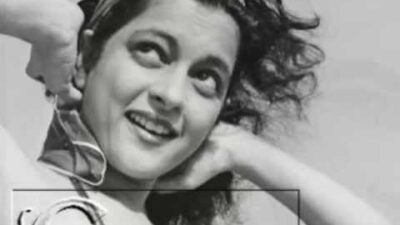
'अलबेला' (1951) का 'शोला जो भड़के' हिंदी फ़िल्म संगीत के शुरुआती दौर की सबसे ऊर्जावान और आनंददायक रचनाओं में से एक है। सी. रामचंद्र (जो 'चितलकर' के नाम से भी जाने जाते थे) का यह संगीत अपने दौर में एक क्रांति था: लैटिन लय, पश्चिमी जैज़ और भारतीय धुन का ऐसा मेल जो हिंदी सिनेमा में पहले नहीं हुआ था। राजेंद्र कृष्ण के जीवंत शब्द और लता मंगेशकर की चमकती आवाज़ ने गीता बाली के शोख नृत्य को एक यादगार क्षण बनाया। एचएमवी पर जारी यह गीत 1951 का सबसे बड़ा हिट बना।
अंग्रेज़ी में पढ़ें · Read in English
"Shola Jo Bhadke" from Albela (1951) is one of the most energetic and joyful numbers in early Hindi film history, composed by C. Ramchandra (who also performed as 'Chitalkar'), with Rajendra Krishan's vivid lyrics and Lata Mangeshkar's sparkling voice for the electrifying Geeta Bali. Albela was a musical-comedy directed by and starring the acrobatic Bhagwan Dada, with Geeta Bali as the female lead, and C. Ramchandra's soundtrack was a revelation: he blended Latin rhythms, Western jazz, and Indian melody in ways nobody had attempted before in Hindi cinema. Released on HMV, "Shola Jo Bhadke" was the soundtrack's showstopper — its fast tempo, trumpet-and-accordion arrangement, and Lata's dazzling delivery made it the hit of 1951. Albela's music introduced a new energy to Hindi film music.
संगीत The Music
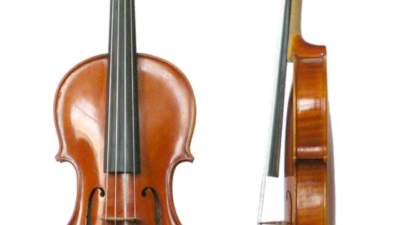
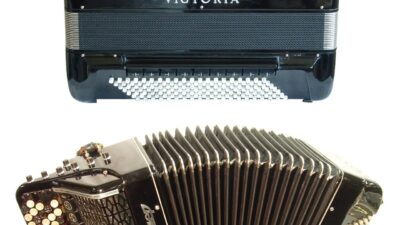
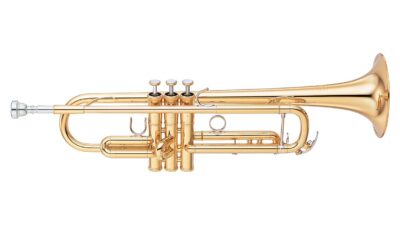
सी. रामचंद्र का 'अलबेला' के लिए संगीत 1951 के हिंदी सिनेमा में बिल्कुल अलग था। 'शोला जो भड़के' का आरंभ एक तुरही के घोष से होता है जो तुरंत बता देता है कि यह कोई साधारण फ़िल्मी गीत नहीं। मुख्य लय में स्पष्ट लैटिन अनुभव है (कुछ संगीतविद् चा-चा या मांबो प्रभाव देखते हैं), जबकि वायलिन और अकॉर्डियन धुन की रीढ़ बनाते हैं। लता मंगेशकर ने असाधारण ऊर्जा के साथ गाया — सी. रामचंद्र ने उनसे ऐसा गवाया जैसा किसी और संगीतकार ने नहीं गवाया था। रिकॉर्डिंग में सी. रामचंद्र ने स्वयं वायलिन बजाया।
अंग्रेज़ी में पढ़ें · Read in English
C. Ramchandra's musical vocabulary for Albela was unlike anything in 1951 Hindi cinema. His arrangement of "Shola Jo Bhadke" opens with a trumpet fanfare that signals immediately that this is a different kind of film music — faster, brighter, more international. The main rhythm has a distinctly Latin feel (some musicologists have noted a cha-cha or mambo influence), while the violin and accordion provide melodic support. Lata Mangeshkar delivers the melody with unusual exuberance: she was working with C. Ramchandra during the most inventive phase of his career, and he pushed her to sing at a higher energy level than most directors required. The result is one of the most jubilant performances in her catalogue. C. Ramchandra himself played violin in the orchestra — his personal instrumental contribution to the recording.
काव्य The Poetry
राजेंद्र कृष्ण की कलम ने 'शोला' को अचानक उठने वाले अनियंत्रित जुनून के प्रतीक के रूप में इस्तेमाल किया है। 'शोला भड़के — दिल धड़के' की तुकबंदी ध्वनि की दृष्टि से भी संतुष्टिदायक है और भावनात्मक दृष्टि से भी सटीक। राजेंद्र कृष्ण उर्दू-भारी भाषा की जगह यहाँ शुद्ध सहज हिंदी में काम करते हैं, जिससे गीत तुरंत सभी तबकों को अपील करता है। मुखड़े की पुनरावृत्ति जानबूझकर कानों में बस जाने वाली है।
अंग्रेज़ी में पढ़ें · Read in English
Rajendra Krishan's lyric is built on the central metaphor of 'shola' (flame) as a symbol of sudden, uncontrollable passion. The pairing of 'shola bhadke' (flame flares) with 'dil dhadke' (heart throbs) is a perfect rhyming couplet that is simultaneously sonically satisfying and emotionally apt. Rajendra Krishan was a master of the lighter vein of lyric writing — here he works in pure, exuberant Hindi rather than Urdu-heavy diction, making the song immediately accessible to all social classes. The repetition in the mukhra is deliberately catchy, ensuring the song lodges in the listener's memory after a single hearing.
कहानी The Story
अलबेला (1951) हिंदी सिनेमा की एक ऐसी कहानी है जो खुद एक फ़िल्म की तरह रोमांचक है। भगवान दादा — जो मुंबई फ़िल्म जगत में 'बी-ग्रेड' मनोरंजनकर्ता माने जाते थे — ने अपनी संपत्ति गिरवी रखकर यह फ़िल्म बनाई। सी. रामचंद्र को, जिन्होंने 1949 की 'पतंगा' से अपनी पश्चिमी-प्रभावित ऊर्जावान शैली की छाप छोड़ी थी, पूरी रचनात्मक स्वतंत्रता के साथ संगीत दिया गया। गीता बाली को स्त्री-प्रमुख भूमिका मिली। फ़िल्म अपने संगीत और गीता बाली के नृत्य के दम पर 1951 की सबसे बड़ी हिट बनी। सी. रामचंद्र की लता मंगेशकर से मित्रता उन दिनों चरम पर थी, और उन्होंने लता से उनके सबसे जोशीले गाने रिकॉर्ड कराए।
अंग्रेज़ी में पढ़ें · Read in English
Albela (1951) is one of Hindi cinema's great underdog stories. The film was produced and starred Bhagwan Dada, an acrobat-turned-actor who was considered a 'B-grade' entertainer by the Bombay film establishment. Bhagwan Dada mortgaged his personal assets to finance the film. C. Ramchandra, who had already shown his gift for energetic Western-influenced orchestration in films like Patanga (1949), was hired as music director and given creative freedom. Geeta Bali was cast as the female lead. The film became one of the biggest hits of 1951, entirely on the strength of its music and Geeta Bali's dancing — a case of popular taste overriding critical establishment. C. Ramchandra's friendship with Lata Mangeshkar was at its height during this period, and he produced some of her most exuberant recordings.
विरासत The Legacy
अलबेला का संगीत — और 'शोला जो भड़के' विशेष रूप से — हिंदी फ़िल्म संगीत के इतिहास में एक अनोखा स्थान रखता है: लैटिन लय को हिंदी फ़िल्म गीत-संरचना के साथ सफलतापूर्वक मिलाने का एक प्रारंभिक उदाहरण। सी. रामचंद्र के साहसिक प्रयोगों ने बाद के उन संगीतकारों को प्रभावित किया जो पश्चिमी नृत्य-संगीत को हिंदी फ़िल्म में लाना चाहते थे। आज भी यह गीत संगीत समारोहों और नृत्य प्रस्तुतियों में पसंद किया जाता है।
अंग्रेज़ी में पढ़ें · Read in English
Albela's soundtrack, and "Shola Jo Bhadke" in particular, occupies a unique place in Hindi film music history as an early example of the successful fusion of Latin rhythms with Hindi film song structures. C. Ramchandra's bold experimentation influenced subsequent composers who sought to bring Western dance music into the Hindi film context. The song is a favourite at sangeet ceremonies and dance performances even today, and Geeta Bali's dancing in the original sequence remains a benchmark of on-screen energy.
वर्गीकरण
Classification- Tempo
- Fast
Genre
अन्य विवरण
More Details- Wikipedia: Albela (1951 film)
- Wikipedia: C. Ramchandra
- Wikipedia: Geeta Bali
- Hindi Film Geet Kosh Vol. 3 by Harmandir Singh Hamraaz
- Saregama official catalog
References
रोचक तथ्य
Margin Notesभगवान दादा, जिन्होंने अलबेला को स्वयं वित्तपोषित किया था, फ़िल्म की अप्रत्याशित ब्लॉकबस्टर सफलता से पहले तक एक कम-बजट मनोरंजक फ़िल्मकार माने जाते थे, लेकिन इस सफलता ने उन्हें एक बड़ा सितारा बना दिया।
अंग्रेज़ी में पढ़ें · Read in English
Bhagwan Dada, who financed Albela personally, had been considered a low-budget entertainer before the film's unexpected blockbuster success made him a major star.
सी. रामचंद्र स्वयं कई वाद्ययंत्र बजाने की अपनी क्षमता के लिए जाने जाते थे — वायलिन, पियानो और अकॉर्डियन — और फ़िल्म के अधिकांश गीतों के वाद्य-संयोजन में उन्होंने सीधे योगदान दिया।
अंग्रेज़ी में पढ़ें · Read in English
C. Ramchandra was known for his ability to play multiple instruments himself — violin, piano, and accordion — and contributed directly to the orchestration of most songs in the film.
'शोला जो भड़के' की लैटिन-प्रभावित लय, कहा जाता है, सी. रामचंद्र के उन लैटिन अमेरिकी संगीत रिकॉर्ड्स से परिचय से प्रेरित थी, जो बंबई के महानगरीय संगीत हलकों में प्रचलित थे।
अंग्रेज़ी में पढ़ें · Read in English
The Latin-influenced rhythm in "Shola Jo Bhadke" was reportedly inspired by C. Ramchandra's exposure to Latin American music records that were circulating in Bombay's cosmopolitan music circles.
गीता बाली की इस गीत की प्रस्तुति को हिंदी सिनेमा में 1950 के दशक के आरंभ की सबसे उत्कृष्ट स्क्रीन नृत्य प्रस्तुतियों में से एक माना जाता है।
अंग्रेज़ी में पढ़ें · Read in English
Geeta Bali's performance of this song is considered one of the finest screen dance performances of the early 1950s in Hindi cinema.
नमूना-पट्टी
The Specimen Table| शीर्षक | शोला जो भड़के · Shola Jo Bhadke |
|---|---|
| वर्ष · युग | 1951 — Golden Era |
| गायक | Lata Mangeshkar |
| गीतकार | Rajendra Krishan |
| संगीतकार | C. Ramchandra |
| स्वरूप | एकल महिला |
| गति | तेज़ |
| अवधि | 3:15 |
| भाषा | Hindi · Urdu |
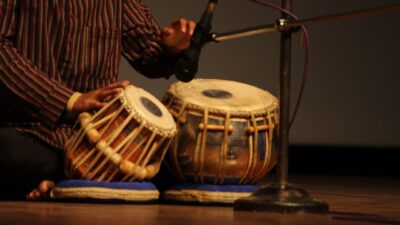
| वाद्य | violin · tabla · accordion · trumpet · clarinet |
| भाव | आनंदित · चुलबुला · रोमांटिक |
| लोकप्रियता | Legendary |
| बोल-स्थिति | केवल झलक |
जुड़े हुए पन्ने
Connected Plates · The Graph Made Visibleअटलस में कोई पन्ना अकेला नहीं — इस गीत से जुड़े गीत, कलाकार, फ़िल्म, राग-ताल-विधा, सब यहाँ से खुलते हैं।
मिलते-जुलते गीत · Related Songs
कलाकार · The Artists
युग · The Era
साझा कीजिए · Share this Plate
यह पन्ना आगे बढ़ाइए
अलबेला ने साबित किया कि आनंद भी — त्रासदी की तरह — एक क्रांति हो सकती है।
Albela proved that joy, not tragedy, could also be a revolution.
— Film historian on Albela's place in 1951 cinema
सवाल-जवाब
Questions & Answersशोला जो भड़के किसने बनाया? · Who composed Shola Jo Bhadke?
इस गीत का संगीत सी. रामचंद्र (चितलकर) ने दिया, गीत राजेंद्र कृष्ण के हैं, और 1951 की फ़िल्म अलबेला के लिए लता मंगेशकर ने गाया।
The song was composed by C. Ramchandra (Chitalkar), with lyrics by Rajendra Krishan and sung by Lata Mangeshkar for the 1951 film Albela.
अलबेला (1951) एक अप्रत्याशित हिट क्यों थी? · Why was Albela (1951) a surprise hit?
अलबेला भगवान दादा ने बनाई थी जिन्हें तब 'बी-ग्रेड' मनोरंजनकर्ता माना जाता था। फ़िल्म जगत को फ्लॉप की उम्मीद थी, लेकिन सी. रामचंद्र का पश्चिमी-प्रभावित संगीत और गीता बाली का नृत्य इसे 1951 की सबसे बड़ी व्यावसायिक हिट बनाने में कामयाब रहे।
Albela was produced by and starring Bhagwan Dada, considered a 'B-grade' entertainer at the time. The establishment expected it to fail, but C. Ramchandra's energetic, Western-influenced soundtrack and Geeta Bali's dancing made it one of 1951's biggest commercial hits.