गीत विंग · गीत-पट्टिका · Song Plate
कारे बदरा तू न जा
Kaare Badaraa Tu Na Jaa
बादलों से ऐसे बात करें जैसे वे महबूब हों — और लता की आवाज़ में हर बात सच लगे।
भावमीठा-कड़वा · उदास · पुरानी यादें · रोमांटिक
भाषाHindi · Braj गतिधीमी स्वरूपएकल महिला
श्रेय
The Creditsबोल · The Lyrics
बोल — झलक · Lyrics Preview
मेरे मन का मेह तू है
Mere man ka meh tu hai
कॉपीराइट के कारण केवल झलक — पूरे बोल आधिकारिक मंचों पर।
शब्दकोश
Word Meaningsसूत्र-वाक्य · The Hook
सूत्र-वाक्य
बादलों से ऐसे बात करें जैसे वे महबूब हों — और लता की आवाज़ में हर बात सच लगे।
In EnglishA song that speaks to rain clouds as if they were the beloved — and Lata makes you believe every word.
पट्टिका-लेख
The Monographपरिचय Overview
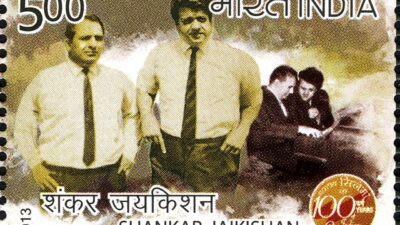
रमेश सैगल निर्देशित 'शिकस्त' (१९५३) — दिलीप कुमार और नलिनी जयवंत अभिनीत — से है यह गीत जो राग देस की मेघ-काव्य परंपरा में बादल से बात करने वाला एक मानसूनी लोक-गीत है। शंकर-जयकिशन का संगीत, शैलेंद्र के बोल, लता मंगेशकर की आवाज़। बिनाका गीतमाला १९५३ में दसवाँ स्थान। यह गीत कालिदास के 'मेघदूत' से लेकर ग्रामीण भारत के मेघ-गीतों तक की उस प्राचीन भारतीय परंपरा से जुड़ता है जिसमें बादलों को अनुपस्थित प्रेमी का दूत माना जाता था।
अंग्रेज़ी में पढ़ें · Read in English
From Ramesh Saigal's 1953 film Shikast, starring Dilip Kumar and Nalini Jaywant, 'Kaare Badaraa Tu Na Jaa' is a monsoon folk-song in the Raag Des tradition of cloud-invocation poetry (megh-kavya). Composed by Shankar-Jaikishan with lyrics by Shailendra, sung by Lata Mangeshkar as playback for Nalini Jaywant, it ranked tenth on Binaca Geetmala 1953. The song draws on the ancient Indian tradition of addressing rain clouds as messengers of absent lovers — found in Sanskrit literature, the poems of Kalidasa's Meghaduta, and the folk-songs of rural India.
संगीत The Music
शंकर-जयकिशन ने इस गीत के लिए राग देस का चुनाव संगीत-दृष्टि से बिल्कुल सटीक है: देस हिंदुस्तानी परंपरा में मानसून का राग है — वर्षा, तड़प और उत्तर भारतीय लोकगीतों का। धुन में देस की विशेषता — ऊँचे सप्तक में एक कोमल हिलोर — साफ़ दिखती है। बाँसुरी यहाँ बारिश की आवाज़ है; सारंगी तड़प का बोझ उठाती है।
अंग्रेज़ी में पढ़ें · Read in English
Shankar-Jaikishan's choice of Raag Des for this composition is musically precise: Des is the monsoon raga par excellence in the Hindustani tradition, associated with rain, longing and the folk-songs of rural northern India. The melody has the characteristic Des sway — a particular gentle oscillation in the higher octave — while retaining accessibility for a film audience. The flute here evokes the sound of rain; the sarangi carries the emotional weight of longing. Lata's voice in this range — folksy but refined — is entirely at home.
काव्य The Poetry
शैलेंद्र का बोल मेघ-काव्य परंपरा में है — बादल को सीधे संबोधित, उसे परदेस न जाने की विनती। 'कारे बदरा' स्नेह का पुकार है — बादल एक साथ प्रेमी भी है और दूत भी। 'बिदेस न जा' एक क्लासिक विरह-मुहावरा है। शैलेंद्र ने प्राचीन संस्कृत परंपरा को सरल, सुलभ लोक-हिंदी में ढाला।
अंग्रेज़ी में पढ़ें · Read in English
Shailendra's lyric belongs to the megh-kavya (cloud-poem) tradition — addressing the monsoon cloud directly, pleading it not to leave for foreign lands. 'Kaare badra' (dark cloud) is a term of affection — the cloud becomes both a lover and a messenger. 'Bides na ja' (don't go to foreign lands) is a classic virah (separation) idiom. Shailendra roots this ancient Sanskrit tradition in simple, accessible folk Hindi.
कहानी The Story
'शिकस्त' (१९५३) रमेश सैगल निर्देशित और १९५३ की बंगाली फ़िल्म 'पल्ली समाज' की रीमेक थी। दिलीप कुमार ने डॉ. राम सिंह की भूमिका निभाई जो सात साल बाद गाँव लौटता है। शंकर-जयकिशन का यह उसी साल का तीसरा प्रमुख साउंडट्रैक था ('आह' और 'पतिता' के बाद) — उनकी बहुमुखी प्रतिभा का प्रमाण।
अंग्रेज़ी में पढ़ें · Read in English
Shikast (1953) was directed by Ramesh Saigal and was a remake of the 1953 Bengali film Palli Samaj. Dilip Kumar played Dr. Ram Singh, who returns to his village after seven years away to find the peasants being exploited. Shankar-Jaikishan's score for this film — their third major soundtrack of 1953 alongside Aah and Patita — demonstrated their ability to work in multiple modes: urban duets, classical-light solos, and folk-inflected monsoon songs.
विरासत The Legacy
यह गीत शंकर-जयकिशन की मानसून-गीत परंपरा का एक सुंदर प्रारंभिक उदाहरण है। शैलेंद्र की प्रकृति-लोक शैली का भी यह एक महत्वपूर्ण प्रारंभिक नमूना है।
अंग्रेज़ी में पढ़ें · Read in English
This song is among the finest examples of the Shankar-Jaikishan monsoon-song tradition, predating more famous rain songs they would later create. It also represents an important early Shailendra lyric in the folk-nature vein — a mode he would perfect with songs like 'O Re Maajhi' and others in later years.
वर्गीकरण
Classification- Tempo
- Slow
Genre
अन्य विवरण
More Details- Wikipedia: Shikast — https://en.wikipedia.org/wiki/Shikast
- HindiGeetmala.net: Binaca Geetmala 1953 — https://www.hindigeetmala.net/geetmala/binaca_geetmala_1953.php
- HindiGeetmala.net: Kaare Badaraa — https://www.hindigeetmala.net/song/kaare_badaraa_tu_na_jaa_i.htm
References
रोचक तथ्य
Margin Notesशिकस्त (1953) बांग्ला फ़िल्म पल्ली समाज (1953) का पुनर्निर्माण थी, जो उस दौर के बांग्ला-हिंदी रचनात्मक आदान-प्रदान को दर्शाती है।
अंग्रेज़ी में पढ़ें · Read in English
Shikast (1953) was a remake of the Bengali film Palli Samaj (1953), showing the Bengali-Hindi creative cross-pollination of the era.
शंकर-जयकिशन ने 1953 में कम से कम 4 प्रमुख हिंदी फ़िल्मों का संगीत रचा, जिनमें से कई गीत बिनाका गीतमाला की शीर्ष 10 सूची में शामिल हुए।
अंग्रेज़ी में पढ़ें · Read in English
Shankar-Jaikishan composed music for at least four major Hindi films in 1953, placing multiple songs in the Binaca Geetmala top 10.
भारतीय काव्य में मेघ-आह्वान की परंपरा कालिदास के मेघदूत (5वीं शताब्दी ईस्वी) से चली आ रही है, जिससे यह गीत प्राचीन जड़ों वाला बन जाता है।
अंग्रेज़ी में पढ़ें · Read in English
The cloud-invocation tradition in Indian poetry dates to Kalidasa's Meghaduta (5th century CE), making this a song with ancient roots.
जिस अभिनेत्री नलिनी जयवंत के लिए लता ने यह गीत गाया, वे 1950 के दशक की हिंदी सिनेमा की अग्रणी अभिनेत्रियों में से एक थीं।
अंग्रेज़ी में पढ़ें · Read in English
Nalini Jaywant, for whom Lata sang this song, was one of the leading actresses of 1950s Hindi cinema.
पुरस्कार
The Honoursनमूना-पट्टी
The Specimen Table| शीर्षक | कारे बदरा तू न जा · Kaare Badaraa Tu Na Jaa |
|---|---|
| वर्ष · युग | 1953 — Golden Era |
| गायक | Lata Mangeshkar |
| गीतकार | Shailendra |
| संगीतकार | Shankar-Jaikishan |
| स्वरूप | एकल महिला |
| गति | धीमी |
| अवधि | 3:25 |
| भाषा | Hindi · Braj |
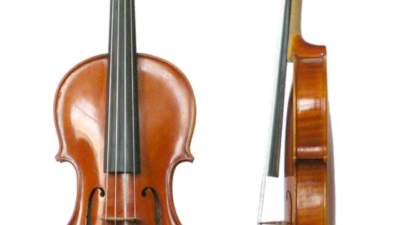
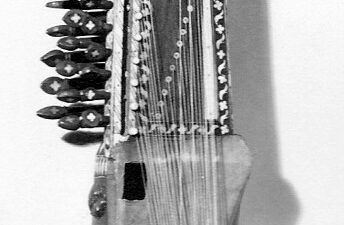
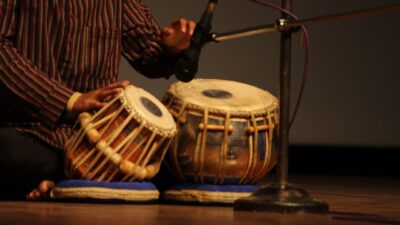
| वाद्य | violin · instrument-flute · sarangi · tabla |
| भाव | मीठा-कड़वा · उदास · पुरानी यादें · रोमांटिक |
| लोकप्रियता | Popular |
| बोल-स्थिति | केवल झलक |
जुड़े हुए पन्ने
Connected Plates · The Graph Made Visibleअटलस में कोई पन्ना अकेला नहीं — इस गीत से जुड़े गीत, कलाकार, फ़िल्म, राग-ताल-विधा, सब यहाँ से खुलते हैं।
मिलते-जुलते गीत · Related Songs
कलाकार · The Artists
युग · The Era
साझा कीजिए · Share this Plate
यह पन्ना आगे बढ़ाइए
कारे बदरा तू न जा, न जा बैरी तू बिदेस न जा — मेरे मन का मेह तू है।
O dark cloud, do not leave for foreign lands — you are the rain my heart needs.
— Shailendra, Shikast (1953)
सवाल-जवाब
Questions & Answers'कारे बदरा तू न जा' किसने गाया? · Who sang Kaare Badaraa Tu Na Jaa?
लता मंगेशकर ने 'शिकस्त' (१९५३) में नलिनी जयवंत के लिए यह गाना गाया — रमेश सैगल निर्देशित, दिलीप कुमार अभिनीत।
Lata Mangeshkar sang this song as playback for Nalini Jaywant in Shikast (1953), directed by Ramesh Saigal and starring Dilip Kumar.
बादलों से बात करने की परंपरा क्या है? · What is the tradition behind addressing clouds in this song?
बादलों को अनुपस्थित प्रेमी के दूत के रूप में संबोधित करने की परंपरा कालिदास के पाँचवीं शताब्दी के संस्कृत काव्य 'मेघदूत' तक जाती है। शैलेंद्र ने इस प्राचीन साहित्यिक परंपरा को सुलभ लोक-हिंदी में ढाला।
The tradition of addressing monsoon clouds as messengers of the absent beloved dates to Kalidasa's 5th-century Sanskrit poem Meghaduta. Shailendra connects this ancient literary tradition to accessible folk Hindi in this song.