गीत विंग · गीत-पट्टिका · Song Plate
जाने वो कैसे लोग थे
Jaane Woh Kaise Log The
हिंदी फ़िल्म संगीत का सबसे उदास सवाल — जाने वो कैसे लोग थे जिनके प्यार को प्यार मिला?
भावमीठा-कड़वा · अविस्मरणीय · उदास · पुरानी यादें
भाषाUrdu · Hindi गतिधीमी स्वरूपएकल पुरुष
श्रेय
The Creditsबोल · The Lyrics
बोल — झलक · Lyrics Preview
प्यार को प्यार मिला
Pyaar ko pyaar mila
कॉपीराइट के कारण केवल झलक — पूरे बोल आधिकारिक मंचों पर।
शब्दकोश
Word Meaningsसूत्र-वाक्य · The Hook
सूत्र-वाक्य
हिंदी फ़िल्म संगीत का सबसे उदास सवाल — जाने वो कैसे लोग थे जिनके प्यार को प्यार मिला?
In EnglishThe saddest question in all of Hindi film music — who were those lucky few whose love was actually returned?
पट्टिका-लेख
The Monographपरिचय Overview
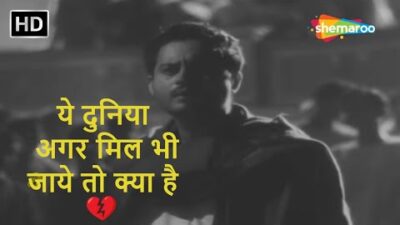
'प्यासा' (1957) का यह गीत हेमंत कुमार की मखमली आवाज़ में हिंदी फ़िल्म संगीत की सबसे कोमल और करुण रचनाओं में से एक है। साहिर लुधियानवी ने उन लोगों के लिए एक सौम्य ईर्ष्या की अभिव्यक्ति की है जिनके प्यार को प्यार मिला — जबकि स्वयं कवि-नायक का रास्ता हमेशा बेनूर रहा। एस.डी. बर्मन का संगीत इस दर्द को झेलने की शक्ति देता है — न रोने देता है, न संभलने देता है। HMV इंडिया पर जारी यह गीत हेमंत कुमार की पहचान बन गया।
अंग्रेज़ी में पढ़ें · Read in English
From Guru Dutt's Pyaasa (1957), 'Jaane Woh Kaise Log The' is one of the most achingly beautiful songs of the Golden Era, rendered by the velvety baritone of Hemant Kumar over S.D. Burman's lilting composition. Sahir Ludhianvi's verses wonder, with gentle envy, at those rare fortunate people whose love was returned — while the poet-narrator has only ever known the bitter road of unrequited longing. The song appears in a crucial internal monologue sequence, underscoring the film's central tragedy of a poet who is brilliant but perpetually unloved and unrecognized. Released on HMV India, it became one of Hemant Kumar's signature renditions and endures as a touchstone of film-music melancholy.
संगीत The Music
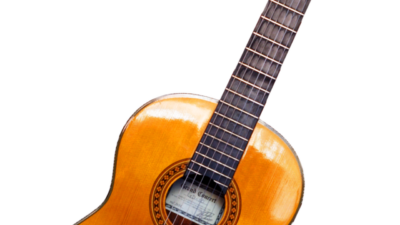
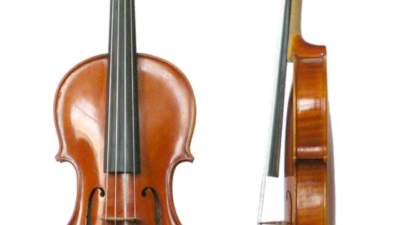
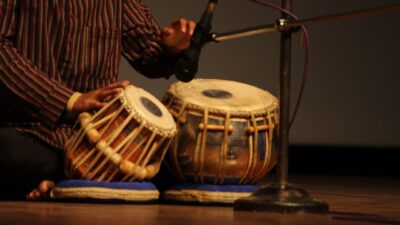
एस.डी. बर्मन का यह संगीत उनकी सबसे कोमल रचना है — एक सरल गिटार के आरपेजियो से शुरू होकर धीरे-धीरे बाँसुरी और वायलिन की मद्धिम गूँज जुड़ती है। भैरवी का स्वर-जगत इस गीत को एक ऐसी शाम की तरह रंगता है जो कभी रात नहीं होती। हेमंत कुमार की आवाज़ में एक प्राकृतिक उदासी है जिसे किसी अलंकार की ज़रूरत नहीं — वे लगभग फुसफुसाते हुए गाते हैं, जैसे श्रोता को अपने एकांत में खींच रहे हों। तबले की थाप इतनी धीमी है जैसे ताल भी इस ख़याल को तोड़ना नहीं चाहती।
अंग्रेज़ी में पढ़ें · Read in English
S.D. Burman's composition here is his most gentle — a simple guitar arpeggio introduces the melody, later joined by discreet violin strings. The Bhairavi-adjacent tonality gives the song its sunset quality, as if the day of hope is always ending. Hemant Kumar's baritone was uniquely suited to this song: his voice carries a natural melancholy that needs no ornamentation, and he sings with an almost whispered intimacy that pulls the listener into the narrator's solitude. The tabla plays very softly, barely insisting, as though even rhythm doesn't want to disturb this reverie. The song's slow unfurling — with long phrases and generous pauses — creates a sense of time stopped in longing.
काव्य The Poetry
साहिर का मास्टरस्ट्रोक यह है कि वे कवि का दर्द सीधे नहीं बोलते — बल्कि उन भाग्यशाली लोगों के बारे में अचरज जताते हैं जिन्हें प्यार मिला। 'जाने वो कैसे लोग थे' — यह शिकायत नहीं, एक सौम्य हैरानी है जो सीधी शिकायत से ज़्यादा दिल चीर देती है। गीत के रूपक घरेलू और कोमल हैं: रोशन रास्ते, जवाब देती आँखें, प्यार को मिलता प्यार — वे छोटे-छोटे चमत्कार जो कवि को कभी नसीब नहीं हुए।
अंग्रेज़ी में पढ़ें · Read in English
Sahir's master stroke is the inversion of perspective: instead of lamenting his own pain directly, the narrator wonders at the fortunate others. The opening 'jaane woh kaise log the' (who knows what kind of people they were) is pitched as a question, not a complaint — the wonder of it is more devastating than any direct accusation. The song's metaphors are domestic and tender: paths that light up, eyes that answer, love that is met with love — small, ordinary miracles the poet has never experienced.
कहानी The Story
यह गीत पहले हेमंत कुमार के लिए नहीं सोचा गया था — कहा जाता है गुरु दत्त ने तलत महमूद पर भी विचार किया। लेकिन यह महसूस किया गया कि हेमंत की आवाज़ में एक गरिमापूर्ण शोक है जो कवि-नायक के किरदार को ज़्यादा सूट करता है। रिकॉर्डिंग एक ही 'टेक' में पूरी हुई — जो बर्मन दा के आमतौर पर सावधान सेशन में बहुत कम होता था। कहते हैं गुरु दत्त प्लेबैक सुनते हुए रो पड़े और बोले कि यही भाव वे सालों से फ़िल्म में पकड़ना चाहते थे।
अंग्रेज़ी में पढ़ें · Read in English
Hemant Kumar was not the first choice for this song — Guru Dutt reportedly considered Talat Mahmood, whose voice was associated with a softer sadness. But it was felt that Hemant's voice had a quality of dignified grief that suited the poet-hero better. The recording session was reportedly completed in a single take — rare for Burman's typically meticulous sessions. Guru Dutt is said to have wept at the playback, telling the team that the song captured exactly the feeling he had been trying to express for years.
विरासत The Legacy
यह गीत अब हेमंत कुमार की पहचान से अलग नहीं किया जा सकता। बंगाली, तमिल और कन्नड़ में क्षेत्रीय कलाकारों ने इसे अपनाया है। हिंदुस्तानी शास्त्रीय गायिका प्रभा अत्रे ने इसकी सरल लेकिन गहरी सुर-संरचना की प्रशंसा की है। 'जाने वो कैसे लोग थे' — यह वाक्यांश हिंदी में एकतरफ़ा प्यार का सांस्कृतिक संकेत बन गया है। विविध भारती के कई सर्वेक्षणों में यह 1950 के दशक के शीर्ष 25 गीतों में रहा।
अंग्रेज़ी में पढ़ें · Read in English
The song is now inseparable from Hemant Kumar's legacy — it appears on virtually every compilation of his best work. It has been covered in Bengali, Tamil, and Kannada by regional artists. Indian classical vocalist Prabha Atre has praised its simple but profound melodic grammar in interviews. The song's central question has entered the language as a cultural shorthand for unrequited love: when Hindi speakers say 'jaane woh kaise log the,' the entire world of the song rushes back. It was included in multiple radio countdowns as one of the top 25 songs of the 1950s.
वर्गीकरण
Classification- Tempo
- Slow
Genre
अन्य विवरण
More Details- Nasreen Munni Kabir, 'Guru Dutt: A Life in Cinema' (1996) — Oxford University Press
- Sathya Saran, 'Sahir Ludhianvi: The People's Poet' (2013) — HarperCollins India
- Wikipedia: 'Pyaasa (film)' — en.wikipedia.org/wiki/Pyaasa_(film)
- Wikipedia: 'Hemant Kumar' — en.wikipedia.org/wiki/Hemant_Kumar
- Anirudha Bhattacharjee & Balaji Vittal, 'Gaata Rahe Mera Dil' (2011) — HarperCollins
References
रोचक तथ्य
Margin Notesहेमंत कुमार ने यह गीत एक ही टेक में रिकॉर्ड कर लिया था, जो एस.डी. बर्मन की रिकॉर्डिंग के लिए असामान्य था, क्योंकि उनके सत्रों में आमतौर पर कई रिहर्सल होते थे।
अंग्रेज़ी में पढ़ें · Read in English
Hemant Kumar recorded this song in a single take, which was unusual for S.D. Burman's recording sessions that typically involved many rehearsals.
गीत मूलतः इससे लंबा था — अंतिम रिलीज़ से पहले एक पूरा अंतरा काट दिया गया था, कहा जाता है कि गुरु दत्त के आग्रह पर, ताकि गति और कसी हुई रहे।
अंग्रेज़ी में पढ़ें · Read in English
The song was originally longer — a full antara was cut before the final release, reportedly at Guru Dutt's insistence to keep the pacing tighter.
'टाइम' पत्रिका की 2010 की सूची '10 मोस्ट ब्यूटीफुल फ़िल्म सॉन्ग्स इन द वर्ल्ड' में इस गीत को शामिल किया गया था, और इसे 'क्रिस्टल जैसी सरलता' का उदाहरण बताया गया।
अंग्रेज़ी में पढ़ें · Read in English
TIME magazine's 2010 list of '10 Most Beautiful Film Songs in the World' included this number, citing its 'crystalline simplicity.'
साहिर लुधियानवी इसे अपने पसंदीदा गीतों में गिनते थे — कहा जाता है कि उन्होंने कहा था कि यह वह इकलौता गीत है जिसमें उन्हें संगीत और शब्द एक-दूसरे से अलग नहीं लगते।
अंग्रेज़ी में पढ़ें · Read in English
Sahir Ludhianvi considered this among his own favourite lyrics, reportedly saying it was the one song where he felt the music and words had become indistinguishable.
गीत की गिटार प्रस्तावना किसी ऐसे सत्र वादक ने बजाई थी जिसे श्रेय नहीं दिया गया — उस गिटारवादक की पहचान करने के प्रयास अब तक अनिर्णायक रहे हैं।
अंग्रेज़ी में पढ़ें · Read in English
The guitar intro was played by an uncredited session musician — attempts to identify the guitarist have been inconclusive.
नमूना-पट्टी
The Specimen Table| शीर्षक | जाने वो कैसे लोग थे · Jaane Woh Kaise Log The |
|---|---|
| वर्ष · युग | 1957 — Golden Era |
| गायक | Hemant Kumar |
| गीतकार | Sahir Ludhianvi |
| संगीतकार | S.D. Burman |
| स्वरूप | एकल पुरुष |
| गति | धीमी |
| अवधि | 3:52 |
| भाषा | Urdu · Hindi |
| वाद्य | guitar · violin · tabla |
| भाव | मीठा-कड़वा · अविस्मरणीय · उदास · पुरानी यादें |
| लोकप्रियता | Legendary |
| बोल-स्थिति | केवल झलक |
जुड़े हुए पन्ने
Connected Plates · The Graph Made Visibleअटलस में कोई पन्ना अकेला नहीं — इस गीत से जुड़े गीत, कलाकार, फ़िल्म, राग-ताल-विधा, सब यहाँ से खुलते हैं।
मिलते-जुलते गीत · Related Songs
कलाकार · The Artists
युग · The Era
साझा कीजिए · Share this Plate
यह पन्ना आगे बढ़ाइए
गिटार एक ज़ख़्म खोलता है जिसे पूरा गीत धीरे-धीरे, बड़े प्यार से, बंद नहीं होने देता।
The guitar opens a wound that the whole song tries, gently, not to close.
— Music critic Khalid Mohamed, Film magazine
सवाल-जवाब
Questions & Answers'जाने वो कैसे लोग थे' किसने गाया? · Who sang 'Jaane Woh Kaise Log The'?
हेमंत कुमार ने 'प्यासा' (1957) में गुरु दत्त के लिए यह गीत गाया। संगीत एस.डी. बर्मन का और बोल साहिर लुधियानवी के थे।
Hemant Kumar sang this iconic song as playback for Guru Dutt in Pyaasa (1957). The music was composed by S.D. Burman and lyrics were written by Sahir Ludhianvi.
क्या यह गीत 'प्यासा' फ़िल्म का है? · Is this song from Pyaasa?
हाँ। 'जाने वो कैसे लोग थे' गुरु दत्त की 'प्यासा' (1957) का गीत है — यह फ़िल्म TIME पत्रिका के सर्वकालिक 100 महान फ़िल्मों की सूची में शामिल है।
Yes. 'Jaane Woh Kaise Log The' is from Guru Dutt's Pyaasa (1957), one of the greatest films in Indian cinema history, featured in TIME magazine's all-time 100 films list.
इस गीत का भाव क्या है? · What is the mood of 'Jaane Woh Kaise Log The'?
यह गीत एक कोमल ईर्ष्या और उदास कौतुक का गीत है — कवि उन भाग्यशाली लोगों के बारे में सोचता है जिनके प्यार को जवाब मिला, जबकि उसकी ख़ुद की राह हमेशा एकतरफ़ी रही।
The song expresses nostalgic longing and gentle envy — the poet wonders at those lucky souls whose love was reciprocated, while his own path has always been one of unrequited longing.
हेमंत कुमार की आवाज़ इस गीत के लिए इतनी ख़ास क्यों है? · Why is Hemant Kumar's voice so uniquely suited to this song?
हेमंत कुमार की गहरी बेस आवाज़ में एक गरिमापूर्ण दुख था — वे शोक करते थे, रोते नहीं थे। यह साहिर की दार्शनिक कविता के स्वर से बिल्कुल मेल खाता था।
Hemant Kumar's deep baritone carried a natural quality of dignified sadness — a grief that doesn't plead or weep but simply states its truth with quiet authority. It matched perfectly the philosophical tone of Sahir's poetry.