गीत विंग · गीत-पट्टिका · Song Plate
एक दिल के टुकड़े हज़ार हुए
Ek Dil Ke Tukde Hazar Hue
दो नहीं, हज़ार टुकड़े — मोहम्मद रफ़ी ने बताया कि टूटा हुआ दिल कैसा सुनाई देता है।
भावउदास · Sorrowful · Yearning
भाषाUrdu · Hindi गतिधीमी स्वरूपएकल पुरुष
श्रेय
The Creditsबोल · The Lyrics
बोल — झलक · Lyrics Preview
कोई यहाँ गिरा कोई वहाँ गिरा
यह दिल था जो चाहा था इक़ बार तुम्हें
पर तुमने इसे यूँ ही ठुकरा दिया
Koi yahan gira koi wahan gira
Yeh dil tha jo chaha tha ek baar tumhein
Par tumne ise yun hi thhukra diya
कॉपीराइट के कारण केवल झलक — पूरे बोल आधिकारिक मंचों पर।
शब्दकोश
Word Meaningsसूत्र-वाक्य · The Hook
सूत्र-वाक्य
दो नहीं, हज़ार टुकड़े — मोहम्मद रफ़ी ने बताया कि टूटा हुआ दिल कैसा सुनाई देता है।
In EnglishNot two halves but a thousand pieces — Mohammed Rafi showed what a broken heart really sounds like.
पट्टिका-लेख
The Monographपरिचय Overview
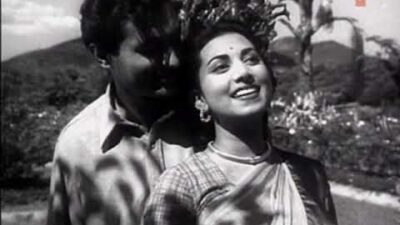
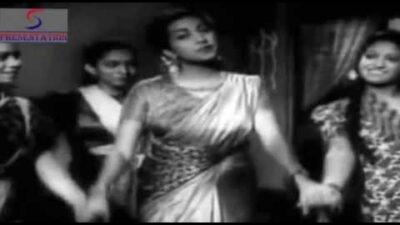
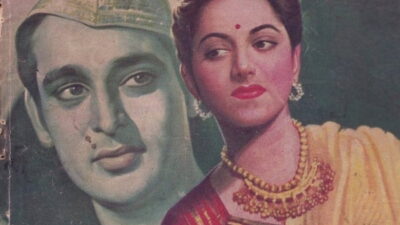
फ़ेमस पिक्चर्स की फ़िल्म 'प्यार की जीत' (१९४८, निर्देशक: ओ.पी. दत्त), जो उस साल की तीसरी सर्वाधिक कमाई करने वाली भारतीय फ़िल्म थी, का यह गीत मोहम्मद रफ़ी की उस असाधारण संवेदनशीलता का प्रमाण है जिससे वे पुरुष विरह को आवाज़ देते हैं। भाई-जोड़ी हुसनलाल-भगतराम — जो उस दौर के सबसे लोकप्रिय संगीतकारों में थे — का संगीत और क़मर जलालाबादी के बोल। गीत की केंद्रीय छवि अभूतपूर्व है: दिल दो नहीं, हज़ार टुकड़ों में बिखरा — हर टुकड़ा अलग दिशा में गिरा। सुरैया और रहमान अभिनीत इस फ़िल्म का यह गीत आज भी स्पॉटिफ़ाई पर उपलब्ध है।
अंग्रेज़ी में पढ़ें · Read in English
From Pyar Ki Jeet (1948, directed by O.P. Dutta for Famous Pictures), the third highest-grossing Indian film of its year, 'Ek Dil Ke Tukde Hazar Hue' showcases Mohammed Rafi's extraordinary sensitivity in rendering male heartbreak. Composed by the brother-duo Husnlal-Bhagatram — who were among the most popular composers of the late 1940s — and written by Qamar Jalalabadi, the song's central image is unforgettable: a heart broken not into two but into a thousand pieces, each falling in a different direction. The film starred Suraiya and Rehman; the song remains available on Spotify and is one of the more widely remembered songs from this landmark year.
संगीत The Music
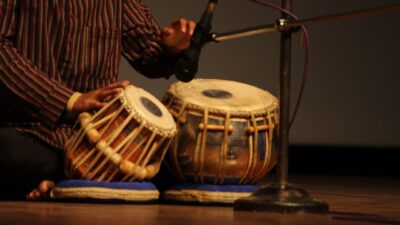
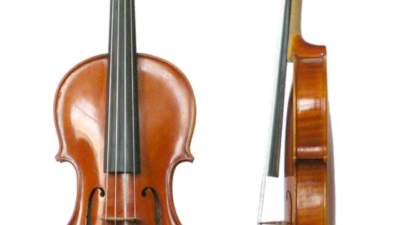
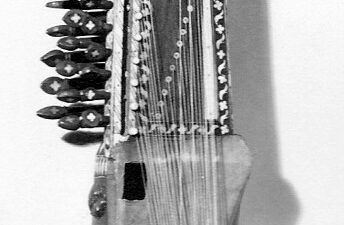
हुसनलाल-भगतराम की रचना शैली में सीधी, तुरंत समझ में आने वाली भावनात्मकता थी। 'एक दिल के टुकड़े' के मुखड़े में एक घुमावदार, आह भरी धुन है जो बिखरे हुए टुकड़ों की छवि को सटीक रूप से प्रतिबिंबित करती है। हारमोनियम हार्मनी थामता है जबकि सारंगी और वायलिन भावनात्मक भार उठाते हैं। रफ़ी का गायन उल्लेखनीय रूप से संयमित है — वे विरह को नाटकीय नहीं बनाते, धुन उसे उठाती है — यही कारण है कि असर गहरा पड़ता है।
अंग्रेज़ी में पढ़ें · Read in English
Husnlal-Bhagatram composed with an instinct for immediacy — their melodies were designed to be understood and felt at first hearing. 'Ek Dil Ke Tukde' has a winding, sighing melodic contour in the mukhda that perfectly mirrors the image of scattered pieces falling. The harmonium provides harmonic support while sarangi and violin carry the expressive weight. Rafi's performance is notable for its restraint — he does not over-dramatise the grief but lets the melody carry it, which makes the emotion hit harder.
काव्य The Poetry
क़मर जलालाबादी की छवि — 'कोई यहाँ गिरा, कोई वहाँ गिरा' — एक अमूर्त भावना (दिल टूटना) को एक ठोस दृश्य में बदल देती है: बिखरे हुए टुकड़े जो अलग-अलग दिशाओं में जा गिरे। भीतरी अवस्थाओं को बाहरी दृश्य में बदलना उर्दू फ़िल्मी कविता की श्रेष्ठ परंपरा है। गीत उस पर संबोधित है जिसने दिल तोड़ा — इसलिए यह विलाप और अभियोग दोनों है।
अंग्रेज़ी में पढ़ें · Read in English
Qamar Jalalabadi's image — 'koi yahan gira, koi wahan gira' (some fell here, some fell there) — transforms an abstract emotion (heartbreak) into a physical scene of scattered wreckage. This concretising of interior states is a central technique of Urdu film poetry at its best. The song is addressed to the one who caused the heartbreak, making it both lament and accusation.
कहानी The Story
'प्यार की जीत' फ़ेमस पिक्चर्स की प्रस्तुति थी। इसमें सुरैया थीं — जो उस दौर की सबसे बड़ी सितारों में थीं और अनूठी इसलिए कि वे फ़िल्मों में ख़ुद के लिए पार्श्व गायन करती थीं — और रहमान। फ़िल्म की व्यावसायिक सफलता (१९४८ की तीसरी सर्वाधिक कमाई) में इसके संगीत का बड़ा हाथ था। हुसनलाल-भगतराम उस समय अत्यंत सक्रिय थे।
अंग्रेज़ी में पढ़ें · Read in English
Pyar Ki Jeet (Love's Victory) was produced by Famous Pictures and directed by O.P. Dutta. The film starred Suraiya — one of the biggest stars of late-1940s Hindi cinema, who uniquely both acted and sang her own songs in films — alongside Rehman. The film's commercial success (third highest-grossing film of 1948) was driven partly by its music. Husnlal-Bhagatram were extraordinarily productive in this period, sometimes composing for multiple films in a single year.
विरासत The Legacy
यह गीत रफ़ी की शुरुआती उपलब्ध रिकॉर्डिंग्स में से एक है और स्पॉटिफ़ाई पर मिलता है। यह याद दिलाता है कि हुसनलाल-भगतराम ने १९४७-५० के बीच हिंदी लोकप्रिय संगीत को कैसे गढ़ा — इससे पहले कि नौशाद, एस.डी. बर्मन और शंकर-जयकिशन १९५० के दशक में छा जाएँ।
अंग्रेज़ी में पढ़ें · Read in English
The song remains one of the more accessible early Rafi recordings — available on Spotify under its original title — and serves as a reminder of how Husnlal-Bhagatram's output shaped the popular music of 1947–50 before Naushad, S.D. Burman, and Shankar-Jaikishan came to dominate the 1950s. Qamar Jalalabadi would go on to write many celebrated songs through the 1950s and 1960s.
वर्गीकरण
Classification- Tempo
- Slow
Genre
अन्य विवरण
More Details- Wikipedia — Pyar Ki Jeet (1948 film)
- Spotify — 'Ek Dil Je Tukde Hazar Hue' by Mohammed Rafi (https://open.spotify.com/track/7w2jt5iDcITYnfbSegPKpI)
- Songs of Yore — 'Best songs of 1948'
- MySwar — Pyar Ki Jeet (1948)
References
रोचक तथ्य
Margin Notesप्यार की जीत (1948) 1948 की तीसरी सबसे अधिक कमाई करने वाली भारतीय फिल्म थी।
अंग्रेज़ी में पढ़ें · Read in English
Pyar Ki Jeet (1948) was the third highest-grossing Indian film of 1948.
यह गीत स्पॉटिफ़ाई पर उपलब्ध है, जिससे यह रफ़ी की शुरुआती रिकॉर्डिंग में से अधिक सुलभ गीतों में से एक बन जाता है।
अंग्रेज़ी में पढ़ें · Read in English
The song is available on Spotify, making it one of the more accessible early Rafi recordings.
सुरैया, जिन्होंने प्यार की जीत में अभिनय किया, अपने दौर की प्रमुख अभिनेत्रियों में इस मायने में विशिष्ट थीं कि वे फिल्मों में अपने सभी गीत स्वयं गाती थीं।
अंग्रेज़ी में पढ़ें · Read in English
Suraiya, who starred in Pyar Ki Jeet, was unique among leading actresses of the era in that she personally sang all her own songs in films.
हुस्नलाल-भगतराम पंजाब के भाई थे; हुस्नलाल (1920–1968) वायलिन बजाते थे और भगतराम (1916–1997) हारमोनियम बजाते थे।
अंग्रेज़ी में पढ़ें · Read in English
Husnlal-Bhagatram were brothers from the Punjab; Husnlal (1920–1968) played violin and Bhagatram (1916–1997) played harmonium.
क़मर जलालाबादी (1919–2003) ने अपने पाँच दशकों से अधिक लंबे करियर में सैकड़ों हिंदी फिल्मी गीतों के बोल लिखे।
अंग्रेज़ी में पढ़ें · Read in English
Qamar Jalalabadi (1919–2003) wrote lyrics for hundreds of Hindi film songs across more than five decades of his career.
नमूना-पट्टी
The Specimen Table| शीर्षक | एक दिल के टुकड़े हज़ार हुए · Ek Dil Ke Tukde Hazar Hue |
|---|---|
| फ़िल्म | प्यार की जीत · 1948 |
| वर्ष · युग | 1948 — Golden Era |
| गायक | Mohammed Rafi |
| गीतकार | Qamar Jalalabadi |
| संगीतकार | Husnlal–Bhagatram |
| स्वरूप | एकल पुरुष |
| गति | धीमी |
| अवधि | circa 3:20 |
| भाषा | Urdu · Hindi |
| वाद्य | harmonium · tabla · violin · sarangi |
| भाव | उदास · Sorrowful · Yearning |
| लोकप्रियता | Popular |
| बोल-स्थिति | केवल झलक |
जुड़े हुए पन्ने
Connected Plates · The Graph Made Visibleअटलस में कोई पन्ना अकेला नहीं — इस गीत से जुड़े गीत, कलाकार, फ़िल्म, राग-ताल-विधा, सब यहाँ से खुलते हैं।
मिलते-जुलते गीत · Related Songs
कलाकार · The Artists
फ़िल्म · The Film
युग · The Era
साझा कीजिए · Share this Plate
यह पन्ना आगे बढ़ाइए
एक दिल के टुकड़े हज़ार हुए / कोई यहाँ गिरा कोई वहाँ गिरा — प्यार के बिखरने की सबसे सटीक तस्वीर।
Ek dil ke tukde hazar hue / koi yahan gira koi wahan gira
— Qamar Jalalabadi, Pyar Ki Jeet (1948)
सवाल-जवाब
Questions & Answers'एक दिल के टुकड़े हज़ार हुए' किस फ़िल्म का गीत है? · Which film is 'Ek Dil Ke Tukde Hazar Hue' from?
यह गीत 'प्यार की जीत' (१९४८, निर्देशक: ओ.पी. दत्त) से है, जो उस साल की तीसरी सर्वाधिक कमाई करने वाली भारतीय फ़िल्म थी।
The song is from Pyar Ki Jeet (1948), directed by O.P. Dutta, which was the third highest-grossing Indian film of 1948.
'एक दिल के टुकड़े हज़ार हुए' किसने कंपोज़ किया? · Who composed 'Ek Dil Ke Tukde Hazar Hue'?
संगीत हुसनलाल-भगतराम ने दिया था — दो भाइयों की यह जोड़ी १९४० के दशक के अंत में हिंदी सिनेमा के सबसे लोकप्रिय संगीतकारों में थी।
The music was composed by Husnlal-Bhagatram, a brotherly duo who were among the most popular composers in Hindi cinema of the late 1940s.