गीत विंग · गीत-पट्टिका · Song Plate
दिल जले तो जले
Dil Jale Toh Jale
लता अपने सबसे शांत विनाश में — एक दिल जो जलता है और जानता है कि यह सुंदरता से जल रहा है।
भावDefiant · उदास · रोमांटिक
भाषाUrdu · Hindi गतिधीमी स्वरूपएकल महिला
श्रेय
The Creditsबोल · The Lyrics
बोल — झलक · Lyrics Preview
हाय दिल जले
पर किसी के लिए
मेरा दिल जले
haye dil jale
par kisi ke liye
mera dil jale
कॉपीराइट के कारण केवल झलक — पूरे बोल आधिकारिक मंचों पर।
शब्दकोश
Word Meaningsसूत्र-वाक्य · The Hook
सूत्र-वाक्य
लता अपने सबसे शांत विनाश में — एक दिल जो जलता है और जानता है कि यह सुंदरता से जल रहा है।
In EnglishLata at her most quietly devastating — a heart that burns, and knows it is burning beautifully.
पट्टिका-लेख
The Monographपरिचय Overview
'टैक्सी ड्राइवर' (1954) का 'दिल जले तो जले' उसी फ़िल्म के तलत महमूद के विलाप का साथी गीत है और लता मंगेशकर की विस्तृत स्वर्णिम-युग की धरोहर में उतना ही सम्मानित है। एस.डी. बर्मन ने भैरवी-स्वर में एक सरल-सी दिखने वाली धुन रची और साहिर लुधियानवी ने विद्रोही दिल-जलन के शब्द लिखे — अगर दिल जले तो जले, कम-से-कम वह किसी के लिए जलता है। लता मंगेशकर का गायन संयमित भाव का आदर्श है: उनकी आवाज़ गर्व और दर्द के उस विरोधाभास को एक लघु-चित्रकार की सटीकता और एक महासागर की गहराई के साथ वहन करती है।
अंग्रेज़ी में पढ़ें · Read in English
"Dil Jale Toh Jale" from Taxi Driver (1954) is a sister-song to the Talat Mahmood lament on the same soundtrack and is equally revered as a masterwork of Lata Mangeshkar's vast Golden Era catalogue. S.D. Burman composed a deceptively simple Bhairavi-toned melody and Sahir Ludhianvi wrote words of defiant heartache — if the heart burns, let it burn; at least it burns for someone worthy. Lata Mangeshkar's performance is a model of controlled emotion: her voice carries the song's paradox of pride and pain with the precision of a miniaturist and the depth of an ocean. The song, released on HMV, stands alongside the great female lament songs of the Golden Era and demonstrates the Burman-Sahir-Lata axis at its most quietly devastating.
संगीत The Music
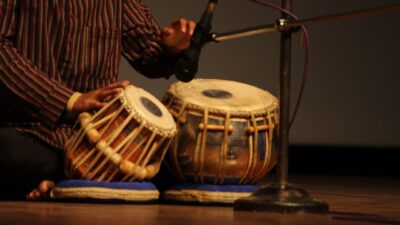
'दिल जले तो जले' में एस.डी. बर्मन की प्रतिभा उनके स्थिरता को मुख्य रचनात्मक तत्व के रूप में चुनने में है। गीत न्यूनतम संगीत-संयोजन के साथ शुरू होता है — हारमोनियम का एक स्थायी स्वर, तबले का शांत प्रवेश — और संगीत-संयोजन कभी भी ज़रूरत से ज़्यादा नहीं उठता। यह सादगी एक अंतरंग स्थान बनाती है जहाँ लता मंगेशकर की आवाज़ गीत की पूरी दुनिया बन जाती है। बर्मन की स्वर-रेखा भैरवी की विशेषता वाले मामूली-रंगे स्वर-क्रम से लेती है, विशेषकर उस तरीके में जिसमें वाक्यांश ऊँचे सप्तकों से उतरकर निचले सप्तक में एक आह-जैसी गुणवत्ता के साथ स्थिर होते हैं।
अंग्रेज़ी में पढ़ें · Read in English
S.D. Burman's genius in 'Dil Jale Toh Jale' lies in his choice of stillness as the primary compositional element. The song opens with minimal orchestration — a sustained note on the harmonium, the tabla entering quietly — and the arrangement never swells beyond what is necessary. This austerity creates an intimate space where Lata Mangeshkar's voice becomes the entire world of the song. Burman's melodic line draws on Raag Bhairavi's characteristic minor-coloured scales, particularly in the way phrases descend from higher registers to settle in the lower octave with a sigh-like quality. The composition's pacing is masterly: every pause, every elongation of a syllable is calibrated to maximum emotional effect. Burman reportedly insisted on multiple takes to achieve precisely the right balance of resignation and defiance in the central phrase.
काव्य The Poetry
'दिल जले तो जले' के लिए साहिर लुधियानवी की रचना एक विरोधाभास पर टिकी है जो एक गरिमा की घोषणा भी है: दिल जले तो जले — लेकिन जलता है तो एक कारण से जो जलने को सार्थक बनाता है। यह पीड़ा की साधारण स्वीकृति नहीं बल्कि एक गर्वित, लगभग विद्रोही दावा है: मेरा जलना शर्मनाक नहीं; यह मेरी प्रेम करने की क्षमता का प्रमाण है। उर्दू और फ़ारसी काव्य-परंपरा में दिल को उस दीपक के रूप में देखा जाता है जो जलकर रोशनी देता है। साहिर इस क्लासिक रूपक को समकालीन, व्यक्तिगत रंग देते हैं।
अंग्रेज़ी में पढ़ें · Read in English
Sahir Ludhianvi's lyric for 'Dil Jale Toh Jale' is built on a paradox that is also a declaration of dignity: the heart burns — let it burn — but it burns for a reason that makes the burning worthwhile. This is not simple acceptance of suffering but a proud, almost defiant claim: my burning is not shameful; it is proof of my capacity to love. The song connects to a long tradition in Urdu and Persian poetry of the heart as a lamp that illuminates by consuming itself ('dil jale toh jale'). Sahir takes this classical image and gives it a contemporary, personal inflection — the woman in the song is not passive in her suffering but fiercely proud of it.
कहानी The Story
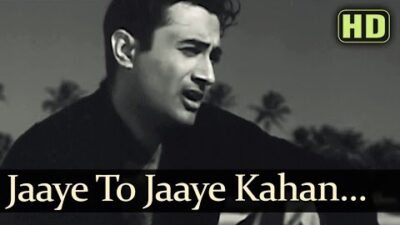
'टैक्सी ड्राइवर' (1954) में बर्मन-साहिर की जोड़ी ने दो पूरक विलाप-गीत बनाए — पुरुष दृष्टिकोण तलत महमूद को ('जाएँ तो जाएँ कहाँ') और स्त्री दृष्टिकोण लता मंगेशकर को ('दिल जले तो जले')। यह द्विचित्र संरचना — जहाँ एक ही भावनात्मक भू-दृश्य को दो लिंगों की दृष्टि से देखा जाता है — एक साहसी रचनात्मक निर्णय था। एस.डी. बर्मन ने कथित तौर पर लता को एक ऐसा गीत देना चाहा जो तलत के गीत का भावनात्मक प्रतिरूप हो — उतना ही उदास लेकिन विद्रोही गर्व के एक स्वर के साथ।
अंग्रेज़ी में पढ़ें · Read in English
The Burman-Sahir partnership in Taxi Driver (1954) produced two complementary lament songs — the male perspective given to Talat Mahmood ('Jaayein Toh Jaayein Kahan') and the female perspective given to Lata Mangeshkar ('Dil Jale Toh Jale'). This diptych structure, where the same emotional territory is explored from two genders' viewpoints, was a bold compositional choice and one that enriched both songs. S.D. Burman reportedly wanted to give Lata a song that was the emotional counterpart to Talat's — equally desolate but with a note of defiant pride rather than pure resignation. The recording, done at HMV's Bombay studios, is said to have required Lata to find a precise emotional register between grief and pride.
विरासत The Legacy
'दिल जले तो जले' लता मंगेशकर की 1950 के दशक की प्रारंभिक अवधि की सबसे उद्धृत प्रस्तुतियों में से एक है और एस.डी. बर्मन-साहिर लुधियानवी की रचनात्मक विरासत की एक आधारशिला है। यह वस्तुतः हर गंभीर स्वर्णिम-युग पूर्वावलोकन में शामिल होता है और दुनिया भर के संगीत-प्रेमियों की प्लेलिस्ट में बना रहता है।
अंग्रेज़ी में पढ़ें · Read in English
"Dil Jale Toh Jale" is one of Lata Mangeshkar's most-cited performances from the early 1950s and a cornerstone of the S.D. Burman-Sahir Ludhianvi songwriting legacy. It has been included in virtually every serious retrospective of Golden Era Hindi film music and remains on the playlists of connoisseurs worldwide. The song's emotional directness — its refusal of easy consolation — gives it an enduring resonance that transcends its original film context. It has been covered by Asha Bhosle and numerous other singers, none displacing the original's authority.
वर्गीकरण
Classification- Tempo
- Slow
Genre
अन्य विवरण
More Details- Hindi Film Geet Kosh Vol. 3 (1954) — Har Mandir Singh 'Hamraaz'
- Wikipedia: Taxi Driver (1954 film)
- Wikipedia: Lata Mangeshkar
- Wikipedia: Sahir Ludhianvi
- Wikipedia: Sachin Dev Burman
References
रोचक तथ्य
Margin Notesएक ही साउंडट्रैक पर 'जाएं तो जाएं कहां' (तलत) और 'दिल जले तो जले' (लता) की स्त्री-पुरुष जोड़ी को हिंदी फ़िल्म संगीत के इतिहास में विषाद-गीतों की सबसे बेहतरीन पूरक जोड़ियों में से एक माना जाता है।
अंग्रेज़ी में पढ़ें · Read in English
The male-female diptych of 'Jaayein Toh Jaayein Kahan' (Talat) and 'Dil Jale Toh Jale' (Lata) on the same soundtrack is considered one of the finest matched pairs of complementary lament songs in Hindi film music history.
एस.डी. बर्मन की संगीत-रचना शैली अक्सर बंगाली लोकगीत और रवींद्रसंगीत परंपराओं से प्रेरित होती थी — इस गीत की सीधी और संयमित गुणवत्ता उसी प्रभाव को दर्शाती है।
अंग्रेज़ी में पढ़ें · Read in English
S.D. Burman's composition style often drew on Bengali folk song and Rabindrasangeet traditions — the sparse, direct quality of this song reflects that influence.
Sahir Ludhianvi's use of the burning heart ('दिल जले') as metaphor connects to a centuries-old tradition in both Urdu and Persian poetry where the heart is conceived as a lamp that consumes itself in love.
लता मंगेशकर ने 1950 के दशक में एस.डी. बर्मन के लिए दर्जनों गीत रिकॉर्ड किए और उनकी साझेदारी ने स्वर्णिम युग के कुछ सबसे आदरणीय गीत रचे।
अंग्रेज़ी में पढ़ें · Read in English
Lata Mangeshkar recorded dozens of songs for S.D. Burman across the 1950s and their collaboration produced some of the most revered songs of the Golden Era.
देव आनंद और उनके भाई चेतन आनंद की पेशेवर साझेदारी कई परियोजनाओं तक फैली थी; टैक्सी ड्राइवर उनके सबसे सफल संयुक्त उपक्रमों में से एक था।
अंग्रेज़ी में पढ़ें · Read in English
Dev Anand and his brother Chetan Anand's professional collaboration extended to several projects; Taxi Driver was one of their most successful joint ventures.
नमूना-पट्टी
The Specimen Table| शीर्षक | दिल जले तो जले · Dil Jale Toh Jale |
|---|---|
| वर्ष · युग | 1954 — Golden Era |
| गायक | Lata Mangeshkar |
| गीतकार | Sahir Ludhianvi |
| संगीतकार | S.D. Burman |
| स्वरूप | एकल महिला |
| गति | धीमी |
| अवधि | circa 3:45 |
| भाषा | Urdu · Hindi |
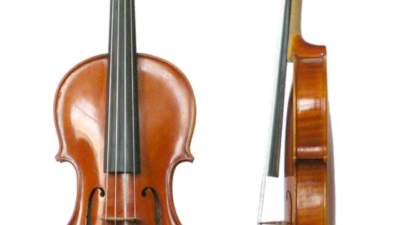
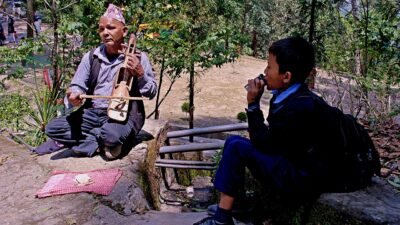
| वाद्य | violin · harmonium · tabla · sarangi |
| भाव | Defiant · उदास · रोमांटिक |
| लोकप्रियता | Very_popular |
| बोल-स्थिति | केवल झलक |
जुड़े हुए पन्ने
Connected Plates · The Graph Made Visibleअटलस में कोई पन्ना अकेला नहीं — इस गीत से जुड़े गीत, कलाकार, फ़िल्म, राग-ताल-विधा, सब यहाँ से खुलते हैं।
मिलते-जुलते गीत · Related Songs
कलाकार · The Artists
युग · The Era
साझा कीजिए · Share this Plate
यह पन्ना आगे बढ़ाइए
लता और बर्मन ने कुछ गहरी बात समझी थी: सबसे विनाशकारी उदासी वह है जो खुद से शर्मिंदा होने से इनकार करती है।
Lata and Burman understood something profound: the most devastating sadness is the kind that refuses to be ashamed of itself.
— Film lyric scholar on the Burman-Sahir-Lata trio
सवाल-जवाब
Questions & Answers'टैक्सी ड्राइवर' 1954 में 'दिल जले तो जले' किसने गाया? · Who sang 'Dil Jale Toh Jale' in Taxi Driver 1954?
लता मंगेशकर ने यह गीत पार्श्व गायन में गाया। संगीत एस.डी. बर्मन का था और बोल साहिर लुधियानवी के।
Lata Mangeshkar sang this song as playback. Music was composed by S.D. Burman and lyrics were written by Sahir Ludhianvi.
इसी फ़िल्म के 'जाएँ तो जाएँ कहाँ' से 'दिल जले तो जले' का क्या संबंध है? · How does 'Dil Jale Toh Jale' relate to 'Jaayein Toh Jaayein Kahan' from the same film?
दोनों गीत पूरक विलाप हैं — 'जाएँ तो जाएँ कहाँ' पुरुष एकाकीपन का अनुभव (तलत महमूद) और 'दिल जले तो जले' स्त्री दृष्टिकोण (लता मंगेशकर) देता है। मिलकर ये हिंदी फ़िल्म संगीत के सबसे सुंदर भावनात्मक द्विचित्रों में से एक बनाते हैं।
The two songs are complementary laments — 'Jaayein Toh Jaayein Kahan' explores the male experience of loneliness (sung by Talat Mahmood) while 'Dil Jale Toh Jale' gives the female perspective (Lata Mangeshkar). Together they form one of Hindi film music's finest emotional diptychs.