गीत विंग · गीत-पट्टिका · Song Plate
धरती कहे पुकार के
Dharti Kahe Pukar Ke
सलिल चौधरी ने एक सोवियत मार्च सुना और उसे भैरवी में रुला दिया — और इस तरह भारतीय समानांतर सिनेमा की संगीत-भाषा का जन्म हुआ।
भावप्रेरणादायक · उदास · पुरानी यादें · शांत
भाषाHindi · Awadhi गतिमध्यम स्वरूपयुगल
श्रेय
The Creditsबोल · The Lyrics
बोल — झलक · Lyrics Preview
मौसम बीता जाए
Mausam beeta jaaye
कॉपीराइट के कारण केवल झलक — पूरे बोल आधिकारिक मंचों पर।
शब्दकोश
Word Meaningsसूत्र-वाक्य · The Hook
सूत्र-वाक्य
सलिल चौधरी ने एक सोवियत मार्च सुना और उसे भैरवी में रुला दिया — और इस तरह भारतीय समानांतर सिनेमा की संगीत-भाषा का जन्म हुआ।
In EnglishSalil Chaudhury heard a Soviet military march and made it weep with Bhairavi — and in doing so, invented Indian parallel cinema's musical language.
पट्टिका-लेख
The Monographपरिचय Overview
बिमल रॉय की ऐतिहासिक फ़िल्म 'दो बीघा ज़मीन' (१९५३) — बलराज साहनी और निरुपा रॉय अभिनीत, इतालवी नव-यथार्थवाद और रबीन्द्रनाथ टैगोर की कविता 'दुई बीघा जोमी' से प्रेरित — से है यह गीत जो सलिल चौधरी की हिंदी सिनेमा में पहली रचना है। लता मंगेशकर और मन्ना डे की आवाज़ें, शैलेंद्र के बोल। सलिल ने एक सोवियत सैनिक मार्च की लय को भैरवी की लोक-धुन में पिरोया। 'दो बीघा ज़मीन' ने पहला फ़िल्मफ़ेयर सर्वश्रेष्ठ फ़िल्म पुरस्कार (१९५४) और कान महोत्सव १९५४ का अंतर्राष्ट्रीय पुरस्कार जीता।
अंग्रेज़ी में पढ़ें · Read in English
From Bimal Roy's landmark 1953 film Do Bigha Zamin — starring Balraj Sahni and Nirupa Roy, inspired by Italian neorealism and Rabindranath Tagore's poem 'Dui Bigha Jomi' — 'Dharti Kahe Pukar Ke' was Salil Chaudhury's debut composition in Hindi cinema. Sung by Lata Mangeshkar and Manna Dey, with lyrics by Shailendra, the song adapts a Soviet military march rhythm that Salil encountered through the Progressive Cultural Association, weaving it into a Bhairavi folk melody. Do Bigha Zamin won the first Filmfare Award for Best Film (1954) and the International Prize at the Cannes Film Festival 1954. The song ranked ninth on Binaca Geetmala 1953.
संगीत The Music
सलिल चौधरी की संगीत-प्रतिभा यहाँ अपने शुरुआती रूप में चमकती है। उन्होंने इप्टा (भारतीय जन नाट्य संघ) और प्रगतिशील सांस्कृतिक आंदोलन के दिनों में सीखी सोवियत मार्च की लय ली और उसे भैरवी की कातर लोक-गुणवत्ता से भर दिया। 'मौसम बीता जाए' में 'जाए' पर भैरवी की विशेषता — एक अवरोही, हल्की कातरता — साफ़ सुनाई देती है। कोरस-आलाप से शुरुआत १९५३ के हिंदी फ़िल्म संगीत में नई बात थी।
अंग्रेज़ी में पढ़ें · Read in English
Salil Chaudhury's compositional genius is on full display here. He adapted the rhythm of a Soviet military march — heard through his years in the IPTA (Indian People's Theatre Association) and the Progressive Cultural movement — but replaced its militaristic mood with the aching folk quality of Bhairavi. Music analysts note that the recurring phrase 'mausam beeta jaaye' employs a characteristic Bhairavi melodic descent on the syllable 'jaye'. The use of a chorus alaap opening was innovative for 1953 Hindi film music. Salil later said he brought this script to Bimal Roy himself, as it was his own story of rural dispossession.
काव्य The Poetry
शैलेंद्र का बोल मिट्टी से बना है — शहरी शायर की भाषा नहीं, एक किसान की। 'धरती कहे पुकार के, बीज बिछा ले प्यार के' — एक कृषि-संस्कृति का नैतिक आह्वान: देर मत करो, मौसम गुज़रता है। रूपक दोहरा है — यह एक प्रेम-गीत भी है: प्यार के बीज बो लो जबकि वक़्त है।
अंग्रेज़ी में पढ़ें · Read in English
Shailendra's lyric is earthen and simple — the language of a farmer, not a city poet. 'Dharti kahe pukar ke, beej bicha le pyaar ke' speaks to a farming culture where land is motherly, seasons are moral obligations, and delay means loss. The metaphor doubles as a love song: scatter the seeds of love before your season passes.
कहानी The Story
सलिल चौधरी बंबई आए तो 'दो बीघा ज़मीन' की पटकथा अपने साथ लाए — एक किसान की कहानी जो ज़मीन छिन जाने पर कलकत्ता में रिक्शा खींचता है। उन्होंने बिमल रॉय को यह कहानी सुनाई, रॉय ने निर्देशन के लिए हाँ कहा और सलिल को संगीत सौंपा — यह उनकी हिंदी सिनेमा में शुरुआत थी। फ़िल्म १६ जनवरी १९५३ को रिलीज़ हुई और कान महोत्सव १९५४ में अंतर्राष्ट्रीय पुरस्कार जीता।
अंग्रेज़ी में पढ़ें · Read in English
Salil Chaudhury came to Bombay in 1953 having already written the script of Do Bigha Zamin — about a peasant forced off his land, who becomes a rickshaw puller in Calcutta. He narrated it to Bimal Roy, who agreed to direct it. Salil was given the music assignment as part of the deal. It was his Hindi film debut. The film premiered on 16 January 1953 and won the International Prize (Prix International) at Cannes 1954 and the All India Certificate of Merit.
विरासत The Legacy
'दो बीघा ज़मीन' भारतीय समानांतर सिनेमा की नींव की फ़िल्म मानी जाती है। सलिल चौधरी ने बाद में 'मधुमती' (१९५८), 'आनंद' (१९७१) जैसी अमर फ़िल्मों का संगीत रचा। यह गीत उनके करियर का प्रारंभ-बिंदु है और भारतीय फ़िल्म संगीत-इतिहास में एक मील का पत्थर।
अंग्रेज़ी में पढ़ें · Read in English
Do Bigha Zamin is considered the foundational film of Indian parallel cinema — it established that serious social themes and great music could coexist. Salil Chaudhury went on to compose iconic scores for Do Aankhen Barah Haath (1957), Madhumati (1958), Anand (1971) and many others. This song launched his career and is taught in Indian film music history as a landmark composition.
वर्गीकरण
Classification- Tempo
- Medium
Genre
अन्य विवरण
More Details- Wikipedia: Do Bigha Zamin — https://en.wikipedia.org/wiki/Do_Bigha_Zamin
- Wikipedia: Salil Chaudhury — https://en.wikipedia.org/wiki/Salil_Chaudhury
- Tribune India: Dharti Kahe Pukar Ke — Remembering Salil Chowdhury — https://www.tribuneindia.com/news/arts/dharti-kahe-pukar-ke-remembering-salil-chowdhury/
- HindiGeetmala.net: Binaca Geetmala 1953 — https://www.hindigeetmala.net/geetmala/binaca_geetmala_1953.php
- Wikipedia: Shailendra (lyricist) — https://en.wikipedia.org/wiki/Shailendra_(lyricist)
References
रोचक तथ्य
Margin Notesसलिल चौधरी ने इस गीत के लिए एक सोवियत सैन्य मार्च की लय को अनुकूलित किया — यह उनके इप्टा (IPTA) और प्रगतिशील सांस्कृतिक आंदोलन से जुड़ाव का प्रत्यक्ष प्रभाव था।
अंग्रेज़ी में पढ़ें · Read in English
Salil Chaudhury adapted a Soviet military march rhythm for this song — a direct influence of his time in the IPTA and the Progressive Cultural movement.
'मौसम बीता जाए' में 'जाए' शब्द भैरवी की विशिष्ट अवरोही सुर-रचना का प्रयोग करता है — यह बारीकी संगीतशास्त्रियों द्वारा नोट की गई है।
अंग्रेज़ी में पढ़ें · Read in English
The 'jaye' in 'mausam beeta jaaye' employs a characteristic Bhairavi melodic descent — a detail noted by musicologists.
दो बीघा ज़मीन ने कान फ़िल्म समारोह 1954 में अंतरराष्ट्रीय पुरस्कार जीता — इसी समारोह में मयूरपंख भी प्रदर्शित हुई थी।
अंग्रेज़ी में पढ़ें · Read in English
Do Bigha Zamin won the International Prize at the Cannes Film Festival 1954 — the same festival where Mayurpankh was also screened.
यह फ़िल्म रवींद्रनाथ टैगोर की कविता 'दुई बीघा जोमी' और सलिल चौधरी की अपनी कहानी 'रिक्शावाला' से प्रेरित थी।
अंग्रेज़ी में पढ़ें · Read in English
The film was inspired by Rabindranath Tagore's poem 'Dui Bigha Jomi' and Salil Chaudhury's own story 'Rickshawalla'.
बिमल रॉय का निर्देशन इतालवी नवयथार्थवादी (नियोरियलिस्ट) फ़िल्मकारों से प्रभावित था, विशेष रूप से विट्टोरियो डी सीका की बाइसिकल थीव्स (1948) से।
अंग्रेज़ी में पढ़ें · Read in English
Bimal Roy's direction was influenced by Italian neorealist filmmakers, particularly Vittorio De Sica's Bicycle Thieves (1948).
पुरस्कार
The Honoursनमूना-पट्टी
The Specimen Table| शीर्षक | धरती कहे पुकार के · Dharti Kahe Pukar Ke |
|---|---|
| वर्ष · युग | 1953 — Golden Era |
| गायक | Lata Mangeshkar, Manna Dey |
| गीतकार | Shailendra |
| संगीतकार | Salil Chowdhury |
| स्वरूप | युगल |
| गति | मध्यम |
| अवधि | 4:05 |
| भाषा | Hindi · Awadhi |
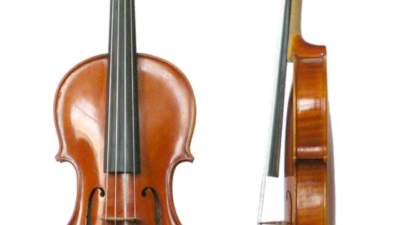
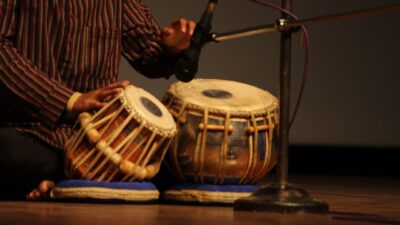
| वाद्य | violin · tabla · harmonium · instrument-flute |
| भाव | प्रेरणादायक · उदास · पुरानी यादें · शांत |
| लोकप्रियता | Legendary |
| बोल-स्थिति | केवल झलक |
जुड़े हुए पन्ने
Connected Plates · The Graph Made Visibleअटलस में कोई पन्ना अकेला नहीं — इस गीत से जुड़े गीत, कलाकार, फ़िल्म, राग-ताल-विधा, सब यहाँ से खुलते हैं।
मिलते-जुलते गीत · Related Songs
कलाकार · The Artists
युग · The Era
साझा कीजिए · Share this Plate
यह पन्ना आगे बढ़ाइए
धरती कहे पुकार के, बीज बिछा ले प्यार के, मौसम बीता जाए।
The earth calls: scatter the seeds of love before the season passes.
— Shailendra, Do Bigha Zamin (1953)
सवाल-जवाब
Questions & Answers'दो बीघा ज़मीन' का संगीत किसने दिया? · Who composed the music for Do Bigha Zamin?
सलिल चौधरी ने 'दो बीघा ज़मीन' (१९५३) का संगीत दिया — यह हिंदी सिनेमा में उनकी पहली फ़िल्म थी। उन्होंने इस फ़िल्म की मूल कहानी भी लिखी थी।
Salil Chaudhury composed the music for Do Bigha Zamin (1953) — it was his debut in Hindi film music. He also co-wrote the film's original story.
क्या 'दो बीघा ज़मीन' को कान में पुरस्कार मिला? · Did Do Bigha Zamin win at Cannes?
हाँ। 'दो बीघा ज़मीन' ने १९५४ के कान फ़िल्म महोत्सव में अंतर्राष्ट्रीय पुरस्कार जीता और पहला फ़िल्मफ़ेयर सर्वश्रेष्ठ फ़िल्म पुरस्कार भी।
Yes. Do Bigha Zamin won the International Prize (Prix International) at the 1954 Cannes Film Festival and also won the first Filmfare Award for Best Film.
इस गीत में सोवियत प्रभाव कहाँ है? · What Soviet influence is in this song?
सलिल चौधरी ने इस गीत में एक सोवियत सैनिक मार्च की लय का उपयोग किया — उनके इप्टा और प्रगतिशील सांस्कृतिक आंदोलन से जुड़े वर्षों का प्रभाव।
Salil Chaudhury adapted the rhythm of a Soviet military march for 'Dharti Kahe Pukar Ke', an influence from his years with the IPTA (Indian People's Theatre Association) and the Progressive Cultural movement.