गीत विंग · गीत-पट्टिका · Song Plate
ऐ ग़म-ए-दिल क्या करूँ
Ae Gam-E-Dil Kya Karu
मजाज़ ने शहर की रात से पूछा — ऐ ग़म-ए-दिल क्या करूँ — और तलत ने उसी ग़म की आवाज़ में जवाब दिया।
भावअविस्मरणीय · उदास · पुरानी यादें · दार्शनिक
भाषाUrdu गतिधीमी स्वरूपएकल पुरुष
श्रेय
The Creditsबोल · The Lyrics
पूरे बोल · Full Lyrics
जगमगाती जागती सड़कों पे आवारा फिरूँ
ऐ ग़म-ए-दिल क्या करूँ, ऐ वहशत-ए-दिल क्या करूँ
ये रुपहली छाँव, ये आकाश पर तारों का जाल
जैसे सूफ़ी का तसव्वुर, जैसे आशिक़ का ख़याल
आह! लेकिन कौन समझे, कौन जाने जी का हाल
रास्ते में रुक के दम लूँ, ये मेरी आदत नहीं
लौट कर वापस चला जाऊँ, मेरी फ़ितरत नहीं
और कोई हमनवाँ मिल जाए, ये क़िस्मत नहीं
ऐ ग़म-ए-दिल क्या करूँ, ऐ वहशत-ए-दिल क्या करूँ
Jagmagaati jaagti sadkon pe aawaara firoon
Ae gham-e-dil kya karoon, ae wahshat-e-dil kya karoon
Ye rupahli chhaanv, ye aakaash par taaron ka jaal
Jaise Sufi ka tasawwur, jaise aashiq ka khayaal
Aah! Lekin kaun samjhe, kaun jaane ji ka haal
Raaste mein ruk ke dam loon, ye meri aadat nahin
Laut kar waapas chala jaaoon, meri fitrat nahin
Aur koi hamnawaa mil jaaye, ye qismat nahin
Ae gham-e-dil kya karoon, ae wahshat-e-dil kya karoon
On gleaming, wakeful streets I roam, a vagrant and alone
O grief of my heart, what do I do? O frenzy of my heart, what do I do?
This silver shade, this sky above ensnared with stars
Like a Sufi's reverie, like a lover's fantasies
Ah — but who can understand, who knows the state of my soul?
To stop and rest mid-road — that is not my habit
To turn and walk back home — that is not my nature
To find a companion on the way — that is not my fortune
O grief of my heart, what do I do? O frenzy of my heart, what do I do?
शब्दकोश
Word Meaningsसूत्र-वाक्य · The Hook
सूत्र-वाक्य
मजाज़ ने शहर की रात से पूछा — ऐ ग़म-ए-दिल क्या करूँ — और तलत ने उसी ग़म की आवाज़ में जवाब दिया।
In EnglishMajaz asked the city's night what to do with his grief — and Talat answered with a voice that is grief itself.
पट्टिका-लेख
The Monographपरिचय Overview
लेखराज भाखरी निर्देशित 'ठोकर' (१९५३) — जिसमें नौजवान शम्मी कपूर और श्यामा थे — से है यह गीत जो उर्दू के प्रगतिशील शायर मजाज़ लखनवी (असरार-उल-हक़ मजाज़, १९११–१९५५) की मशहूर नज़्म पर आधारित है। तलत महमूद ने इसे दर्द की गहरी संयमितता से गाया और सरदार मलिक — उस्ताद अलाउद्दीन ख़ान के शिष्य और शास्त्रीय नृत्य-शिक्षक — ने धुन रची। यह गीत १९५३ की बिनाका गीतमाला में चौथे स्थान पर रहा। ध्वनि-रिकॉर्डिंग और काव्य दोनों का कॉपीराइट अब समाप्त हो चुका है — इसलिए यह उन दुर्लभ गीतों में से है जिनके पूर्ण बोल यहाँ प्रस्तुत किए जा सकते हैं।
अंग्रेज़ी में पढ़ें · Read in English
From the 1953 film Thokar, directed by Lekhraj Bhakri and starring a young Shammi Kapoor and Shyama, 'Ae Gam-E-Dil Kya Karu' adapts a celebrated nazm by the progressive Urdu poet Majaz Lucknawi (Asrar ul Haq Majaz, 1911–1955). Sung with aching restraint by Talat Mahmood and composed by Sardar Malik — a classical dance teacher trained by Ustad Allauddin Khan — the song ranked fourth on Binaca Geetmala's 1953 annual chart. With both sound recording and lyrics in the public domain, this is one of the few 1953 songs whose full text may be freely displayed, making it a treasure for lovers of Urdu poetry in the Hindi film tradition.
संगीत The Music
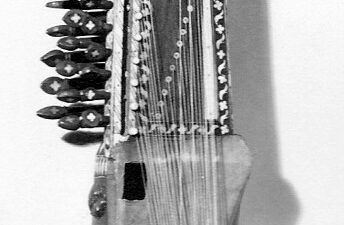
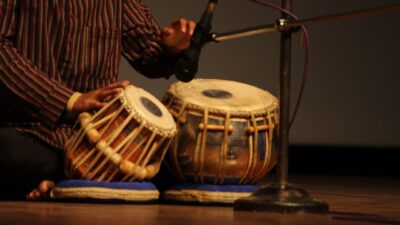
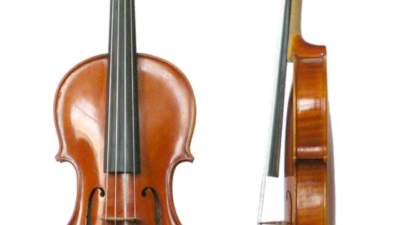
सरदार मलिक ने उदय शंकर के इंडिया कल्चरल सेंटर में कथकली, मणिपुरी और भरतनाट्यम सीखा और उस्ताद अलाउद्दीन ख़ान से संगीत। इस गीत में उनकी शास्त्रीय अनुशासन-साधना दिखती है। रचना राग भूपाली के क़रीब है — पाँच स्वरों का वह राग जो खुले मैदानों और शाम की तन्हाई का प्रतीक है, ठीक उस आवारे की तरह जो शहर की सड़कों पर भटक रहा है। संयोजन विरल है: सारंगी, तबला, हल्की तारवाद्य — क्योंकि मजाज़ के बोल ही संगीत थे।
अंग्रेज़ी में पढ़ें · Read in English
Sardar Malik, trained in Kathakali, Manipuri and Bharatnatyam at Uday Shankar's India Cultural Centre and in music by Ustad Allauddin Khan, brought a distinctive classical discipline to this song. The composition moves in the vicinity of Raag Bhupali — the pentatonic raga of open plains and evening solitude — which suits the wanderer's imagery perfectly. The arrangement is bare: a sarangi melody against tabla, with strings for emotional warmth. Sardar Malik understood that Majaz's nazm needed no ornamentation — the words were the music. He arrived on the national film music scene with Thokar, and this song was his announcement.
काव्य The Poetry
मजाज़ लखनवी की यह नज़्म प्रगतिशील लेखक आंदोलन की महान रचनाओं में से एक है। यह कविता उनकी अपनी ज़िंदगी का आईना है: एक प्रतिभाशाली शायर जो शराब और अधूरे प्यार में डूब गया, रात को लखनऊ की सड़कों पर भटकता। 'शहर की रात और मैं नाशाद-ओ-नाकारा' — शहर रोशन है, शायर अंधेरे में। दूसरे बंद में तीन इनकार — रुकना नहीं, लौटना नहीं, साथी मिलना नहीं — उर्दू शायरी में एकाकीपन की सबसे सटीक अभिव्यक्ति है। मजाज़ ४४ साल की उम्र में एक सर्द रात शराब पीकर बेहोश पड़े मिले — फिर नहीं उठे।
अंग्रेज़ी में पढ़ें · Read in English
Majaz Lucknawi's nazm is one of the great poems of the Progressive Writers Movement. Written before the film, it captures the poet's own life: a brilliant man lost to alcohol and unrequited love, wandering Lucknow's streets at night. 'Shehr ki raat aur main naashaad-o-naakara' — the city is lit and busy; the poet is dark and useless. The triple denial of the second stanza — cannot stop, cannot return, cannot find a companion — is among the most economical expressions of existential solitude in Urdu poetry. Majaz died at 44, found unconscious in the cold after a night of drinking.
कहानी The Story
ठोकर (१९५३) जुबली पिक्चर्स की फ़िल्म थी जिसमें शम्मी कपूर एक शुरुआती भूमिका में थे। फ़िल्म विशेष रूप से यादगार नहीं रही, पर यह गीत दशकों तक जीवित रहा। सरदार मलिक ने इस फ़िल्म से अपना परिचय दिया — वे बाद में 'सारंगा' (१९६१) से मशहूर हुए। मजाज़ की यह नज़्म साहित्यिक हलकों में पहले से मशहूर थी; फ़िल्म ने प्रगतिशील लेखकों की शायरी को आम दर्शकों तक पहुँचाया।
अंग्रेज़ी में पढ़ें · Read in English
Thokar (1953) was produced by Jubilee Pictures and directed by Lekhraj Bhakri, featuring Shammi Kapoor in a pre-stardom supporting role. The film is not particularly celebrated, but the song outlasted it by decades. Sardar Malik, who would later achieve fame with Saranga (1961), used Thokar to announce himself. Majaz's nazm had been famous in literary circles long before the film; its use in a mainstream Hindi film brought the Progressive Writers' poetry to a mass audience for the first time.
विरासत The Legacy
मजाज़ लखनवी (असरार-उल-हक़ मजाज़, १९११–१९५५) को बीसवीं सदी के सर्वश्रेष्ठ उर्दू शायरों में गिना जाता है। वे जावेद अख़्तर के मामा थे। यह गीत उनकी नज़्म का सबसे प्रसिद्ध संगीत-रूप है, तलत महमूद की आवाज़ में। उर्दू फ़िल्मी शायरी के हर संकलन में और उपमहाद्वीप की मुशायरा-महफ़िलों में यह गीत आज भी गूँजता है।
अंग्रेज़ी में पढ़ें · Read in English
Majaz Lucknawi (Asrar ul Haq Majaz, 1911–1955) is celebrated as one of the finest Urdu poets of the twentieth century. He was the maternal uncle of lyricist-poet Javed Akhtar. This song remains the most-sung version of his nazm, forever associated with Talat Mahmood's voice. It appears on every serious compilation of Urdu film poetry and is recited in mushairas across the subcontinent.
वर्गीकरण
Classification- Tempo
- Slow
Genre
अन्य विवरण
More Details- Wikipedia: Majaz — https://en.wikipedia.org/wiki/Majaz
- Wikipedia: Sardar Malik — https://en.wikipedia.org/wiki/Sardar_Malik
- HindiGeetmala.net: Binaca Geetmala 1953 — https://www.hindigeetmala.net/geetmala/binaca_geetmala_1953.php
- IMDB: Thokar (1953) — https://www.imdb.com/title/tt0358212/
- Songs of Yore: Forgotten Composers — Sardar Malik — https://www.songsofyore.com/forgotten-composers-unforgettable-melodies-5-sardar-malik/
- Cinestaan: Majaz (1911-1955): The Missing Poet — https://www.cinestaan.com/articles/2015/dec/4/243
References
रोचक तथ्य
Margin Notesमजाज़ लखनवी प्रसिद्ध शायर और गीतकार जावेद अख़्तर के मामा थे।
अंग्रेज़ी में पढ़ें · Read in English
Majaz Lucknawi was the maternal uncle of the celebrated poet and lyricist Javed Akhtar.
मजाज़ की मृत्यु 5 दिसंबर 1955 को हुई, इस फ़िल्म की रिलीज़ के 2 वर्ष बाद — वे शराब पीने के बाद ठंड में बेहोश अवस्था में पाए गए थे — इस मृत्यु ने भारत के साहित्य जगत को स्तब्ध कर दिया था।
अंग्रेज़ी में पढ़ें · Read in English
Majaz died on 5 December 1955, two years after this film released, found unconscious in the cold after drinking — a death that shocked India's literary world.
सरदार मलिक ने अल्मोड़ा में उदय शंकर के इंडिया कल्चरल सेंटर में शास्त्रीय नृत्य (कथकली, मणिपुरी, भरतनाट्यम) का प्रशिक्षण लिया था, और संगीत की शिक्षा उस्ताद अलाउद्दीन ख़ान से प्राप्त की थी।
अंग्रेज़ी में पढ़ें · Read in English
Sardar Malik was trained in classical dance (Kathakali, Manipuri, Bharatnatyam) at Uday Shankar's India Cultural Centre in Almora, and in music by Ustad Allauddin Khan.
नज़्म 'ऐ ग़म-ए-दिल क्या करूँ' इस फ़िल्म से पहले की रचना है — मजाज़ ने इसे वर्षों पहले लखनऊ और इलाहाबाद में अपने भटकते जीवन के बारे में लिखा था।
अंग्रेज़ी में पढ़ें · Read in English
The nazm 'Ae Gam-E-Dil Kya Karu' predates the film — Majaz had written it years earlier about his own wandering life in Lucknow and Allahabad.
यह 1953 के उन थोड़े गीतों में से एक है जिनके संपूर्ण बोल सार्वजनिक डोमेन में हैं (2016 तक ध्वनि-रिकॉर्डिंग और कविता, दोनों का कॉपीराइट समाप्त हो चुका है)।
अंग्रेज़ी में पढ़ें · Read in English
This is one of the few 1953 film songs whose full lyrics are in the public domain (both sound recording and poetry copyright have expired as of 2016).
पुरस्कार
The Honoursनमूना-पट्टी
The Specimen Table| शीर्षक | ऐ ग़म-ए-दिल क्या करूँ · Ae Gam-E-Dil Kya Karu |
|---|---|
| वर्ष · युग | 1953 — Golden Era |
| गायक | Talat Mahmood |
| गीतकार | मजाज़ लखनवी (असरार-उल-हक़ मजाज़) |
| संगीतकार | सरदार मलिक |
| स्वरूप | एकल पुरुष |
| गति | धीमी |
| अवधि | 3:45 |
| भाषा | Urdu |
| वाद्य | sarangi · tabla · violin |
| भाव | अविस्मरणीय · उदास · पुरानी यादें · दार्शनिक |
| लोकप्रियता | Very_popular |
| बोल-स्थिति | कॉपीराइट समाप्त |
जुड़े हुए पन्ने
Connected Plates · The Graph Made Visibleअटलस में कोई पन्ना अकेला नहीं — इस गीत से जुड़े गीत, कलाकार, फ़िल्म, राग-ताल-विधा, सब यहाँ से खुलते हैं।
मिलते-जुलते गीत · Related Songs
कलाकार · The Artists
युग · The Era
साझा कीजिए · Share this Plate
यह पन्ना आगे बढ़ाइए
रास्ते में रुक के दम लूँ, ये मेरी आदत नहीं। लौट कर वापस चला जाऊँ, मेरी फ़ितरत नहीं। और कोई हमनवाँ मिल जाए, ये क़िस्मत नहीं।
To stop and rest mid-road — that is not my habit. To turn and walk back home — that is not my nature. And to find a companion — that is not my fortune.
— Majaz Lucknawi, Thokar (1953)
सवाल-जवाब
Questions & Answers'ऐ ग़म-ए-दिल क्या करूँ' किसने लिखा? · Who wrote the poem 'Ae Gam-E-Dil Kya Karu'?
यह नज़्म मजाज़ लखनवी (असरार-उल-हक़ मजाज़, १९११–१९५५) ने लिखी — बीसवीं सदी के महान उर्दू शायरों में से एक, और जावेद अख़्तर के मामा।
The poem (nazm) was written by Majaz Lucknawi (Asrar ul Haq Majaz, 1911–1955), one of the greatest Urdu poets of the twentieth century and the maternal uncle of lyricist Javed Akhtar.
क्या इस गीत का कॉपीराइट ख़त्म हो गया है? · Is the copyright on this song expired?
हाँ। ध्वनि-रिकॉर्डिंग का कॉपीराइट २०१३ में समाप्त हुआ। मजाज़ (मृत्यु ५ दिसंबर १९५५) के काव्य का कॉपीराइट २०१६ में समाप्त हुआ। दोनों अब सार्वजनिक संपत्ति हैं।
Yes. The sound recording became public domain in 2013 (60 years after 1953). The lyrics by Majaz Lucknawi (died December 5, 1955) entered the public domain in 2016 (60 years after his death). Both are now freely displayable.
मजाज़ लखनवी का कोई मशहूर रिश्तेदार था? · Who was Majaz Lucknawi related to?
मजाज़ लखनवी मशहूर शायर-गीतकार जावेद अख़्तर के मामा थे।
Majaz Lucknawi was the maternal uncle (mama) of the celebrated poet and lyricist Javed Akhtar, one of the most decorated lyricists in Hindi film history.
इस गीत का संगीत किसने दिया? · Who composed the music for this song?
सरदार मलिक ने 'ठोकर' (१९५३) का संगीत दिया। वे उदय शंकर के केंद्र में कथकली, मणिपुरी, भरतनाट्यम और उस्ताद अलाउद्दीन ख़ान से संगीत की शिक्षा पा चुके थे।
Sardar Malik composed the music for Thokar (1953). He was classically trained in dance and music — Kathakali, Manipuri, Bharatnatyam under Uday Shankar and music under Ustad Allauddin Khan.