गीत विंग · गीत-पट्टिका · Song Plate
ऐ दिल मुझे बता दे
Ae Dil Mujhe Bata De
वह पल जब आप जानते हैं कि दिल ने बिना इजाज़त माँगे फ़ैसला कर लिया — गीता दत्त और हेमन्त कुमार ने उस पल को बेमिसाल तरीक़े से गाया।
भावमीठा-कड़वा · रहस्यमय · रोमांटिक
भाषाUrdu · Hindi गतिMedium-Slow स्वरूपयुगल
श्रेय
The Creditsबोल · The Lyrics
बोल — झलक · Lyrics Preview
तू किस पे आ गया है
ये क्या हुआ तुझे दिल
तू किस पे आ गया है
Tu Kis Pe Aa Gaya Hai
Ye Kya Hua Tujhe Dil
Tu Kis Pe Aa Gaya Hai
कॉपीराइट के कारण केवल झलक — पूरे बोल आधिकारिक मंचों पर।
शब्दकोश
Word Meaningsसूत्र-वाक्य · The Hook
सूत्र-वाक्य
वह पल जब आप जानते हैं कि दिल ने बिना इजाज़त माँगे फ़ैसला कर लिया — गीता दत्त और हेमन्त कुमार ने उस पल को बेमिसाल तरीक़े से गाया।
In EnglishThe moment you realise the heart has already decided without asking permission — Geeta Dutt and Hemant Kumar sang that moment perfectly.
पट्टिका-लेख
The Monographपरिचय Overview
अशोक कुमार और बलराज साहनी अभिनीत 'भाई भाई' (1956) का यह गीत, जिसमें ओ.पी. नैयर का संगीत है, गीता दत्त और हेमन्त कुमार द्वारा एक साथ रिकॉर्ड किए गए सर्वोत्तम रोमांटिक युगल गीतों में से एक है। यह गीत उर्दू काव्य की उस परम्परा से है जहाँ दिल को एक अलग, स्वायत्त सत्ता के रूप में सम्बोधित किया जाता है — एक प्रिय अजनबी जिसने मन की सलाह के बिना अपने निर्णय लिए। मजरूह के बोल प्रेम में पड़ने के अनुभव को एक सौम्य जाँच-पड़ताल के रूप में प्रस्तुत करते हैं।
अंग्रेज़ी में पढ़ें · Read in English
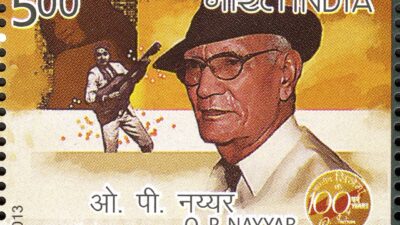
"Ae Dil Mujhe Bata De" from Bhai Bhai (1956), starring Ashok Kumar and Balraj Sahni and featuring music by O.P. Nayyar, is one of the finest romantic duets Geeta Dutt and Hemant Kumar recorded together. The song belongs to a tradition of Urdu poetry where the heart is addressed as a separate, autonomous entity — a beloved stranger who has made its own choices without consulting the mind. Majrooh Sultanpuri's lyrics frame the falling-in-love experience as a gentle interrogation: O heart, what has happened to you? Who have you fallen for? The answer, of course, is each other. Nayyar's composition gives the duet an unusual warmth — less of his characteristic driving brass, more of an intimate string-led texture.
संगीत The Music
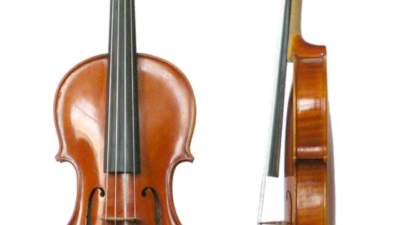
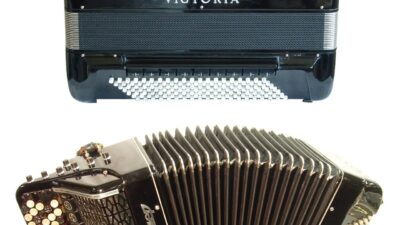
ओ.पी. नैयर ने इस युगल गीत के लिए असामान्य रूप से मृदु रंग चुने — उनकी अधिक प्रसिद्ध रिकॉर्डिंग्स की विशेषता वाले पीतल-वाद्य यहाँ तारवाद्यों और अकॉर्डियन से प्रतिस्थापित हैं। रचना भैरवी के भावनात्मक अंतरिक्ष पर टिकी है — गीता दत्त और हेमन्त कुमार पूर्णतः अनुकूल हैं, दोनों आवाज़ों में एक स्वाभाविक ऊष्मा और गहराई है।
अंग्रेज़ी में पढ़ें · Read in English
O.P. Nayyar chose an unusually soft palette for this duet — the driving brass sections that characterise his more famous recordings are here replaced by strings and accordion in a warmer, more intimate register. The composition is built on the emotional space of Bhairavi — though Nayyar does not follow the raag rigidly, the characteristic flat notes create the quality of gentle melancholy that suits the song's introspective tone. Geeta Dutt and Hemant Kumar are perfectly matched — both voices have a natural warmth and depth that creates the sensation of two people arriving at the same feeling from different directions.
काव्य The Poetry
मजरूह का दिल को 'तू' (घनिष्ठ द्वितीय पुरुष) के रूप में सम्बोधित करने का विधान उर्दू ग़ज़ल का एक शास्त्रीय उपकरण है — दिल एक अनियंत्रित साथी बन जाता है जो अपने खुद के साहसिक अभियान पर निकल गया है।
अंग्रेज़ी में पढ़ें · Read in English
Majrooh's conceit of addressing the heart as 'tu' (intimate second person) is a classical device from Urdu ghazal — the heart becomes a wayward companion who has gone off on its own adventure. The question 'Ae dil mujhe bata de' (O heart, tell me) is both bewilderment and a plea — tell me why this happened, tell me who this person is that you chose without consulting me.
कहानी The Story
'भाई भाई' (1956) दो भाइयों के संघर्ष पर केंद्रित एक नाटक था — विभाजन-पश्चात हिन्दी सिनेमा में पारिवारिक निष्ठा और सामाजिक परिवर्तन की खोज करने वाला एक सामान्य विषय। फ़िल्म में अशोक कुमार और बलराज साहनी ने अभिनय किया। ओ.पी. नैयर ने संगीत दिया और असामान्य रूप से हेमन्त कुमार — जो मुख्यतः एकल रोमांटिक आवाज़ के रूप में जाने जाते थे — को गीता दत्त के साथ युगल गीत में रखा।
अंग्रेज़ी में पढ़ें · Read in English
Bhai Bhai (1956) was a drama focusing on two brothers in conflict — a theme common in post-Partition Hindi cinema exploring family loyalty and social change. The film starred Ashok Kumar and Balraj Sahni, two of the era's most respected dramatic actors. O.P. Nayyar composed the music and took the unusual step of using Hemant Kumar — who was primarily known as a solo romantic voice — in a duet with Geeta Dutt, creating one of the most distinctive vocal pairings of the year.
विरासत The Legacy
यह गीत गीता दत्त के काम के पारखियों का पसंदीदा है — यह उनकी आवाज़ का एक अधिक नाज़ुक, आत्म-प्रश्न करने वाला पक्ष दिखाता है जो 'सी.आई.डी.' की आत्मविश्वासी छेड़छाड़ से अलग है।
अंग्रेज़ी में पढ़ें · Read in English
The song is a favourite among connoisseurs of Geeta Dutt's work — it shows a more vulnerable, self-questioning side of her voice than the confident coquetry of her CID numbers. The Geeta-Hemant pairing in this song has been cited as one of the most distinctive voice combinations of the Golden Era.
वर्गीकरण
Classification- Tempo
- Medium-Slow
Genre
अन्य विवरण
More Details- Wikipedia: Bhai Bhai (1956 film)
- Hindi Film Geet Kosh, Vol. 4, Harmandir Singh Hamraaz
- Geeta Dutt biography
References
रोचक तथ्य
Margin Notesहेमंत कुमार (हेमंत मुखर्जी) मुख्यतः एक एकल गायक के रूप में जाने जाते थे, और कहा जाता है कि इस युगल गीत में उनकी भागीदारी नैयर के विशेष आग्रह पर हुई।
अंग्रेज़ी में पढ़ें · Read in English
Hemant Kumar (Hemanta Mukherjee) was primarily known as a solo artist and his participation in this duet was reportedly at Nayyar's insistence.
फ़िल्म 'भाई भाई' (1956) उस दौर में बनी थी जब हिंदी सिनेमा में 'भाइयों के आपसी टकराव' वाली शैली अपने चरम पर थी — यह विभाजन के बाद परिवार और अपनेपन को लेकर व्याप्त चिंताओं को दर्शाती है।
अंग्रेज़ी में पढ़ें · Read in English
The film Bhai Bhai (1956) was produced at a time when the 'brothers in conflict' genre was at its peak in Hindi cinema, reflecting post-Partition anxieties about family and belonging.
मजरूह सुल्तानपुरी, ओ.पी. नैयर के पसंदीदा गीतकार थे — दोनों ने साथ मिलकर नैयर की कई सबसे प्रसिद्ध रचनाओं पर काम किया, जिससे उस दौर की सबसे सुसंगत गीतकार-संगीतकार साझेदारियों में से एक बनी।
अंग्रेज़ी में पढ़ें · Read in English
Majrooh Sultanpuri was O.P. Nayyar's preferred lyricist — the two worked together on many of Nayyar's most famous compositions, creating one of the most consistent lyricist-composer partnerships of the era.
नमूना-पट्टी
The Specimen Table| शीर्षक | ऐ दिल मुझे बता दे · Ae Dil Mujhe Bata De |
|---|---|
| वर्ष · युग | 1956 — Golden Era |
| गायक | Geeta Dutt, Hemant Kumar |
| गीतकार | Majrooh Sultanpuri |
| संगीतकार | O.P. Nayyar |
| स्वरूप | युगल |
| गति | Medium-Slow |
| अवधि | 3:30 |
| भाषा | Urdu · Hindi |
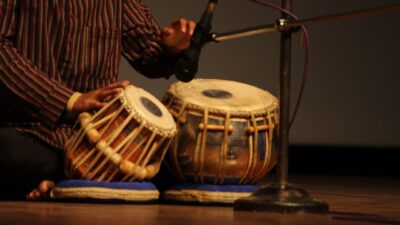
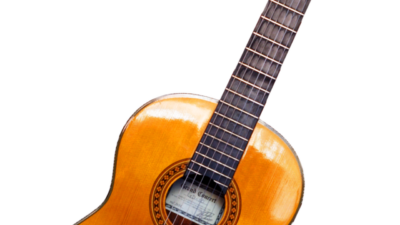
| वाद्य | violin · tabla · guitar · accordion |
| भाव | मीठा-कड़वा · रहस्यमय · रोमांटिक |
| लोकप्रियता | Popular |
| बोल-स्थिति | केवल झलक |
जुड़े हुए पन्ने
Connected Plates · The Graph Made Visibleअटलस में कोई पन्ना अकेला नहीं — इस गीत से जुड़े गीत, कलाकार, फ़िल्म, राग-ताल-विधा, सब यहाँ से खुलते हैं।
मिलते-जुलते गीत · Related Songs
कलाकार · The Artists
युग · The Era
साझा कीजिए · Share this Plate
यह पन्ना आगे बढ़ाइए
गीता और हेमन्त एक साथ उस बातचीत के दो पहलुओं की तरह लगते थे जो दिल रात के तीन बजे ख़ुद से करता है।
Geeta and Hemant together sounded like the two sides of a conversation the heart has with itself at 3am.
— Raju Bharatan
सवाल-जवाब
Questions & Answers'ऐ दिल मुझे बता दे' किसने गाया? · Who sang Ae Dil Mujhe Bata De?
'भाई भाई' (1956) के लिए गीता दत्त और हेमन्त कुमार ने यह युगल गाया, ओ.पी. नैयर का संगीत और मजरूह सुल्तानपुरी के बोल।
Geeta Dutt and Hemant Kumar sang this duet for the film Bhai Bhai (1956), with music by O.P. Nayyar and lyrics by Majrooh Sultanpuri.