गीत विंग · गीत-पट्टिका · Song Plate
आइए मेहरबाँ
Aaiye Meherbaan
जब आशा भोसले ने 'आइए मेहरबाँ' कहा — फ़िल्म की कुर्सियाँ भी झुक गईं।
भावआनंदित · चुलबुला · रोमांटिक
भाषाUrdu · Hindi गतिMedium-Fast स्वरूपएकल महिला
श्रेय
The Creditsबोल · The Lyrics
बोल — झलक · Lyrics Preview
शम्मे-महफ़िल में हम और आप
Shamme-mahfil mein hum aur aap
कॉपीराइट के कारण केवल झलक — पूरे बोल आधिकारिक मंचों पर।
शब्दकोश
Word Meaningsसूत्र-वाक्य · The Hook
सूत्र-वाक्य
जब आशा भोसले ने 'आइए मेहरबाँ' कहा — फ़िल्म की कुर्सियाँ भी झुक गईं।
In EnglishWhen Asha Bhosle said 'Aaiye Meherbaan,' even the film's prop chairs leaned forward.
पट्टिका-लेख
The Monographपरिचय Overview
आशा भोसले के सबसे प्रसिद्ध कैबरे नंबरों में से एक, 'आइए मेहरबाँ' 'तुमसा नहीं देखा' (1957) से — नियंत्रित आमंत्रण की एक उत्कृष्ट रचना। ओ.पी. नय्यर का जैज़-रंग पीतल-संयोजन, चलती सैक्सोफ़ोन बासलाइन और चुलबुला ट्रम्पेट, गाने को एक महानगरीय नाइटक्लब का एहसास देते हैं जो उस दौर के लिए चौंकाने वाला आधुनिक था। मजरूह सुल्तानपुरी का बोल शिष्ट आमंत्रण और जानकार मोहक-अंदाज़ से भरा है। आशा भोसले की आवाज़ — खुरदरी, चुलबुली — ने उन्हें हिंदी फ़िल्म के आकर्षक स्त्री-संगीत-भंडार की पहचानी आवाज़ बनाया।
अंग्रेज़ी में पढ़ें · Read in English
One of Asha Bhosle's most celebrated cabaret numbers, 'Aaiye Meherbaan' from Tumsa Nahin Dekha (1957) is a masterclass in controlled seduction — the warm, mischievous invitation of a woman completely in command of her stage. O.P. Nayyar's jazz-infused brass arrangement, with its walking saxophone bassline and playful trumpet, gives the song a cosmopolitan nightclub feel that was startlingly modern for its time. Majrooh Sultanpuri's verse is all gracious welcome and knowing charm. Asha Bhosle's voice — husky, playful, and utterly at ease — established her as the definitive singer of Hindi film's seductive feminine repertoire. The song appeared in Nasir Hussain's directorial debut, starring Shammi Kapoor and Ameeta.
संगीत The Music
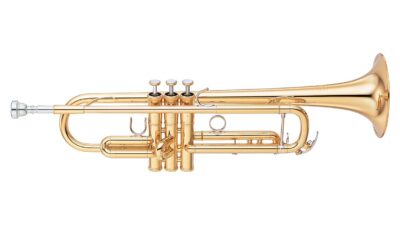
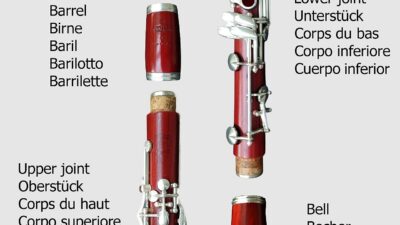
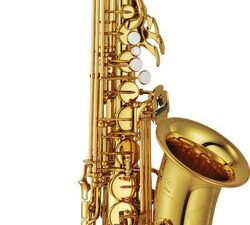
ओ.पी. नय्यर यहाँ अपनी सबसे पश्चिमी-प्रभावित व्यवस्था बनाते हैं — सैक्सोफ़ोन, ट्रम्पेट, क्लेरिनेट और ड्रम किट के साथ एक पूरा बैंड, ढोलक के नीचे, एक ऐसी हाइब्रिड नाइटक्लब ध्वनि बनाता है जो बंबई और ब्रॉडवे को मिलाती है। सैक्सोफ़ोन आशा की आवाज़ के नीचे एक प्रतिधुन बजाता है; ट्रम्पेट चमकीले धातु-धमाकों से विराम देता है। आशा की आवाज़ धीमी और खुरदरी है — वे प्रसारण-गायन नहीं, एक अंतरंग प्रदर्शन देती हैं। समग्र प्रभाव: जैसे आप किसी असाधारण भव्य 1950 के बंबई की शाम में आ गए हों।
अंग्रेज़ी में पढ़ें · Read in English
O.P. Nayyar creates his most Western-inflected arrangement here — a full band with saxophone, trumpet, clarinet, and drum kit underneath the dholak, creating a hybrid nightclub sound that blends Bombay with Broadway. The saxophone plays a melodic counter-line under Asha's voice, while the trumpet punctuates with bright brass stabs. The rhythm is fast Keherwa but feels almost like a slow swing. Asha's voice is pitched low and deliberately husky — she brings a quality of intimate performance rather than broadcast singing, as if she's in the room with the listener. The overall effect is of finding yourself inside an exceptionally glamorous 1950s Bombay evening.
काव्य The Poetry
मजरूह सुल्तानपुरी की यहाँ की शैली आनंद और सहजता में डूबी है। उनके अधिक विषादपूर्ण गीतों के विपरीत, यह बोल अपनी जगह पर महिला की सत्ता का उत्सव मनाता है। 'आइए मेहरबाँ' — एक साथ आमंत्रण और अधिकार का कथन है। 'बैठिए जानेमन' में उस शख़्स की सहजता है जो जानता है कोई मना नहीं करेगा। मजरूह सरल, बातचीत जैसी उर्दू इस्तेमाल करते हैं जो सहज लगती है, हालाँकि सावधानी से बनाई गई है।
अंग्रेज़ी में पढ़ें · Read in English
Majrooh Sultanpuri's lyrical style here is all pleasure and ease. Unlike his more melancholic songs, this verse revels in the woman's power over her space. 'Aaiye Meherbaan' (Come, kind one) is simultaneously an invitation and a statement of authority — the hostess controls the evening. 'Baithiye jaaneman' (sit, sweetheart) has the ease of someone who knows no one will refuse. Majrooh uses simple, conversational Urdu that sounds spontaneous even though it is meticulously crafted.
कहानी The Story
'तुमसा नहीं देखा' नासिर हुसैन की पहली फ़िल्म थी निर्देशक के रूप में — वे बाद में बॉलीवुड के सबसे सफल व्यावसायिक फ़िल्मकारों में से एक बने। यह रोमांटिक कॉमेडी फ़िल्म में शम्मी कपूर एक प्रारंभिक भूमिका में थे, जिसने उनकी लापरवाह-ऊर्जावान परदे-छवि को परिभाषित करने में मदद की। इस गाने का कैबरे दृश्य अभिनेत्री अमीता के साथ फ़िल्माया गया। ओ.पी. नय्यर ने यह गाना ख़ास तौर पर यह दिखाने के लिए बनाया कि रफ़ी-आशा-नय्यर की तिकड़ी अलग-अलग कलाकारों के साथ क्या कर सकती है।
अंग्रेज़ी में पढ़ें · Read in English
Tumsa Nahin Dekha was Nasir Hussain's first film as director — he would go on to become one of Bollywood's most commercially successful filmmakers. The film was a rom-com romp starring Shammi Kapoor in an early role that helped define his carefree, energetic screen persona. The cabaret scene with this song was filmed with actress Ameeta, who was known for such bold, glamorous roles. O.P. Nayyar composed the song specifically to show off what the Rafi-Asha-Nayyar trio could do with different performers — Nayyar considered Asha's voice 'the only one that doesn't need the film to make sense; it makes its own world.'
विरासत The Legacy
यह गाना आशा भोसले की 'आकर्षक-गायिका' पहचान की नींव माना जाता है — एक छवि जो उनके करियर का बड़ा हिस्सा परिभाषित करेगी और उन्हें साहसी, ग्लैमरस, कैबरे-शैली के नंबरों की मानक आवाज़ बनाएगी। इसने बॉलीवुड में महिला-गायिकाओं के विभाजन को प्रभावित किया: लता पुण्यशीली नायिका के लिए, आशा जीवंत, संवेदनशील महिला के लिए। 1990 के दशक में कई रीमिक्स संस्करणों ने इसे नई पीढ़ी तक पहुँचाया।
अंग्रेज़ी में पढ़ें · Read in English
This song is universally considered the foundational moment of Asha Bhosle's identity as a 'seductive' singer — a characterisation that would define a large part of her career and lead to her becoming the go-to voice for bold, glamorous, cabaret-style numbers. It influenced how female singers were differentiated in Bollywood: Lata for the virtuous heroine, Asha for the spirited, sensual woman. The song appears on every Asha Bhosle compilation and has been remixed and covered countless times. The 1990s saw several remix versions that brought it to new audiences.
वर्गीकरण
Classification- Tempo
- Medium-Fast
Genre
अन्य विवरण
More Details- Wikipedia: 'Tumsa Nahin Dekha' — en.wikipedia.org/wiki/Tumsa_Nahin_Dekha_(1957_film)
- Wikipedia: 'Asha Bhosle' — en.wikipedia.org/wiki/Asha_Bhosle
- Wikipedia: 'Majrooh Sultanpuri' — en.wikipedia.org/wiki/Majrooh_Sultanpuri
- Anirudha Bhattacharjee & Balaji Vittal, 'Gaata Rahe Mera Dil' (2011) — HarperCollins
References
रोचक तथ्य
Margin Notesइस गीत को आशा भोसले की 'कैबरे आवाज़' का आदर्श नमूना माना जाता है — वह भारी, आत्मीय स्वर जिसे उन्होंने आगे के सभी नाइटक्लब और आइटम गीतों के लिए अपनाया।
अंग्रेज़ी में पढ़ें · Read in English
This song is considered the template for the Asha Bhosle 'cabaret voice' — the husky, intimate register she adopted for all subsequent nightclub and item numbers.
नासिर हुसैन की 'तुमसा नहीं देखा' (1957) ने शम्मी कपूर के मुख्य अभिनेता के रूप में करियर की शुरुआत की, और ओ.पी. नैयर के संगीत की सफलता ने नासिर हुसैन की फ़िल्मों और ओ.पी. नैयर के बीच एक लंबी साझेदारी की नींव रखी।
अंग्रेज़ी में पढ़ें · Read in English
Nasir Hussain's Tumsa Nahin Dekha (1957) launched Shammi Kapoor's career as a leading man, and the success of its music by O.P. Nayyar led to a long partnership between Nasir Hussain films and O.P. Nayyar.
कहा जाता है कि इस रिकॉर्डिंग में सैक्सोफोन बंबई के नाइटक्लब सर्किट के एक पुर्तगाली-गोवा मूल के वादक ने बजाया था — उनका नाम कभी श्रेय-सूची में दर्ज नहीं हुआ।
अंग्रेज़ी में पढ़ें · Read in English
The saxophone player on the recording was reportedly a Portuguese-Goan musician from the Bombay nightclub circuit — his name was never credited.
1957 के हिसाब से यह गीत साहसिक माना गया और रूढ़िवादी आलोचकों की आपत्तियों का सामना करना पड़ा, जिन्होंने इसे 'बहुत ज़्यादा पश्चिमी' करार दिया — कहा जाता है कि नासिर हुसैन ने इस आलोचना को सिरे से ख़ारिज कर दिया।
अंग्रेज़ी में पढ़ें · Read in English
The song was considered bold for 1957 and faced some objections from conservative critics who called it 'too Westernised' — Nasir Hussain reportedly dismissed the criticism.
कहा जाता है कि ओ.पी. नैयर ने कहा था कि आशा भोसले उनकी आदर्श गायिका थीं क्योंकि 'वे दिल से नहीं गातीं; वे वहाँ से गाती हैं जहाँ गीत को उनकी ज़रूरत होती है।'
अंग्रेज़ी में पढ़ें · Read in English
O.P. Nayyar is reported to have said that Asha Bhosle was his ideal singer because 'she doesn't sing from the heart; she sings from wherever the song needs her to be.'
नमूना-पट्टी
The Specimen Table| शीर्षक | आइए मेहरबाँ · Aaiye Meherbaan |
|---|---|
| वर्ष · युग | 1957 — Golden Era |
| गायक | Asha Bhosle |
| गीतकार | Majrooh Sultanpuri |
| संगीतकार | O.P. Nayyar |
| स्वरूप | एकल महिला |
| गति | Medium-Fast |
| अवधि | 3:30 |
| भाषा | Urdu · Hindi |
| वाद्य | trumpet · clarinet · saxophone · dholak · tabla |
| भाव | आनंदित · चुलबुला · रोमांटिक |
| लोकप्रियता | Very_popular |
| बोल-स्थिति | केवल झलक |
जुड़े हुए पन्ने
Connected Plates · The Graph Made Visibleअटलस में कोई पन्ना अकेला नहीं — इस गीत से जुड़े गीत, कलाकार, फ़िल्म, राग-ताल-विधा, सब यहाँ से खुलते हैं।
मिलते-जुलते गीत · Related Songs
कलाकार · The Artists
युग · The Era
साझा कीजिए · Share this Plate
यह पन्ना आगे बढ़ाइए
वह दिल से नहीं गाती; वह वहाँ से गाती है जहाँ गाना उसे चाहता है।
She doesn't sing from the heart; she sings from wherever the song needs her to be.
— O.P. Nayyar, on Asha Bhosle
सवाल-जवाब
Questions & Answers'आइए मेहरबाँ' किसने गाया? · Who sang 'Aaiye Meherbaan'?
आशा भोसले ने 'तुमसा नहीं देखा' (1957) के लिए यह प्रसिद्ध कैबरे गाना गाया। निर्देशक नासिर हुसैन, संगीत ओ.पी. नय्यर और बोल मजरूह सुल्तानपुरी के थे। इसे अभिनेत्री अमीता पर फ़िल्माया गया।
Asha Bhosle sang this iconic cabaret song for the film Tumsa Nahin Dekha (1957), directed by Nasir Hussain. The music was by O.P. Nayyar and lyrics by Majrooh Sultanpuri. It was filmed on actress Ameeta.
क्या 'तुमसा नहीं देखा' नासिर हुसैन की पहली फ़िल्म थी? · Was Tumsa Nahin Dekha Nasir Hussain's first film?
हाँ। 'तुमसा नहीं देखा' (1957) नासिर हुसैन की पहली फ़िल्म थी निर्देशक के रूप में। शम्मी कपूर अभिनीत यह फ़िल्म बड़ी सफल रही और इसने हुसैन के निर्देशन-करियर और शम्मी कपूर की मुख्य-नायक छवि दोनों को स्थापित किया।
Yes. Tumsa Nahin Dekha (1957) was Nasir Hussain's directorial debut. It starred Shammi Kapoor and became a major commercial success, launching both Hussain's directorial career and establishing Shammi Kapoor as a leading hero.