गीत विंग · गीत-पट्टिका · Song Plate
ख़याल और ठुमरी — हीराबाई बड़ोदेकर के तवे
Khayal and Thumri Sides — Hirabai Barodekar
अब्दुल करीम ख़ाँ की बेटी घराने को दरबार से निकालकर दरवाज़े पर टिकट बेचने ले आई — और बाक़ी रास्ता तवों ने तय करा दिया।
भावभक्ति · शांत
भाषाBraj · Hindi · Marathi
श्रेय
The Creditsशब्दकोश
Word Meaningsसूत्र-वाक्य · The Hook
सूत्र-वाक्य
अब्दुल करीम ख़ाँ की बेटी घराने को दरबार से निकालकर दरवाज़े पर टिकट बेचने ले आई — और बाक़ी रास्ता तवों ने तय करा दिया।
In EnglishAbdul Karim Khan's daughter took the gharana out of the durbar and sold tickets at the door — and the discs carried her the rest of the way.
पट्टिका-लेख
The Monographपरिचय Overview
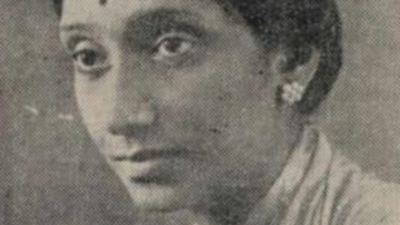
“ख़याल और ठुमरी — हीराबाई बड़ोदेकर के तवे” किराना घराने की युवा सितारा — अब्दुल करीम ख़ाँ की बेटी — के लगभग 1927 के तवों का प्रतिनिधि है, जो एक साथ टिकटवाले शास्त्रीय कॉन्सर्ट का आविष्कार कर रही थीं और ग्रामोफ़ोन को उसकी सबसे प्रतिष्ठित स्त्री शास्त्रीय आवाज़ दे रही थीं।
अंग्रेज़ी में पढ़ें · Read in English
“Khayal and Thumri Sides — Hirabai Barodekar” represents the c. 1927 discs of the young Kirana gharana star — Abdul Karim Khan's daughter — who was simultaneously inventing the ticketed classical concert and giving the gramophone its most respectable female classical voice.
संगीत The Music
हीराबाई को किराना का आदर्श विरासत में मिला — लंबा, ठहरा हुआ सुर; नदी के पत्थर-सा माँजा हुआ स्वर — और उन्होंने उसे ऐसा मुलायम किया कि शहरी श्रोता पहली सुनवाई में मोहित हो जाए। उनके तवे उस ठहराव को तोड़े बिना तीन मिनट में समेटते हैं: साँस की तरह थमी ख़याल की स्थायी, और महफ़िली नख़रे की जगह बेटी-जैसी कोमलता से कही गई ठुमरी।
अंग्रेज़ी में पढ़ें · Read in English
Hirabai inherited the Kirana ideal — the long, still note, the swara polished like a riverbed stone — and softened it into something a city audience could love at first hearing. Her disc sides compress that repose into three minutes without breaking it: a khayal sthayi held like a breath, a thumri turned with daughterly tenderness rather than salon coquetry.
काव्य The Poetry
पाठ परंपरा के ही थे — कृष्ण और प्रियतम को संबोधित बंदिशें, प्रतीक्षा की ठुमरियाँ — पर उनके कंठ में इन्हें नया सामाजिक अर्थ मिला: यह दरबारी संगीत था जो अब परिवार-श्रोता को — स्त्रियों और बच्चों समेत — उन्हीं टिकटवाले सभागारों में पुनः संबोधित था, जिन्हें गढ़ने में हीराबाई की भूमिका थी।
अंग्रेज़ी में पढ़ें · Read in English
The texts were the tradition's own — bandishes to Krishna and the beloved, thumris of waiting — but in her mouth they acquired a new social meaning: this was court music re-addressed to the family audience, women and children included, in the ticketed halls she helped invent.
कहानी The Story
अब्दुल करीम ख़ाँ और ताराबाई माने की संतान, चाचा अब्दुल वहीद ख़ाँ की कठोर तालीम में तपी हीराबाई 1920 के दशक के आरंभ में सार्वजनिक मंच पर आईं और 1927 तक एक परिघटना बन चुकी थीं: एक प्रतिष्ठित महाराष्ट्रीय स्त्री, जो टिकट पर ख़याल गाती थी, दौरे करती थी, रिकॉर्ड कराती थी। शास्त्रीय और लोकप्रिय के बीच पुल बननेवाली आवाज़ों की भूखी ग्रामोफ़ोन कंपनियों को उनमें अपना आदर्श कलाकार मिला।
अंग्रेज़ी में पढ़ें · Read in English
Born of Abdul Karim Khan and Tarabai Mane, trained in secret rigour by her uncle Abdul Wahid Khan, Hirabai stepped onto the public stage in the early 1920s and by 1927 was a phenomenon: a respectable Maharashtrian woman singing khayal for tickets, touring, recording. The gramophone companies, hungry for voices that bridged the classical and the popular, found in her their ideal artist.
विरासत The Legacy
हीराबाई के 1920 के दशक के उत्तरार्ध के तवे उस क्षण का प्रलेखन हैं जब भारतीय शास्त्रीय संगीत को अपना आधुनिक श्रोता — कॉन्सर्ट-जनता — मिला, और स्त्री शास्त्रीय-पेशेवर को दरबार या महफ़िल की ज़रूरत नहीं रही। मराठी घरों की पीढ़ियों ने किराना की आवाज़ उनके रिकॉर्डों और प्रसारणों से सीखी।
अंग्रेज़ी में पढ़ें · Read in English
Hirabai's late-1920s discs document the moment Indian classical music found its modern audience — the concert public — and the female classical professional ceased to need a court or a salon. Generations of Marathi households learnt the sound of Kirana from her records and broadcasts.
वर्गीकरण
ClassificationGenre
अन्य विवरण
More Details- Hirabai Barodekar — Wikipedia
- Michael Kinnear's early Indian discographies (Bajakhana)
References
रोचक तथ्य
Margin Notesहीराबाई भारत में टिकटवाले सार्वजनिक शास्त्रीय कॉन्सर्ट की अग्रदूतों में थीं — आज की सामान्य बात, 1920 के दशक की छोटी-सी क्रांति।
अंग्रेज़ी में पढ़ें · Read in English
Hirabai was among the pioneers of the ticketed public classical concert in India — a commonplace today, a small revolution in the 1920s.
उनके गुरु प्रसिद्ध पिता नहीं, पिता के चचेरे भाई अब्दुल वहीद ख़ाँ थे — किराना उस्तादों में सबसे तपस्वी।
अंग्रेज़ी में पढ़ें · Read in English
Her teacher was not her famous father but his cousin Abdul Wahid Khan, the most austere of Kirana masters.
नमूना-पट्टी
The Specimen Table| शीर्षक | ख़याल और ठुमरी — हीराबाई बड़ोदेकर के तवे · Khayal and Thumri Sides — Hirabai Barodekar |
|---|---|
| वर्ष · युग | 1927 — Gramophone Era |
| गायक | Hirabai Barodekar |
| गीतकार | पारंपरिक ख़याल-ठुमरी पाठ |
| अवधि | 03:15 |
| भाषा | Braj · Hindi · Marathi |
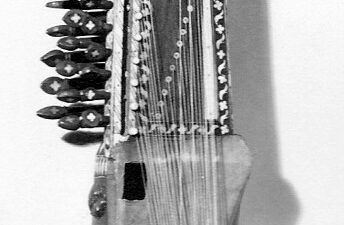
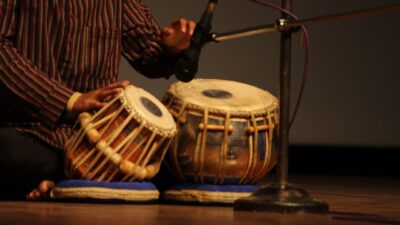
| वाद्य | Vocals · sarangi · tabla · tanpura |
| भाव | भक्ति · शांत |
| बोल-स्थिति | सार्वजनिक |
जुड़े हुए पन्ने
Connected Plates · The Graph Made Visibleअटलस में कोई पन्ना अकेला नहीं — इस गीत से जुड़े गीत, कलाकार, फ़िल्म, राग-ताल-विधा, सब यहाँ से खुलते हैं।
मिलते-जुलते गीत · Related Songs
कलाकार · The Artists
युग · The Era
साझा कीजिए · Share this Plate