गीत विंग · गीत-पट्टिका · Song Plate
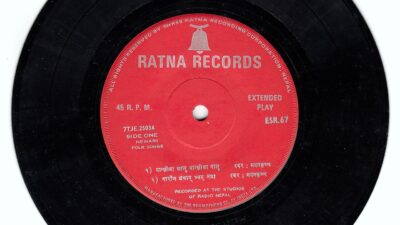
ख़याल-तराना तवे
Khayal and Tarana Sides
आगरा की गरज, भोंपू की कोर पर बोतलबंद।
भावMajestic
भाषाbraj
श्रेय
The Creditsसूत्र-वाक्य · The Hook
सूत्र-वाक्य
आगरा की गरज, भोंपू की कोर पर बोतलबंद।
In EnglishAgra's thunder, bottled at the horn's edge.
पट्टिका-लेख
The Monographपरिचय Overview
फ़ैयाज़ ख़ाँ के ध्वनिक तवे घराने के सबसे भव्य स्वर को तीन-तीन मिनट के चौखटों में कसते हैं — नोम-तोम की कौंध, बंदिश की ठसक, तराने की दौड़ — वे दस्तावेज़ जिन्होंने 'आफ़ताब-ए-मौसीक़ी' को दरबारों के पार पहुँचाया, इससे पहले कि बिजली उनके गंभीर स्वर की पूरी गहराई तवे पर उतारती।
अंग्रेज़ी में पढ़ें · Read in English
Faiyaz Khan's acoustic sides compress the gharana's grandest voice into three-minute frames — nom-tom flashes, a bandish's proud strut, a tarana sprint — the documents that carried 'Aftab-e-Mausiqi' beyond the courts before electricity gave his baritone its full depth on disc.
संगीत The Music
ध्वनिक रफ़्तार पर ध्रुपद-अंग का वज़न — भोंपू वैभव को लघुचित्र बनने पर विवश करता है।
अंग्रेज़ी में पढ़ें · Read in English
Dhrupad-anga weight at acoustic speed — the horn forces brilliance into miniature.
काव्य The Poetry
ब्रज की दरबारी बंदिशें — स्तुति, शृंगार और तराने का निराकार आनंद।
अंग्रेज़ी में पढ़ें · Read in English
Court bandish texts in Braj — praise, shringar and the tarana's abstract joy.
कहानी The Story
फ़ैयाज़ ख़ाँ के 1925 के एचएमवी रिकॉर्डिंग सत्र उनकी प्रतिष्ठा के सबसे विवादित वर्ष के साथ मेल खाते थे: उनके पास मैसूर और बड़ौदा दोनों दरबारों में नियुक्तियाँ थीं, और उनके सार्वजनिक कॉन्सर्ट ने आगरा घराने को उत्तर भारतीय संगीत में सबसे दृश्यमान शास्त्रीय संस्था बना दिया था। फिर भी ग्रामोफ़ोन के तवों ने कुछ ऐसी माँग की जो उनके दरबारी प्रदर्शन में कभी नहीं होती थी — संक्षिप्तता। विलंबित ख़याल पूरे कॉन्सर्ट में चालीस मिनट तक चल सकता था; मोम मास्टर साढ़े तीन की अनुमति देता था। फ़ैयाज़ ख़ाँ का तरीक़ा — जिसे उनके सत्रों में उपस्थित समकालीनों ने दर्ज किया — एक संक्षिप्त कॉन्सर्ट नहीं, बल्कि एक अलग तरह का प्रदर्शन रिकॉर्ड करना था: क्रमिक विस्तार के बजाय एक स्फटिकीय उद्घाटन आलाप, कॉन्सर्ट-भार पर बंदिश पर विस्तृत सुधार के बिना, और समापन के रूप में एक तराना-दौड़। परिणामी तवे संक्षिप्त हैं पर अपमानित नहीं — आगरा शैली की दमदार गरिमा ध्वनिक भोंपू की संपीडन में भी पूरी तरह मौजूद है। ये 1925 के तवे उनकी अंतिम ध्वनिक रिकॉर्डिंग में से थे।
अंग्रेज़ी में पढ़ें · Read in English
Faiyaz Khan's 1925 recording sessions for HMV coincided with the most contested year of his reputation: he held appointments at both Mysore and Baroda courts, and his public concerts had made the Agra gharana the most visible classical institution in North Indian music. Yet the gramophone discs demanded something his darbar performances never required — brevity. A vilambit khayal in full concert could last forty minutes; the wax master permitted three and a half. Faiyaz Khan's approach, documented by contemporaries who attended his sessions, was to record not an abridged concert but a different kind of performance: a crystallised opening alap in place of the gradual vista, a bandish rendered at concert weight but without the extended improvisation, and a tarana as a sprint finale. The resulting sides are compact but not diminished — the baritone grandeur of the Agra style is fully present even within the acoustic horn's compression. These 1925 sides were among his last acoustic recordings; within a year or two, the electrical system would arrive and give his voice, for the first time on disc, its true depth and resonance.
विरासत The Legacy
संग्राहक इन्हें उनकी प्रसिद्ध बिजली-युग भैरवी/परज रिकॉर्डिंगों का 'पूर्व-पक्ष' मानते हैं।
अंग्रेज़ी में पढ़ें · Read in English
Collectors prize these as the 'before' to his celebrated electric Bhairavi/Paraj sides.
वर्गीकरण
ClassificationGenre
अन्य विवरण
More Details- Wikipedia: Faiyaz Khan (musician)
- Wikipedia: Agra gharana
- Sanyal & Widdess. Dhrupad: Tradition and Performance in Indian Music (2004)
- Ranade, Ashok. Hindi Film Song (2006)
- ARSC Journal documentation of early Indian 78rpm transfers
References
रोचक तथ्य
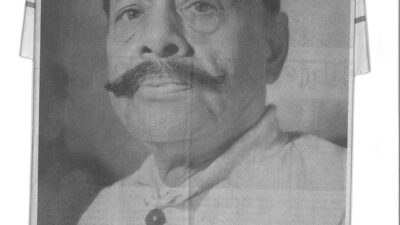
Margin Notesफैयाज़ खान (1880-1950) आगरा घराने के ग़ुलाम अब्बास खान के सीधे शिष्य थे और अपनी संगीत वंशावली को तानसेन के वंशजों से जोड़ते थे — यह दावा घराने की प्रतिष्ठा के केंद्र में है।
अंग्रेज़ी में पढ़ें · Read in English
Faiyaz Khan (1880–1950) was a direct disciple of Ghulam Abbas Khan of the Agra gharana and traced his musical lineage through Tansen's descendants, a claim central to the gharana's prestige.
राग भूपाली, यमन और दरबारी कानड़ा में उनकी ख़याल रिकॉर्डिंग्स 1920 के दशक की सबसे अधिक बिकने वाली शास्त्रीय डिस्कों में से थीं और गंधर्व महाविद्यालय परंपरा से संबद्ध संगीत विद्यालयों में शिक्षण सामग्री के रूप में उपयोग की जाती थीं।
अंग्रेज़ी में पढ़ें · Read in English
His khayal recordings in raags Bhupali, Yaman, and Darbari Kanada were among the most widely sold classical discs of the 1920s and were used as teaching material at music schools affiliated with the Gandharva Mahavidyalaya tradition.
आगरा घराने का "नोम-तोम" आलाप — "ना री री री ना" जैसे शब्दांशों का उपयोग करते हुए धीमी अन्वेषण-शैली — अपने सुदीर्घ, मृदु गुण के कारण रिकॉर्ड करना तकनीकी रूप से कठिन था; फैयाज़ खान की इसे ध्वनिक मोम पर स्पष्टता से प्रस्तुत करने की क्षमता का उस समय के समीक्षकों ने विशेष उल्लेख किया।
अंग्रेज़ी में पढ़ें · Read in English
The Agra gharana's 'nom-tom' alap — a form of slow exploration using the syllables 'na ri ri ri na' — was technically difficult to record because of its sustained, soft quality; Faiyaz Khan's ability to project it cleanly on acoustic wax was noted by commentators of the time.
शाही दरबार में नियुक्ति होने के बावजूद, फैयाज़ खान एक उत्साही ग्रामोफोन कलाकार थे, जिन्हें कथित तौर पर अपनी ही रिकॉर्डिंग्स सुनना पसंद था; इस माध्यम के प्रति उनका दृष्टिकोण उन कुछ समकालीनों से भिन्न था जो रिकॉर्डिंग को गरिमा के विपरीत मानते थे।
अंग्रेज़ी में पढ़ें · Read in English
Despite holding royal court appointments, Faiyaz Khan was an enthusiastic gramophone artist who reportedly enjoyed listening to his own recordings; his attitude toward the medium contrasted with some peers who considered recording undignified.
उनकी 1925 की रिकॉर्डिंग्स आज निजी संग्रहों और ए.आर.एस.सी. (एसोसिएशन फॉर रिकॉर्डेड साउंड कलेक्शन्स) द्वारा किए गए स्थानांतरणों के माध्यम से डिजिटल रूप में उपलब्ध हैं; लाइब्रेरी ऑफ कांग्रेस के दक्षिण एशियाई संगीत संग्रह में उनकी कई ध्वनिक-युगीन रिकॉर्डिंग्स सुरक्षित हैं।
अंग्रेज़ी में पढ़ें · Read in English
His 1925 sides exist today in digitised form through private collections and ARSC (Association for Recorded Sound Collections) transfers; the Library of Congress holds several of his acoustic-era recordings in its South Asian music holdings.
नमूना-पट्टी
The Specimen Table| शीर्षक | ख़याल-तराना तवे · Khayal and Tarana Sides |
|---|---|
| वर्ष · युग | 1925 |
| गायक | Faiyaz Khan |
| गीतकार | पारंपरिक |
| भाषा | braj |
| भाव | Majestic |
| लोकप्रियता | Popular |
| बोल-स्थिति | सार्वजनिक |
जुड़े हुए पन्ने
Connected Plates · The Graph Made Visibleअटलस में कोई पन्ना अकेला नहीं — इस गीत से जुड़े गीत, कलाकार, फ़िल्म, राग-ताल-विधा, सब यहाँ से खुलते हैं।
मिलते-जुलते गीत · Related Songs
कलाकार · The Artists
साझा कीजिए · Share this Plate