सिनेमा विंग · फ़िल्म-पट्टिका · Film Plate
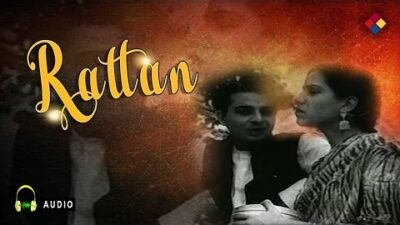
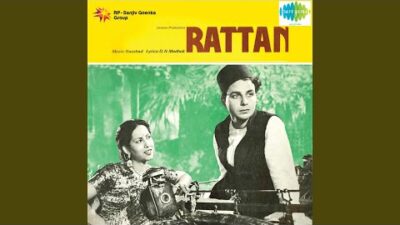
रत्तन
Rattan
शैलीRomance · Drama
भाषाhindi प्रकारकथा-चित्र (फ़ीचर)
गीत13 — नीचे पूरी संगीत-सूची
कथा-सार
Synopsis'रत्तन' एक रोमांटिक नाटक है — परिवारी विरोध के बीच प्रेम की परंपरागत कहानी — लेकिन यह ढाँचा मुख्यतः उस संगीत का वाहन था जो भारतीय सिनेमा के सबसे चर्चित गीत-संकलनों में से एक बनने वाला था। निर्देशक एम. सादिक़ ने युवा नौशाद को पूरी रचनात्मक स्वतंत्रता दी — और नतीजा एक ऐसा संगीत था जिसने लखनवी शास्त्रीय नफ़ासत, UP की लोक-धुनों और पंजाबी तालों को उस ढंग से मिलाया जो बंबई की किसी फ़िल्म ने पहले नहीं किया था।
अंग्रेज़ी में पढ़ें · Read in English
Rattan is a romantic drama whose plot — a conventional love story with family opposition — served primarily as the vehicle for what would become one of Indian cinema's most celebrated soundtracks. Director M. Sadiq gave the young Naushad full creative latitude, and the result was a score that fused Lucknowi classical refinement with UP folk melodies and Punjabi rhythms in a way no Bombay film had previously achieved. The film was a massive commercial success, and its songs dominated the gramophone market for years.
संगीत-सूची
The Soundtrackनौशाद का 'रत्तन' का संगीत राग-आधारित धुनों पर टिका है जिन्हें लोक-वाद्यों में सजाया गया: सारंगी, सितार, तबला, ढोलक, और उनका विशिष्ट बड़े तार-वाद्य खंड का प्रयोग। गीतकार डी.एन. माधोक ने ऐसे बोल दिए जो पढ़े-लिखे श्रोता की नफ़ीस उर्दू और आम जनता की सुलभ हिंदी — दोनों में काम करते थे। ज़ोहराबाई अम्बालेवाली की आवाज़ इस एलबम का सोनिक केंद्र है।
अंग्रेज़ी में पढ़ें · Read in English
Naushad's score for Rattan is built on raag-based melodies dressed in folk orchestration: sarangi, sitar, tabla, dholak, and his characteristic use of a large string section. The lyricist D.N. Madhok provided verses that worked in both the refined Urdu of the educated listener and the accessible Hindi of the wider public. Zohrabai Ambalewali's voice is the sonic centre of the album.
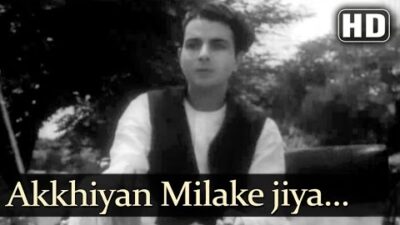
- अँखियाँ मिला के जिया भरमा के Akhiyan Mila Ke Jiya Bharma Ke स्वर: Zohrabai Ambalewali
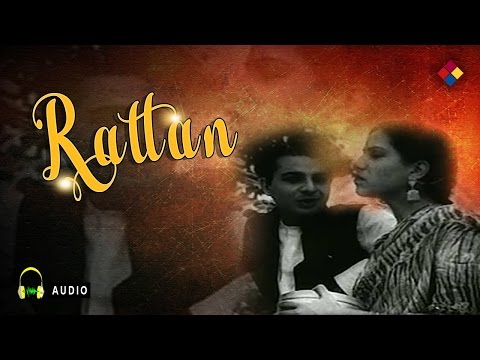
- रुमझुम बरसे बादरवा Rum Jhum Barse Badarwa स्वर: Zohrabai Ambalewali
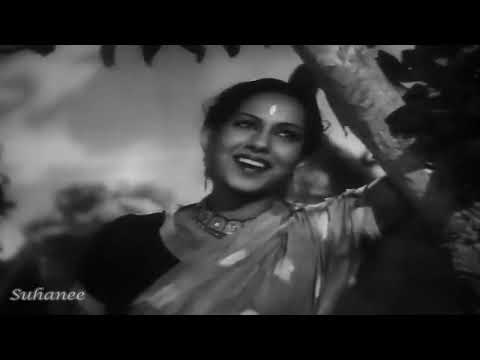
- मिल के बिछड़ गई अँखियाँ Mil Ke Bichhad Gayi Ankhiyan स्वर: Amirbai Karnataki
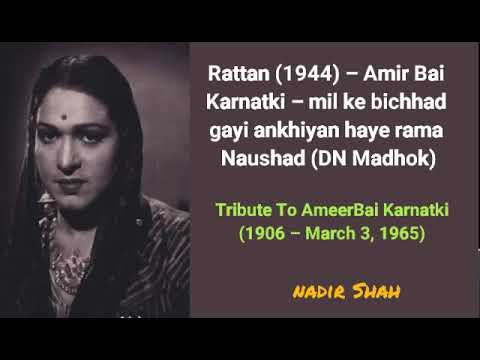
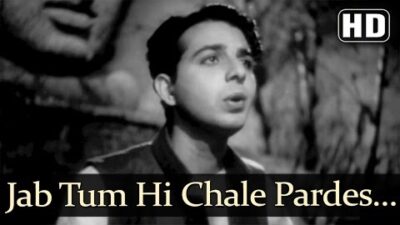
- जब तुम ही चले परदेस Jab Tum Hi Chale Pardes स्वर: Karan Dewan
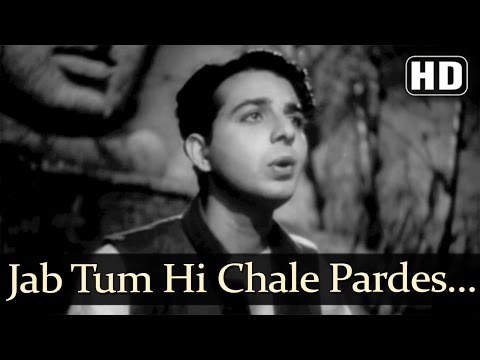
- ओ जानेवाले बालमवा लौट के आ O Janewale Balamwa Laut Ke Aa स्वर: Amirbai Karnataki, Shyam Kumar
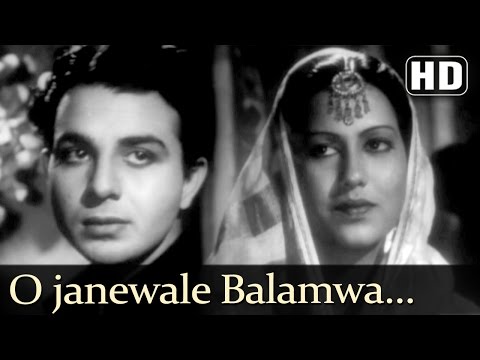
- परदेसी बलमा Pardesi Balma स्वर: Zohrabai Ambalewali
- आई दिवाली आई दिवाली Aayi Diwali Aayi Diwali स्वर: Zohrabai Ambalewali
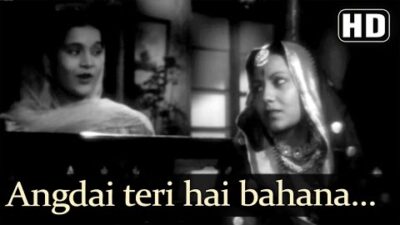
- अंगड़ाई तेरी है बहाना Angdai Teri Hai Bahana स्वर: Manju
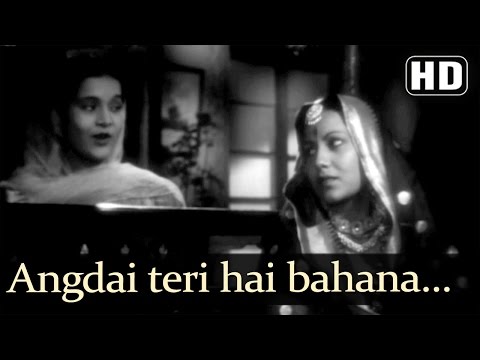
- झूठे हैं सब सपने सुहाने Jhoothe Hain Sab Sapne Suhane स्वर: Manju
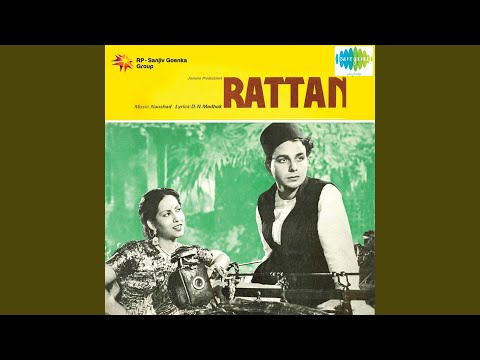
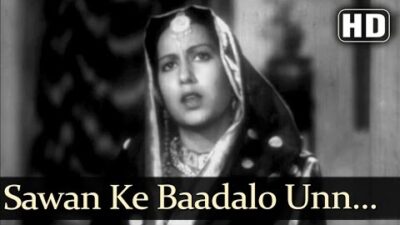
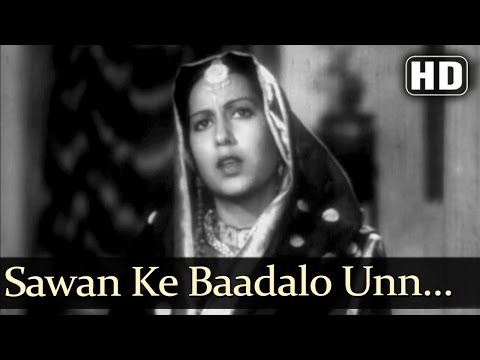
- सावन के बादलो उनसे ये जा कहो Sawan Ke Badlo Unse Ye Ja Kaho स्वर: Karan Dewan, Zohrabai Ambalewali
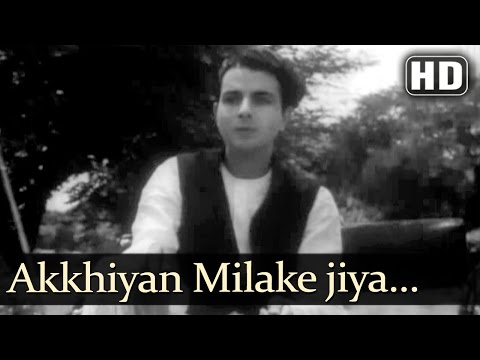
- अँखियाँ मिलाके नैना से नैना Ankhiyan Milake Naina Se Naina स्वर: Zohrabai Ambalewali
- रूठे हो तुम तुमको कैसे मनाऊँ Ruthe Ho Tum Tumko Kaise Manaun स्वर: Karan Dewan, Swarnlata
- सावन के बादलो रुत है सुहानी Sawan Ke Badlo Rut Hai Suhani स्वर: Zohrabai Ambalewali
पट्टिका-लेख
The Monographपर्दे के पीछे Behind the Scenes
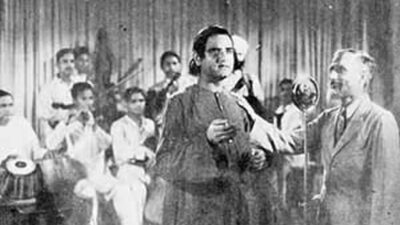
नौशाद जब 'रत्तन' बना रहे थे तब उनकी उम्र लगभग पचीस थी — बताया जाता है कि हारमोनियम बजाकर निर्माता जयमिनी दीवान को प्रभावित करने के बाद उन्हें यह काम मिला। उन्होंने अपने लखनऊ के बचपन से ख़ुराक ली — जहाँ उन्होंने शहर की दरबारी संस्कृति की शास्त्रीय नफ़ासत के साथ-साथ आसपास के गाँवों के लोकगीत भी आत्मसात किए थे।
अंग्रेज़ी में पढ़ें · Read in English
Naushad was in his mid-twenties when he composed Rattan — reportedly given the assignment after impressing producer Jaimini Dewan with his harmonium playing. He drew on his Lucknow childhood, where he had absorbed the folk songs of the surrounding countryside alongside the classical refinements of the city's court culture. The folk melodies he wove into 'Ankhiyan Milake' and 'Sawan Ke Badlo' were drawn from his Purvanchal memory rather than from existing compositions.
महत्व Significance
'रत्तन' नौशाद की सफलता की बुनियाद और उनके 'उत्तर भारतीय शास्त्रीय-लोक संश्लेषण' का संस्थापक-दस्तावेज़ है — वह संश्लेषण जो 1950 के दशक तक हिंदी फ़िल्मी संगीत को परिभाषित करने वाला था।
अंग्रेज़ी में पढ़ें · Read in English
Rattan is Naushad's breakthrough film and the founding document of his 'north Indian classical-folk synthesis' that would define Hindi film music through the 1950s. Its commercial success — the soundtrack sold unprecedented numbers of 78-rpm records — demonstrated that a musically serious approach need not sacrifice popular appeal.
विरासत Legacy
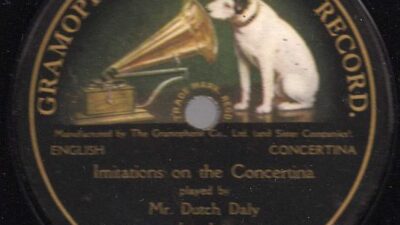
'रत्तन' के बाद जिस भी संगीतकार ने 'हिंदी सिनेमा में लोकसंगीत लाने' की बात की, वे उसी राह पर चल रहे थे जो नौशाद ने यहाँ खोली। इस फ़िल्म का संगीत दशकों तक ग्रामोफ़ोन-भंडार में बना रहा और इसके गीत आज भी भारतीय शादियों और त्योहारों में गाए जाते हैं।
अंग्रेज़ी में पढ़ें · Read in English
Every composer who after Rattan spoke of 'bringing folk music into Hindi cinema' was following the path Naushad opened here. The film's music remained in the gramophone repertoire for decades and its songs are still sung at Indian weddings and festivals.
नमूना-पट्टी
The Specimen Table| शीर्षक | रत्तन · Rattan |
|---|---|
| वर्ष · युग | 1944 — Pre Independence |
| निर्देशक | एम. सादिक़ · M. Sadiq |
| संगीत-निर्देशक | नौशाद · Naushad |
| गीतकार | डी.एन. माधोक · D.N. Madhok |
| कलाकार-मंडली | स्वर्णलता · Swarnlata · करण दीवान · Karan Dewan · ज़ोहराबाई अम्बालेवाली · Zohrabai Ambalewali |
| निर्माण-गृह | Jagdish Productions, Bombay |
| शैली | Romance · Drama |
| भाषा | hindi |
| प्रकार | कथा-चित्र (फ़ीचर) |
| गीत | 13 गीत — ऊपर पूरी संगीत-सूची |
जुड़े हुए पन्ने
Connected Plates · The Graph Made Visibleअटलस में कोई पन्ना अकेला नहीं — 'रत्तन' से उसके गीत, कलाकार, राग और युग, सब जुड़े हैं।
इस फ़िल्म के गीत · Songs of this Film
कलाकार · Cast & Crew
युग · The Era
साझा कीजिए · Share this Plate