गीत विंग · गीत-पट्टिका · Song Plate
जब तुम ही चले परदेस
Jab Tum Hi Chale Pardes
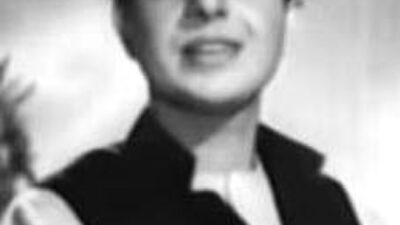
नायक करण दीवान की अपनी आवाज़ रत्तन के वियोग के विलाप को उठाती है — 'जब तुम ही चले परदेस, लगाकर ठेस'।
भावमीठा-कड़वा · उदास
भाषाhindi गतिधीमी स्वरूपएकल पुरुष
श्रेय
The Creditsसूत्र-वाक्य · The Hook
सूत्र-वाक्य
नायक करण दीवान की अपनी आवाज़ रत्तन के वियोग के विलाप को उठाती है — 'जब तुम ही चले परदेस, लगाकर ठेस'।
In EnglishHero Karan Dewan's own voice carries Rattan's lament of separation — 'when you yourself leave for foreign lands, having wounded me'.
पट्टिका-लेख
The Monographपरिचय Overview
फ़िल्म के नायक करण दीवान द्वारा गाया गया, जिन्होंने अपना पार्श्व-गायन स्वयं किया, 'जब तुम ही चले परदेस' रत्तन में ज़ोहराबाई अम्बालेवाली के एकलों का पुरुष प्रतिरूप है — बिछोह और उलाहने का गीत। 1944 के संगीत में यह उन गिने-चुने गीतों में से एक है जिसे किसी पेशेवर पार्श्व-गायक के बजाय नायक ने स्वर दिया, और यह फ़िल्म के व्यापक वियोग-भाव को और गहरा करता है।
अंग्रेज़ी में पढ़ें · Read in English
Sung by the film's hero Karan Dewan, who did his own playback, 'Jab Tum Hi Chale Pardes' is the male counterpoint to Zohrabai Ambalewali's solos in Rattan — a song of parting and reproach. It is one of the few numbers in the 1944 score voiced by a leading man rather than a professional playback singer, and it deepens the film's pervasive mood of separation.
संगीत The Music
नौशाद रचना को संयमित और धीमा रखते हैं, और बिछोह के शब्दों को सारंगी-तार तथा कोमल ताल के संयत संयोजन पर सहज रूप से उतरने देते हैं। धुन एक ग़ैर-पेशेवर गायक की स्वर-सीमा में आराम से बैठती है — एक अभिनेता-गायक के लिए व्यावहारिक चुनाव — फिर भी यह रत्तन के सबसे मर्मस्पर्शी क्षणों में से एक देती है।
अंग्रेज़ी में पढ़ें · Read in English
Naushad keeps the setting spare and slow, letting the words of parting land plainly over a restrained arrangement of strings and gentle percussion. The melody sits comfortably in a non-professional singer's range, a practical choice for an actor-vocalist that nonetheless yields one of Rattan's most affecting moments.
काव्य The Poetry
डी.एन. माधोक का बोल हिंदी काव्य के 'परदेस' विषय का अंग है — प्रिय दूर देश चला जाता है, और गायक दुःख और उलाहने के साथ रह जाता है। 'परदेस' शब्द हिंदी-उर्दू काव्य में सदियों के ब्रज और पूर्वी उत्तर प्रदेश के लोक-विरह से विरासत में आई गहराई रखता है, जहाँ शहरों या राजकीय सेवा में मौसमी पलायन पति और प्रेमियों को घर से दूर ले जाता था। इस शीर्षक में ध्यान देने योग्य यह है कि उलाहना पुरुष स्वर से आ रहा है: 'जब तुम ही चले परदेस' — प्रस्थान और चोट को प्रिय पर डालता है, गायक पर नहीं। यह लिंग-उलटाव, पुरुष स्वर को परित्यक्त की मुद्रा देना, मानक स्त्री-विरह से कम प्रचलित था। माधोक की विशेषता सादी हिंदी में भावना का वहन था: रत्तन की संगीत-पट्टी में परदेस-गीत सीधे कथन से काम करता है। पूर्ण बोल आरक्षित हैं (डी.एन. माधोक, 1982) और विश्लेषण माधोक के दस्तावेज़ीकृत 'परदेस' गीतों की स्थापित परंपरा पर आधारित है।
अंग्रेज़ी में पढ़ें · Read in English
D.N. Madhok's lyric belongs to the 'pardes' topos of Hindi poetry — the beloved gone to distant lands, leaving the singer with grief and reproach. The word 'pardes' (foreign or distant land) carries in Hindi-Urdu poetry a weight inherited from centuries of Braj and eastern UP folk viraha verse, where seasonal migration to cities or to royal service removed husbands and lovers from home. What is notable in this title is that the reproach is voiced by the male speaker: 'Jab tum hi chale pardes' (when you yourself leave for distant lands) assigns the departure — and the wound — to the beloved rather than the singer. This gender inversion, giving the male voice the abandoned's stance, was less common than the standard female viraha and shifts moral sympathy toward the hero. Madhok's gift was for plain Hindi that carries emotion without ornament: the pardes lyric in Rattan's soundtrack works through direct statement rather than image-play, matching the actor-vocalist Karan Dewan's more limited but emotionally earnest delivery. Full lyrics are withheld (D.N. Madhok d.1982) and analysis rests on the established conventions of Madhok's documented 'pardes' songs.
कहानी The Story
रत्तन (1944) एम. सादिक़ द्वारा निर्देशित और अब्दुल राशिद करदार द्वारा नवीन पिक्चर्स के लिए निर्मित थी। यह 1944 की सर्वाधिक कमाई करने वाली हिंदी फ़िल्म थी और वह फ़िल्म जिसने नौशाद को उद्योग के शीर्ष संगीतकारों में पहुँचाया। फ़िल्म में मुख्य भूमिकाओं में करण दीवान और स्वर्ण लता थे। संगीत-पट्टी की एक महत्त्वपूर्ण विशेषता यह थी कि नायक करण दीवान ने अपने गीतों का पार्श्व-गायन स्वयं किया — एक ऐसी परंपरा जो पेशेवर पार्श्व-गायकों द्वारा धीरे-धीरे विस्थापित हो रही थी पर अभी समाप्त नहीं हुई थी। 'जब तुम ही चले परदेस' ऐसा ही एक अभिनेता-गाया गीत है, जिसकी धुन की सीमा ग़ैर-विशेषज्ञ आवाज़ के लिए तय की गई थी। फ़िल्म कराची, लाहौर और बंबई में तीन साल तक सिनेमाघरों में चली। डी.एन. माधोक, जिन्होंने पूरी संगीत-पट्टी के बोल लिखे, ने फ़िल्म की कहानी, पटकथा और संवाद भी लिखे — एक असामान्य बहु-योगदान जिसने पूरी संगीत-पट्टी को बिछोह, लालसा और पुनर्मिलन के विषयों के इर्द-गिर्द असामान्य विषयात्मक एकता दी।
अंग्रेज़ी में पढ़ें · Read in English
Rattan (1944) was directed by M. Sadiq and produced by Abdul Rashid Kardar for Navin Pictures. It was the highest-grossing Hindi film of 1944 and is the film that made Naushad one of the top music directors in the industry. The film starred Karan Dewan and Swaran Lata in the leads. A significant feature of the soundtrack was that leading man Karan Dewan sang his own playback numbers — a practice that was being progressively displaced by professional playback singing but had not yet disappeared. 'Jab Tum Hi Chale Pardes' is one such actor-sung number, its melodic range calibrated to a non-specialist voice, with Naushad shaping the composition to bring out emotional sincerity within those constraints. The film ran in theatres for three years in Karachi, Lahore and Bombay — an extraordinary theatrical run. D.N. Madhok, the lyricist, also wrote the film's story, screenplay and dialogues — an unusual multi-hyphenate credit that gave the entire soundtrack unusual thematic coherence around the motifs of separation, longing and reunion.
विरासत The Legacy
रत्तन की संगीत-पट्टी एक व्यावसायिक घटना थी: केवल पहले वर्ष में ग्रामोफ़ोन रिकॉर्ड की बिक्री से संगीत ने तीन लाख रुपए से अधिक कमाए, जबकि पूरी फ़िल्म की निर्माण लागत मात्र 75,000 रुपए थी। इस आय ने नौशाद की स्थिति बदल दी — रत्तन की सफलता के बाद वे प्रति फ़िल्म 25,000 रुपए माँगने में सक्षम हुए, जो उस समय उद्योग में अभूतपूर्व था। 'जब तुम ही चले परदेस' की विरासत ज़ोहराबाई अम्बालेवाली के एकलों की तुलना में सीमित है, लेकिन यह एक प्रमुख हिंदी प्रोडक्शन में नायक द्वारा स्वयं पार्श्व-गायन के अंतिम महत्त्वपूर्ण उदाहरणों में से एक है। फ़िल्म ने करण दीवान को एक बड़े सितारे के रूप में स्थापित किया — वे चार दशकों के करियर में लगभग 100 फ़िल्मों में दिखे।
अंग्रेज़ी में पढ़ें · Read in English
Rattan's soundtrack was a commercial phenomenon: the music grossed over Rs 3 lakhs in gramophone record sales in its first year alone, against a total production cost of Rs 75,000 for the entire film. This revenue transformed Naushad's career standing; he was able to charge Rs 25,000 per film following Rattan's success — a fee previously unheard of in the industry. The legacy of 'Jab Tum Hi Chale Pardes' specifically is modest compared to the Zohrabai Ambalewali solos, but it stands as one of the last significant instances of a leading man providing his own playback in a major Hindi production, before professional singers entirely took over. The film also launched Karan Dewan as a major star: he appeared in nearly 100 films over a career spanning four decades.
वर्गीकरण
Classification- Tempo
- Slow
Genre
अन्य विवरण
More Details- https://en.wikipedia.org/wiki/Rattan_(1944_film)
- https://www.songsofyore.com/the-jewel-in-the-crown-of-naushad-rattan-1944/
- https://www.sunbyanyname.com/2020/07/21/the-best-songs-of-dn-madhok-part-iii-1943-to-1944/
- https://en.wikipedia.org/wiki/Naushad
References
रोचक तथ्य
Margin Notesरतन (1944) उस वर्ष की सबसे अधिक कमाई करने वाली हिंदी फ़िल्म थी; अकेले संगीत ने ग्रामोफ़ोन रिकॉर्ड की बिक्री से 75,000 रुपये के फ़िल्म निर्माण बजट के मुक़ाबले 3 लाख रुपये से अधिक की कमाई की — यह अनुपात उद्योग को स्तब्ध कर देने वाला था।
अंग्रेज़ी में पढ़ें · Read in English
Rattan (1944) was the highest-grossing Hindi film of the year; the music alone grossed over Rs 3 lakhs from gramophone record sales against a film production budget of Rs 75,000 — a ratio that shocked the industry.
फ़िल्म की सफलता ने नौशाद को अपनी संगीत निर्देशन फ़ीस के रूप में प्रति फ़िल्म 25,000 रुपये लेने में सक्षम बनाया — यह उस समय के औसत निर्माण बजट का एक-तिहाई था और भारतीय सिनेमा में इससे पहले अनसुना था।
अंग्रेज़ी में पढ़ें · Read in English
The film's success enabled Naushad to charge Rs 25,000 per film as his music direction fee — one-third of the average production budget at the time and previously unheard of in Indian cinema.
अभिनेता करण देवान ने इस और रतन के अन्य गीतों में अपना पार्श्वगायन स्वयं किया — यह पार्श्वगायन-विशेषज्ञता-पूर्व परंपरा के अंतिम प्रमुख उदाहरणों में से एक है, इससे पहले कि पेशेवर गायकों ने अभिनेता-गायकों का स्थान पूरी तरह ले लिया।
अंग्रेज़ी में पढ़ें · Read in English
Actor Karan Dewan sang his own playback in this and other Rattan numbers — one of the last major examples of the pre-playback-specialisation convention before professional singers fully supplanted actor-vocalists.
डी.एन. मधोक ने रतन के लिए कहानी, पटकथा, संवाद और सभी गीत लिखे — यह एक असामान्य रूप से संपूर्ण बहु-भूमिका लेखन था जिसने साउंडट्रैक को असाधारण विषयगत सामंजस्य प्रदान किया।
अंग्रेज़ी में पढ़ें · Read in English
D.N. Madhok wrote the story, screenplay, dialogues, and all song lyrics for Rattan — an unusually complete multi-hyphenate authorship that gave the soundtrack exceptional thematic coherence.
नमूना-पट्टी
The Specimen Table| शीर्षक | जब तुम ही चले परदेस · Jab Tum Hi Chale Pardes |
|---|---|
| फ़िल्म | रत्तन · 1944 |
| वर्ष · युग | 1944 |
| गायक | Karan Dewan |
| गीतकार | D. N. Madhok |
| संगीतकार | Naushad |
| स्वरूप | एकल पुरुष |
| गति | धीमी |
| भाषा | hindi |
| भाव | मीठा-कड़वा · उदास |
| लोकप्रियता | Popular |
| बोल-स्थिति | केवल झलक |
जुड़े हुए पन्ने
Connected Plates · The Graph Made Visibleअटलस में कोई पन्ना अकेला नहीं — इस गीत से जुड़े गीत, कलाकार, फ़िल्म, राग-ताल-विधा, सब यहाँ से खुलते हैं।
मिलते-जुलते गीत · Related Songs
कलाकार · The Artists
फ़िल्म · The Film
साझा कीजिए · Share this Plate