कहानियाँ विंग · कहानी · Music Theory · 1910
आगे की ओर देखते हुए: पहले दशक ने भारतीय संगीत की अगली सदी को क्या सिखाया
Looking Forward: What the First Decade Taught the Next Century of Indian Music
1910 तक, ग्रामोफोन ने भारतीय संगीत के लिए संभव को मौलिक रूप से बदल दिया—और भारतीय जानते थे।
प्रकाशित31 March 2026 पाठ९ मिनट का पाठ
आमुख
एक नए युग की दहलीज़
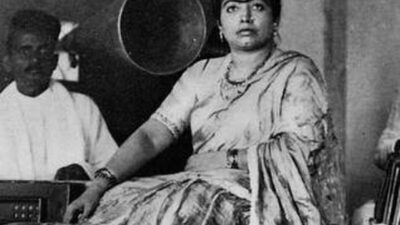
The Threshold of a New Era1910 तक, भारत में ग्रामोफोन रिकॉर्ड सुनने वाला व्यक्ति पश्चिम से एक नवीनता नहीं सुन रहा था। वह कुछ पूरी तरह भारतीय सुन रहा था—एक भारतीय गायक, भारतीय संगीत, भारतीय तर्क के अनुसार संगठित, भारतीय दर्शकों को संबोधित किया। ग्रामोफोन को एक दशक में पूरी तरह से भारतीय संस्कृति में आत्मसात किया गया था। सांस्कृतिक एकीकरण की यह गति उल्लेखनीय थी। शायद ही कभी तकनीकें इतनी जल्दी गहरी प्रवेश हासिल करती हैं। लेकिन ग्रामोफोन का एक लाभ था: यह आवाज़ें ले जाता था, और आवाज़ें, अमूर्त मशीनों के विपरीत, सीधे मानव दिल से बात करती हैं। जब गौहर जान की आवाज़ ग्रामोफोन हॉर्न से निकली, तो यह विदेशी महसूस नहीं हुई। यह अंतरंग लगा। जब एक परिवार ने एक प्रसिद्ध ख़याल मास्टर को एक रिकॉर्ड से गाते सुना, तो उन्हें ऐसा लगा कि वह पश्चिमी तकनीक का उपयोग नहीं कर रहे हैं, बल्कि एक प्राचीन भारतीय परंपरा में भाग ले रहे हैं—केवल कुछ कालातीत तक पहुंचने के लिए एक नया उपकरण का उपयोग कर रहे हैं। यह मनोवैज्ञानिक पुनर्विन्यास—ग्रामोफोन को एक पश्चिमी जिज्ञासा के रूप में देखने से इसे एक भारतीय माध्यम के रूप में देखने तक—1910 तक लगभग अचेतन रूप से हुआ। किसी को भारतीयों को विश्वास दिलाने की जरूरत नहीं थी कि भारतीय संगीत को रिकॉर्ड और संरक्षित करना एक अच्छा विचार था। वह पहले से ही विश्वास करते थे।
अंग्रेज़ी में पढ़ें · Read in English
By 1910, someone listening to a gramophone record in India was not listening to a novelty from the West. They were listening to something entirely Indian—an Indian singer, Indian music, organized according to Indian logic, addressed to Indian audiences. The gramophone had been completely assimilated into Indian culture in a single decade. This speed of cultural integration was remarkable. Rarely do technologies achieve such deep penetration so quickly. But the gramophone had an advantage: it carried voices, and voices, unlike abstract machines, speak directly to the human heart. When Gauhar Jaan's voice emerged from the gramophone horn, it did not feel foreign. It felt intimate. When a family heard a famous Khayal master singing from a record, they felt not that they were using Western technology, but that they were participating in an ancient Indian tradition—merely using a new tool to access something timeless. This psychological reorientation—from seeing the gramophone as a Western curiosity to seeing it as an Indian medium—happened almost unconsciously by 1910. No one needed to convince Indians that recording and preserving Indian music was a good idea. They already believed it.
अधूरा रूपांतरण
The Unfinished Transformationलेकिन 1910 तक भारतीय संगीत जीवन में ग्रामोफोन का एकीकरण दूर से पूर्ण था। यदि कुछ भी है, तो पहले दशक ने उत्तर दिए जाने की तुलना में अधिक सवाल उठाए थे। संगीतकारों को ग्रामोफोन से कैसे संबंध रखना चाहिए—एक दस्तावेज़ के रूप में एक उपकरण, आय के स्रोत के रूप में, एक संग्रह के रूप में, अमरता के रूप में? क्या रिकॉर्डिंग सत्र गुरु-शिष्य संबंध को बदलना चाहिए, या इसे पूरक करना चाहिए? रिकॉर्डिंग के अस्तित्व से लोग संगीत सीखने के तरीके को कैसे बदलेगा? अगर एक छात्र एक रिकॉर्ड खरीद सकता है और इससे सीख सकता है, तो वंशावली प्रशिक्षण को क्या होता है जिसने भारतीय संगीत को सदियों के लिए परिभाषित किया? ये शैक्षणिक प्रश्न नहीं थे। उनके तत्काल व्यावहारिक निहितार्थ थे। 1910 तक, युवा संगीतकार पहले से ही ऐसे विकल्पों का सामना कर रहे थे जो पिछली पीढ़ियों को कभी नहीं करना पड़ा। क्या आपको एक गुरु के साथ पारंपरिक प्रशिक्षण में वर्षों का निवेश करना चाहिए, या क्या आप रिकॉर्ड किए गए मास्टर सुनने के माध्यम से महारत हासिल कर सकते हैं? अगर एक राग के कई व्याख्याओं की रिकॉर्डिंग मौजूद थीं, तो कौन सी व्याख्या सही थी? या क्या वह सभी वैध थे? ग्रामोफोन ने इन तनावों को हल नहीं किया था—यह केवल उन्हें गहन किया था।
अंग्रेज़ी में पढ़ें · Read in English
But the integration of the gramophone into Indian musical life was far from complete by 1910. If anything, the first decade had raised more questions than it answered. How should musicians relate to the gramophone—as a tool for documentation, as a source of income, as an archive, as a form of immortality? Should recording sessions replace the guru-shishya relationship, or complement it? How would the existence of recordings change the way people learned music? If a student could buy a record and learn from it, what happened to the lineage training that had defined Indian music for centuries? These were not academic questions. They had immediate practical implications. By 1910, young musicians were already facing choices that previous generations never had to make. Should you invest years in traditional training with a guru, or could you achieve mastery through listening to recorded masters? If records existed of multiple interpretations of a raag, which interpretation was correct? Or were all of them valid? The gramophone had not resolved these tensions—it had only deepened them.
फिल्म संगीत क्रांति प्रतीक्षा में
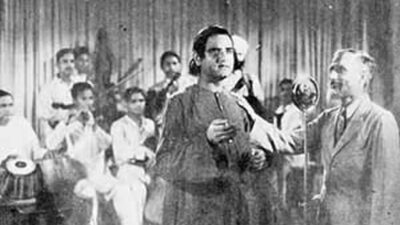
The Film Music Revolution Waiting1910 तक, रिकॉर्डिंग के लिए बुनियादी ढांचा था, लेकिन वह तकनीक की पूरी संभावना अवास्तविक बनी थी। एक रूपांतरण पंखों में प्रतीक्षा कर रहा था। आने वाले दशकों में, ग्रामोफोन केवल मौजूदा संगीत परंपराओं को रिकॉर्ड नहीं करेगा—यह पूरी तरह नई परंपराएं बनाएगा। पांच साल के भीतर, भारतीय सिनेमा जन्म लेगा, और इसके साथ, संगीत का एक नया रूप: फिल्म गीत। ये गीत शास्त्रीय रूपों को लोकप्रिय धुन के साथ जोड़ेंगे, पारंपरिक उपकरणों को आधुनिक व्यवस्था के साथ। वह संगीत के बारे में पिछली सभी नियमों को तोड़ेंगे। और ग्रामोफोन उनका सही वितरण माध्यम होगा। एक स्टूडियो में रिकॉर्ड किए गए एक फिल्म गीत को सप्ताह के भीतर भारत भर के गांवों में सुना जा सकता था। एक स्टार गायक की आवाज़, एक फिल्म से जुड़ी, ऐसी लोकप्रियता हासिल कर सकती थी कि कोई शास्त्रीय संगीतकार कभी अनुभव नहीं हुई थी। 1920 तक, रिकॉर्डिंग कलाकार अब मुख्य रूप से दरबारी संगीतकार या घराना-प्रशिक्षित गायक नहीं होंगे। वह फिल्म सितारे होंगे। ग्रामोफोन, जो परंपरा के संरक्षक के रूप में भारत में आया था, नवाचार का एक इंजन बन जाएगा, पुरानी रूपों को नष्ट कर देता है यहां तक कि यह नई रूपों को बनाता है।
अंग्रेज़ी में पढ़ें · Read in English
By 1910, the infrastructure for recording was in place, but the full potential of that technology remained unrealized. A transformation was waiting in the wings. In the coming decades, the gramophone would not merely record existing musical traditions—it would create entirely new ones. Within five years, Indian cinema would be born, and with it, a new form of music: film songs. These songs would combine classical forms with popular melodies, traditional instruments with modern arrangements. They would break all previous rules about what music was supposed to be. And the gramophone would be their perfect distribution medium. A film song recorded in a studio could be heard in villages throughout India within weeks. A star singer's voice, attached to a film, could achieve a popularity that no classical musician had ever experienced. By 1920, recording artists would no longer be primarily court musicians or gharana-trained singers. They would be film stars. The gramophone, which had entered India as a preserver of tradition, would become an engine of innovation, destroying old forms even as it created new ones.
सीखे गए पाठ
The Lessons Learnedभारतीय रिकॉर्डिंग के पहले दशक ने क्या सिखाया? कई पाठ 1910 तक स्पष्ट दिख रहे थे, हालांकि कोई पूरी तरह से भविष्यद्वाणी नहीं कर सकता था कि वह कहां ले जाएंगे। पहला, कि तकनीक सांस्कृतिक रूप से तटस्थ हो सकती है—एक उपकरण किसी भी सांस्कृतिक संदर्भ में उपयोग किया जा सकता है, किसी भी परंपरा की सेवा कर सकता है। ग्रामोफोन एक पश्चिमी वस्तु के रूप में भारत में आया था, लेकिन एक दशक के भीतर इसे पूरी तरह से स्थानीयकृत किया गया था। दूसरा, संरक्षण और नवाचार विरोधाभासी नहीं थे। वही ग्रामोफोन जो प्राचीन राग परंपराओं को संरक्षित कर रहा था, एक साथ नई संगीत रूपों के लिए स्थितियां बना रहा था। तीसरा, वाणिज्यिक तर्क और सांस्कृतिक मूल्य संरेखित हो सकते थे। लाभ प्रेरणा ने 5,000-गीत संग्रह के निर्माण को ड्राइव किया। चौथा, विकेंद्रीकरण संभव और शक्तिशाली था। कई शहरों में स्टूडियो खोलने ने क्षेत्रीय परंपराओं को सशक्त किया, सांस्कृतिक प्राधिकार को लोकतांत्रिक किया। पाँचवां, और शायद सबसे महत्वपूर्ण, संगीत को नई तरीकों में मात्रा, वितरण, अध्ययन किया जा सकता है इसकी आवश्यक मानवता को खोए बिना। एक रिकॉर्ड किए गए आवाज़ एक जीवंत आवाज़ से कमजोर नहीं था—यह बस अलग, सुलभ, लोकतांत्रिक था। ये पाठ बीसवीं सदी के बाकी भारतीय संगीत को आकार देंगे। ग्रामोफोन नई रूपों बनाएंगे, पुरानी को नष्ट करेंगे, असमान रूप से धन वितरित करेंगे, पहुंच को लोकतांत्रिक करेंगे, और संगीतकार होने का अर्थ बदल देंगे। 1910 तक, कोई भी अभी तक दृश्यमान नहीं था—लेकिन आधार रख दिया गया था। पहले दशक ने जो कुछ भी आएगा उसके लिए जमीन तैयार की।
अंग्रेज़ी में पढ़ें · Read in English
What had the first decade of Indian recording taught? Several lessons seemed clear by 1910, though no one could fully predict where they would lead. First, that technology could be culturally neutral—a tool could be used in any cultural context, could serve any tradition. The gramophone had entered India as a Western commodity, but it had been completely indigenized within a decade. Second, that preservation and innovation were not contradictory. The same gramophone that was preserving ancient raag traditions was simultaneously creating conditions for new musical forms. Third, that commercial logic and cultural value could align. Profit motive had driven the creation of a 5,000-song archive. Fourth, that decentralization was possible and powerful. The opening of studios in multiple cities had empowered regional traditions, democratized cultural authority. Fifth, and perhaps most importantly, that music could be quantified, distributed, studied in new ways without losing its essential humanity. A recorded voice was not inferior to a live voice—it was simply different, accessible, democratic. These lessons would shape Indian music for the rest of the twentieth century. The gramophone would create new forms, destroy old ones, distribute wealth unevenly, democratize access, and transform what it meant to be a musician. By 1910, none of this was yet visible—but the foundation had been laid. The first decade had prepared the ground for everything that would come.
परिचय
IdentityEpithet
1910 तक, ग्रामोफोन ने भारतीय संगीत के लिए संभव को मौलिक रूप से बदल दिया—और भारतीय जानते थे।
By 1910, the gramophone had fundamentally altered what was possible for Indian music—and Indians knew it.
कहानी-नमूना
The Story Specimen| शीर्षक | आगे की ओर देखते हुए: पहले दशक ने भारतीय संगीत की अगली सदी को क्या सिखाया · Looking Forward: What the First Decade Taught the Next Century of Indian Music |
|---|---|
| श्रेणी | Music Theory |
| प्रकार | Narrative |
| पाठ-समय | ९ मिनट का पाठ |
| प्रकाशित | 31 March 2026 — admin |
| वर्ष | 1910 |
| टैग | future · innovation · transition · legacy · looking ahead |
और कहानियाँ
More Stories from the Atlas

साझा कीजिए · Share this Plate