गीत विंग · गीत-पट्टिका · Song Plate
काफ़ी ख़याल — ध्रुव तारा
Kafi Khayal — Dhruva Tara
अब्दुल करीम खान की ध्रुव तारा पर ध्यानात्मक खयाल — स्थिरता और आध्यात्मिक साक्षात्कार का दार्शनिक अन्वेषण
भावभक्ति · दार्शनिक · Serious
भाषाHindi with Sanskrit गतिधीमी स्वरूपएकल पुरुष
श्रेय
The Creditsबोल · The Lyrics
पूरे बोल · Full Lyrics
नित निशि तारा देखत हूँ,
ब्रह्म लीन हूँ।
Nit nishi tara dekhat hoon,
Brahm leen hoon.
सूत्र-वाक्य · The Hook
सूत्र-वाक्य
अब्दुल करीम खान की ध्रुव तारा पर ध्यानात्मक खयाल — स्थिरता और आध्यात्मिक साक्षात्कार का दार्शनिक अन्वेषण
In EnglishAbdul Karim Khan's meditative khayal on the Pole Star — a philosophical exploration of constancy and spiritual realization
पट्टिका-लेख
The Monographपरिचय Overview
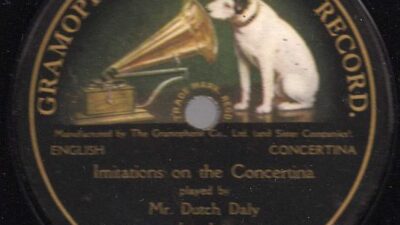
“काफ़ी ख़याल — ध्रुव तारा” 1906 की कालजयी रिकॉर्डिंग है। इसमें अब्दुल करीम खान की आवाज़ है, संगीत पारंपरिक का है, और बोल पारंपरिक ने लिखे हैं। यह राग Kafi पर आधारित है, Teentaal ताल में निबद्ध, Hindustani Classical शैली का गीत। इसका प्रमुख भाव Serious है, अवधि 4:42 है, और यह The Gramophone Company (Hmv) लेबल से जारी हुआ।
अंग्रेज़ी में पढ़ें · Read in English
“Kafi Khayal — Dhruva Tara” is a legendary recording from 1906. The voice belongs to Abdul Karim Khan, composed by Traditional, with lyrics penned by Traditional. Musically it set in Raag Kafi, to the Teentaal taal, in the Hindustani Classical idiom. Its prevailing mood is serious, the recording runs 4:42, released on the the gramophone company (hmv) label.
संगीत The Music
काफ़ी एक गहरी ध्यानात्मक राग है, जो अंतर्मुखी चरित्र और विस्तारित विकास की क्षमता के लिए जानी जाती है। अब्दुल करीम खान की प्रस्तुति किरान घराने की निष्कोण सुंदरता को प्रदर्शित करती है।
अंग्रेज़ी में पढ़ें · Read in English
Kafi is a deeply meditative raag, known for its introspective character and capacity for extended development. Abdul Karim Khan's rendering showcases the austere beauty of the Kirana gharana — clean, direct, with emphasis on rhythmic precision and phrase clarity. His mastery of layakari (rhythmic play) is evident even within the constraints of the 3-minute gramophone format.
काव्य The Poetry
गीतात्मक सामग्री ध्रुव तारा को ध्यान में लेती है, जो हिंदू दर्शन में अटल स्थिरता और दिव्य सत्य का प्रतीक है। पंक्तियां सुझाती हैं कि गायक रात दर रात अनंत तारे को देख रहा है, इसमें पारलौकिक का ध्यान खोज रहा है।
अंग्रेज़ी में पढ़ें · Read in English
The lyrical content contemplates the Pole Star (Dhruva), a symbol of unwavering constancy and divine truth in Hindu philosophy. The lines suggest the singer observing the eternal star night after night, finding in it a meditation on the transcendent (Brahm). This reflects the Bhakti tradition's use of nature imagery to express spiritual seeking.
कहानी The Story
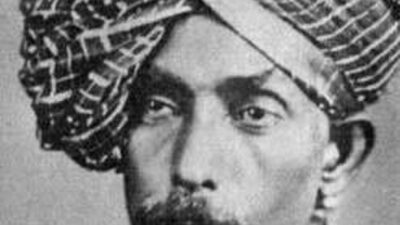
अब्दुल करीम खान (1872-1937) किरान घराने के संस्थापक थे और 20वीं सदी की शुरुआत के सबसे प्रभावशाली शास्त्रीय गायकों में से एक थे। उनकी 1906 की प्रारंभिक रिकॉर्डिंग हिंदुस्तानी संगीत के लिए वह क्रांतिकारी दृष्टिकोण प्रदर्शित करती है जो वह लेकर आए थे।
अंग्रेज़ी में पढ़ें · Read in English
Abdul Karim Khan (1872-1937) was the founder of the Kirana gharana and one of the most influential classical vocalists of the early 20th century. His early recordings in 1906 demonstrate the revolutionary approach he brought to Hindustani music — a move away from ornamentation toward clarity and direct emotional expression. This khayal on the Pole Star captures his spiritual orientation and his belief that music was a path to philosophical truth.
विरासत The Legacy
यह रिकॉर्डिंग भारत के सबसे महत्वपूर्ण शास्त्रीय गायकों में से एक के ग्रामोफोन युग में प्रवेश को चिह्नित करती है। अब्दुल करीम खान कई किंवदंती गायकों के शिक्षक बनेंगे, जिनमें हीराबाई बड़ोडेकर और अन्य शामिल हैं।
अंग्रेज़ी में पढ़ें · Read in English
This recording marks the entrance of one of India's most important classical vocalists into the gramophone era. Abdul Karim Khan would become the teacher of many legendary singers, including Hirabai Barodekar and others. His philosophy of reducing ornamentation and emphasizing purity of tone set a new standard for classical singing that continues to influence musicians today. This early recording demonstrates the roots of the Kirana gharana's characteristic restraint and clarity.
वर्गीकरण
Classification- Tempo
- Slow
Genre
अन्य विवरण
More Details- Archive of Indian Music
- Bajakhana - Early Sound Recordings
- Google Arts & Culture - Pioneering Musicians
References
रोचक तथ्य
Margin Notesअब्दुल करीम खान ग्रामोफोन रिकॉर्डिंग को अपनाने वाले पहले पुरुष शास्त्रीय गायकों में से एक थे
अंग्रेज़ी में पढ़ें · Read in English
Abdul Karim Khan was one of the first male classical vocalists to embrace gramophone recording — many orthodox musicians considered it beneath their dignity
ध्रुव तारा शास्त्रीय भारतीय संगीत सिद्धांत में महत्वपूर्ण है — कुछ राग 'अनंत' कहे जाते हैं
अंग्रेज़ी में पढ़ें · Read in English
The Pole Star (Dhruva) is significant in classical Indian music theory — certain ragas are said to be 'eternal' like the Pole Star, never changing across centuries
नमूना-पट्टी
The Specimen Table| शीर्षक | काफ़ी ख़याल — ध्रुव तारा · Kafi Khayal — Dhruva Tara |
|---|---|
| वर्ष · युग | 1906 — pre independence |
| गायक | Abdul Karim Khan |
| गीतकार | पारंपरिक |
| संगीतकार | पारंपरिक |
| राग | Kafi |
| ताल | {"name_hindi":"तीनताल","name_english":"Teental","taal_id":"taal-teentaal","matras":16} |
| स्वरूप | एकल पुरुष |
| गति | धीमी |
| अवधि | 4:42 |
| भाषा | Hindi with Sanskrit |
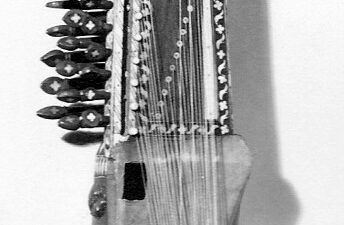
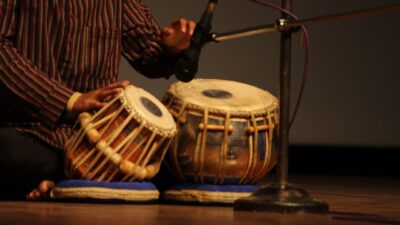
| वाद्य | Vocals · sarangi · tabla · tanpura |
| भाव | भक्ति · दार्शनिक · Serious |
| लेबल | The Gramophone Company (HMV) |
| लोकप्रियता | Legendary |
| बोल-स्थिति | सार्वजनिक |
जुड़े हुए पन्ने
Connected Plates · The Graph Made Visibleअटलस में कोई पन्ना अकेला नहीं — इस गीत से जुड़े गीत, कलाकार, फ़िल्म, राग-ताल-विधा, सब यहाँ से खुलते हैं।
मिलते-जुलते गीत · Related Songs
कलाकार · The Artists
शास्त्र-सूत्र · Shastra Threads
साझा कीजिए · Share this Plate