गीत विंग · गीत-पट्टिका · Song Plate
जमुना किनारे मोरो गाँव — भैरवी ठुमरी
Jamuna Kinare Moro Gaon — Bhairavi Thumri
एक ग्रामीण भैरवी ठुमरी — गौहर जान कोमल स्मृति से कृष्ण की भूमि के यमुना-तटवर्ती गाँव को जीवंत करती हैं।
भावभक्ति · पुरानी यादें · Pastoral
भाषाBraj Bhasha
श्रेय
The Creditsशब्दकोश
Word Meaningsसूत्र-वाक्य · The Hook
सूत्र-वाक्य
एक ग्रामीण भैरवी ठुमरी — गौहर जान कोमल स्मृति से कृष्ण की भूमि के यमुना-तटवर्ती गाँव को जीवंत करती हैं।
In EnglishA pastoral Bhairavi thumri — Gauhar Jaan evokes the Yamuna-side village of Krishna's homeland with tender nostalgia.
पट्टिका-लेख
The Monographपरिचय Overview
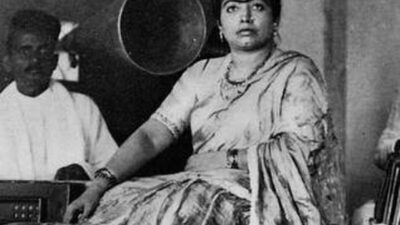
“जमुना किनारे मोरो गाँव — भैरवी ठुमरी” फ़िल्म Gramophone Company — First Indian Recordings (1903) का हिंदी गीत है। इसे गौहर जान ने स्वर दिया है, संगीत गौहर जान का है, और बोल पारंपरिक ब्रज कविता ने लिखे हैं। यह राग Bhairavi पर आधारित है, Dadra ताल में निबद्ध, Hindustani Classical शैली का गीत। इसका प्रमुख भाव Nostalgic है, अवधि 03:15 है, और यह Gramophone Concert Record लेबल से जारी हुआ।
अंग्रेज़ी में पढ़ें · Read in English
“Jamuna Kinare Moro Gaon — Bhairavi Thumri” is a Hindi film song from Gramophone Company — First Indian Recordings (1903). It is sung by Gauhar Jaan, composed by Gauhar Jaan, with lyrics penned by Traditional Braj Poetry. Musically it set in Raag Bhairavi, to the Dadra taal, in the Hindustani Classical idiom. Its prevailing mood is nostalgic, the recording runs 03:15, released on the gramophone concert record label.
संगीत The Music
भैरवी हिंदुस्तानी संगीत का सबसे बहुमुखी राग है। ठुमरी में इसकी भावनात्मक विस्तार कोमल स्मृति से तीव्र तड़प तक फैलता है।
अंग्रेज़ी में पढ़ें · Read in English
Bhairavi is the most versatile raga in Hindustani music — it can express devotion, pathos, romance, and even celebration. As the traditional concluding raga of any concert, it carries an air of finality and completeness. In thumri, Bhairavi's emotional range allows the singer to traverse from tender nostalgia to passionate yearning.
काव्य The Poetry
यमुना का काव्यात्मक संदर्भ तुरंत संपूर्ण ब्रज पौराणिक कथा को आमंत्रित करता है — राधा-कृष्ण, गोपियाँ, मोर, मानसून के बादल।
अंग्रेज़ी में पढ़ें · Read in English
The Yamuna as a poetic setting immediately invokes the entire Braj mythology — Radha and Krishna, the gopis, the peacocks, the monsoon clouds. A single geographical reference opens a universe of shared cultural meaning for the Indian listener.
कहानी The Story
गौहर जान का ब्रज के ग्रामीण परिदृश्य के बारे में गाना इस संगीत परंपरा की सार्वभौमिकता को दर्शाता है।
अंग्रेज़ी में पढ़ें · Read in English
Gauhar Jaan, born to an Armenian father and raised in Calcutta's cosmopolitan culture, singing about Braj's pastoral landscape demonstrates the universality of this musical tradition. The kotha tradition transcended religious and ethnic boundaries.
विरासत The Legacy
'जमुना किनारे' रूपक हिंदी कविता और संगीत में सबसे सशक्त बिंबों में से एक बना हुआ है।
अंग्रेज़ी में पढ़ें · Read in English
The Yamuna-bank setting remains one of the most evocative images in Hindi poetry and music. From Surdas to modern Bollywood, the Jamuna kinare motif represents an idealized homeland of innocence and love.
ऐतिहासिक महत्व Historical Significance
प्रारंभिक ठुमरी में भक्ति और श्रृंगार भाव के मिलन का प्रलेखन।
अंग्रेज़ी में पढ़ें · Read in English
Documents the intersection of devotional and romantic sentiment in early thumri, before the genres became more strictly separated in later concert tradition.
वर्गीकरण
ClassificationGenre
अन्य विवरण
More Details- Archive of Indian Music
- Bajakhana - Early Sound Recordings
- Google Arts & Culture - Pioneering Musicians
References
रोचक तथ्य
Margin Notesवृंदावन में यमुना नदी आज भी प्रमुख तीर्थस्थल है। 'जमुना किनारे' रूपक इस ठुमरी को हज़ारों वर्षों के ब्रज साहित्य से जोड़ता है।
अंग्रेज़ी में पढ़ें · Read in English
The Yamuna river at Vrindavan remains a major pilgrimage site. The 'Jamuna kinare' motif connects this thumri to thousands of years of Braj devotional literature.
अपनी अर्मेनियाई-मुस्लिम पृष्ठभूमि के बावजूद ब्रज भक्ति काव्य गाने की गौहर जान की क्षमता 19वीं सदी की समन्वयी संस्कृति का उदाहरण है।
अंग्रेज़ी में पढ़ें · Read in English
Gauhar Jaan's ability to sing devotional Braj poetry despite her Armenian-Muslim background exemplifies the syncretic culture of 19th-century India.
भैरवी को 'रागों की रानी' कहा जाता है — यह एकमात्र राग है जहाँ हर स्वर अपने शुद्ध और विकृत दोनों रूपों में प्रकट हो सकता है।
अंग्रेज़ी में पढ़ें · Read in English
Bhairavi is called the 'queen of ragas' — it is the only raga where every note can appear in both its natural and altered forms.
नमूना-पट्टी
The Specimen Table| शीर्षक | जमुना किनारे मोरो गाँव — भैरवी ठुमरी · Jamuna Kinare Moro Gaon — Bhairavi Thumri |
|---|---|
| वर्ष · युग | 1903 — Gramophone Era |
| गायक | Gauhar Jaan |
| गीतकार | पारंपरिक ब्रज कविता |
| संगीतकार | Gauhar Jaan |
| राग | Bhairavi |
| ताल | {"name":"Dadra (6 beats)","taal_id":"taal-dadra","beats":6,"notes":"Bhairavi thumris commonly use Dadra taal."} |
| अवधि | 03:15 |
| भाषा | Braj Bhasha |
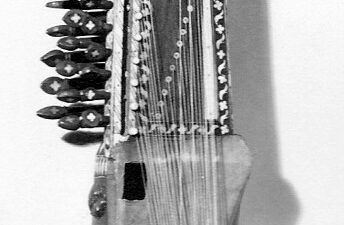
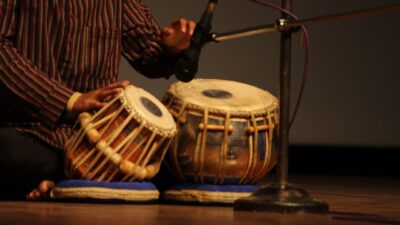
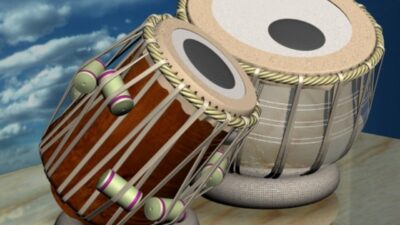
| वाद्य | Vocals · sarangi · tabla · tanpura |
| भाव | भक्ति · पुरानी यादें · Pastoral |
| लेबल | Gramophone Concert Record |
| बोल-स्थिति | सार्वजनिक |
जुड़े हुए पन्ने
Connected Plates · The Graph Made Visibleअटलस में कोई पन्ना अकेला नहीं — इस गीत से जुड़े गीत, कलाकार, फ़िल्म, राग-ताल-विधा, सब यहाँ से खुलते हैं।
मिलते-जुलते गीत · Related Songs
कलाकार · The Artists
शास्त्र-सूत्र · Shastra Threads
युग · The Era
साझा कीजिए · Share this Plate