गीत विंग · गीत-पट्टिका · Song Plate
क्या सितम है ज़ुल्म है
Kya Sitam Hai Zulm Hai
'लैला मजनू' के लिए रफ़ीक़ ग़ज़नवी की अपनी रचना, और फ़िल्म में अमीरबाई कर्नाटकी के साथ गाए उनके दो युगलों में दूसरा — ग़ज़ल की शब्दावली में कही गई ज़ुल्म की शिकायत।
भावमीठा-कड़वा · तीव्र · उदास
भाषाhindi-urdu गतिधीमी स्वरूपयुगल
श्रेय
The Creditsसूत्र-वाक्य · The Hook
सूत्र-वाक्य
'लैला मजनू' के लिए रफ़ीक़ ग़ज़नवी की अपनी रचना, और फ़िल्म में अमीरबाई कर्नाटकी के साथ गाए उनके दो युगलों में दूसरा — ग़ज़ल की शब्दावली में कही गई ज़ुल्म की शिकायत।
In EnglishRafiq Ghaznavi's own composition for Laila Majnu, and the second of the duets he sang with Amirbai Karnataki in the film — a complaint against cruelty, in the vocabulary of the ghazal.
पट्टिका-लेख
The Monographपरिचय Overview
'लैला मजनू' (1945) के उन दो गीतों में से एक, जिन्हें रफ़ीक़ ग़ज़नवी पर छपे एक अख़बारी लेख ने इस फ़िल्म के लिए उनकी लोकप्रिय रचनाएँ बताया है — दूसरा है 'फ़रियाद'। ग़ज़नवी ने इसे रचा और 78-आरपीएम डिस्कों की संग्राहक-सूची के अनुसार इसे अमीरबाई कर्नाटकी के साथ युगल के रूप में गाया भी — 1945 के संगीत पर हुई एक चर्चा में इसी जोड़ी का ज़िक्र 'अमीरबाई कर्नाटकी और रफ़ीक़ ग़ज़नवी' के रूप में है। स्रोत पूरी तरह सहमत नहीं हैं: अख़बारी लेख इस शीर्षक के साथ ज़ोहराबाई अम्बालेवाली का नाम जोड़ता है, और हिंदीगीतमाला के पास गीत-स्तर पर कोई गायक-श्रेय है ही नहीं। यह प्रविष्टि उन दो स्रोतों को मानती है जो अमीरबाई पर सहमत हैं, और तीसरे को दर्ज कर देती है।
अंग्रेज़ी में पढ़ें · Read in English
One of the two numbers in Laila Majnu (1945) that a newspaper profile of Rafiq Ghaznavi names as his popular compositions for the film, the other being 'Fariyad'. Ghaznavi composed it and, per the record-collector index of the 78-rpm discs, also sang it as a duet with Amirbai Karnataki — the same pairing described in a discussion of 1945's music as 'Amirbai Karnataki and Rafiq Ghaznavi'. Sources do not agree completely: the newspaper profile attaches Zohrabai Ambalewali's name to the title, and hindigeetmala carries no song-level singer credit at all. This entry follows the two sources that agree on Amirbai and flags the third.
संगीत The Music
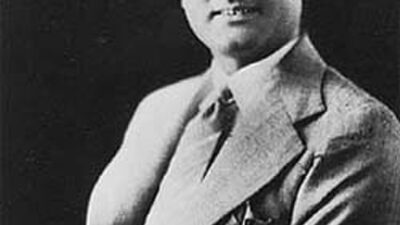
रफ़ीक़ ग़ज़नवी की अपनी रचना-शैली को एक ऐसी पृष्ठभूमि ने गढ़ा था जो उस उद्योग के लिहाज़ से भी असामान्य थी — 1907 में रावलपिंडी में अफ़ग़ान मूल के परिवार में जन्म, संगीत की तालीम, और फ़िल्मों में एक साथ अभिनेता, गायक तथा संगीतकार के रूप में प्रवेश। जो संगीतकार ख़ुद गाते भी हैं, वे प्रायः ऐसी धुनें लिखते हैं जो बोलचाल के क़रीब रहती हैं — जिनके वाक्यांश उतने लंबे होते हैं जितना गायक की साँस सचमुच चाहती है, न कि जितना काग़ज़ पर लिखी लकीर सुझाती है। इस तरह का ग़ज़ल-चाल वाला धीमा युगल दोनों आवाज़ों को कम संगत पर लंबी, बिना जल्दबाज़ी की पंक्तियाँ देता है। 1945 की एक बंबई रिकॉर्डिंग में इसका मतलब होता — हारमोनियम और तबला, स्वर के पीछे-पीछे चलती सारंगी या वायलिन, और यह सब एक ही टेक में मोम के मास्टर पर दर्ज।
अंग्रेज़ी में पढ़ें · Read in English
Rafiq Ghaznavi's own composing manner was shaped by a background unusual even for that industry — born in Rawalpindi in 1907 into an Afghan-descended family, trained in music and drawn into films as actor, singer and composer at once. Composers who also sang tended to write melodies that sit close to speech, with the phrase lengths a singer's breath actually wants rather than the ones a notated line suggests, and a slow ghazal-paced duet of this kind gives both voices long, unhurried lines over a sparse accompaniment. On a 1945 Bombay recording that would mean harmonium and tabla with a sarangi or violin shadowing the vocal, all captured in a single take onto a wax master.
काव्य The Poetry
'सितम' और 'ज़ुल्म' उर्दू प्रेम-कविता की शिकायत के दो मानक शब्द हैं — वे शब्द जिनसे आशिक़ अपने महबूब पर, या क़िस्मत पर, या उस दुनिया पर इलज़ाम लगाता है जो दोनों को अलग रखती है। ग़ज़ल में इनकी ताक़त इसी से आती है कि ये दमन की राजनीतिक-क़ानूनी शब्दावली से उधार लिए गए हैं और फिर जान-बूझकर बढ़ा-चढ़ाकर एक निजी मायूसी पर लगा दिए जाते हैं; यह अतिशयोक्ति ही असल बात है, और परंपरा उम्मीद करती है कि सुनने वाला शिकायत के भीतर छिपी विडंबना भी सुने। लैला-मजनू की फ़िल्म में ये शब्द बाहर की ओर भी इशारा करते हैं — उस क़बीलाई इज़्ज़त और ख़ानदानी हुक्म की ओर, जो इस कहानी में असल नुक़सान करते हैं — और इस तरह एक परंपरागत विलाप में विरोध की हल्की-सी चिंगारी आ जाती है।
अंग्रेज़ी में पढ़ें · Read in English
'Sitam' and 'zulm' are the two standard nouns of grievance in Urdu love poetry — tyranny and cruelty, the words with which the lover indicts the beloved, or fate, or the world that keeps them apart. Their force in the ghazal comes from being borrowed from the political and legal vocabulary of oppression and then applied, with deliberate excess, to a private disappointment; the exaggeration is the point, and the tradition expects the listener to hear the irony inside the complaint. In a Laila-Majnu film the words also point outward, at the tribal honour and family authority that actually do the damage in this story, which lets a conventional lament carry a small charge of protest.
कहानी The Story
'लैला मजनू' के बारह गीत दो संगीतकारों में बँटे थे। बड़ा हिस्सा पंडित गोबिंद राम के पास गया, जिसमें फ़िल्म की क़व्वाली भी थी; रफ़ीक़ ग़ज़नवी के हिस्से में छोटा समूह आया, जिसमें यह गीत और 'फ़रियाद' शामिल हैं — और उन्होंने नज़ीर के लिए, यानी मजनू के लिए, पुरुष पार्श्वगायन भी किया। यह बंबई में ग़ज़नवी के आख़िरी बड़े कामों में से एक था: 1947 में वे पाकिस्तान चले गए, फ़िल्मी काम छोड़ दिया और रेडियो पाकिस्तान से जुड़ गए; 1974 में कराची में उनका निधन हुआ। उनके सामने अमीरबाई कर्नाटकी थीं — स्वर्णलता की लैला के लिए गाने वाली तीन गायिकाओं में से एक।
अंग्रेज़ी में पढ़ें · Read in English
Laila Majnu divided its twelve songs between two composers. Pandit Gobind Ram took the larger share, including the film's qawwali; Rafiq Ghaznavi took a smaller group that includes this song and 'Fariyad', and also sang the male playback for Nazir, who played Majnu. It was one of Ghaznavi's last significant assignments in Bombay: in 1947 he moved to Pakistan, gave up film work and joined Radio Pakistan, and he died in Karachi in 1974. Amirbai Karnataki, opposite him, was one of the three women engaged to sing for Swarnlata's Laila.
विरासत The Legacy
यह गीत जब भी याद किया जाता है, हिट के रूप में नहीं बल्कि रफ़ीक़ ग़ज़नवी के एक श्रेय के रूप में — उनके रचना-करियर के विवरणों में इसे 'लैला मजनू' के उन दो गीतों में गिना जाता है जिनका नाम लेना बनता है। इसका बाद का जीवन इसी नाप का है: न कोई कवर संस्करण, न मानक संग्रह में जगह, लेकिन एक ऐसे संगीतकार की छोटी-सी कृति-सूची में तय स्थान जिसका करियर विभाजन ने आधा काट दिया। अमीरबाई कर्नाटकी की अपनी ख्याति भी 1950 के दशक में उस नई, हल्की स्त्री-आवाज़ के आने के साथ धुँधली पड़ती गई — इसलिए उनके 1940 के दशक के मध्य के ऐसे युगल अब मुख्यतः संग्राहकों के ज़रिए ही दोबारा खोजे जाते हैं।
अंग्रेज़ी में पढ़ें · Read in English
The song is remembered, when it is remembered at all, as a Rafiq Ghaznavi credit rather than as a hit — it appears in accounts of his composing career as one of the two Laila Majnu numbers worth naming. That is a fair measure of its afterlife: no cover versions, no standard-repertoire status, but a fixed place in the short list of works by a composer whose career was cut in half by Partition. Amirbai Karnataki's own reputation faded through the 1950s as the newer, lighter female voice took over, which has left her mid-1940s duets like this one to be rediscovered mainly by collectors.
वर्गीकरण
Classification- Tempo
- Slow
Genre
अन्य विवरण
More Details- https://www.hindigeetmala.net/movie/laila_majnu_1945.htm
- https://www.hindigeetmala.net/song/kya_sitam_hai_zulm_hai.htm
- https://hindi-movies-songs.com/joomla/index.php/hindi-films/posted-songs/1516-laila-majnu-1945
- https://www.millenniumpost.in/sunday-post/beyond-bygone/beyond-boundaries-rafiq-ghaznavi-398411
- https://www.songsofyore.com/best-songs-of-1945-and-the-winners-are/
- https://www.vidursury.com/2012/11/amirbai-karnataki-legendary-indian.html
References
रोचक तथ्य
Margin Notesरफ़ीक़ ग़ज़नवी पर छपे एक अख़बारी लेख में 'लैला मजनू' की उनकी सिर्फ़ दो रचनाओं को लोकप्रिय बताया गया है — यह और 'फ़रियाद' — और यही इस बात का सबसे साफ़ बचा हुआ संकेत है कि स्कोर उनके और गोबिंद राम के बीच कैसे बँटा था।
अंग्रेज़ी में पढ़ें · Read in English
A newspaper profile of Rafiq Ghaznavi names only two of his Laila Majnu compositions as popular — this one and 'Fariyad' — which is the clearest surviving indication of how the score was split between him and Gobind Ram.
ग़ज़नवी का जन्म 1907 में रावलपिंडी में हुआ; उन्होंने अभिनय, गायन और संगीत-रचना तीनों में काम किया, 1947 में पाकिस्तान चले गए, फ़िल्में छोड़कर रेडियो पाकिस्तान से जुड़े और 1974 में कराची में उनका निधन हुआ।
अंग्रेज़ी में पढ़ें · Read in English
Ghaznavi was born in Rawalpindi in 1907, worked across acting, singing and composing, moved to Pakistan in 1947, left films for Radio Pakistan and died in Karachi in 1974.
इस गीत के गायक-श्रेय पर मतभेद है: दो स्रोत ग़ज़नवी के साथ अमीरबाई कर्नाटकी का नाम देते हैं, एक ज़ोहराबाई अम्बालेवाली का, और हिंदीगीतमाला कोई नाम नहीं देती।
अंग्रेज़ी में पढ़ें · Read in English
Song-level singer credits for this title are contested: two sources give Amirbai Karnataki with Ghaznavi, one gives Zohrabai Ambalewali, and hindigeetmala gives none at all.
नमूना-पट्टी
The Specimen Table| शीर्षक | क्या सितम है ज़ुल्म है · Kya Sitam Hai Zulm Hai |
|---|---|
| फ़िल्म | लैला मजनू · 1945 |
| वर्ष · युग | 1945 |
| गायक | Amirbai Karnataki, Rafiq Ghaznavi |
| गीतकार | Tanveer Naqvi |
| संगीतकार | Rafiq Ghaznavi |
| स्वरूप | युगल |
| गति | धीमी |
| भाषा | hindi-urdu |
| भाव | मीठा-कड़वा · तीव्र · उदास |
| लोकप्रियता | Known |
| बोल-स्थिति | केवल झलक |
जुड़े हुए पन्ने
Connected Plates · The Graph Made Visibleअटलस में कोई पन्ना अकेला नहीं — इस गीत से जुड़े गीत, कलाकार, फ़िल्म, राग-ताल-विधा, सब यहाँ से खुलते हैं।
मिलते-जुलते गीत · Related Songs
कलाकार · The Artists
फ़िल्म · The Film
साझा कीजिए · Share this Plate