सिनेमा विंग · फ़िल्म-पट्टिका · Film Plate
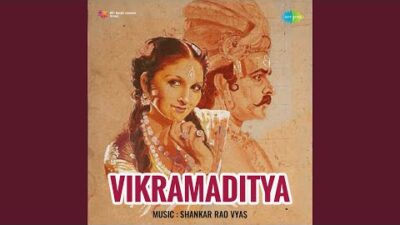
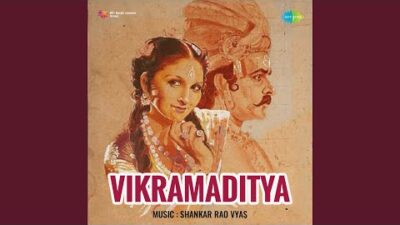
विक्रमादित्य
Vikramaditya
शैलीHistorical · Drama · Epic
भाषाhindi प्रकारकथा-चित्र (फ़ीचर)
गीत10 — नीचे पूरी संगीत-सूची
कथा-सार
Synopsis'विक्रमादित्य' प्रकाश पिक्चर्स की 1945 की ऐतिहासिक फ़िल्म है, जो अवंति के प्रसिद्ध राजा विक्रमादित्य पर आधारित है; निर्देशन विजय भट्ट का, और निर्माण विक्रम द्विसहस्राब्दी समिति (Vikram Bimillennium Committee) के अनुरोध पर हुआ, जो विक्रम संवत् के दो हज़ार वर्ष पूरे होने का उत्सव मना रही थी। कथा में शक (सीथियन) आक्रमणकारी कश्मीर को रौंद चुके हैं और वहाँ की राजकुमारी श्रीलेखा भागती फिर रही है — शकराज से बचाने को कोई दरबार तैयार नहीं। रास्ते में उसकी भेंट कवि कालिदास से होती है, जो उसे अवंति के राजा विक्रमादित्य की शरण में जाने को कहते हैं; कालिदास की कविता आचार्य वराहमिहिर की पुत्री माधवी को मोह लेती है और उसी के माध्यम से दोनों को राजदरबार में प्रवेश मिलता है। राजा कालिदास को राजकवि नियुक्त करते हैं और राजकुमारी को शरण के साथ-साथ वह युद्ध भी देते हैं जिसकी वह याचना करती है — यह निर्णय मंत्री वैताल को स्वीकार नहीं। ठुकराया गया वैताल जनता को राजकुमारी के विरुद्ध भड़काता है और उसे विष देने का प्रयास करता है; जब राजा भी अस्वस्थ पड़ते हैं तो नगर मान लेता है कि दोनों को विष दिया गया है। अंत में विक्रमादित्य शकों से रणभूमि में भिड़ते हैं, शकराज का वध करते हैं, श्रीलेखा के पिता को बंदीगृह से मुक्त कराते हैं और उनका राज्य लौटा देते हैं। शीर्षक भूमिका में पृथ्वीराज कपूर थे, जो उस समय उद्योग के सबसे लोकप्रिय अभिनेताओं में गिने जाते थे; फ़िल्म की अवधि 166 मिनट थी।
अंग्रेज़ी में पढ़ें · Read in English
Vikramaditya is Prakash Pictures' 1945 historical drama about the legendary king of Avanti, directed by Vijay Bhatt and made at the request of the Vikram Bimillennium Committee, which was marking two thousand years of the Vikram Samvat calendar. In the story, the Shakas — the Scythian invaders — have overrun Kashmir, and its princess Shreelekha is a fugitive, unable to find a court willing to shelter her from Shakraj. She meets the poet Kalidas, who tells her to seek refuge with Vikramaditya at Avanti; Kalidas's verses win over Madhvi, daughter of Acharya Varamihir, and through her the two are granted an audience. The king takes Kalidas into his court as royal poet, and gives the princess both the shelter and the war she asks for — a decision his minister Vaital opposes bitterly. Rebuffed, Vaital turns the people against the princess and attempts to poison her, and when the king too falls ill the city concludes that both have been poisoned. The film closes with Vikramaditya taking the field against the Shakas, killing Shakraj, freeing Shreelekha's father from captivity and restoring him to his kingdom. Prithviraj Kapoor, by then one of the most popular actors in the industry, played the title role in a picture that ran 166 minutes.
संगीत-सूची
The Soundtrackशंकरराव व्यास — पंडित विष्णु दिगंबर पलुस्कर के शिष्य, जिन्होंने अहमदाबाद और बंबई में अपने संगीत विद्यालय चलाए और 1937 से 1954 के बीच लगभग बत्तीस हिंदी फ़िल्मों में संगीत दिया — ने इस फ़िल्म का संगीत शिव के इर्द-गिर्द बुना। 'ॐ जय जय शंकर' दो बार रिकॉर्ड हुआ: एक बार अमीरबाई कर्नाटकी, जी.एम. दुर्रानी और मन्ना डे के मिश्रित समूह में, और एक बार मन्ना डे के एकल के रूप में; फ़िल्म का एकमात्र भक्ति-एकल 'शम्भो महादेव शंकर' दुर्रानी को मिला। इस शैव केंद्र के चारों ओर हैं दो 'गगन' गीत — राजकुमारी और मन्ना डे का युगल 'देख गगन में' (रिकॉर्ड का एकमात्र युगल) तथा मन्ना डे का एकल 'नील गगन है' — एक दार्शनिक गीत 'अजब है क़ुदरत की माया', अमीरबाई कर्नाटकी के गाए दो जयकार-गीत ('जय जय से गूँज उठा भारत' और शीर्षक-उद्घोष 'जय हो विक्रमादित्य की जय हो'), चकोर-गीत 'एक चकोरी देव पे अपने', और रूपदास के लिखे दो गीत — 'तेज फूँक दो आज' तथा 'नील गगन है'। शेष सभी गीत रमेश गुप्ता के हैं। हिंदी गीतमाला दस शीर्षक दर्ज करती है; एचएफ़जीके (हमराज़) और विकिपीडिया की गीत-तालिका नौ देती हैं — उनमें 'जय हो विक्रमादित्य की जय हो' नहीं है और 'देख गगन में' को 'है गगन में' लिखा गया है। एचएफ़जीके के नौवें गीत का मुखड़ा दोनों जयकारों को समेटता है, यानी दोनों सूचियाँ एक ही शीर्षक-गीत को अलग-अलग ढंग से जोड़ या बाँट रही हैं; चूँकि हिंदी गीतमाला दोनों को अलग दर्ज करती है, यहाँ दोनों रखे गए हैं। इन दस में से किसी की भी प्रचलित रिकॉर्डिंग हमें नहीं मिली।
अंग्रेज़ी में पढ़ें · Read in English
Shankarrao Vyas — a disciple of Vishnu Digambar Paluskar who ran his own music schools in Ahmedabad and Bombay and scored some thirty-two Hindi films between 1937 and 1954 — built the score around Shiva. 'Om Jai Jai Shankar' was recorded twice, once for a mixed group of Amirbai Karnataki, G. M. Durrani and Manna Dey and once as a Manna Dey solo, and Durrani was given the film's single devotional solo, 'Shambho Mahadev Shankar'. Around that Shaivite core sit two sky songs — 'Dekh Gagan Mein', the only duet on the record, sung by Rajkumari with Manna Dey, and the Manna Dey solo 'Neel Gagan Hai' — a philosophical number, 'Ajab Hai Kudrat Ki Maya', two acclamations sung by Amirbai Karnataki ('Jai Jai Se Goonj Utha Bharat' and the title cry 'Jai Ho Vikramaditya Ki Jai Ho'), the chakor-bird song 'Ek Chakori Dev Pe Apne', and the two Roopdas lyrics, 'Tez Phoonk Do Aaj' and 'Neel Gagan Hai'. Ramesh Gupta wrote everything else. Hindi Geetmala lists ten titles; HFGK (Hamraaz) and the Wikipedia song table list nine, omitting 'Jai Ho Vikramaditya Ki Jai Ho' and giving 'Dekh Gagan Mein' as 'Hai Gagan Mein'. HFGK's ninth entry quotes a mukhda that runs through both acclamations, so the two catalogues appear to be splitting and merging the same title song differently; both titles are kept here because Hindi Geetmala documents each separately. No commercially circulating recording of any of the ten has been traced.
- देख गगन में Dekh Gagan Mein स्वर: Rajkumari, Manna Dey
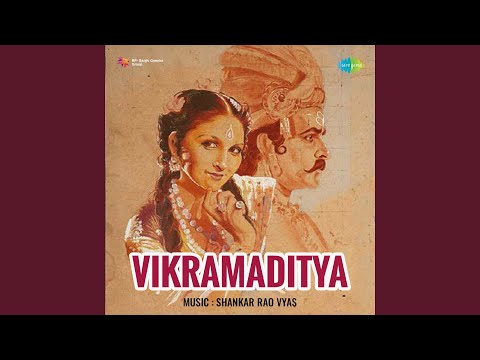
- ॐ जय जय शंकर (समवेत) Om Jai Jai Shankar (Group) स्वर: Amirbai Karnataki, G.M. Durrani, Manna Dey
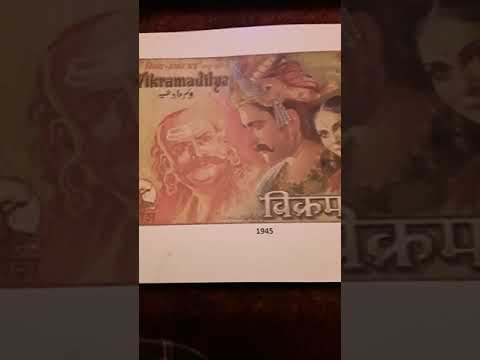
- ॐ जय जय शंकर (पुरुष स्वर) Om Jai Jai Shankar (Male) स्वर: Manna Dey
- शम्भो महादेव शंकर Shambho Mahadev Shankar स्वर: G.M. Durrani
- अजब है क़ुदरत की माया Ajab Hai Kudrat Ki Maya स्वर: Manna Dey

- एक चकोरी देव पे अपने Ek Chakori Dev Pe Apne स्वर: Manna Dey

- जय जय से गूँज उठा भारत Jai Jai Se Goonj Utha Bharat स्वर: Amirbai Karnataki
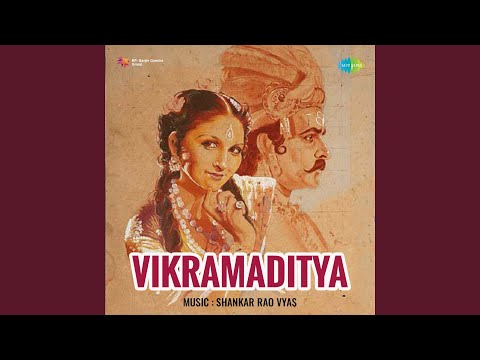
- जय हो, विक्रमादित्य की जय हो Jai Ho Vikramaditya Ki Jai Ho स्वर: Amirbai Karnataki
- नील गगन है Neel Gagan Hai स्वर: Manna Dey

- तेज फूँक दो आज Tez Phunk Do Aaj स्वर: Manna Dey, फूलाजी बुवा
पट्टिका-लेख
The Monographपर्दे के पीछे Behind the Scenes
यह परियोजना भट्ट के पास किसी स्टूडियो-प्रस्ताव से नहीं, बल्कि विक्रम द्विसहस्राब्दी समिति के माध्यम से पहुँची, और उन्होंने इसे इतिहास की तरह बरता: फ़िल्म के समकालीन विवरण इस बात पर ज़ोर देते हैं कि उन्होंने विक्रमादित्य से जुड़ी किंवदंतियों के इर्द-गिर्द कल्पना गढ़ने के बजाय तथ्यात्मक अभिलेख से काम लिया। निर्माता का श्रेय '"विजय-शंकर" भट्ट' लिखा मिलता है — यह वह संयुक्त नाम था जिसका प्रयोग विजय भट्ट अपने बड़े भाई शंकरभाई भट्ट के साथ करते थे, जो उनके साथ बंबई आए थे और प्रकाश पिक्चर्स में निर्माता बने। कलाकारों में एक ओर स्टूडियो के नियमित चेहरे थे — प्रेम अदीब, जो दो साल पहले 'राम राज्य' में प्रकाश के राम बने थे, और कोल्हापुर की फ़िल्म-परंपरा तथा मराठी रंगमंच से आए बाबूराव पेंढारकर — तो दूसरी ओर पृथ्वीराज कपूर बाहर से आए, ठीक उस समय जब वे अपनी नई-नई स्थापित घुमंतू नाट्य-संस्था 'पृथ्वी थिएटर्स' भी चला रहे थे। 166 मिनट की अवधि उस दौर के हिसाब से भी लंबी थी, जबकि उस दौर को लंबाई से परहेज़ नहीं था।
अंग्रेज़ी में पढ़ें · Read in English
The project reached Bhatt through the Vikram Bimillennium Committee rather than through a studio pitch, and he approached it as history: contemporary accounts of the film emphasise that he worked from the factual record instead of inventing around the Vikramaditya legends. The producer credit reads '"Vijay-Shankar" Bhatt', the joint banner name Vijay Bhatt used with his elder brother Shankarbhai Bhatt, who had moved to Bombay with him and become a producer at Prakash Pictures. The casting drew partly on studio regulars — Prem Adib, who had been Prakash's Rama in Ram Rajya two years earlier, and Baburao Pendharkar, from the Kolhapur film and Marathi stage tradition — while Prithviraj Kapoor came from outside, at a moment when he was also running his own newly founded touring company, Prithvi Theatres. At 166 minutes the film was long even by the standards of a period that did not mind length.
महत्व Significance
'विक्रमादित्य' 1940 के दशक की एक छोटी-सी विशेष श्रेणी में आती है — वह ऐतिहासिक फ़िल्म जो इसलिए नहीं बनी कि किसी स्टूडियो को बाज़ार दिखा, बल्कि इसलिए कि एक सार्वजनिक समिति ने उसकी माँग की। विक्रम द्विसहस्राब्दी समिति चाहती थी कि विक्रम संवत् के दो हज़ारवें वर्ष को पर्दे पर दर्ज किया जाए, और विजय भट्ट — जो तब तक भक्ति और ऐतिहासिक विषयों के सबसे भरोसेमंद निर्माता-निर्देशक बन चुके थे — ने यह काम स्वीकार किया और अपने कथनानुसार फ़िल्म को किंवदंती के बजाय प्रलेखित इतिहास पर खड़ा किया, जो उस बंबइया उद्योग में असामान्य रुख था जहाँ पुराकथा की छूट ही मुख्य आकर्षण मानी जाती थी। प्रकाश पिक्चर्स के इतिहास में यह 'राम राज्य' (1943) के तुरंत बाद की फ़िल्म है — वही 'राम राज्य' जो अपने वर्ष की तीसरी सबसे अधिक कमाई करने वाली भारतीय फ़िल्म थी, जिसे महात्मा गांधी द्वारा देखी गई एकमात्र फ़िल्म कहा जाता है, और जो अमेरिका में प्रीमियर पाने वाली पहली भारतीय फ़िल्म थी; निर्देशक वही भट्ट, संगीतकार वही शंकरराव व्यास और कलाकारों में फिर प्रेम अदीब। हिंदी फ़िल्म संगीत के लिहाज़ से इसका महत्व एक शांत कारण से है: उपलब्ध गीत-सूची मन्ना डे को दस में से छह गीतों का श्रेय देती है — 1942 में पार्श्वगायन शुरू करने के मुश्किल से तीन साल बाद किसी गायक के लिए यह असामान्य रूप से बड़ा हिस्सा था।
अंग्रेज़ी में पढ़ें · Read in English
Vikramaditya belongs to a small and specific 1940s category — the commissioned historical, made not because a studio saw a market but because a public body asked for one. The Vikram Bimillennium Committee wanted the two-thousandth year of the Vikram Samvat marked on screen, and Vijay Bhatt, by then the industry's most bankable maker of devotional and historical subjects, took the assignment and, by his own account, built the film on documented history rather than on legend — an unusual stance in a Bombay industry where the freedom of myth was normally the whole attraction. Within Prakash Pictures' output it stands as the studio's immediate follow-up to Ram Rajya (1943): the third highest-grossing Indian release of its year, the only film Mahatma Gandhi is said to have watched, and the first Indian picture to premiere in the United States — made again by Bhatt, again scored by Shankarrao Vyas, and again featuring Prem Adib. For Hindi film music the film matters for a quieter reason: the surviving song register credits Manna Dey with six of its ten numbers, an unusually large share for a singer barely three years past his 1942 playback debut.
विरासत Legacy
'विक्रमादित्य' अपनी पूर्ववर्ती फ़िल्म की तरह प्रचलन में नहीं बची। 'राम राज्य' सुरक्षित है और देखी जा सकती है; 'विक्रमादित्य' आज मुख्यतः एक श्रेय-सूची, एक कथासार और एक गीत-सूची के रूप में मौजूद है — न कोई प्रिंट सार्वजनिक पहुँच में, न इसके दस गीतों की कोई सुलभ रिकॉर्डिंग। विजय भट्ट सात साल बाद 'बैजू बावरा' (1952) के साथ ऐतिहासिक-संगीत रूप में लौटे — नौशाद के शास्त्रीय संगीत वाली वह फ़िल्म आज भी उनकी सबसे प्रसिद्ध कृति है; और शंकरराव व्यास, जिनका निधन 1956 में हुआ, इस संगीत के लिए नहीं बल्कि 'राम राज्य' और 'नरसी भगत' के लिए याद किए जाते हैं। 'विक्रमादित्य' की गीत-सूची जो चीज़ सचमुच सुरक्षित रखती है, वह है मन्ना डे के प्रशिक्षण-काल की एक झलक — एक ही 1945 की ऐतिहासिक फ़िल्म में छह गीत, उन गीतों से एक दशक से भी पहले जिन्होंने उनका नाम बनाया — और यह स्मरण कि विभाजन-पूर्व उद्योग अपने गायकों को कितनी सहजता से मिलाता था: इसके शिव-समवेत गीत की तीन में से दो आवाज़ें — अमीरबाई कर्नाटकी और जी.एम. दुर्रानी — मुसलमान थीं।
अंग्रेज़ी में पढ़ें · Read in English
Vikramaditya has not survived in circulation the way its predecessor did. Ram Rajya is preserved and viewable; Vikramaditya exists today mainly as a credit list, a plot summary and a song register, with no print in general access and no widely available recordings of its ten songs. Vijay Bhatt returned to the historical-musical form seven years later with Baiju Bawra (1952), the Naushad-scored classical blockbuster that remains his best-known film; Shankarrao Vyas, who died in 1956, is now remembered chiefly for Ram Rajya and Narsi Bhagat rather than for this score. What the Vikramaditya song list does preserve is a snapshot of Manna Dey's apprenticeship — six numbers in a single 1945 historical, more than a decade before the songs that made his name — and a reminder of how routinely the pre-Partition industry mixed its singers: two of the three voices on its Shiva chorus, Amirbai Karnataki and G. M. Durrani, were Muslim.
नमूना-पट्टी
The Specimen Table| शीर्षक | विक्रमादित्य · Vikramaditya |
|---|---|
| वर्ष · युग | 1945 — Pre Independence |
| निर्देशक | विजय भट्ट · Vijay Bhatt |
| संगीत-निर्देशक | शंकरराव व्यास · Shankar Rao Vyas |
| गीतकार | रमेश गुप्ता · Ramesh Gupta · रूपदास · Roopdas |
| कलाकार-मंडली | पृथ्वीराज कपूर · Prithviraj Kapoor · प्रेम अदीब · Prem Adib · बाबूराव पेंढारकर · Baburao Pendharkar · रत्नमाला · Ratnamala · रंजना · Ranjana · भगवानदास · Bhagwandas · जिल्लूबाई · Jilloobai |
| निर्माण-गृह | Prakash Pictures, Bombay |
| शैली | Historical · Drama · Epic |
| भाषा | hindi |
| प्रकार | कथा-चित्र (फ़ीचर) |
| गीत | 10 गीत — ऊपर पूरी संगीत-सूची |
जुड़े हुए पन्ने
Connected Plates · The Graph Made Visibleअटलस में कोई पन्ना अकेला नहीं — 'विक्रमादित्य' से उसके गीत, कलाकार, राग और युग, सब जुड़े हैं।
इस फ़िल्म के गीत · Songs of this Film
कलाकार · Cast & Crew
युग · The Era
साझा कीजिए · Share this Plate