गीत विंग · गीत-पट्टिका · Song Plate
देख गगन में
Dekh Gagan Mein
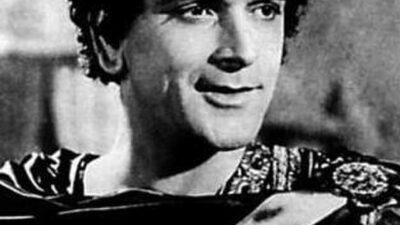
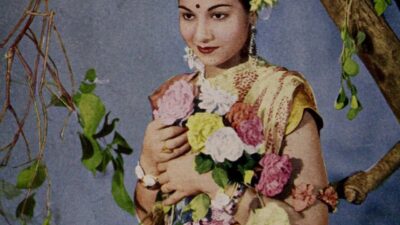
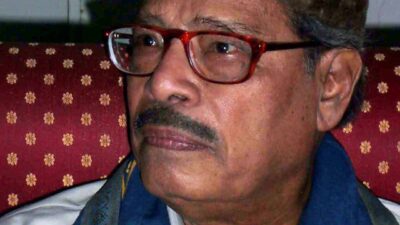
'विक्रमादित्य' के रिकॉर्ड का एकमात्र युगल — राजकुमारी और मन्ना डे, साथ में, आकाश की ओर देखते हुए।
भावपुरानी यादें · शांत · रोमांटिक
भाषाhindi गतिमध्यम स्वरूपयुगल
श्रेय
The Creditsसूत्र-वाक्य · The Hook
सूत्र-वाक्य
'विक्रमादित्य' के रिकॉर्ड का एकमात्र युगल — राजकुमारी और मन्ना डे, साथ में, आकाश की ओर देखते हुए।
In EnglishThe only duet on the Vikramaditya record — Rajkumari and Manna Dey together, looking up at the sky.
पट्टिका-लेख
The Monographपरिचय Overview
'देख गगन में' शंकरराव व्यास के 'विक्रमादित्य' (1945) के संगीत का इकलौता स्त्री-पुरुष युगल है, और फ़िल्म की गीत-सूची में राजकुमारी की एकमात्र उपस्थिति; उनके साथ मन्ना डे हैं, जो दस में से छह गीत गाते हैं। बोल रमेश गुप्ता के हैं। विकिपीडिया की गीत-तालिका इसका शीर्षक 'है गगन में' छापती है जबकि हिंदी गीतमाला 'देख गगन मे' देती है — लगभग निश्चित रूप से एक ही मुखड़े को पकड़ने के दो तरीक़े। इसकी कोई रिकॉर्डिंग प्रचलन में नहीं है।
अंग्रेज़ी में पढ़ें · Read in English
'Dekh Gagan Mein' is the single male-female duet in Shankarrao Vyas's score for Vikramaditya (1945), and Rajkumari's only appearance on the film's song register; her partner is Manna Dey, who sings on six of the ten titles. The words are by Ramesh Gupta. Wikipedia's song table prints the title as 'Hai Gagan Mein' while Hindi Geetmala gives 'Dekh Gagan Me' — almost certainly two ways of catching the same opening line. No recording of it is in circulation.
संगीत The Music
1945 की किसी प्रकाश पिक्चर्स ऐतिहासिक फ़िल्म के युगल गीत के लिए परंपराएँ तय थीं: दोनों आवाज़ें मिलने से पहले पूरी-पूरी पंक्ति बारी-बारी लेती हैं, लय इतनी धीमी रहती है कि संवाद जैसा उच्चारण बचा रहे, और वाद्यवृंद — तार, हारमोनियम, तबले या ढोलक की हल्की थाप — शब्दों के नीचे ही रहता है। व्यास पलुस्कर-प्रशिक्षित शास्त्रीय संगीतकार थे और अपनी फ़िल्मी धुनों को पहचानी जा सकने वाली राग-रेखाओं के भीतर रखते थे, न कि उस पंजाबी ताल-मुहावरे के पीछे भागते थे जो तब बंबई पर छा रहा था। राजकुमारी की पतली, ऊँची, स्पष्ट रूप से लता-पूर्व आवाज़ को सधे-प्रशिक्षित मन्ना डे के साथ रखना उसी विरोधाभास को जन्म देता जिस पर ऐसे युगल टिके होते थे। वास्तविक संयोजन अप्रलेखित है।
अंग्रेज़ी में पढ़ें · Read in English
A duet in a 1945 Prakash Pictures historical had a narrow set of conventions to work inside: the two voices alternate a full line each before joining, the tempo stays walkable so that dialogue-like phrasing survives, and the orchestra — strings, harmonium, a light tabla or dholak pulse — stays under the words. Vyas was a Paluskar-trained classicist who tended to keep his film melodies inside recognisable raag outlines rather than chasing the Punjabi rhythmic idiom then sweeping Bombay. Pairing Rajkumari, whose voice carried a thin, high, distinctly pre-Lata timbre, with the deliberately trained Manna Dey would have produced the contrast such duets were built on. The actual arrangement is undocumented.
काव्य The Poetry
'गगन' — आकाश — हिंदी फ़िल्मी कविता के भार उठाने वाले शब्दों में से एक है, और रमेश गुप्ता ने इसे इसी एक फ़िल्म में दो बार बरता: यहाँ, और फिर मन्ना डे के एकल 'नील गगन है' में। पुरानी काव्य-भाषा में आकाश दृश्य नहीं, माप है: वह एकमात्र वस्तु जो इतनी बड़ी है कि उस भाव को समा सके जो किसी कमरे में नहीं समाता, और वह पटल जिस पर प्रेमी, निर्वासित और राजा — सभी समान रूप से छोटे हैं। जो युगल दूसरे व्यक्ति से आकाश की ओर देखने को कहकर शुरू होता है, वह उससे तात्कालिक कलह या तात्कालिक ख़तरे से बाहर निकलकर दूर तक देखने को कह रहा होता है — और भागती हुई राजकुमारी, राजकवि तथा आते हुए युद्ध वाली कथा में गीत का यह करना उचित ही है। इससे आगे इस रचना का कुछ नहीं बचा: न पाठ, न रिकॉर्डिंग, न समकालीन विवरण।
अंग्रेज़ी में पढ़ें · Read in English
'Gagan' — the sky — is one of the load-bearing words of Hindi film poetry, and Ramesh Gupta used it twice in this one film, here and again in the Manna Dey solo 'Neel Gagan Hai'. In the older poetic register the sky is not scenery but a measure: the one thing large enough to hold a feeling that will not fit inside a room, and the surface on which lovers, exiles and kings are all equally small. A duet that opens by telling the other person to look at the sky is asking them to step outside the immediate quarrel or the immediate danger and take the long view — which, in a film whose plot turns on a fugitive princess, a court poet and an approaching war, is a reasonable thing for a song to be doing. Beyond that, nothing about the lyric survives: no text, no recording, no contemporary description.
कहानी The Story
'विक्रमादित्य' का निर्देशन विजय भट्ट ने प्रकाश पिक्चर्स के लिए किया और यह विक्रम द्विसहस्राब्दी समिति के अनुरोध पर बनी, जो विक्रम संवत् के दो हज़ार वर्ष पूरे होने का उत्सव मना रही थी। अवंति के राजा की भूमिका में पृथ्वीराज कपूर थे; कथा कश्मीर की राजकुमारी श्रीलेखा का पीछा करती है, जो शक आक्रमणकारी शकराज से भागकर कवि कालिदास के कहने पर विक्रमादित्य के दरबार पहुँचती है और शरण तथा युद्ध दोनों पाती है। इस युगल का स्त्री-भाग गाने वाली राजकुमारी 1940 के दशक के मध्य की सबसे व्यस्त पार्श्व-आवाज़ों में से एक थीं, जो लता मंगेशकर द्वारा परिदृश्य बदलने से ठीक पहले के वर्षों में सभी स्टूडियो के लिए गाती रहीं। फ़िल्म में यही उनका एकमात्र श्रेय-प्राप्त गीत है।
अंग्रेज़ी में पढ़ें · Read in English
Vikramaditya was directed by Vijay Bhatt for Prakash Pictures and made at the request of the Vikram Bimillennium Committee, which was marking two thousand years of the Vikram Samvat. Prithviraj Kapoor played the king of Avanti; the story follows the Kashmiri princess Shreelekha, a fugitive from the Scythian invader Shakraj, who is directed to Vikramaditya's court by the poet Kalidas and is granted both refuge and a war. Rajkumari, who sings the female half of this duet, was one of the busiest playback voices of the mid-1940s, working across the studios in the years just before Lata Mangeshkar reset the field. This is her only credited number in the film.
विरासत The Legacy
इस युगल से जुड़ी कोई चीज़ मानक भंडार में नहीं पहुँची। यह दो गीत-सूचियों की उस पंक्ति के रूप में बचा है जो आपस में पूरी तरह मेल नहीं खातीं — हिंदी गीतमाला का 'देख गगन मे' बनाम विकिपीडिया का 'है गगन में' — और यह इस फ़िल्म में इकलौती जगह है जहाँ राजकुमारी और मन्ना डे साथ आते हैं। आज इसका महत्व प्रलेखीय है: यह मन्ना डे के आरंभिक बंबई-वर्षों में एक तिथि और एक जोड़ी को दर्ज कर देता है, जब वे प्रकाश पिक्चर्स से मिलने वाला हर काम ले रहे थे।
अंग्रेज़ी में पढ़ें · Read in English
Nothing about this duet entered the standard repertoire. It survives as a line in two song registers that do not quite agree with each other — Hindi Geetmala's 'Dekh Gagan Me' against Wikipedia's 'Hai Gagan Mein' — and it is the only place where Rajkumari and Manna Dey appear together in this film. Its interest today is documentary: it fixes a date and a pairing in Manna Dey's early Bombay years, when he was still taking whatever a Prakash Pictures assignment offered.
वर्गीकरण
Classification- Tempo
- Medium
Genre
अन्य विवरण
More Details- https://www.hindigeetmala.net/movie/vikramaditya.htm
- https://en.wikipedia.org/wiki/Vikramaditya_(film)
- https://en.wikipedia.org/wiki/List_of_Hindi_films_of_1945
- https://myswar.co/album/vikramaditya-1945
References
रोचक तथ्य
Margin Notesइस साउंडट्रैक के आकार पर स्रोत एकमत नहीं हैं: हिंदी गीतमाला दस शीर्षक दर्ज करती है, जबकि विकिपीडिया की गीत-तालिका नौ देती है — उसमें 'जय हो विक्रमादित्य की जय हो' नहीं है और 'देख गगन में' को 'है गगन में' लिखा गया है।
अंग्रेज़ी में पढ़ें · Read in English
Sources disagree about the size of this soundtrack: Hindi Geetmala lists ten titles, while the Wikipedia song table lists nine, omitting 'Jai Ho Vikramaditya Ki Jai Ho' and printing 'Dekh Gagan Mein' as 'Hai Gagan Mein'.
फ़िल्म की गीत-सूची मन्ना डे को दस में से छह गीतों का श्रेय देती है — 1942 में 'तमन्ना' से पार्श्वगायन शुरू करने के मुश्किल से तीन साल बाद किसी गायक के लिए यह असामान्य रूप से बड़ा हिस्सा था, और उन गीतों से एक दशक से भी पहले जिन्होंने उनका नाम बनाया।
अंग्रेज़ी में पढ़ें · Read in English
The film's song register credits Manna Dey with six of its ten numbers — an unusually large share for a singer barely three years past his 1942 playback debut in Tamanna, and more than a decade before the songs that made his name.
'विक्रमादित्य' विक्रम द्विसहस्राब्दी समिति के अनुरोध पर बनी, जो विक्रम संवत् के दो हज़ार वर्ष पूरे होने का उत्सव मना रही थी — 1940 के दशक की उन गिनी-चुनी हिंदी फ़िल्मों में से एक जो किसी स्टूडियो की पहल से नहीं, बल्कि एक सार्वजनिक संस्था की माँग पर बनी।
अंग्रेज़ी में पढ़ें · Read in English
Vikramaditya was made at the request of the Vikram Bimillennium Committee, which was marking two thousand years of the Vikram Samvat calendar — one of the very few Hindi films of the 1940s commissioned by a public body rather than initiated by a studio.
नमूना-पट्टी
The Specimen Table| शीर्षक | देख गगन में · Dekh Gagan Mein |
|---|---|
| फ़िल्म | विक्रमादित्य · 1945 |
| वर्ष · युग | 1945 |
| गायक | Rajkumari, Manna Dey |
| गीतकार | Ramesh Gupta |
| संगीतकार | Shankar Rao Vyas |
| स्वरूप | युगल |
| गति | मध्यम |
| भाषा | hindi |
| भाव | पुरानी यादें · शांत · रोमांटिक |
| लोकप्रियता | Obscure |
| बोल-स्थिति | केवल झलक |
जुड़े हुए पन्ने
Connected Plates · The Graph Made Visibleअटलस में कोई पन्ना अकेला नहीं — इस गीत से जुड़े गीत, कलाकार, फ़िल्म, राग-ताल-विधा, सब यहाँ से खुलते हैं।
मिलते-जुलते गीत · Related Songs
कलाकार · The Artists
फ़िल्म · The Film
साझा कीजिए · Share this Plate