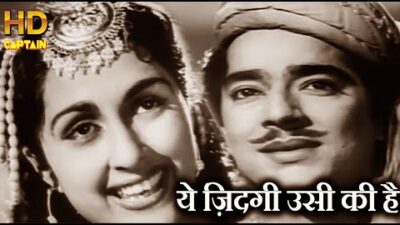
गीत विंग · गीत-पट्टिका · Song Plate
मुहब्बत की दास्तान आज सुनो
Muhabbat Ki Daastaan Aaj Suno
इस पूरी फ़िल्म के हर गाने को अकेले लता मंगेशकर ने गाया — और यह गीत बताता है क्यों उन्हें किसी और की ज़रूरत नहीं थी।
भावमीठा-कड़वा · पुरानी यादें · रोमांटिक
भाषाUrdu · Hindi गतिमध्यम स्वरूपएकल महिला
श्रेय
The Creditsबोल · The Lyrics
बोल — झलक · Lyrics Preview
मेरे दिल का अरमान आज सुनो
Mere dil ka armaan aaj suno
कॉपीराइट के कारण केवल झलक — पूरे बोल आधिकारिक मंचों पर।
शब्दकोश
Word Meaningsसूत्र-वाक्य · The Hook
सूत्र-वाक्य
इस पूरी फ़िल्म के हर गाने को अकेले लता मंगेशकर ने गाया — और यह गीत बताता है क्यों उन्हें किसी और की ज़रूरत नहीं थी।
In EnglishLata Mangeshkar alone carried an entire soundtrack — and this song proved why she needed no co-singer.
पट्टिका-लेख
The Monographपरिचय Overview
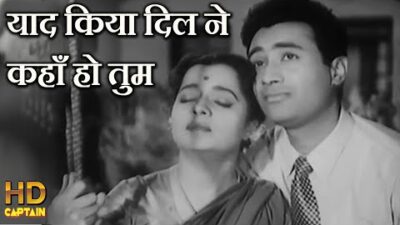
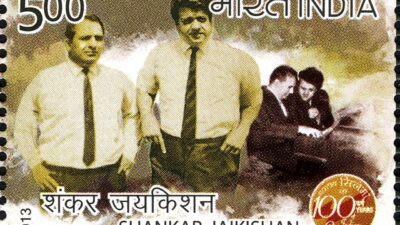
किशोर साहू निर्देशित 'मयूर पंख' (१९५३) — जिसमें किशोर साहू और आशा माथुर थे — का यह गीत शंकर-जयकिशन और हसरत जयपुरी की उस साझेदारी की शुरुआती ऊँचाई है जो राज कपूर युग की पहचान बनी। लता मंगेशकर ने इस फ़िल्म के सभी गाने गाए — यह एक दुर्लभ घटना थी। गीत १९५३ की बिनाका गीतमाला में तीसरे स्थान पर रहा। 'मयूर पंख' को १९५४ के कान फ़िल्म उत्सव में प्रदर्शित किया गया था।
अंग्रेज़ी में पढ़ें · Read in English
From the 1953 adventure drama Mayurpankh — directed by Kishore Sahu, who also starred in it alongside Asha Mathur — 'Muhabbat Ki Daastaan Aaj Suno' represents an early peak in the Shankar-Jaikishan and Hasrat Jaipuri partnership that would define the Raj Kapoor era. Lata Mangeshkar sang all songs in this film, a rare distinction. The song ranked third on Binaca Geetmala's 1953 annual chart. Mayurpankh was notable for being screened at the 1954 Cannes Film Festival, bringing international visibility to this soundtrack.
संगीत The Music
शंकर-जयकिशन का यह संगीत मध्यम गति के रोमांटिक गीत की उनकी शुरुआती महारत दिखाता है — साफ़, यादगार धुन जिसे तारवाद्य और बाँसुरी का साथ मिला। राग यमन — शाम का वह राग जो रोमांटिक आकांक्षाओं का वाहक है — की झलक इस गीत में मिलती है। बाद में शंकर-जयकिशन जिस भव्य ऑर्केस्ट्रेशन के लिए जाने गए, उसकी तुलना में यह अपेक्षाकृत संयत रचना है।
अंग्रेज़ी में पढ़ें · Read in English
Shankar-Jaikishan's composition here shows their early mastery of the medium-tempo romantic geet — a clean, memorable melodic line supported by strings and flute. The song belongs to a melodic space close to Raag Yaman — the evening raga of romantic aspiration — though used loosely in the Bombay film style. The arrangement is relatively compact for Shankar-Jaikishan, who would later develop more lavish orchestral textures. Hasrat Jaipuri's lyric matches the music's romanticism without excess.
काव्य The Poetry
हसरत जयपुरी का बोल एक दावत है — 'मुहब्बत की दास्तान आज सुनो' — जो सुनने वाले को कहानी शुरू होने से पहले ही खींच लेती है। इस तरह की कथा-संरचना हसरत की विशेषता थी — गीत को एक अधूरी दास्तान की शुरुआत बना देना।
अंग्रेज़ी में पढ़ें · Read in English
Hasrat Jaipuri's lyric is an invitation — 'muhabbat ki daastaan aaj suno' (hear the story of my love today) — that draws the listener in before the story is even told. This narrative framing within a film song was a Jaipuri specialty: making the song itself feel like the beginning of an unfinished tale.
कहानी The Story
किशोर साहू (निर्देशक-अभिनेता दोनों) और आशा माथुर की 'मयूर पंख' (१९५३) एक साहसिक-रोमांटिक फ़िल्म थी। इसे १९५४ के कान फ़िल्म महोत्सव में स्थान मिला — उसी साल जब 'दो बीघा ज़मीन' वहाँ पुरस्कार जीत रही थी। शंकर-जयकिशन और हसरत जयपुरी की यह शुरुआती बड़ी जुगलबंदी थी।
अंग्रेज़ी में पढ़ें · Read in English
Mayurpankh (1953) was an adventure-romance starring Kishore Sahu (who also directed) and Asha Mathur. The film was shot partly on exotic outdoor locations. Its selection for screening at the 1954 Cannes Film Festival (where Do Bigha Zamin also competed the same year) underlined the international reach of Indian cinema in the early 1950s. Shankar-Jaikishan composed the music, with Hasrat Jaipuri writing lyrics — one of their earliest major collaborations before the iconic Raj Kapoor films.
विरासत The Legacy
'मयूर पंख' आज भले ही कम याद की जाए, लेकिन इसके गीत — ख़ासकर यह गीत — लता मंगेशकर की संकलन एलबमों और शंकर-जयकिशन के पूर्वावलोकनों में हमेशा जगह पाते हैं।
अंग्रेज़ी में पढ़ें · Read in English
While Mayurpankh is less remembered as a film, its songs — particularly this one — secured a permanent place on Lata Mangeshkar compilation albums and Shankar-Jaikishan retrospectives. The song represents an important transitional moment: Shankar-Jaikishan moving from early work to the peak of their RK Films partnership.
वर्गीकरण
Classification- Tempo
- Medium
Genre
अन्य विवरण
More Details- Wikipedia: Mayurpankh — https://en.wikipedia.org/wiki/Mayurpankh
- HindiGeetmala.net: Binaca Geetmala 1953 — https://www.hindigeetmala.net/geetmala/binaca_geetmala_1953.php
- MySwar: Mayurpankh 1953 — https://myswar.co/album/mayur-pankh-1953
- Songs Of Yore: Best songs of 1953 — https://www.songsofyore.com/best-songs-of-1953-and-the-winners-are/
References
रोचक तथ्य
Margin Notesमयूरपंख के सभी गीत अकेले लता मंगेशकर ने गाए थे — इस दौर की किसी हिंदी फ़िल्म के लिए यह एक असाधारण रूप से दुर्लभ व्यवस्था थी।
अंग्रेज़ी में पढ़ें · Read in English
All songs in Mayurpankh were sung by Lata Mangeshkar alone — an exceptionally rare arrangement for a Hindi film of this era.
फ़िल्म 1954 के कान फ़िल्म समारोह में प्रदर्शित हुई थी, जिससे यह अंतरराष्ट्रीय मंच पर पहुँची।
अंग्रेज़ी में पढ़ें · Read in English
The film was screened at the 1954 Cannes Film Festival, placing it in international company.
शंकर-जयकिशन ने अकेले 1953 में कम से कम चार प्रमुख हिंदी फ़िल्मों — आह, पतिता, शिकस्त और मयूरपंख — का संगीत रचा।
अंग्रेज़ी में पढ़ें · Read in English
Shankar-Jaikishan composed music for at least four major Hindi films in 1953 alone: Aah, Patita, Shikast and Mayurpankh.
हसरत जयपुरी की शंकर-जयकिशन के साथ साझेदारी 'आवारा हूँ' (1951) जैसे गीतों के साथ अपने शिखर पर पहुँची और 1960 के दशक तक जारी रही।
अंग्रेज़ी में पढ़ें · Read in English
Hasrat Jaipuri's partnership with Shankar-Jaikishan would peak with songs like 'Awara Hoon' (1951) and continue through the 1960s.
पुरस्कार
The Honoursनमूना-पट्टी
The Specimen Table| शीर्षक | मुहब्बत की दास्तान आज सुनो · Muhabbat Ki Daastaan Aaj Suno |
|---|---|
| वर्ष · युग | 1953 — Golden Era |
| गायक | Lata Mangeshkar |
| गीतकार | Hasrat Jaipuri |
| संगीतकार | Shankar-Jaikishan |
| स्वरूप | एकल महिला |
| गति | मध्यम |
| अवधि | 3:30 |
| भाषा | Urdu · Hindi |
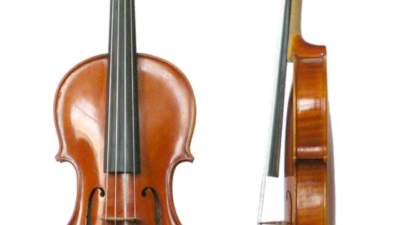
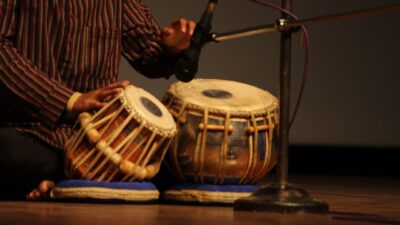
| वाद्य | violin · tabla · harmonium · instrument-flute |
| भाव | मीठा-कड़वा · पुरानी यादें · रोमांटिक |
| लोकप्रियता | Very_popular |
| बोल-स्थिति | केवल झलक |
जुड़े हुए पन्ने
Connected Plates · The Graph Made Visibleअटलस में कोई पन्ना अकेला नहीं — इस गीत से जुड़े गीत, कलाकार, फ़िल्म, राग-ताल-विधा, सब यहाँ से खुलते हैं।
मिलते-जुलते गीत · Related Songs
कलाकार · The Artists
युग · The Era
साझा कीजिए · Share this Plate
यह पन्ना आगे बढ़ाइए
मुहब्बत की दास्तान आज सुनो — हसरत की यह दावत आज भी उतनी ही ताज़ी है।
Hear the story of my love today — Hasrat Jaipuri's invitation is as fresh now as when Lata first sang it.
— Editorial, HindiGeet.in
सवाल-जवाब
Questions & Answers'मयूर पंख' के सारे गाने किसने गाए? · Who sang all the songs in Mayurpankh 1953?
'मयूर पंख' (१९५३) के सारे गाने लता मंगेशकर ने गाए — उस युग की हिंदी फ़िल्मों में यह एक दुर्लभ बात थी।
All songs in Mayurpankh (1953) were sung by Lata Mangeshkar, making it one of the rare Hindi films of the era with a single female singer across the entire soundtrack.
क्या 'मयूर पंख' कान फ़िल्म महोत्सव में दिखाई गई? · Was Mayurpankh shown at Cannes?
हाँ, 'मयूर पंख' को १९५४ के कान फ़िल्म महोत्सव में दिखाया गया — उसी साल जब 'दो बीघा ज़मीन' ने वहाँ अंतर्राष्ट्रीय पुरस्कार जीता।
Yes, Mayurpankh (1953) was screened at the 1954 Cannes Film Festival, the same year that Do Bigha Zamin won the International Prize there.
इस गीत का संगीत किसने दिया? · Who composed the music for Muhabbat Ki Daastaan?
शंकर-जयकिशन ने संगीत और हसरत जयपुरी ने बोल लिखे — यह उनकी शुरुआती महत्वपूर्ण जुगलबंदियों में से एक थी।
Shankar-Jaikishan composed the music and Hasrat Jaipuri wrote the lyrics for this song from Mayurpankh (1953).