गीत विंग · गीत-पट्टिका · Song Plate
मेरे सपनों की रानी रूही रूही रूही
Mere Sapno Ki Rani Ruhi Ruhi
हिंदी फ़िल्म संगीत का वह एकमात्र क्षण जब एक ढलते सितारे और उगते सूरज ने साथ गाया — सहगल और रफ़ी, एक सपने में मुमताज़ को ढूँढते।
भावउदास · पुरानी यादें · रोमांटिक
भाषाUrdu · Hindi गतिधीमी स्वरूपयुगल
श्रेय
The Creditsबोल · The Lyrics
बोल — झलक · Lyrics Preview
जागी रात के सवेरे जागी रात के सवेरे
तूने याद किया हमको तूने याद किया
Jaagi raat ke savere jaagi raat ke savere
Tune yaad kiya humko tune yaad kiya
कॉपीराइट के कारण केवल झलक — पूरे बोल आधिकारिक मंचों पर।
शब्दकोश
Word Meaningsसूत्र-वाक्य · The Hook
सूत्र-वाक्य
हिंदी फ़िल्म संगीत का वह एकमात्र क्षण जब एक ढलते सितारे और उगते सूरज ने साथ गाया — सहगल और रफ़ी, एक सपने में मुमताज़ को ढूँढते।
In EnglishThe only song where Indian playback's past and future shared a microphone — Saigal and Rafi, an emperor dreaming of his dead queen.
पट्टिका-लेख
The Monographपरिचय Overview
'मेरे सपनों की रानी' हिंदी सिनेमा का वह एकमात्र गीत है जिसमें के. एल. सहगल और मोहम्मद रफ़ी — दो पीढ़ियों के दो महाकाय — एक साथ गाते हैं। 'शाहजहाँ' (1946) के लिए नौशाद द्वारा रचित और मजरूह सुल्तानपुरी द्वारा लिखित यह गीत बादशाह शाहजहाँ के मुमताज़ की स्वप्न-छवि से मिलन पर आधारित है। नौशाद ने जान-बूझकर इस युगल में सहगल — जिन्हें वे जानते थे कि अब अधिक समय नहीं है — और अपने नए शिष्य रफ़ी को एक साथ रखा। यह संगीत-इतिहास की वह अद्वितीय जोड़ी थी जो इससे पहले और इसके बाद कभी एक साथ नहीं गाई। रिकॉर्डिंग के कुछ महीनों बाद सहगल चले गए।
अंग्रेज़ी में पढ़ें · Read in English
One of Hindi cinema's most historically charged recordings, 'Mere Sapno Ki Rani' from Shahjehan (1946) is a duet sung by K.L. Saigal and the young Mohammed Rafi — the reigning monarch of Indian playback and the prince who would succeed him, sharing a single song for the only time. Composed by Naushad to Majrooh Sultanpuri's lyrics, the song is picturised as Emperor Shah Jahan's dream of his departed Mumtaz Mahal. Naushad, who championed Rafi from his earliest days in Bombay, created this extraordinary pairing deliberately. The song runs approximately 3 minutes 39 seconds and was released on the HMV label. Within months of its recording, Saigal would be dead.
संगीत The Music
नौशाद ने इस स्वप्न-दृश्य के लिए राग पहाड़ी चुना — वह राग जो हिमालय की वादियों की लोक-धुनों से उपजा है और रोमांटिक, अलौकिक भाव के लिए जाना जाता है। 'रूही रूही रूही' की मुखड़े की धुन एक मंत्र की तरह है जो नाम और गुण के बीच की रेखा मिटा देती है — रूही का अर्थ आत्मिक भी है और यह प्रिया का नाम भी। सहगल की आवाज़ में बादशाह की व्याकुलता है, रफ़ी की आवाज़ में स्वप्न की हल्की-सी आहट। दो आवाज़ों के बीच का वह संक्रमण — जब एक पीढ़ी दूसरी को माइक थमाती है — हिंदी सिनेमा के संगीत-इतिहास का सबसे मार्मिक पल माना जाता है।
अंग्रेज़ी में पढ़ें · Read in English
Naushad chose Raag Pahadi for this dream sequence — the mountain raga known for its romantic, ethereal quality, its folk roots in the hills of North India. The melody is constructed around the mukhda refrain 'ruhi ruhi ruhi' — the word 'ruhi' (spiritual, soulful) repeated as an incantation that blurs the line between name and attribute. In the arrangement, Saigal takes the emperor's anguished longing while Rafi voices the lighter, approaching dream. The transition between the two voices is one of the most commented-upon moments in the history of Hindi film music — you hear the old world and the new world exchanging a breath. The song lasts approximately 3 minutes 39 seconds.
काव्य The Poetry
मजरूह सुल्तानपुरी के बोल सपने में मिलने वाली प्रिया का ऐसा चित्र खींचते हैं जो केवल नींद में जीती है। 'रूही रूही रूही' की तीन बार की पुनरावृत्ति एक मंत्र बनाती है। 'जागी रात के सवेरे' — यह पंक्ति समय को उल्टा कर देती है: रात के भोर में जागना — वह जागना जो केवल स्वप्न की दुनिया में होता है। मजरूह का यह अंदाज़ उर्दू की रोमांटिक शायरी का वह शिखर है जहाँ प्रेम और आध्यात्म के बीच कोई फ़र्क़ नहीं रहता।
अंग्रेज़ी में पढ़ें · Read in English
Majrooh Sultanpuri's lyric for this song is a meditation on the lover who lives only in dreams. 'Ruhi ruhi ruhi' — the triple repetition creates a hypnotic, incantatory effect. The beloved is the 'rani of dreams', visited in the space between night and dawn. The poem captures the specific quality of pre-Independence Urdu romantic poetry: love as an encounter with the spiritual, the beloved as an emanation of the divine. The phrase 'jaagi raat ke savere' (woke at the dawn of night) beautifully inverts time itself, suggesting a wakefulness that belongs only to dreams.
कहानी The Story
नौशाद ने सहगल-रफ़ी की यह जोड़ी जानबूझकर बनाई। वे रफ़ी को पंजाब से बंबई आने के बाद से जानते थे और उनकी प्रतिभा पहचानते थे। 'शाहजहाँ' में उन्होंने एक प्रतीकात्मक मशाल-सौंपन का मौक़ा देखा। सहगल को यह पसंद नहीं था कि कोई नवागत उनके गीत में हिस्सेदार बने — कुछ लोग कहते हैं वे इस जोड़ी के ऐतिहासिक महत्व से अनजान थे — लेकिन उन्होंने नौशाद का भरोसा किया। यह रिकॉर्डिंग सहगल के जीवन के अंतिम बड़े सत्रों में से एक थी। जनवरी 1947 में सहगल चले गए और यह जोड़ी फिर कभी न बन सकी।
अंग्रेज़ी में पढ़ें · Read in English
Naushad deliberately created the Saigal-Rafi pairing. He had championed Rafi since the young singer arrived in Bombay from Punjab in the early 1940s, and he saw in Shahjehan an opportunity to mark a symbolic handover. Saigal was reluctant to share the song with a newcomer — accounts differ on whether he knew it would become so historically significant — but trusted Naushad's judgment. The recording session was one of the last major ones for Saigal; his voice on this track shows both the wisdom of age and the fragility of a declining body. The pairing was never repeated: Saigal died in January 1947.
विरासत The Legacy
संगीत-इतिहासकार इस गीत को हिंदी फ़िल्म संगीत के इतिहास के सबसे महत्वपूर्ण रिकॉर्डों में गिनते हैं — मुख्यतः इसलिए नहीं कि यह कितना सुंदर है, बल्कि इसलिए कि यह क्या प्रतीक है: सहगल युग और रफ़ी युग के बीच एकमात्र संगीत-सेतु। रफ़ी ने बाद के साक्षात्कारों में कहा कि सहगल के साथ गाना उनके जीवन का एक निर्णायक अनुभव था। दोनों कलाकारों पर बनी डॉक्युमेंट्री फ़िल्मों और पूर्वदर्शन कार्यक्रमों में यह गीत नियमित रूप से शामिल होता है।
अंग्रेज़ी में पढ़ें · Read in English
Music historians universally cite 'Mere Sapno Ki Rani' as one of the most significant songs in Hindi film music history — not primarily for its melody, but for what it represents: the only sonic bridge between the Saigal era and the Rafi era. Rafi acknowledged in later interviews that singing with Saigal was a transformative experience. The song is regularly included in documentary films and retrospectives about both artists. It is also one of the few early Hindi film songs to feature two generations of vocal legends sharing equal billing.
वर्गीकरण
Classification- Tempo
- Slow
Genre
अन्य विवरण
More Details- Wikipedia — Shahjehan (1946 film)
- Cinestaan.com — Mere Sapno Ki Rani Ruhi Ruhi Ruhi listing
- Hindigeetmala.net — Shahjehan (1946) song list
- Wikipedia — Mohammed Rafi
- Wikipedia — K.L. Saigal
- Songs of Yore — Best songs of 1946
References
रोचक तथ्य
Margin Notesहिंदी फिल्म इतिहास में यह एकमात्र रिकॉर्डिंग है जिसमें के.एल. सहगल और मोहम्मद रफ़ी ने एक ही गीत में साथ गाया।
अंग्रेज़ी में पढ़ें · Read in English
This is the only recording in Hindi film history where K.L. Saigal and Mohammed Rafi sang together in the same song.
यह गीत लगभग 3 मिनट 39 सेकंड का है — उस दौर के अधिकांश समकालीन फिल्मी गीतों से लंबा।
अंग्रेज़ी में पढ़ें · Read in English
The song runs approximately 3 minutes and 39 seconds — longer than most contemporary film songs of the era.
नौशाद ने सहगल के फिल्म के मुख्य कलाकार होने के बावजूद इस गीत में मोहम्मद रफ़ी को लिया — एक साहसिक निर्देशकीय निर्णय जिसने एक ऐतिहासिक दस्तावेज़ रच दिया।
अंग्रेज़ी में पढ़ें · Read in English
Naushad cast Mohammed Rafi in the song despite Saigal being the film's lead — a bold directorial decision that created a historic document.
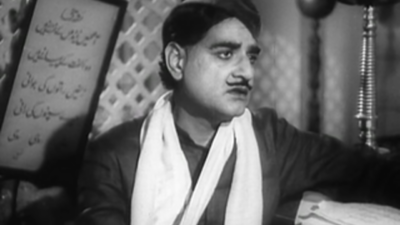
चित्रांकन में सम्राट शाहजहाँ को स्वप्न में अपनी दिवंगत बेगम मुमताज़ महल से मिलते दिखाया गया है, जो वृद्ध होते सहगल के साथ युवा रफ़ी के जुड़ने की वास्तविक जीवन की मार्मिकता को प्रतिबिंबित करता है।
अंग्रेज़ी में पढ़ें · Read in English
The picturisation shows Emperor Shah Jahan in a dream meeting his deceased queen Mumtaz Mahal, mirroring the real-life poignancy of an aging Saigal being joined by a young Rafi.
मजरूह सुल्तानपुरी ने इस गीत के बोल लिखे; यह उनके शुरुआती प्रमुख फिल्मी कार्यों में से एक था।
अंग्रेज़ी में पढ़ें · Read in English
Majrooh Sultanpuri wrote the lyrics of this song; it was one of his early major film assignments.
नमूना-पट्टी
The Specimen Table| शीर्षक | मेरे सपनों की रानी रूही रूही रूही · Mere Sapno Ki Rani Ruhi Ruhi |
|---|---|
| फ़िल्म | शाहजहाँ · 1946 |
| वर्ष · युग | 1946 — Pre-Independence |
| गायक | K.L. Saigal, Mohammed Rafi |
| गीतकार | Majrooh Sultanpuri |
| संगीतकार | Naushad |
| स्वरूप | युगल |
| गति | धीमी |
| अवधि | 3:39 |
| भाषा | Urdu · Hindi |
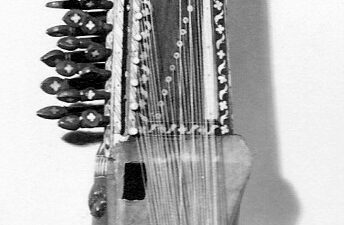
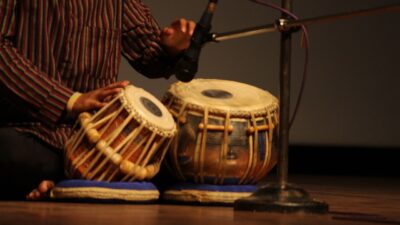
| वाद्य | sarangi · tabla · harmonium · violin |
| भाव | उदास · पुरानी यादें · रोमांटिक |
| लोकप्रियता | Legendary |
| बोल-स्थिति | केवल झलक |
जुड़े हुए पन्ने
Connected Plates · The Graph Made Visibleअटलस में कोई पन्ना अकेला नहीं — इस गीत से जुड़े गीत, कलाकार, फ़िल्म, राग-ताल-विधा, सब यहाँ से खुलते हैं।
मिलते-जुलते गीत · Related Songs
कलाकार · The Artists
फ़िल्म · The Film
साझा कीजिए · Share this Plate
यह पन्ना आगे बढ़ाइए
एक माइक पर एक आदमी जा रहा था और दूसरा आ रहा था। यही इस गीत की असलियत है।
On one microphone, one man was leaving and another was arriving. That is what this song is.
— Music historian (paraphrased)
सवाल-जवाब
Questions & Answersक्या के. एल. सहगल और मोहम्मद रफ़ी ने कभी साथ गाया? · Did K.L. Saigal and Mohammed Rafi ever sing together?
हाँ, केवल एक बार — 'शाहजहाँ' (1946) के 'मेरे सपनों की रानी रूही रूही रूही' में। यह दोनों दिग्गजों की एकमात्र रिकॉर्डेड जुगलबंदी है। नौशाद ने जानबूझकर इसे एक प्रतीकात्मक मशाल-सौंपन के रूप में रचा था।
Yes, exactly once — in 'Mere Sapno Ki Rani Ruhi Ruhi' from Shahjehan (1946). This remains the only recorded duet between the two legends. Naushad deliberately created the pairing as a symbolic passing of the torch.
यह गीत किस विषय पर है? · What is the song about?
यह गीत मुग़ल बादशाह शाहजहाँ के उस स्वप्न पर आधारित है जिसमें वे अपनी दिवंगत बेगम मुमताज़ महल से मिलते हैं। यह एक रात की कल्पना है — उस प्रिया का दर्शन जो अब केवल सपनों में मिल सकती है।
It is picturised as Mughal Emperor Shah Jahan's dream of his deceased queen Mumtaz Mahal. The song is a reverie — a night vision of the beloved who has died, a queen who lives only in dreams.
के. एल. सहगल का निधन कब हुआ? क्या यह फ़िल्म के बाद हुआ? · When did K.L. Saigal die? Was it after this film?
के. एल. सहगल का निधन 18 जनवरी 1947 को हुआ — 'शाहजहाँ' (1946) की रिलीज़ और रिकॉर्डिंग पूरी होने के कुछ ही महीने बाद। यह फ़िल्म और इसके गीत उनके अंतिम रिकॉर्डिंग कार्य का प्रतिनिधित्व करते हैं।
K.L. Saigal died on 18 January 1947, just months after Shahjehan (1946) was released and completed. This film and its songs represent some of his final recordings.